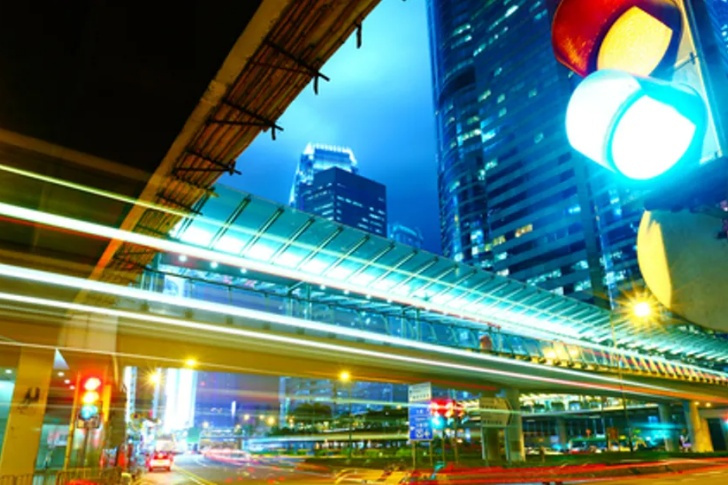
BLUE TRAFFIC LIGHTS
In most countries, traffic lights follow the standard red for stop and green for go. In Japan, however, the lights that indicate “go” appear bluish. This unusual choice has historical roots in the Japanese language. Originally, the language had words for only four colors: black, white, red, and blue. The word for green was introduced much later, so when green traffic lights were installed in the 1930s, people still commonly referred to them as “blue.”
To reconcile this linguistic quirk, a law passed in 1973 required that green traffic lights be as “blue-green” as possible, aligning visual cues with traditional terminology. This fascinating blend of language and design demonstrates how culture can shape even everyday objects like traffic signals. Today, Japanese drivers recognize that the bluish light means “go,” reflecting a unique historical compromise between perception and communication.
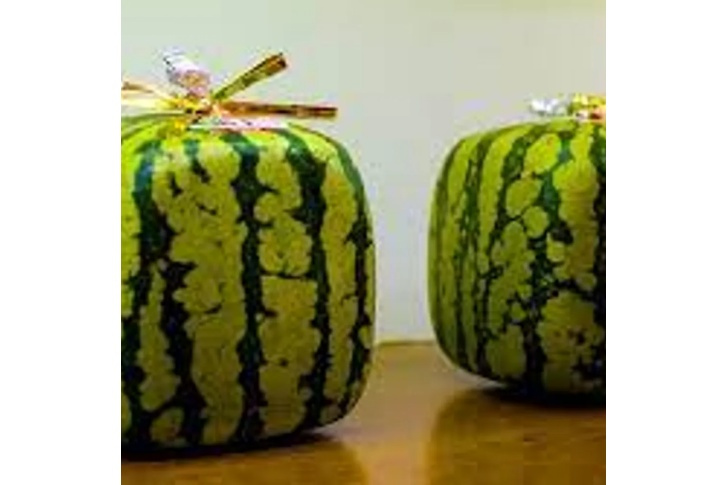
FRUIT WITH LUXURY CAR PRICES
Compared to the inexpensive and plentiful fruit found in American grocery stores, Japanese fruit is treated as a luxurious delicacy. High-quality fruits are carefully cultivated, making them rare and expensive. It’s common for friends and family to share a single piece rather than consume it alone. For example, apples can cost around $24, while designer watermelons—often grown in cube shapes—can sell for $1,500 or more.
In 2016, a set of Yubari King melons fetched an astonishing $27,000 at auction, showcasing the extraordinary value placed on premium fruit in Japan. The high prices reflect the meticulous care and precision that go into growing these products, emphasizing quality, flavor, and presentation. In Japan, fruit isn’t just food—it’s a symbol of refinement and celebration, demonstrating the nation’s unique approach to agriculture and luxury.