PACKED LIKE SARDINES
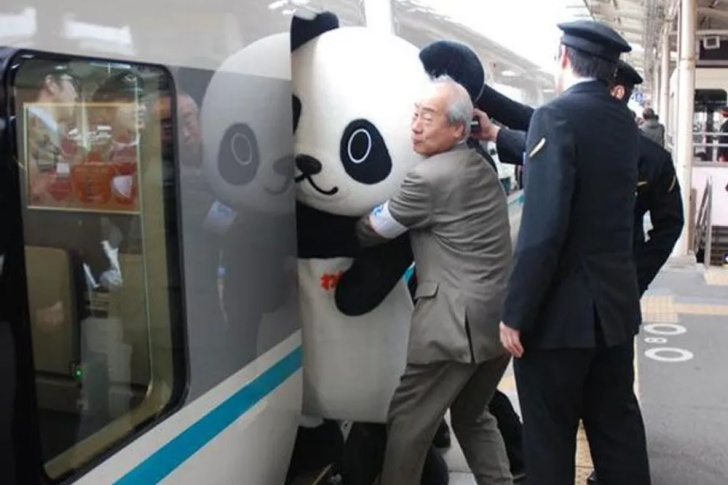
Japan is a country built around its rail system, with millions of commuters, both locals and visitors, relying on advanced trains every day. Punctuality is taken extremely seriously; in 2018, a train departing 25 seconds early prompted an official apology from the company. During peak hours in Tokyo, subway cars and trains become packed to capacity, forcing passengers to squeeze in tightly just to get to their destinations.
To manage these overcrowded situations, polite white-gloved attendants called oshiya, or “people pushers,” step in. Their job is to gently but firmly push the remaining passengers into the cars, ensuring trains depart on schedule. If the crowd is too large, additional oshiya arrive to assist. This practice highlights Japan’s dedication to efficiency and order, even in the most cramped and chaotic commuting conditions, turning the daily rush into a highly organized routine.
BEER CANS DESIGNED FOR THE VISUALLY IMPAIRED
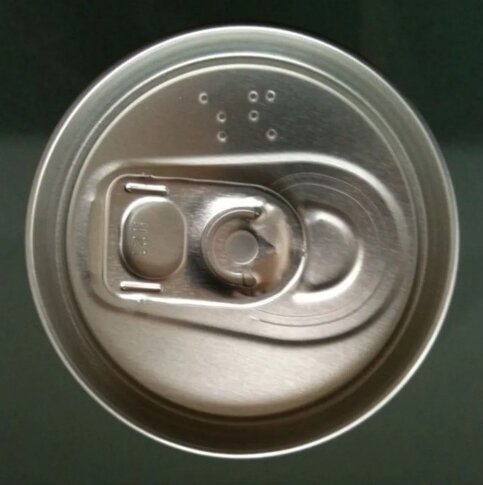
While the U.S. primarily sells beer and soda in aluminum cans, Japan uses these cans for a wide range of beverages. Recognizing that many people are prone to alcohol flush reaction, a genetic sensitivity to alcohol, Japanese companies wanted to assist visually impaired consumers in identifying alcoholic drinks. As a result, some cans now feature braille on their tops, allowing people to distinguish beer or other alcoholic beverages before drinking.
However, there is no standardized approach across brands. Some companies emboss “beer,” others “alcohol,” and some simply display the product’s name, making it inconsistent. While braille labels are a helpful step, they do not completely solve the problem for all visually impaired consumers. Nevertheless, this innovation reflects Japan’s attention to accessibility and thoughtful product design, even if the system still has room for improvement.