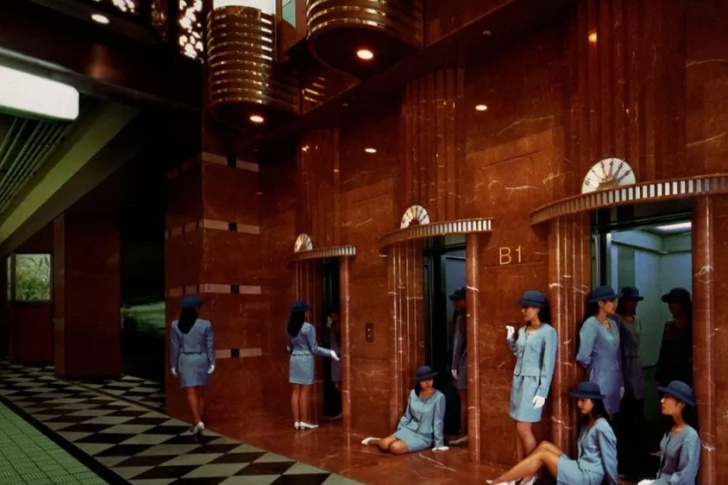
DEPARTMENT STORE ELEVATOR GIRLS
After a significant renovation, a Tokyo department store reopened in 1929 with several modern features, including air conditioning, mail services, and the introduction of charming female elevator operators. These elevator girls assisted customers by answering questions, managing the elevator controls, and ensuring the doors didn’t close too quickly. Their presence combined functionality with a touch of elegance, becoming an iconic part of the shopping experience at the time.
Today, elevator girls have largely fallen out of fashion, with only four stores in Japan still employing them. Visitors from abroad often find their high-pitched voices irritating, yet these tones were practical in bustling, noisy environments. The role reflects both the dedication to customer service and the unique cultural flair of Japanese department stores. Though rare now, the memory of elevator girls continues to evoke a nostalgic image of early 20th-century retail sophistication.
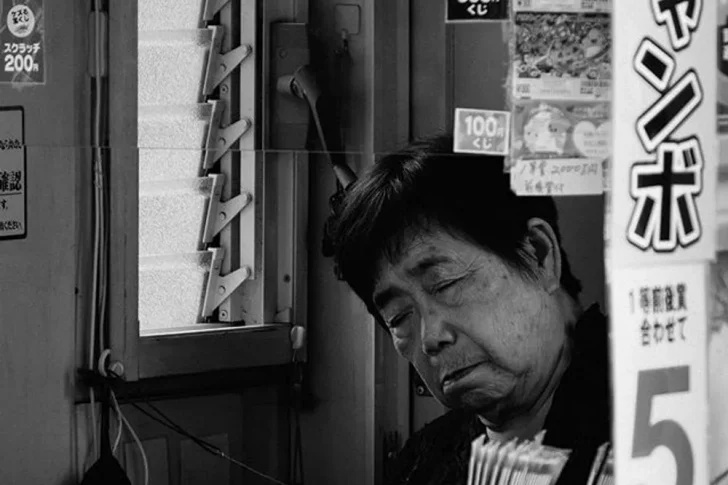
DON’T FORGET TO SLEEP ON THE JOB
The Japanese tradition of inemuri, or “sleeping while present,” has been around for at least a thousand years. This practice isn’t about laziness; it’s about conserving energy and maintaining focus. Taking a brief nap after working hard demonstrates commitment and respect for one’s duties. Inemuri allows individuals to rest while still showing their dedication, balancing personal well-being with professional responsibility.
Remarkably, falling asleep during meetings is not frowned upon. On the contrary, a short nap on the job can even earn admiration from supervisors, signaling diligence and endurance. Inemuri highlights a uniquely Japanese approach to work culture—where proper rest is seen as a tool for productivity rather than a sign of weakness. This practice reflects the value placed on maintaining energy, focus, and presence in both professional and social settings.