ALL THINGS ARE SOLD IN VENDING MACHINES
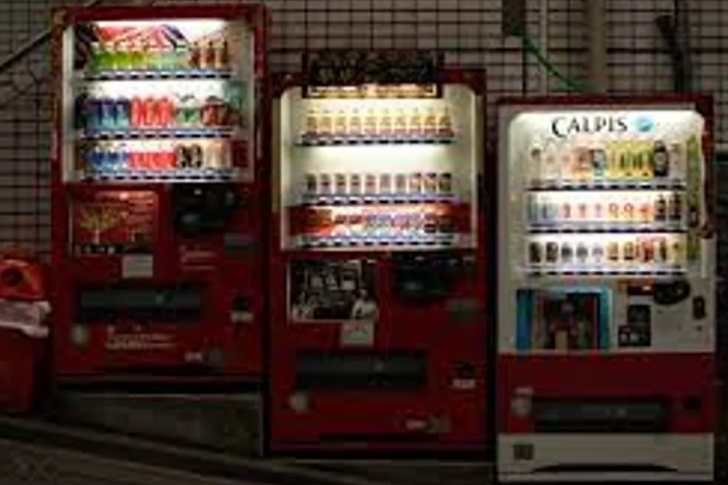
In Japan, vending machines sell almost everything imaginable—from drinks and snacks to newspapers and personal care items. Some even take the bizarre step of offering used women’s underwear. When these automated dispensers first appeared in 1993, many shop owners were skeptical and opposed their spread. Yet despite initial resistance, vending machines quickly became a staple of Japanese urban life. By 2014, there was roughly one vending machine for every 33 people in the country, illustrating just how deeply embedded they had become in everyday routines.
For those who prefer precise numbers, there were about 3.8 million vending machines scattered across Japan. Their presence ranges from busy city streets to quiet rural corners, providing convenience around the clock. While some offerings are conventional, others are downright strange, reflecting a culture of novelty and accessibility. These machines have transformed how people purchase small items, turning simple transactions into a uniquely Japanese experience where almost anything can be obtained at the push of a button.
A SERIOUS LOVE OF MAYO
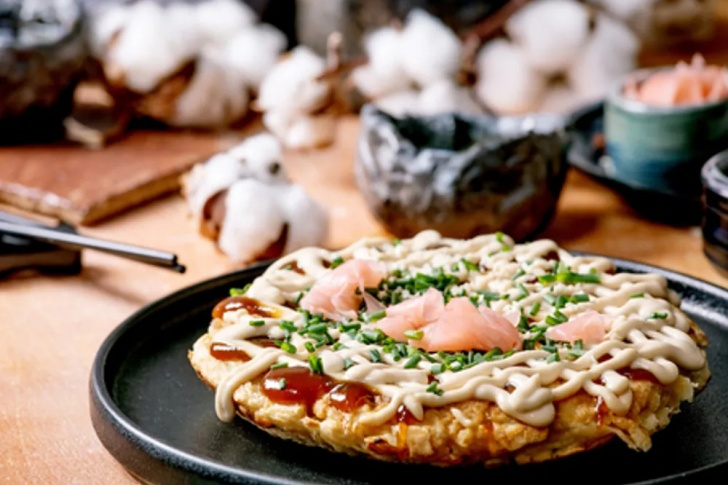
Mayonnaise became a significant part of Japanese cuisine in 1925, thanks to Toichiro Nakashima. After spending time in the United States, he believed that incorporating mayo into Japanese diets could help people grow taller, similar to Westerners. Upon returning home, he founded the Kewpie Corporation, tweaking the recipe by adding more eggs and a touch of apple vinegar for sweetness. Over time, this creamy condiment became a staple, appearing in dishes ranging from pasta and meats to sushi, pizza, and even desserts.
Today, mayonnaise’s popularity has inspired entire restaurant menus dedicated to it. Chefs experiment with it in creative ways, ensuring that no meal feels complete without a dollop of Kewpie’s signature flavor. Its versatility and distinctive taste have solidified its role in Japanese culinary culture, making it more than just a simple spread. From home kitchens to trendy eateries, mayonnaise has become an essential ingredient that reflects both tradition and innovation in Japan’s food scene.