// Style Guide
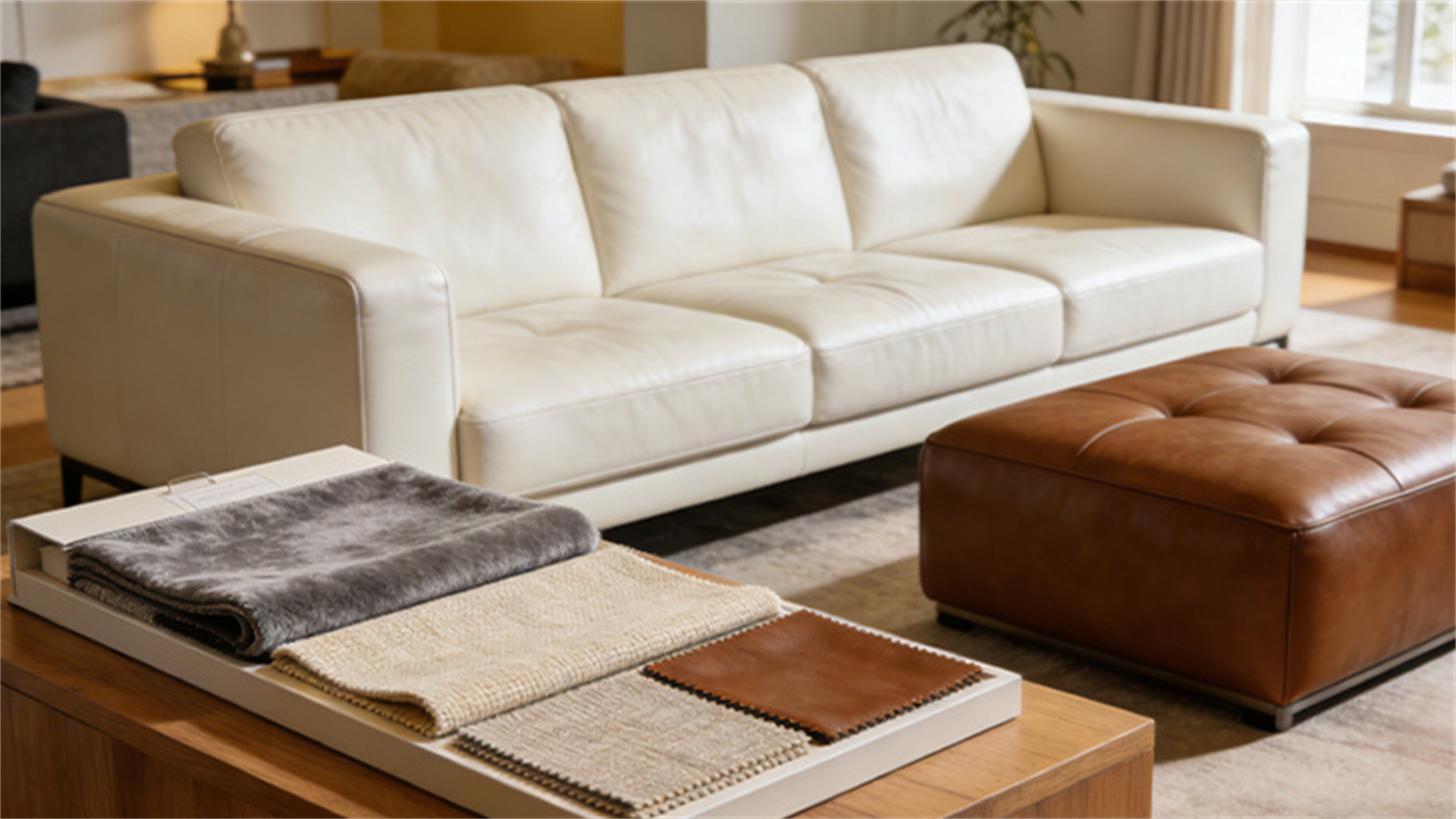
The Ultimate Guide to Durable Sofa Fabrics
Choosing a sofa is a significant investment, one that anchors a room's decor and endures years of daily life. While frame construction and cushion fill are crucial, the fabric you select is the frontline defense against wear, stains, and fading. It is the element you interact with daily, and its durability directly impacts the longevity and enjoyment of your furniture. Navigating the world of upholstery textiles can be overwhelming, with countless weaves, fibers, and finishes promising performance. This guide cuts through the complexity to provide a comprehensive overview of the most durable sofa fabrics, empowering you to make an informed choice that balances resilience, comfort, and style for your specific lifestyle. Understanding fabric durability begins with the concept of the Martindale or Wyzenbeek rub test. These tests mechanically rub fabric samples to simulate years of sitting and friction. For a sofa expected to handle daily use, a rating of 15,000 to 30,000 double rubs is considered good for residential settings, while anything above 30,000 is excellent and suitable for heavy-use family rooms or commercial spaces. However, durability isn't just about abrasion resistance; it encompasses pilling resistance, tensile strength, colorfastness, and cleanability. The fiber content—whether natural, synthetic, or a blend—forms the foundation of all these properties, dictating how the fabric will behave over time.
Life Picks

Sleep as Medicine: Designing Your Perfect Pre-Bed Ritual for Deep Restoration
In our relentless pursuit of productivity and health, we often overlook the most potent, freely available medicine we possess: sleep. It is not merely a passive state of rest but an active, complex physiological process essential for cellular repair, memory consolidation, immune function, and emotional regulation. Yet, for many, high-quality, restorative sleep remains elusive. The key to unlocking its profound healing power often lies not in the sleep itself, but in the deliberate, wind-down period that precedes it. A pre-bed ritual is the bridge we build between the chaos of the day and the sanctuary of the night. By consciously designing this ritual, we stop treating sleep as an afterthought and start wielding it as a targeted tool for deep restoration. This is not about rigid rules, but about crafting a personalized sequence of calming cues that signal to your brain and body that it is time to shift from survival mode into repair mode. papa
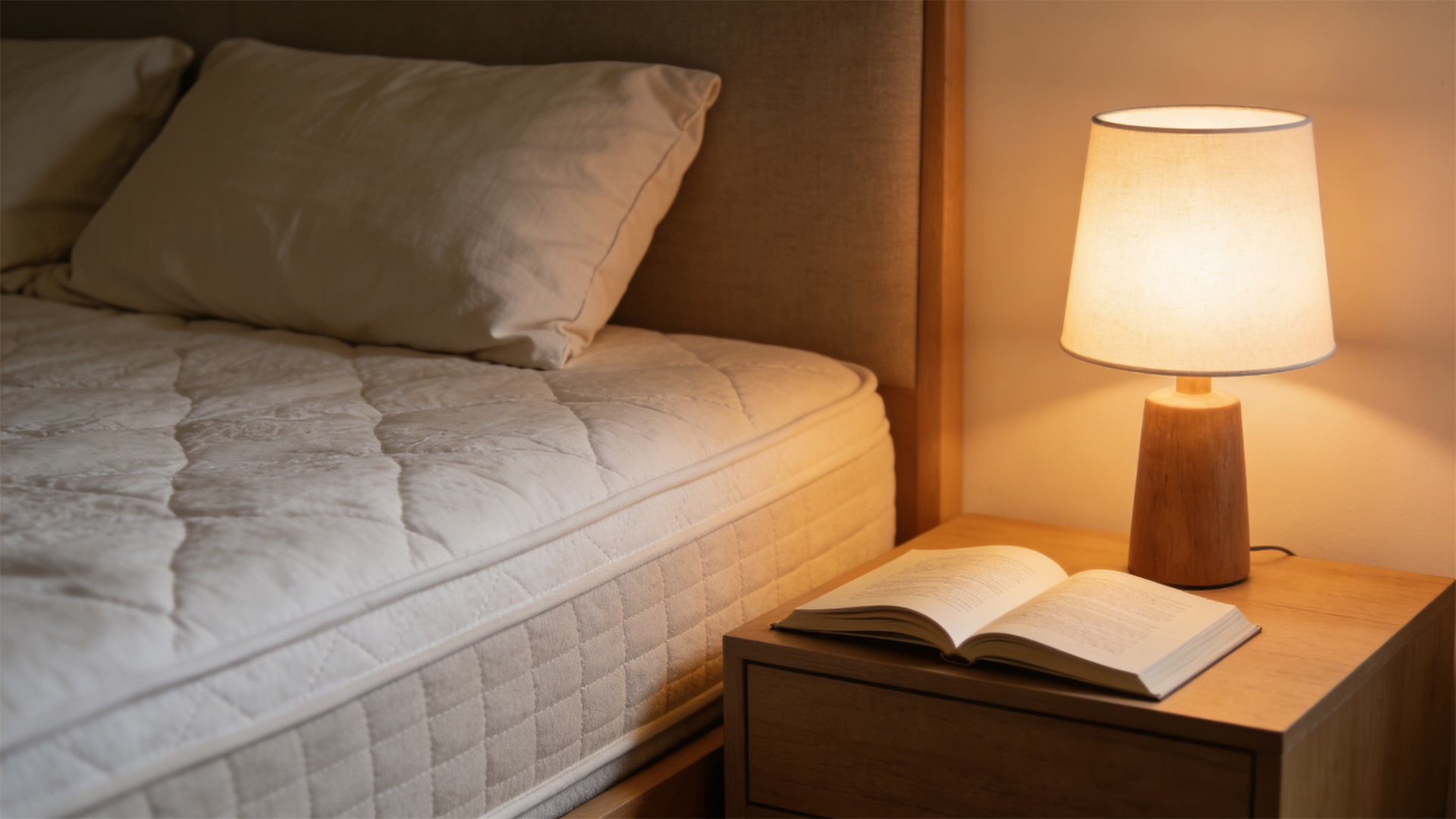
Mattress Shopping 101: How to Find Your Perfect Sleep Surface Without the Hype
Let's be honest: shopping for a new mattress can feel overwhelming. You're bombarded with aggressive online ads for "revolutionary" bed-in-a-box brands, faced with a sea of confusing industry jargon in showrooms, and confronted by prices that range from suspiciously cheap to astronomically high. It's easy to get lost in the marketing noise and forget that you're simply looking for a comfortable place to sleep. This guide cuts through the hype, focusing on a practical, research-backed approach to finding a mattress that truly suits your body, sleep style, and budget. Forget the fluff; let's talk about what actually matters for a restful night. Your journey begins with understanding the fundamental landscape. Mattresses are generally built around a few core support systems: innerspring, all-foam (including memory foam and latex), and hybrid, which combines coils with foam or latex layers. Innerspring mattresses, with their traditional coil systems, offer a classic, bouncy feel and strong edge support, often at a lower price point. All-foam mattresses excel at motion isolation and contouring pressure relief, making them ideal for couples or side sleepers with achy joints. Latex foam, either natural or synthetic, provides a responsive, buoyant feel that is cooler and more breathable than traditional memory foam. Hybrids aim to offer the "best of both worlds": the targeted support and cooling airflow of coils with the pressure relief and motion isolation of a foam comfort layer. Don't get swayed by a single material's marketing; the interaction of these layers creates the overall feel.
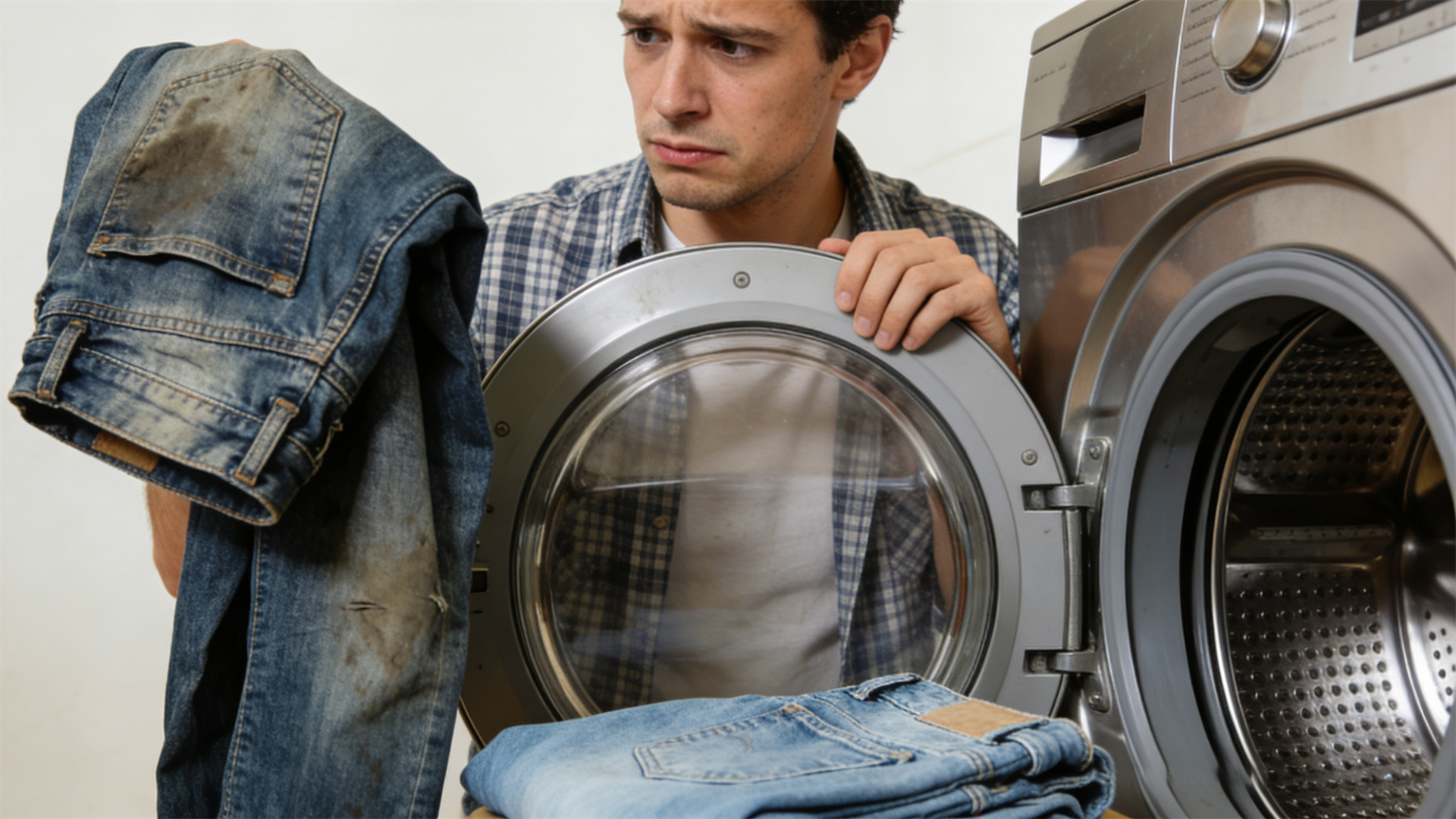
The Denim Dilemma: To Wash or Not to Wash? A Guide to Jeans Care
Jeans are more than just a wardrobe staple; they are a symbol of style, durability, and personal expression. Yet, caring for them often sparks a heated debate: should you wash your jeans frequently to keep them clean, or avoid washing to preserve their color and fit? This dilemma isn't just about laundry habits—it's about extending the life of your favorite pair while maintaining their unique character. In this guide, we'll dive deep into the nuances of jeans care, drawing insights from popular international fashion and lifestyle websites. Whether you're a denim purist or a casual wearer, this comprehensive article will provide practical tips and expert advice to help you navigate the washing conundrum and keep your jeans looking their best for years to come. One of the core reasons behind the jeans care debate is the impact of washing on denim's fabric and appearance. Denim, typically made from cotton twill, undergoes a dyeing process that gives it its iconic indigo hue. Frequent washing can cause this dye to fade prematurely, leading to a loss of that rich, deep color many jeans enthusiasts cherish. Moreover, washing and drying cycles can break down the fibers over time, reducing the jeans' structural integrity and causing them to wear out faster. Beyond aesthetics, excessive washing may alter the fit and shape of jeans, as the fabric can shrink or stretch inconsistently. This is especially true for raw or unwashed denim, which is designed to mold to the wearer's body over time. By understanding these effects, you can appreciate why so many people advocate for minimal washing, viewing it as a way to maintain the jeans' authenticity and longevity.
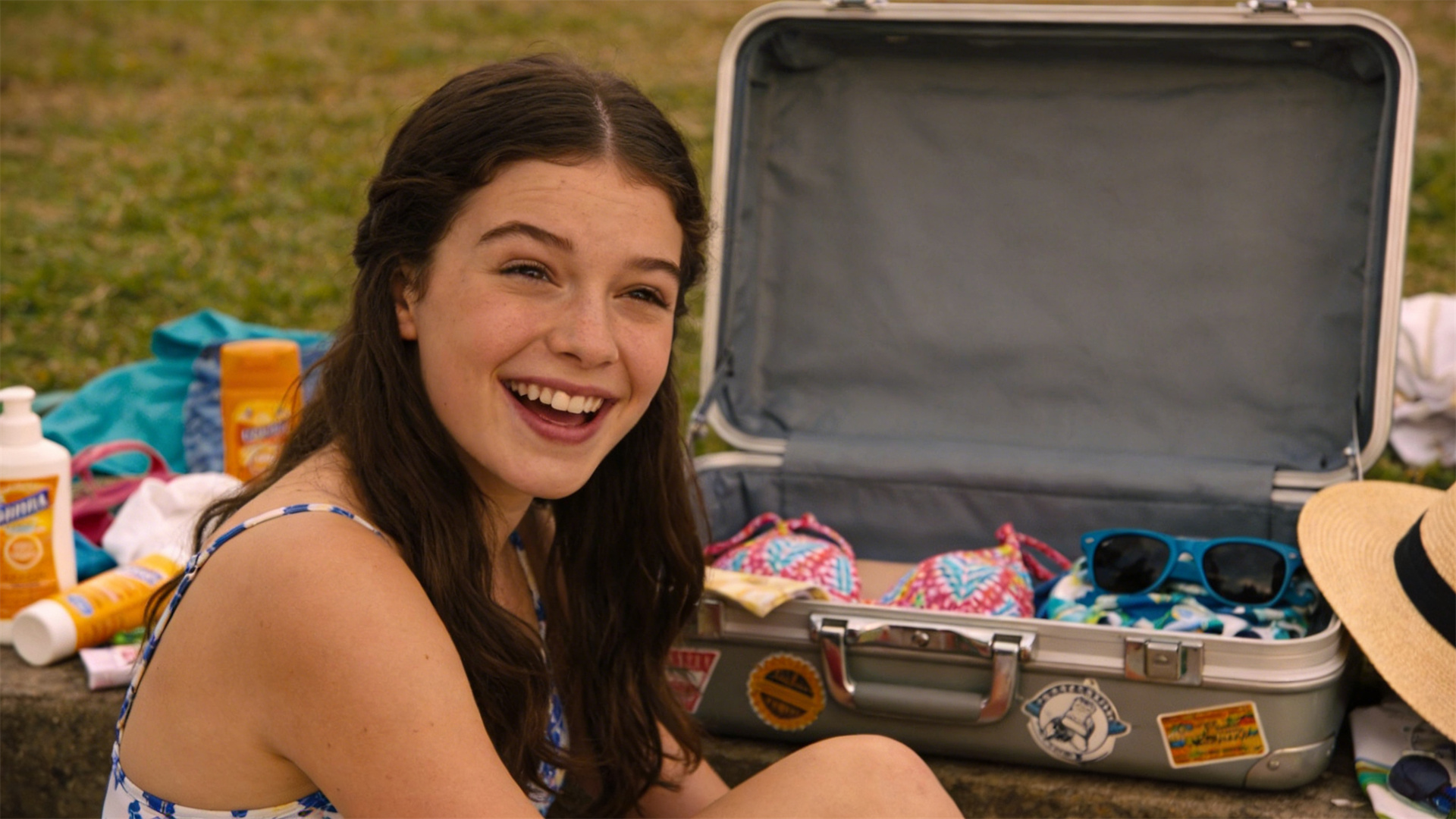
Beach Vacation Packing: Beyond the Swimsuit
You’ve booked the flights, secured the beachfront rental, and your favorite swimsuit is ready to go. But if your packing list starts and ends with swimwear, you’re setting yourself up for a vacation that’s less "relaxing paradise" and more "unexpected hassle." The perfect beach trip is built on the essentials that live *outside* your beach bag—the items that ensure comfort, safety, and seamless enjoyment from sunrise strolls to sunset cocktails. Let’s dive into the often-overlooked essentials that will elevate your next sandy escape. While your swimsuit is your uniform, sun protection is your non-negotiable armor. This goes far beyond a single bottle of sunscreen. Think in layers: a high-SPF, broad-spectrum, water-resistant sunscreen is your base. Pack more than you think you’ll need—a family of four can easily go through a bottle in a day. Complement this with a quality lip balm with SPF, which is crucial and often forgotten. Next, consider physical barriers. A wide-brimmed hat isn’t just stylish; it protects your scalp, face, and neck. UV-protection sunglasses safeguard your eyes from glare and harmful rays. For extended time in intense sun, a lightweight, long-sleeved UPF (Ultraviolet Protection Factor) shirt is a game-changer, especially for sensitive skin or during peak sun hours.