ILLOGICAL HOUSE NUMBERS
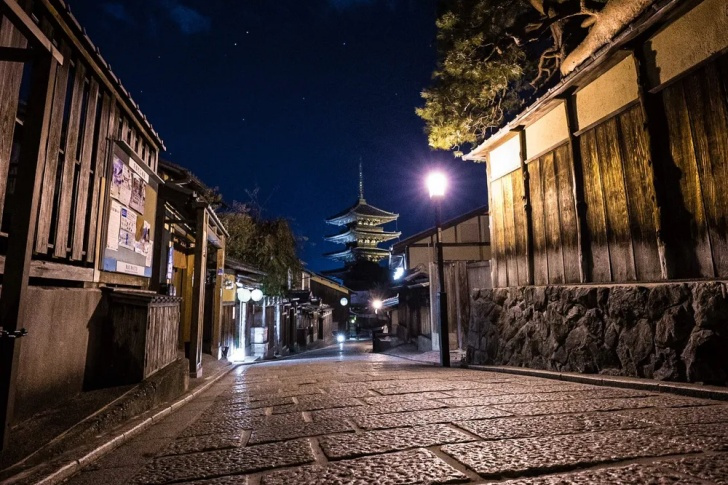
In many countries, including the U.S., street names and house numbers make finding locations straightforward. In Japan, however, the system can seem confusing to outsiders. Before cities and towns adopted grid-like layouts, buildings were constructed in a more independent, organic fashion. As a result, house numbers are assigned based on the building’s age rather than its position on the street.
This means older structures have lower numbers, while newer constructions receive higher ones. Consequently, building number five might sit between buildings eight and fourteen, defying typical numerical order. While unusual, this system reflects the historical development of Japanese neighborhoods and offers a glimpse into the country’s unique approach to urban planning, even if it leaves visitors scratching their heads.
ADORABLE CONSTRUCTION BARRIERS
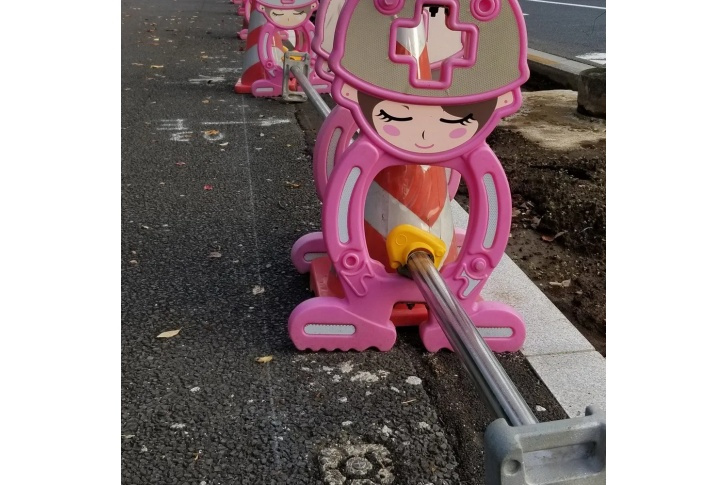
Construction zones are rarely attractive, with machinery, tools, and barriers cluttering the area. In Japan, however, the construction industry decided to transform this visual experience. Instead of dull, utilitarian barriers, Japanese sites often feature cute, whimsical designs that lighten the atmosphere. These playful touches stand in stark contrast to the standard orange-and-white cones commonly seen in countries like the U.S.
While these charming barriers don’t speed up construction or improve efficiency, they do make the environment more pleasant for pedestrians and passersby. By adding personality and creativity to otherwise mundane sites, Japan turns a typically stressful urban disruption into something unexpectedly delightful. This approach reflects a cultural emphasis on aesthetics and mindfulness, even in everyday infrastructure projects.