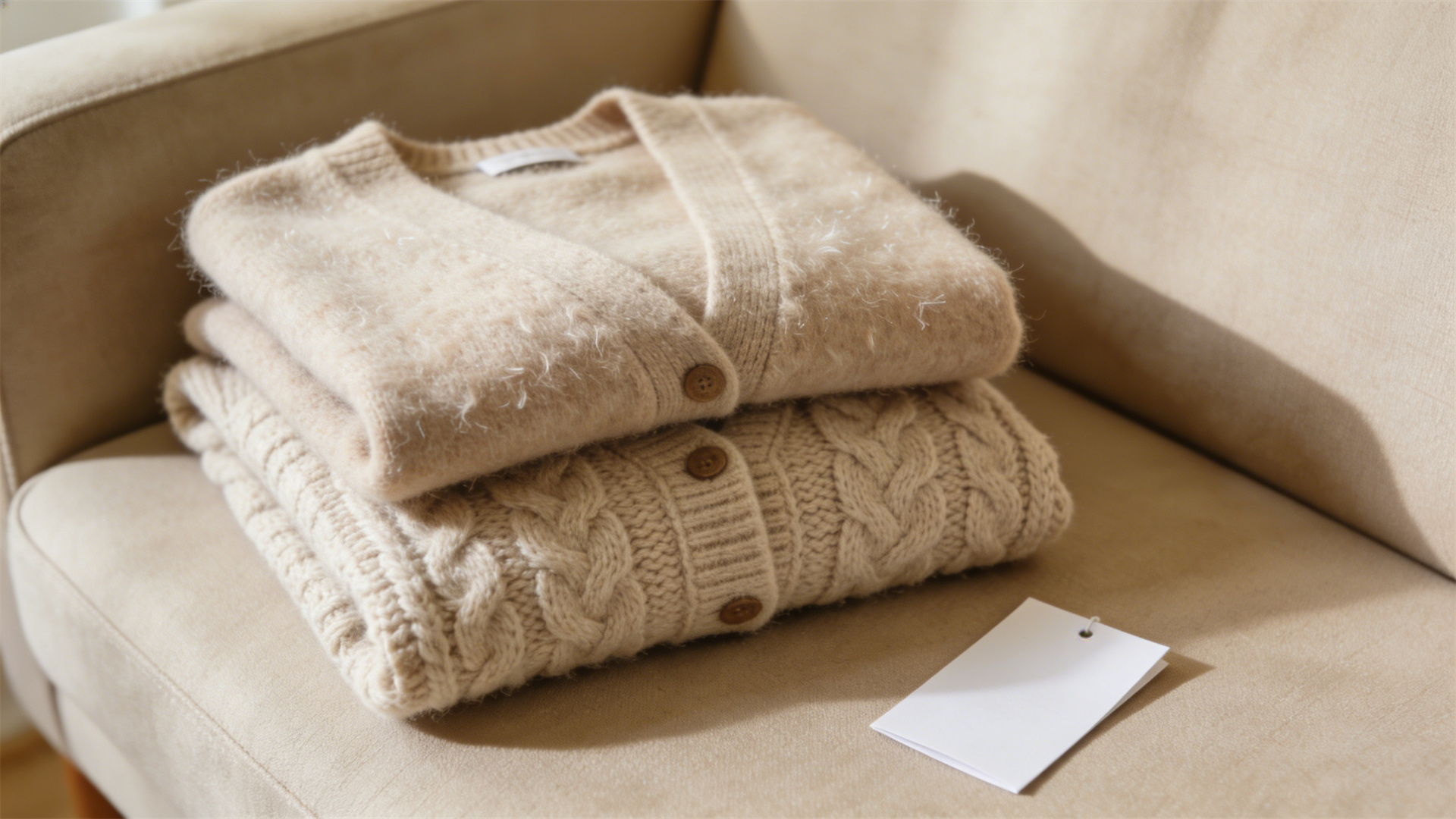
There's nothing quite like the luxurious feel and timeless style of wool and cashmere knits. From cozy sweaters to elegant wraps, these natural fibers offer unparalleled warmth, breathability, and softness. However, their delicate nature often leads to anxiety about proper care. Fear not—with the right knowledge and techniques, you can protect your investment and keep your favorite pieces looking pristine season after season. This guide delves into the essential practices that will extend the life and beauty of your wool and cashmere garments.
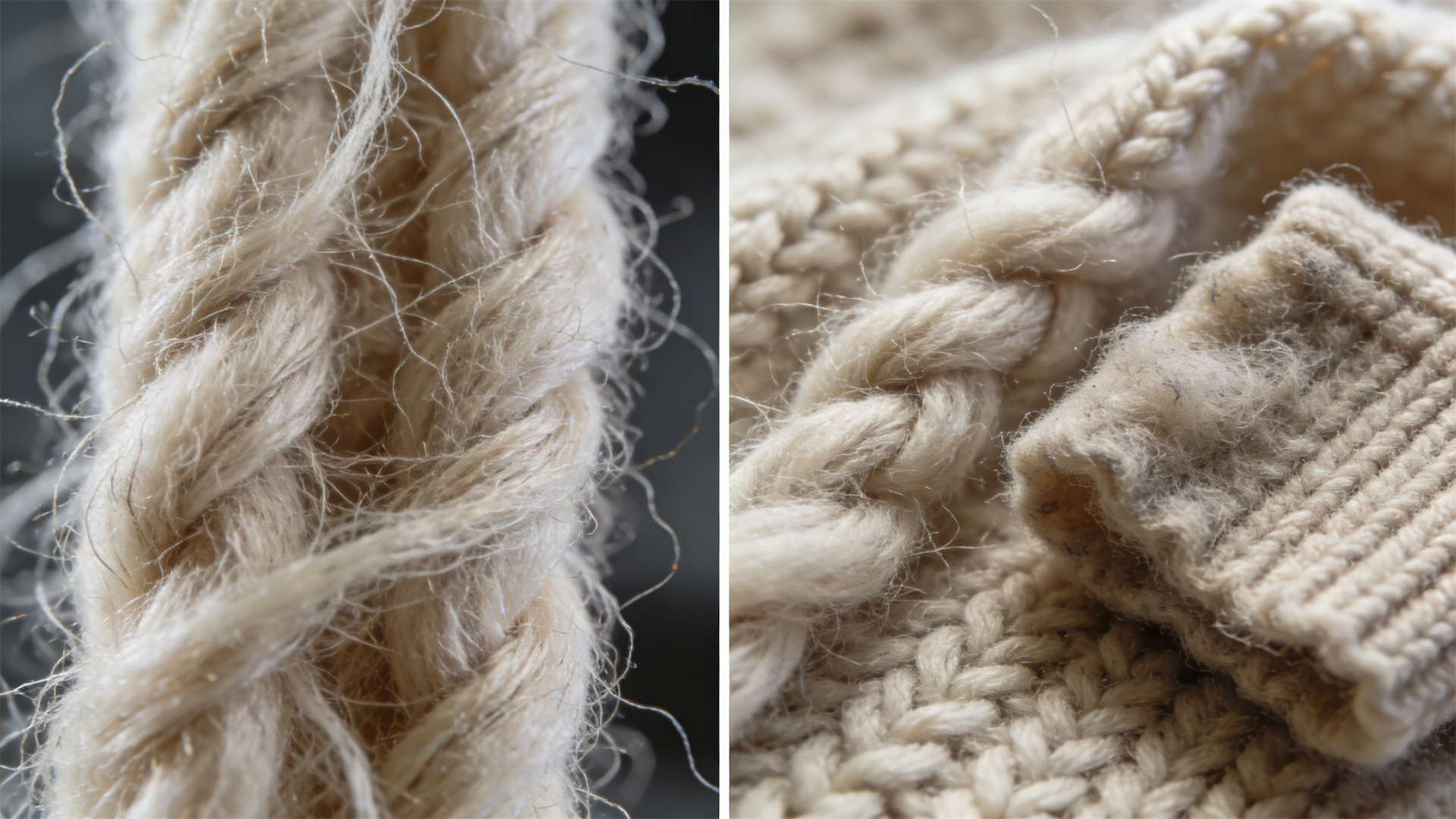
Understanding the nature of the fibers is the crucial first step in caring for them. Wool, sourced from sheep, is resilient, elastic, and naturally water-resistant. Cashmere, from the undercoat of goats, is finer, lighter, and exceptionally soft but also more delicate. Both are protein-based fibers that can be damaged by harsh treatment, extreme temperatures, and improper chemicals. The outer layer of each fiber has microscopic scales. Aggressive washing or drying causes these scales to lock together, leading to felting—the irreversible shrinking and hardening of the fabric. Gentle care is designed to smooth these scales back down, maintaining the fabric's integrity and hand-feel.
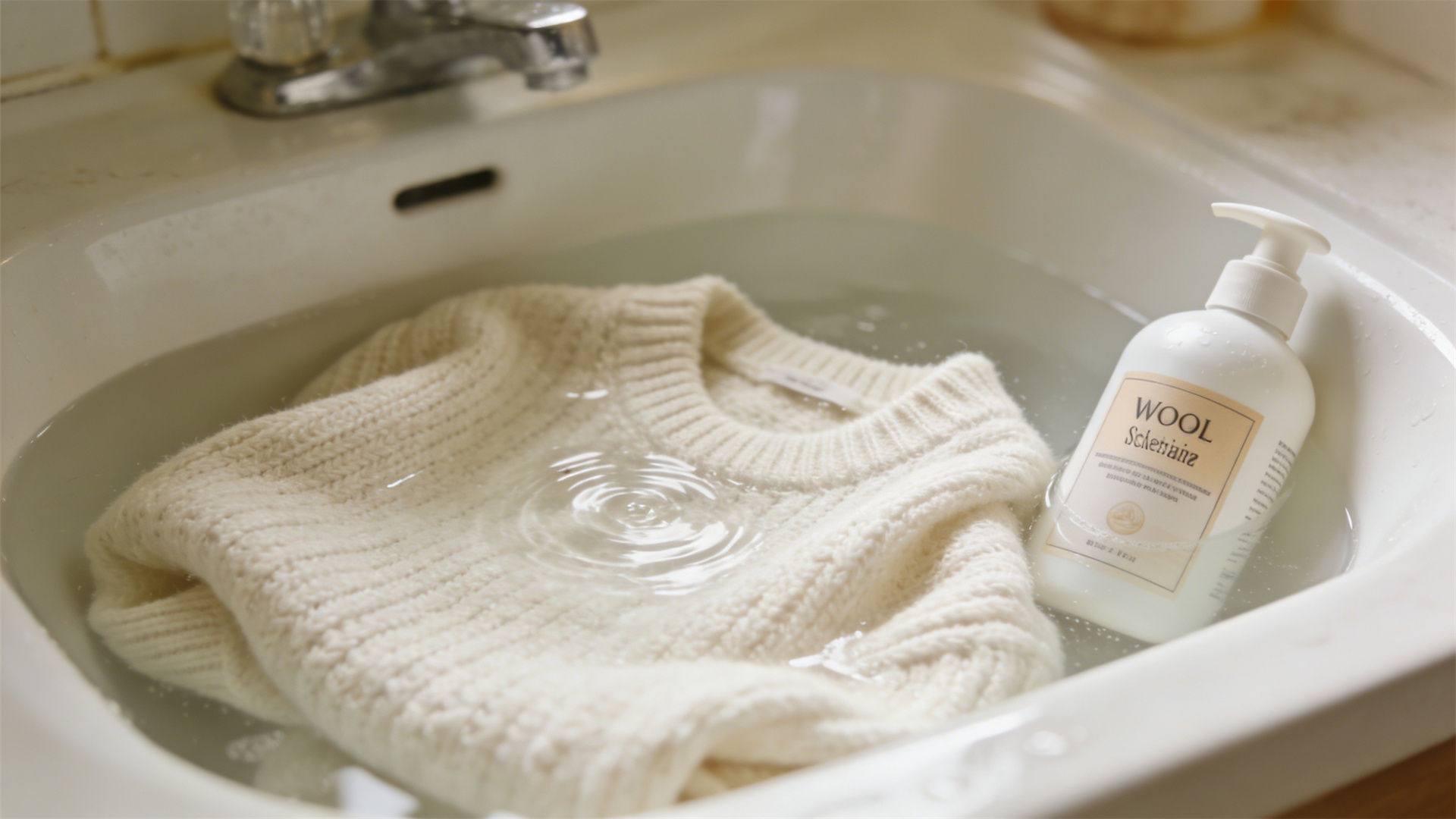
Hand-washing is, without a doubt, the gold standard for cleaning wool and cashmere. Always begin by checking the care label, but for most high-quality pieces, hand-washing is recommended. Fill a clean basin or sink with lukewarm water—never hot, as extreme heat causes shrinkage. Use a dedicated wool wash or a mild, pH-neutral detergent; regular laundry detergents are often too alkaline and can strip the fibers of their natural oils, leaving them harsh and brittle. Gently submerge the garment and swish it around without pulling, wringing, or rubbing. For stubborn spots, carefully dab with a diluted soap solution. Let it soak for 10-15 minutes, then rinse thoroughly with cool water of a similar temperature until the water runs clear.
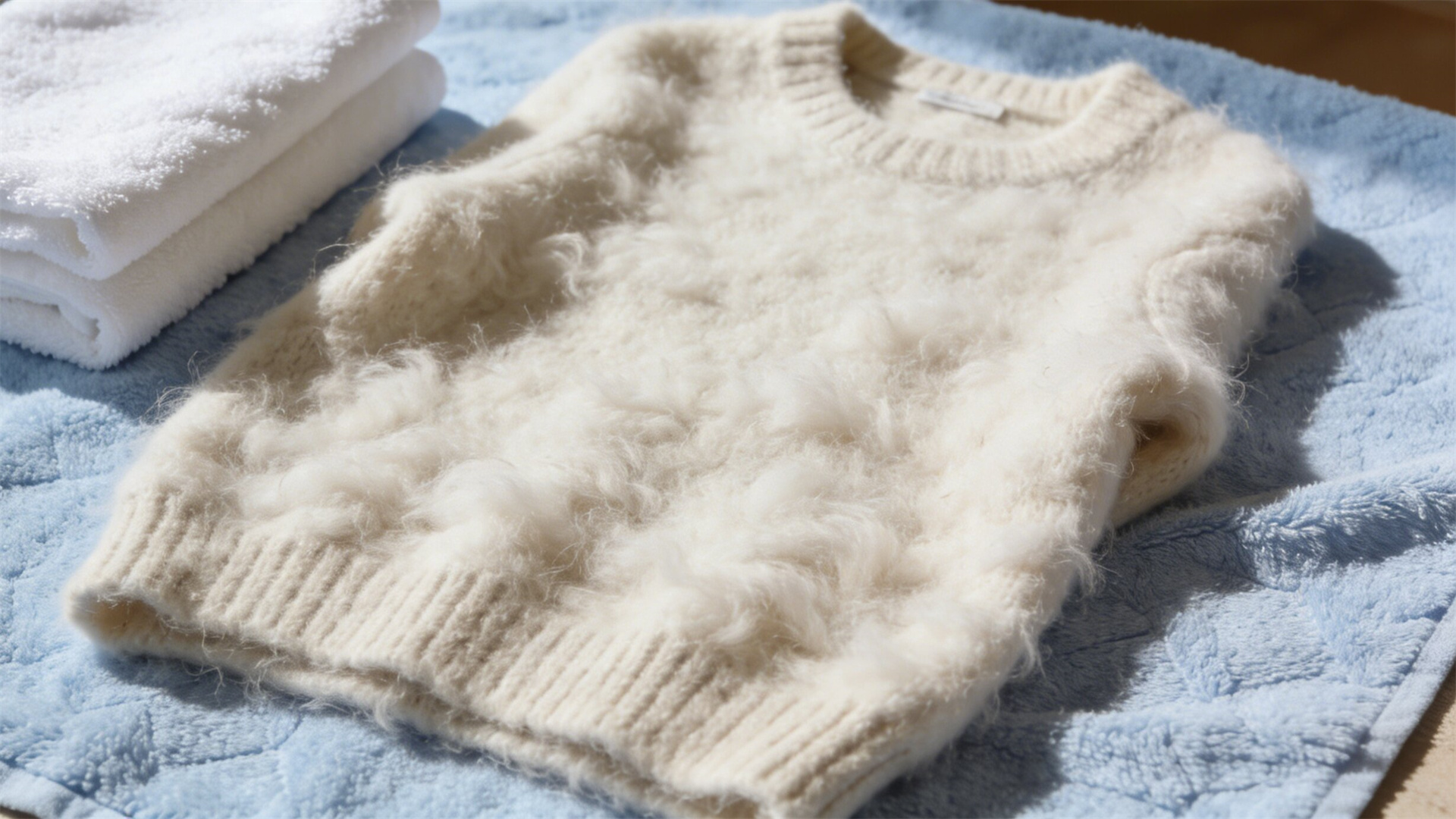
The drying process is just as critical as washing. Never, under any circumstances, wring out a wool or cashmere knit. This stretches the fibers out of shape permanently. Instead, gently press the water out by rolling the garment in a clean, absorbent towel. Lay it flat on a fresh, dry towel or a specialized drying rack, reshaping it to its original dimensions. Pay attention to the neckline, sleeves, and length. Always dry your knits away from direct sunlight or heat sources like radiators, which can cause fading, brittleness, and further shrinkage. Allow them to air dry completely, which may take 24-48 hours.
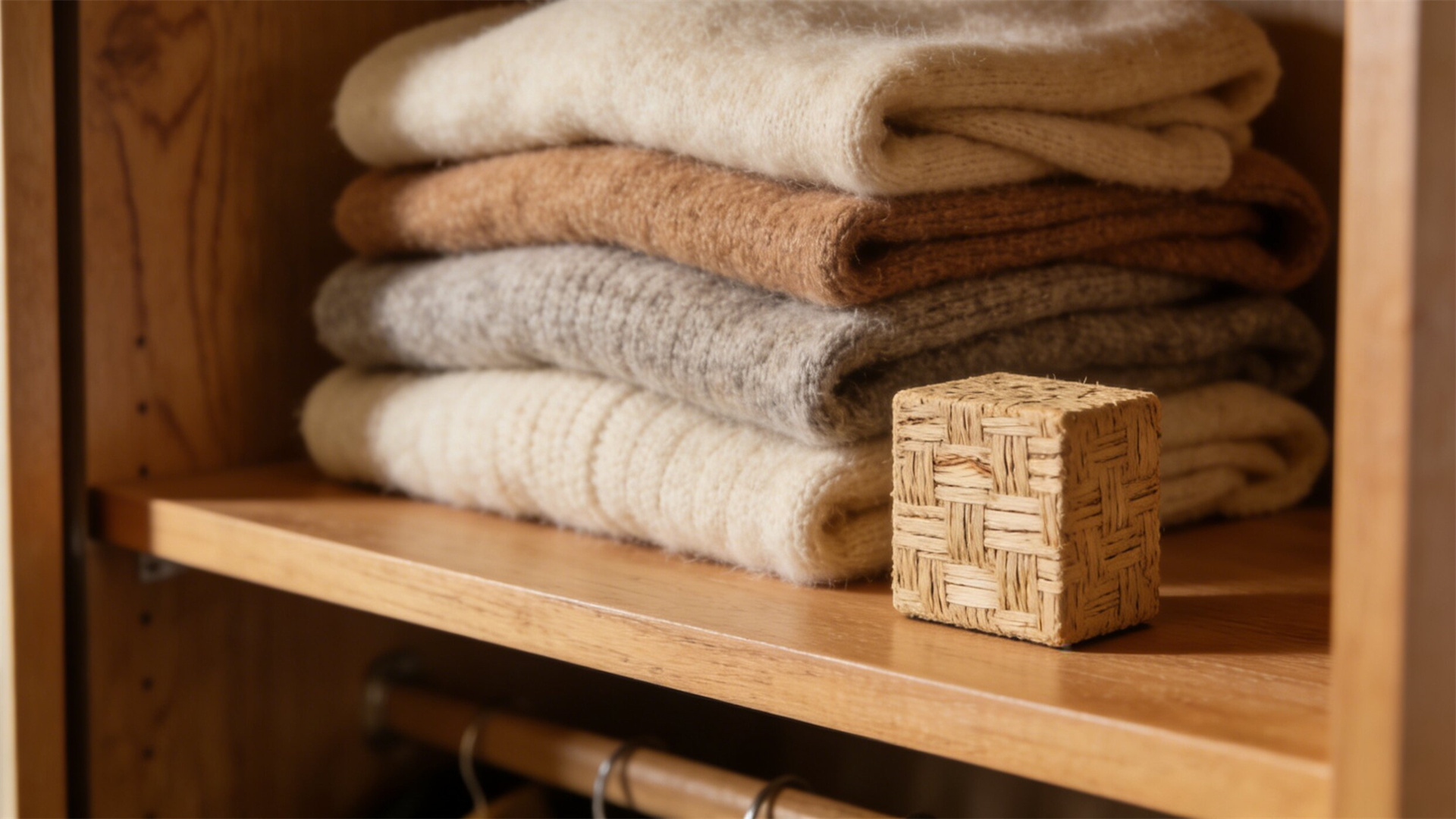
Proper storage is your best defense against moths and deformation. Always ensure garments are completely clean before storing, as moths are attracted to oils and food residues. For short-term storage, folding is preferable to hanging. Hanging can cause knits to stretch under their own weight, leading to misshapen shoulders and elongated bodies. Use padded or wide wooden hangers if you must hang them, but folding is safest. Store them in a cool, dry, and well-ventilated place. To protect against moths, use natural cedar blocks or lavender sachets instead of chemical mothballs, which can leave a persistent odor in the fibers.
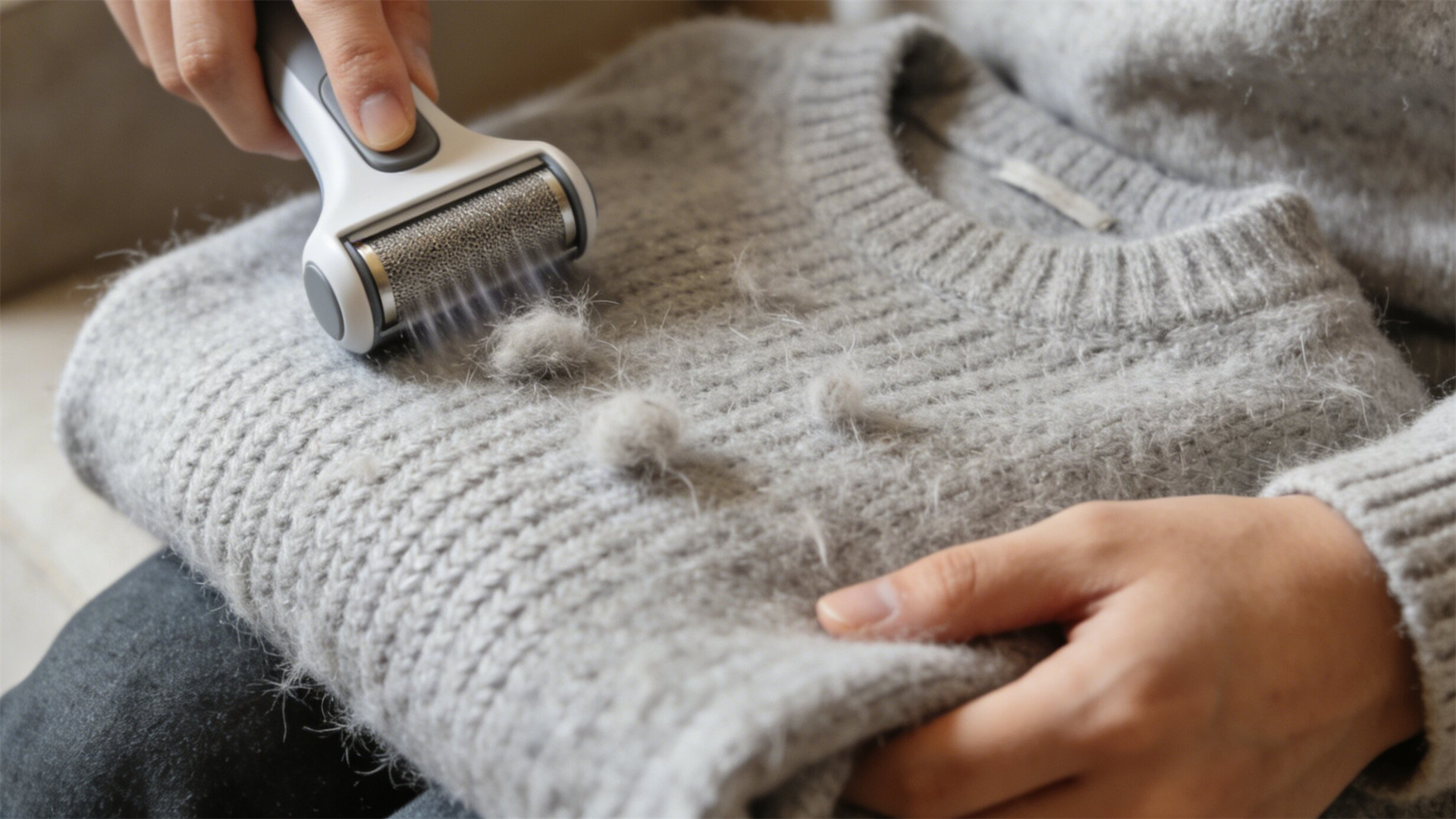
Even with meticulous care, wool and cashmere can develop pills—those tiny, fuzzy balls on the fabric surface. Pilling is not a sign of poor quality; it's a natural result of friction on any soft, spun fiber. Cashmere, due to its fineness, is particularly prone to pilling, especially in high-friction areas like underarms and sides. The key is regular, gentle maintenance. Use a specialized fabric shaver, cashmere comb, or even a fine-tooth disposable razor to carefully remove pills. Never pull them off by hand, as this can pull threads and damage the weave. A quick de-pilling session before or after the season keeps your knits looking fresh and new.
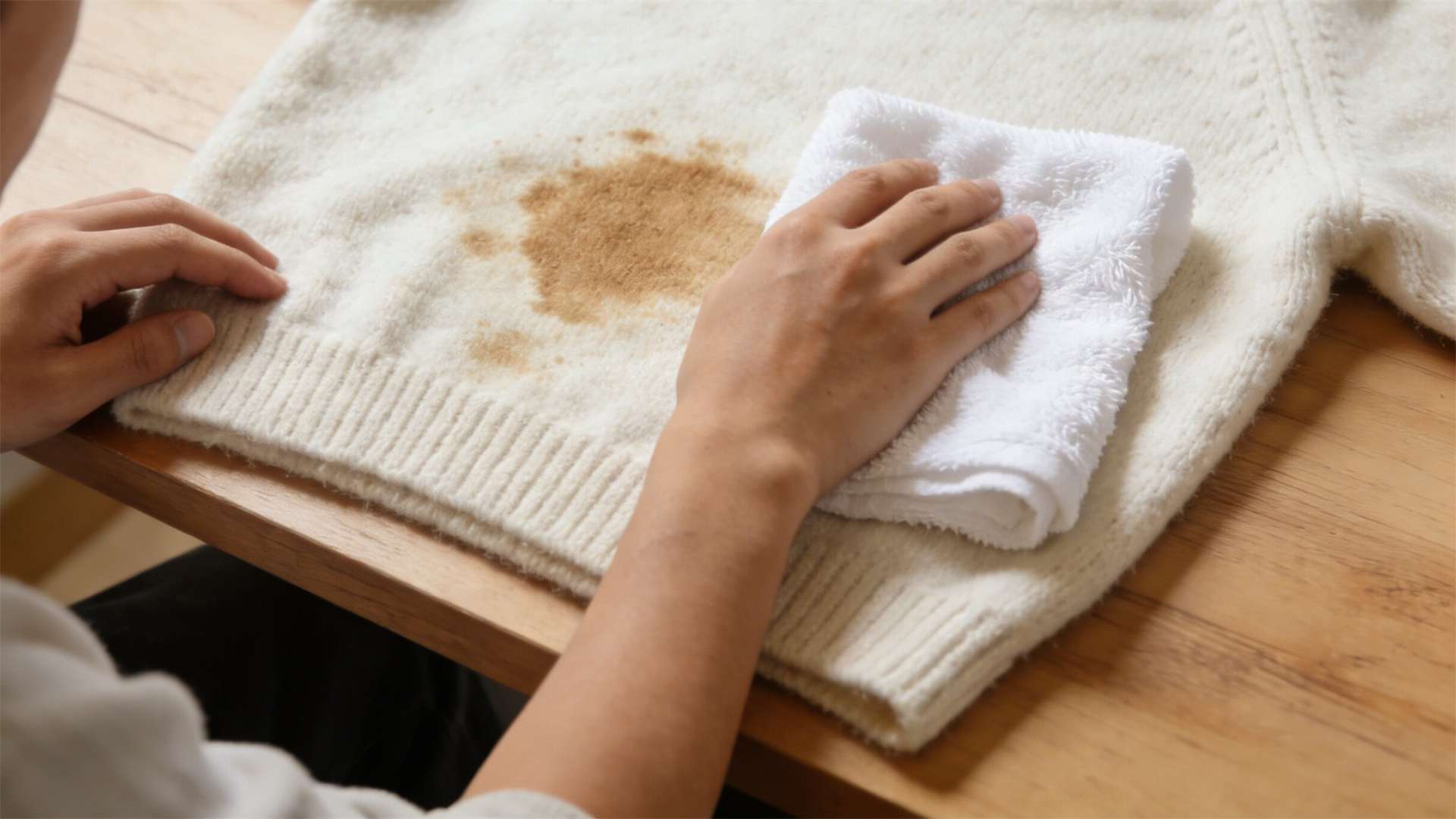
Addressing stains and odors requires a delicate touch. For food or drink spills, immediately blot—do not rub—the area with a clean, absorbent cloth. Rubbing pushes the stain deeper into the fibers. If washing is not immediately possible, a light dab with cool water can help. For odors like smoke or cooking smells, airing the garment outside in a shaded, breezy spot is often sufficient. Avoid febreeze or strong perfumes. For a deeper refresh between washes, you can lightly steam the garment or use a specialized fabric freshener designed for delicate fibers. Remember, heat is the enemy, so keep steamers at a moderate setting and avoid direct contact.
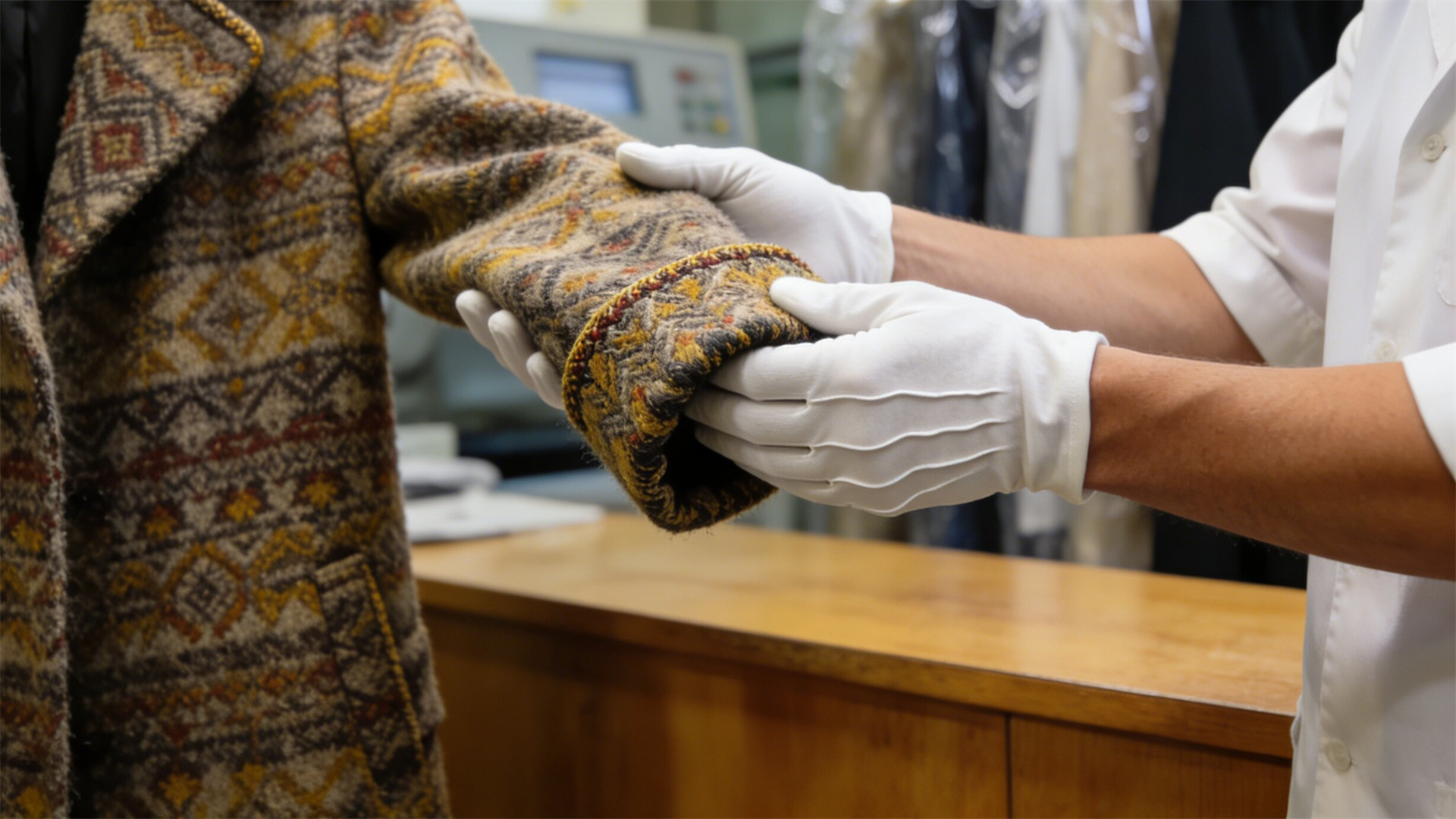
Knowing when to seek professional help is part of smart care. For large, set-in stains, significant repairs, or garments with intricate construction (like lined coats or tailored blazers), professional dry cleaning is a wise choice. Look for a cleaner experienced with fine wools and cashmere, and communicate any specific concerns. However, dry cleaning should not be the default for regular cleaning, as the chemical solvents can, over time, degrade the natural oils in the fibers. Use it as a targeted solution for problems beyond routine maintenance.
By embracing these mindful care rituals, you transform maintenance from a chore into an act of preservation. Your wool and cashmere knits are not merely items of clothing; they are enduring pieces of comfort and style. Treating them with the understanding and respect their fine fibers deserve ensures they remain soft, beautiful, and timeless companions in your wardrobe for countless winters to come. Investing time in proper care is the simplest guarantee that your favorite sweater will never lose its magic.