Choosing wood for a project—be it a hardwood floor, a cherished dining table, or a simple shelf—can feel like navigating a dense, ancient forest. The terminology is vast, the grain patterns varied, and the performance characteristics critical. This guide cuts through the complexity, decoding the defining qualities of the most common and beloved wood types to help you select the perfect material for your needs. From the stalwart classics to the exotic gems, understanding the story behind each species is the key to a successful build.
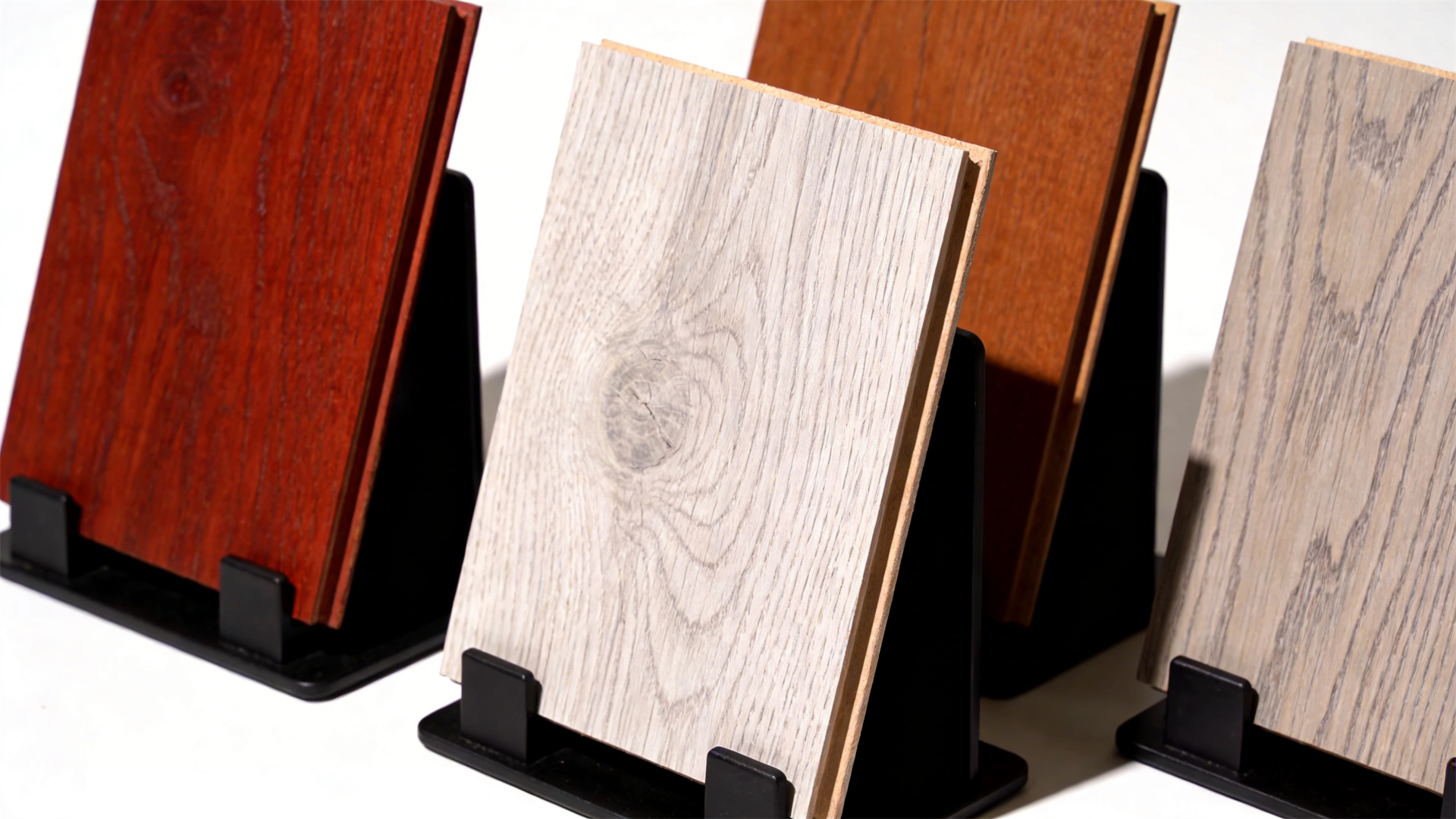
Oak stands as the undisputed king of hardwoods in the Western world, reigning supreme for centuries due to its unparalleled strength, attractive grain, and widespread availability. Primarily encountered in two varieties, Red Oak and White Oak, this wood is the go-to for furniture, cabinetry, and flooring. Red Oak, with its warm pinkish undertones and prominent, swirling grain pattern, is slightly softer and more porous. White Oak, favored for its superior moisture resistance, boasts a tighter grain, a greyish-brown hue, and the distinctive "ray flake" patterns seen in quarter-sawn boards, famously used in Mission-style furniture and whiskey barrels. Oak is exceptionally tough, machines well, and takes stain evenly, though its prominent grain always shows through, making it impossible to achieve a perfectly uniform, paint-like finish. It is a wood that communicates durability and tradition, a reliable workhorse that has earned its place in countless homes.
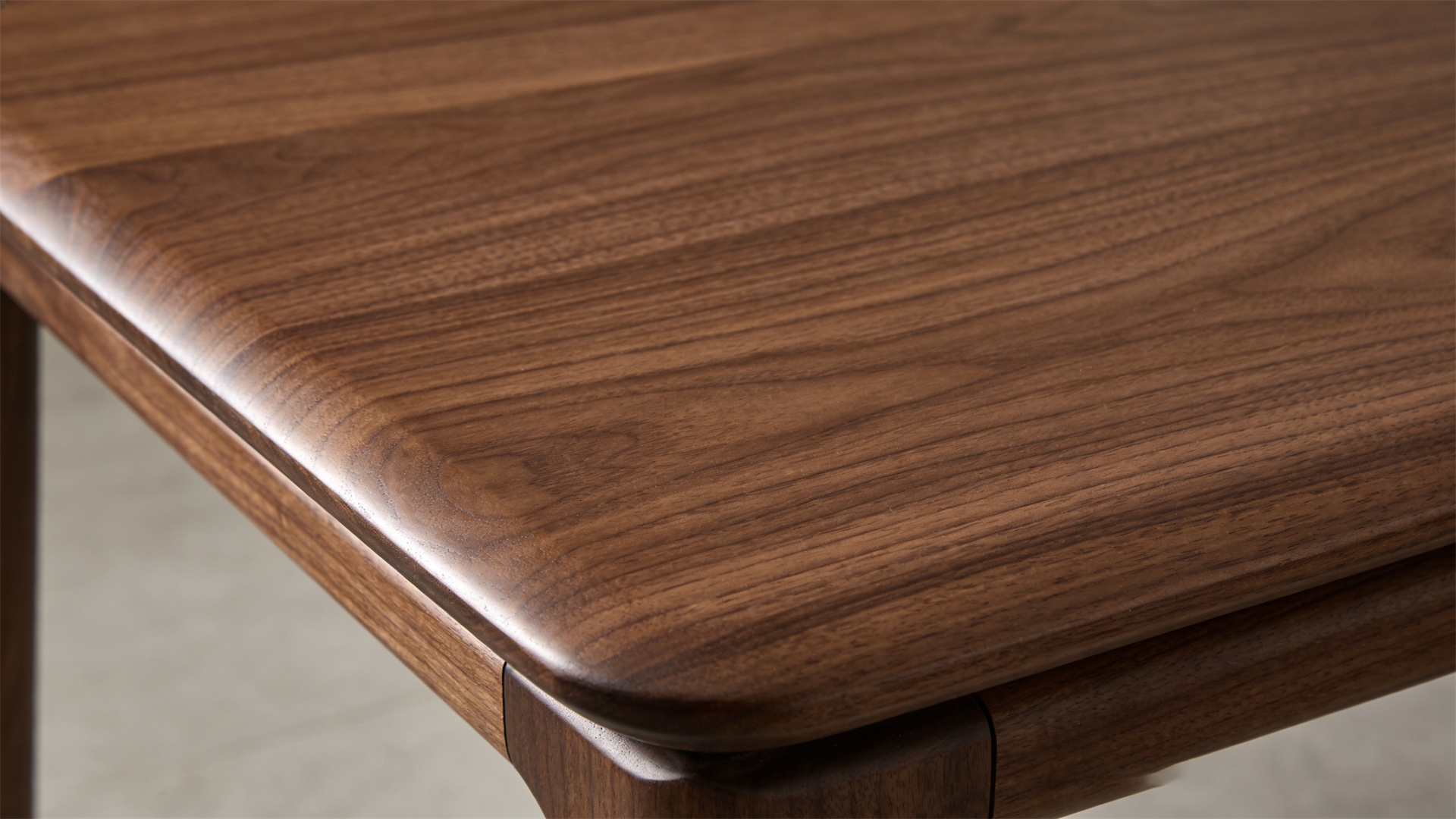
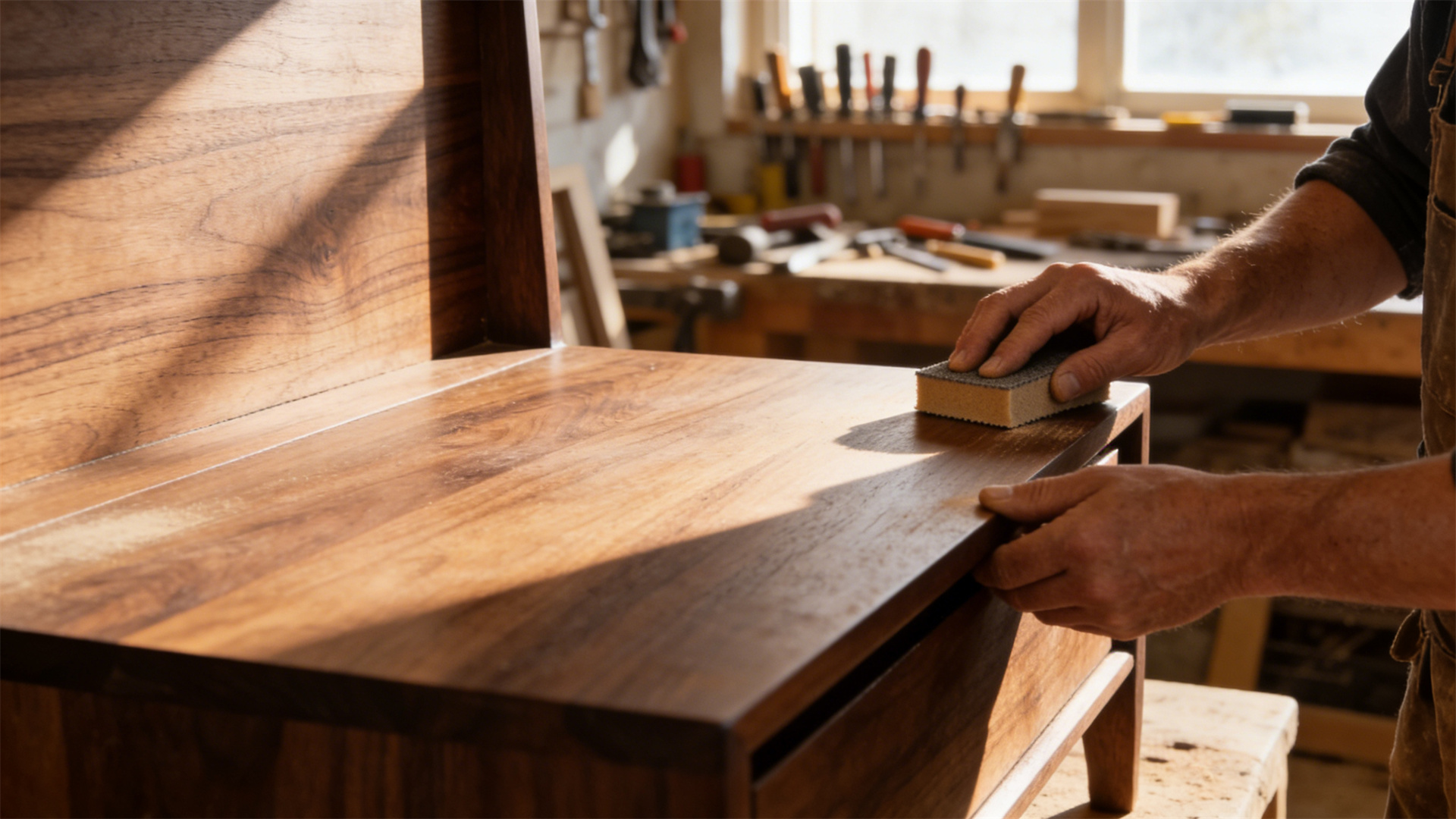
Walnut is the aristocrat of domestic hardwoods, prized for its rich, decadent color and sophisticated presence. American Black Walnut heartwood ranges from a deep, chocolate brown to a purplish-grey, often with stunning variations and lighter sapwood edges that are either incorporated for contrast or removed. Its grain is typically straight but can be wavy or curly, offering a lustrous, almost creamy texture when sanded smooth. Walnut is a softer hardwood than oak, making it a joy to work with hand tools, but it is still plenty durable for furniture. Its greatest allure is its natural finish; while it can be stained, many woodworkers choose simply to apply oil or a clear coat to allow its inherent beauty to shine. Walnut darkens gracefully with age, mellowing to a silvery patina if left exposed to sunlight. It is the choice for heirloom-quality pieces where depth of character and visual warmth are paramount.
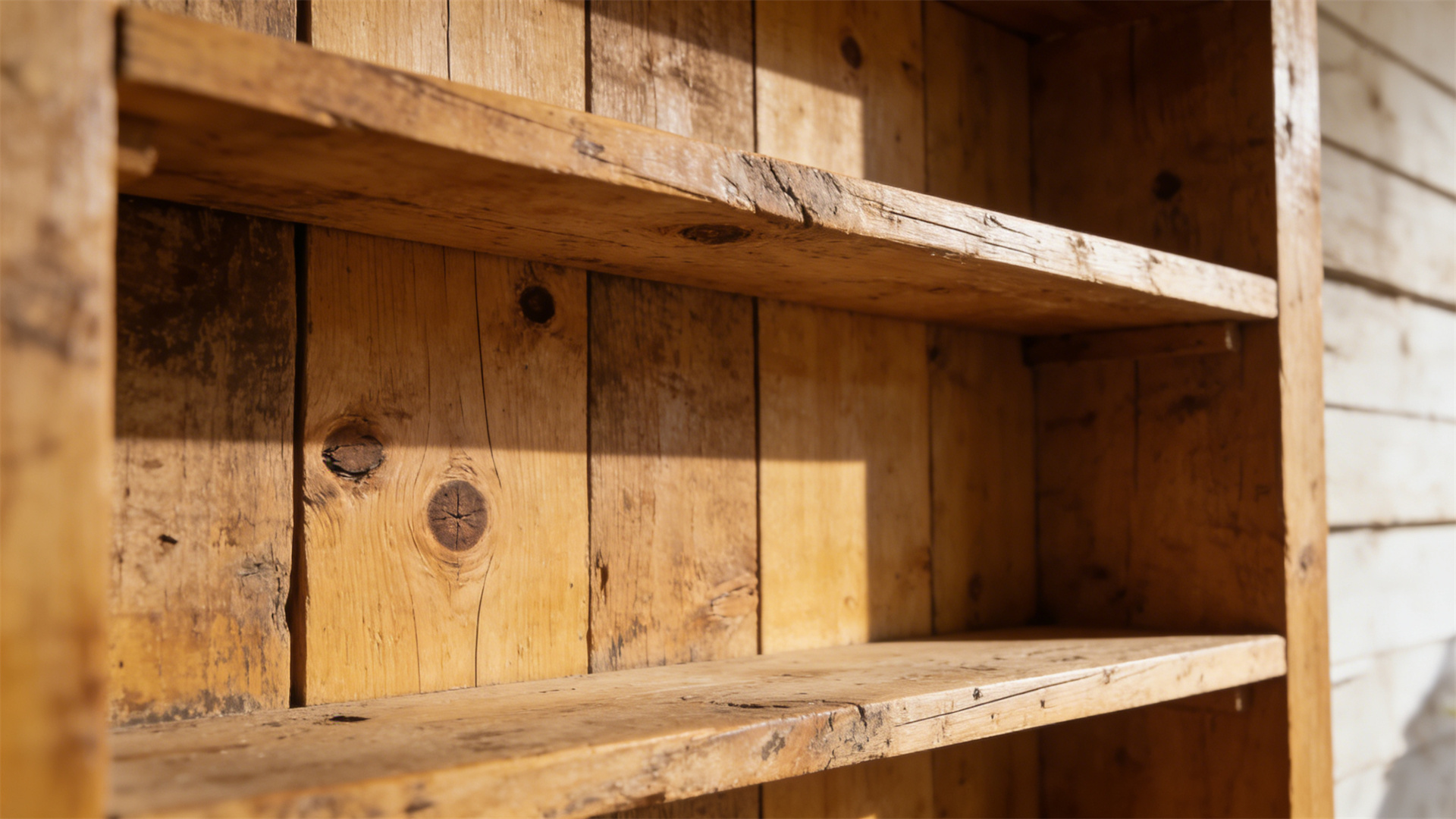
Pine represents the softwood side of the equation, offering a fundamentally different experience from the dense hardwoods. As a softwood, it is notably lighter in weight and softer, making it susceptible to dents and scratches—a characteristic often embraced as part of its "cottage" or "farmhouse" charm. Its color starts as a pale, buttery yellow, darkening to a warm amber over time. Pine’s grain is typically bold and knotty, with dramatic contrasts between the early and late growth rings. This knotting can be a point of beauty or frustration; knots may bleed pitch or pop out if not properly stabilized. Pine is inexpensive, readily available, and exceptionally easy to cut and shape, making it the quintessential wood for DIY projects, rustic furniture, and structural framing. It absorbs stain unevenly, often leading to a blotchy appearance, which is why it is frequently painted or given a weathered, distressed finish.
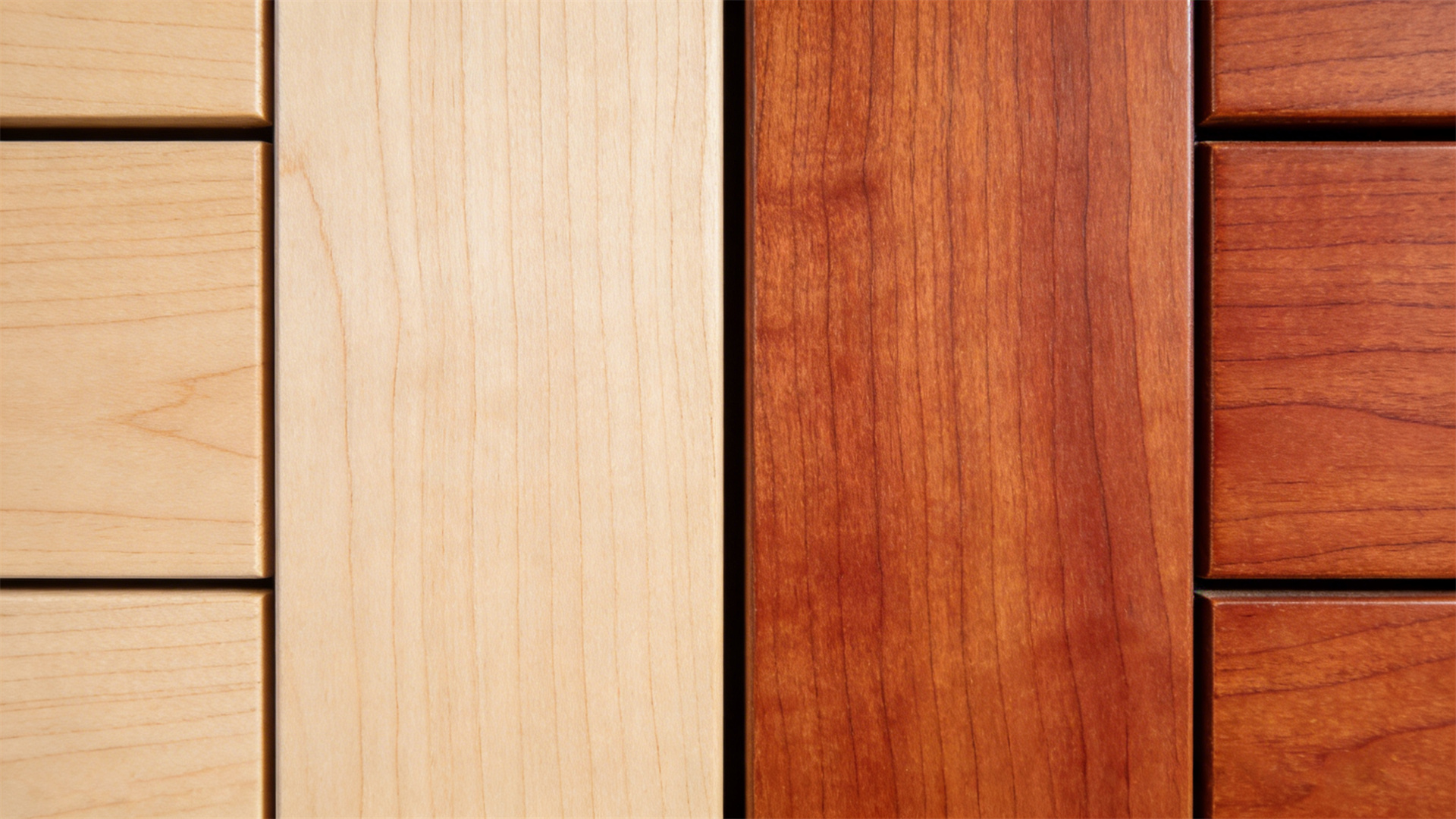
Beyond these pillars, the world of wood offers a spectrum of colors and capabilities. Maple is the athlete of hardwoods—incredibly hard, dense, and with a subtle, smooth grain that ranges from almost featureless (in "hard maple") to whimsically figured (in "bird’s eye" or "curly" maple). Its pale, creamy color makes it a modern favorite for clean-lined, contemporary furniture, butcher blocks, and bowling alleys, where durability and a light, uniform backdrop are key. Cherry, on the other hand, is the storyteller. Freshly milled, it has a soft, pinkish-brown hue, but its magic lies in its photochemical reaction. Under light, Cherry undergoes a dramatic transformation, deepening to a rich, reddish-brown patina over months and years. It has a fine, straight grain that sands to a silky finish and is a dream for fine woodworking, creating pieces that evolve and mature alongside their owners.
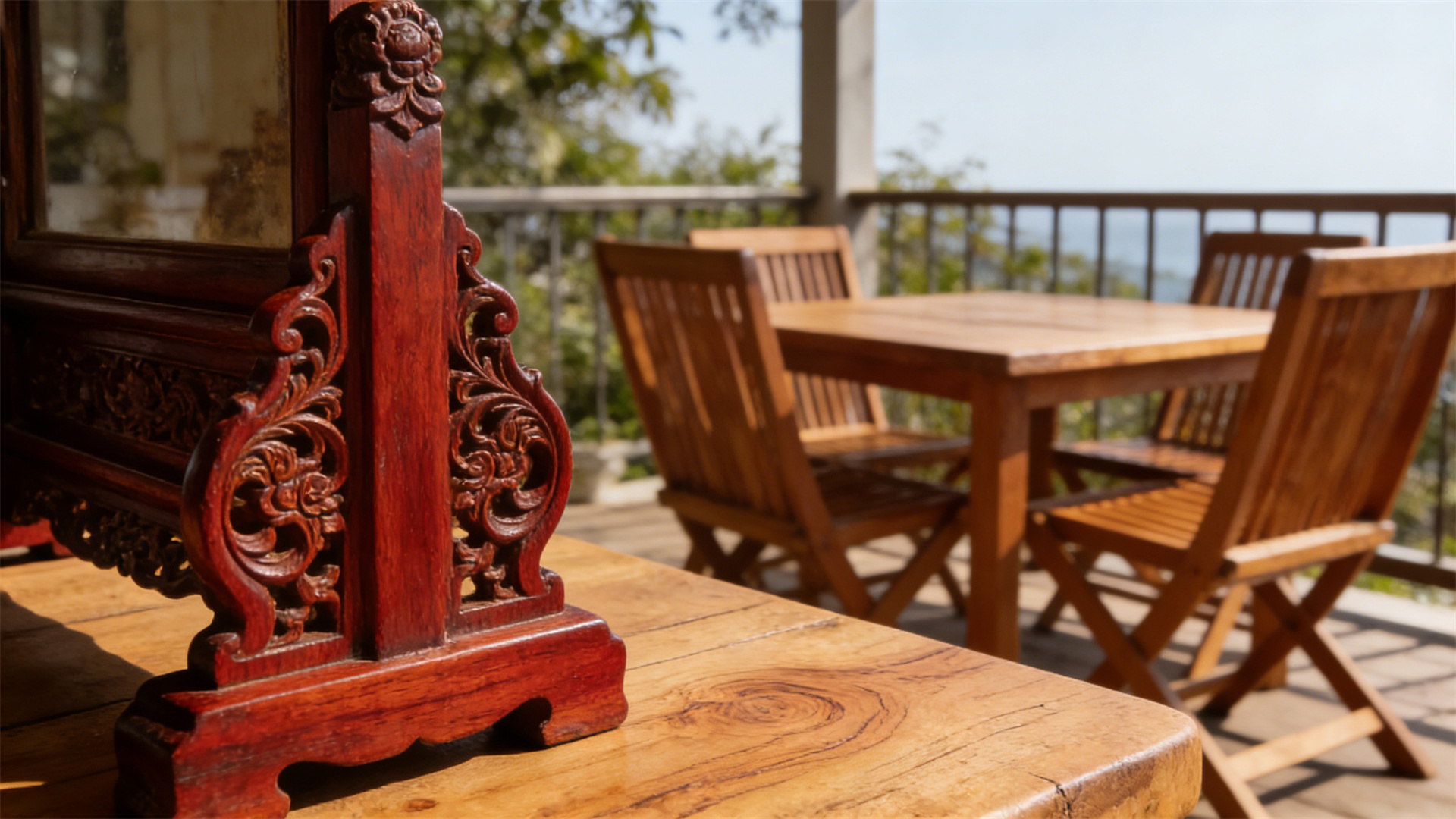
Venturing further, we encounter woods defined by luxury and specialty. Mahogany, particularly Genuine Mahogany from Latin America, has been a premier furniture wood for over 300 years. Renowned for its stability, straight grain, and moderate weight, it resists warping and is exceptionally easy to work. Its color is a reddish-brown that also darkens with age, and it takes a wide range of finishes beautifully, from high-gloss lacquers to hand-rubbed oils. For ultimate weather resistance, Teak is the undisputed champion. Naturally saturated with aromatic oils and rubber, Teak is impervious to rot, insects, and water damage. Its golden-brown color weathers to a distinctive silvery-grey if left untreated, making it the only choice for premium outdoor furniture and boat decking, though its high cost and density require special tools and techniques.
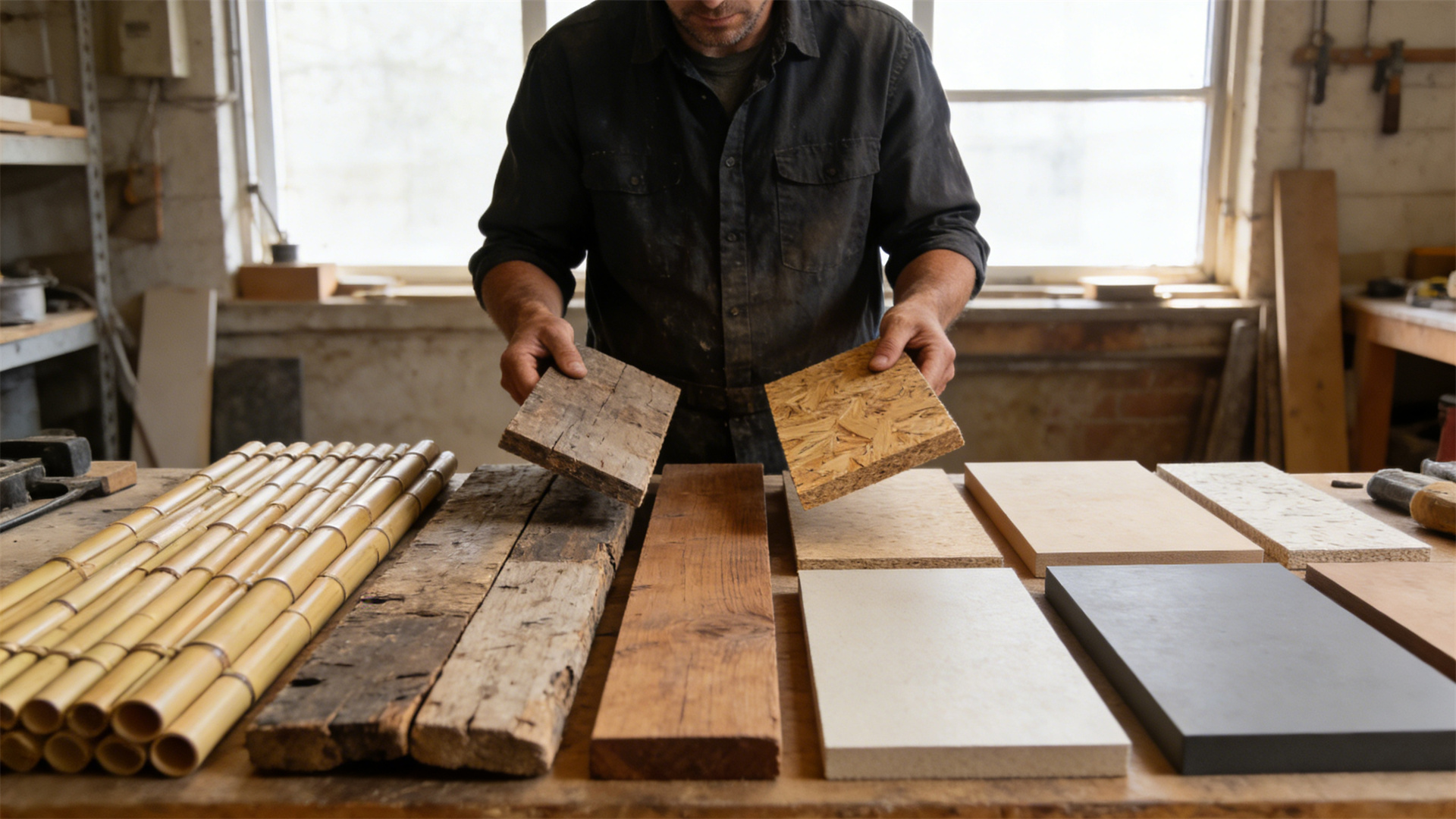
The "Everything in Between" also includes innovative and sustainable options that challenge traditional categories. Bamboo, technically a grass, is processed into a remarkably hard, stable, and eco-friendly material. Strand-woven bamboo, created under immense heat and pressure, rivals the hardness of some of the toughest hardwoods and is a staple in modern flooring. Reclaimed lumber, salvaged from old barns, factories, and warehouses, offers wood with a history—full of character marks, old fastener holes, and a patina that cannot be replicated. It provides a sustainable and uniquely storied material. Finally, engineered wood products like plywood and MDF (Medium-Density Fiberboard) are not species-specific but are fundamental to modern construction and cabinetry, offering dimensional stability and eliminating wood movement, perfect for large painted panels and substrates.
Ultimately, decoding wood types is about aligning the soul of the material with the purpose of your project. There is no single "best" wood, only the best wood for the job. Consider the required durability: will it face heavy traffic, moisture, or wear? Envision the aesthetic: are you after bold grain, a smooth canvas, or a rich, evolving color? Acknowledge your tools and skill level; some woods forgive mistakes, while others demand precision. Finally, balance your budget with your vision. By understanding the inherent personality of Oak’s strength, Walnut’s depth, Pine’s rustic ease, and the unique virtues of all the options in between, you can move beyond guesswork. You can choose with confidence, ensuring the wood you select not only builds your project but also tells the story you want it to tell for generations to come.