The timeless beauty of wood furniture lies in its warmth, grain, and character. Unlike disposable pieces, quality wooden furniture is an investment meant to last generations. Proper care is the key to preserving its luster, strength, and value. While daily dusting is a good start, truly maintaining wood involves understanding the deeper needs of the material—primarily through nourishing it with oils and waxes—and recognizing when a problem has grown beyond a simple DIY fix. This guide delves into the specifics of these care methods and outlines the clear signs that it’s time to call in a professional restorer.
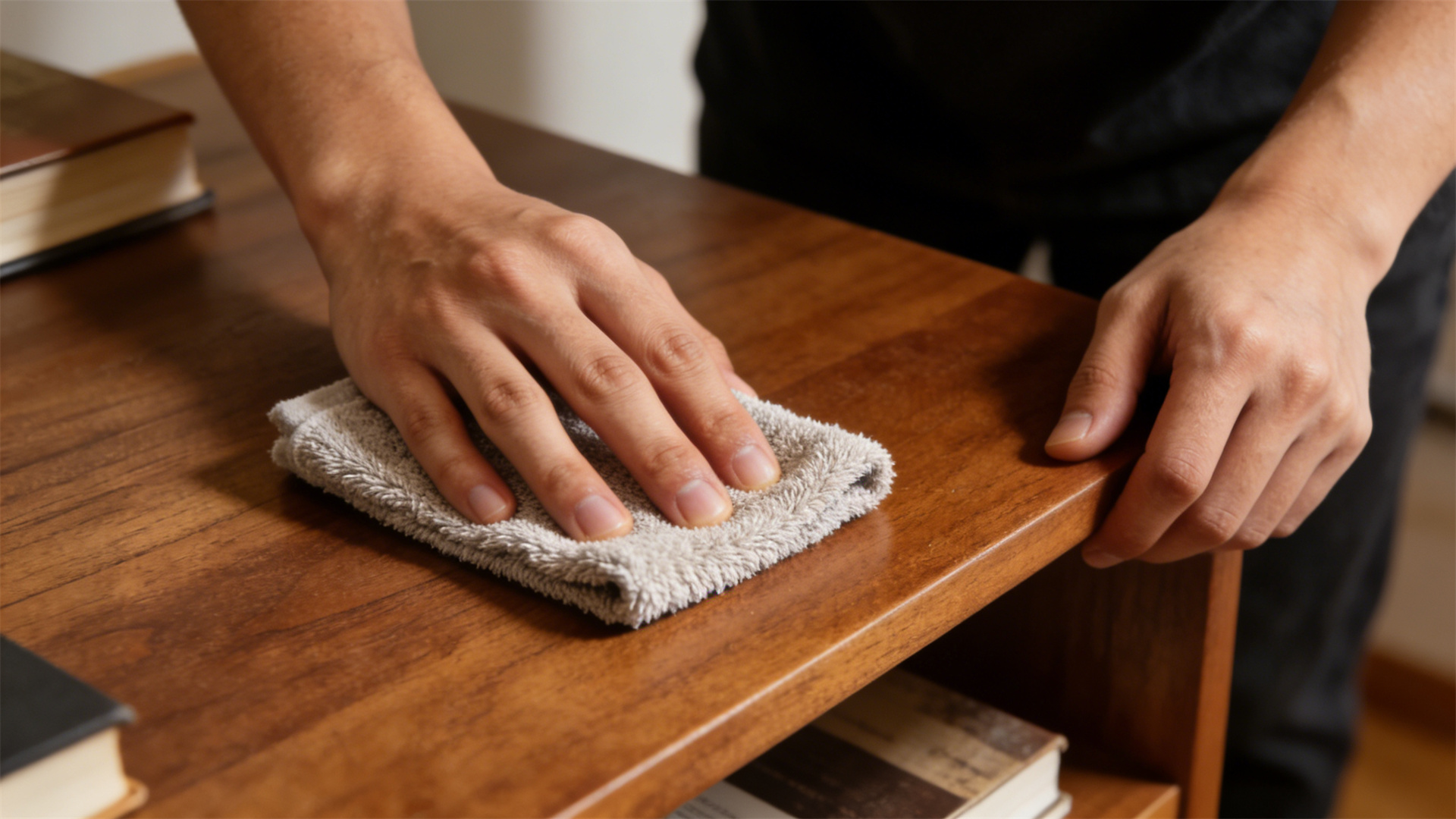
The foundation of all wood care is proper and consistent cleaning. Dust and grit are wood’s silent enemies, acting as abrasives that slowly scratch and dull the finish over time. Always use a soft, lint-free cloth, such as microfiber or an old cotton t-shirt. For routine dusting, a dry cloth is sufficient. For occasional deeper cleaning, slightly dampen the cloth with water, but wring it out thoroughly so it’s only barely moist. Never spray cleaner directly onto the furniture, as excess moisture can seep into seams and cracks, causing swelling or clouding of the finish. Immediately dry the surface with a second soft, dry cloth following the direction of the grain. Avoid all-purpose cleaners, silicone sprays, or harsh chemicals, as they can degrade or leave a residue on the existing finish.
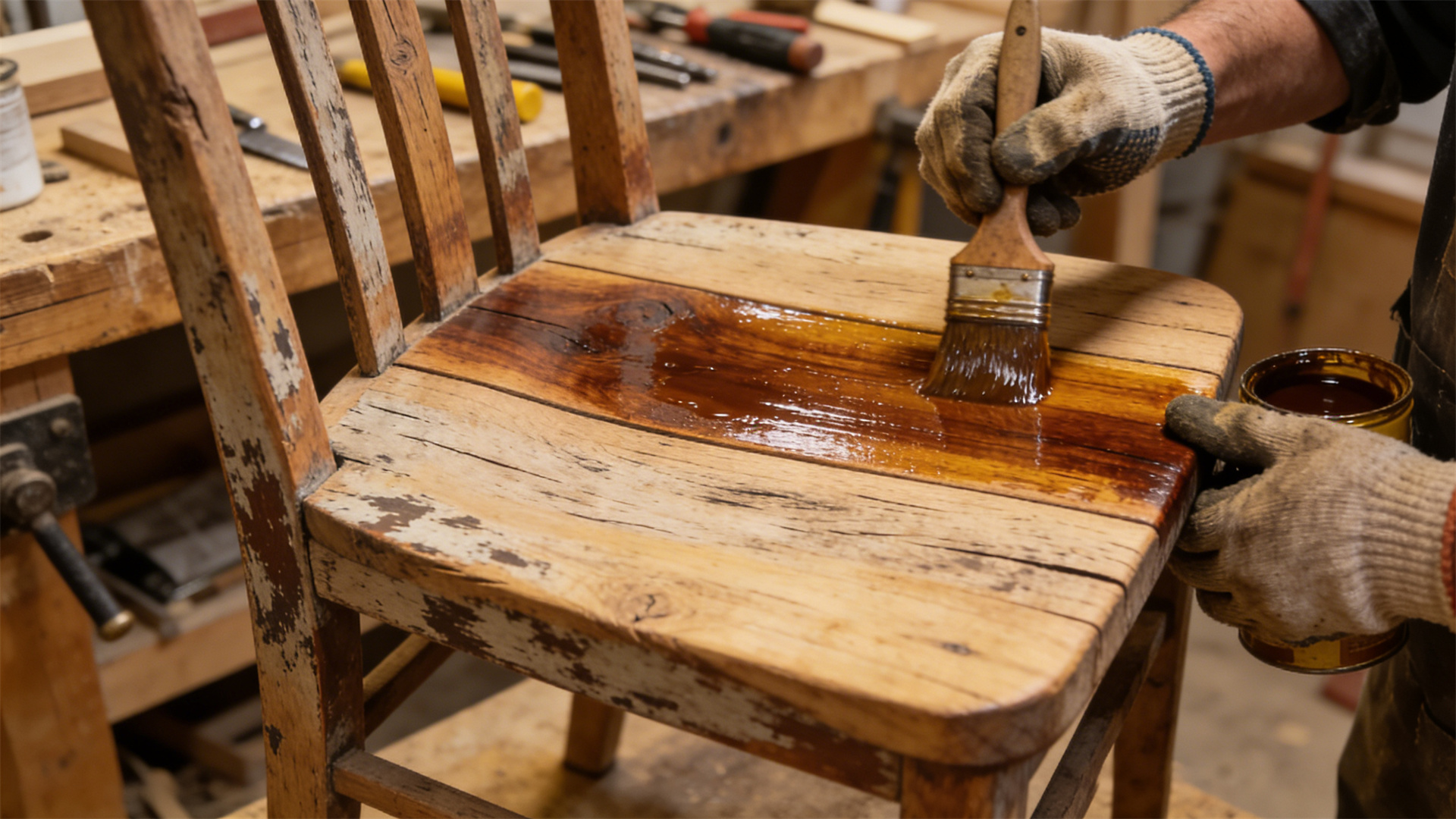
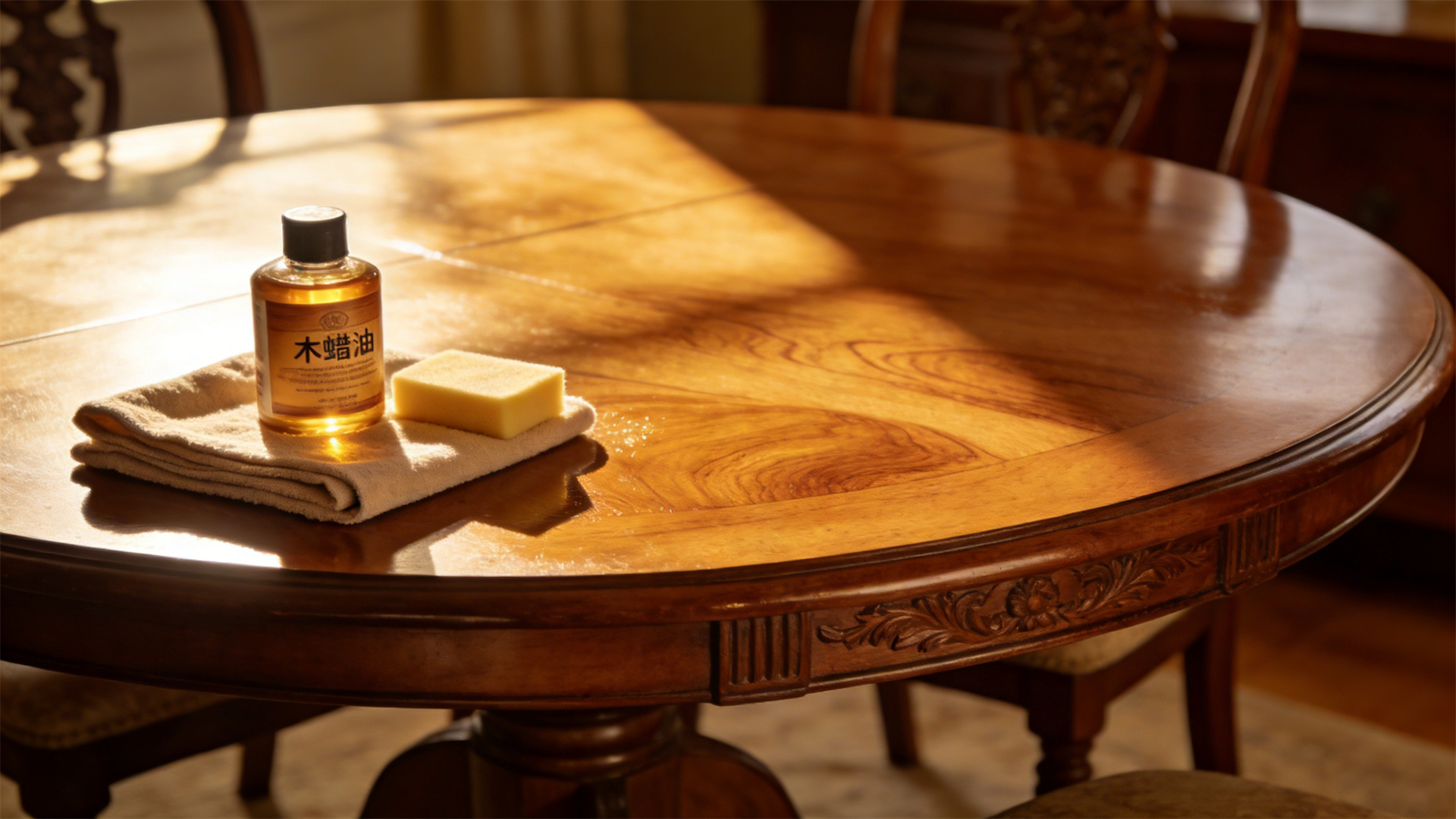
When your furniture looks dry, faded, or has minor scratches, it’s often a sign that the wood itself or its protective layer needs nourishment. This is where oils and waxes come into play, but they serve different purposes and are not interchangeable. Penetrating oils, such as tung oil or linseed oil, are designed to soak into the wood fibers, enhancing the grain and providing a rich, natural luster from within. They are ideal for untreated, oil-finished, or very dry wood. Application involves wiping a generous amount onto the wood, allowing it to penetrate for a set time, and then meticulously wiping off all excess to prevent a sticky residue. Oiling is a periodic treatment, not a frequent one, often needed only once or twice a year.
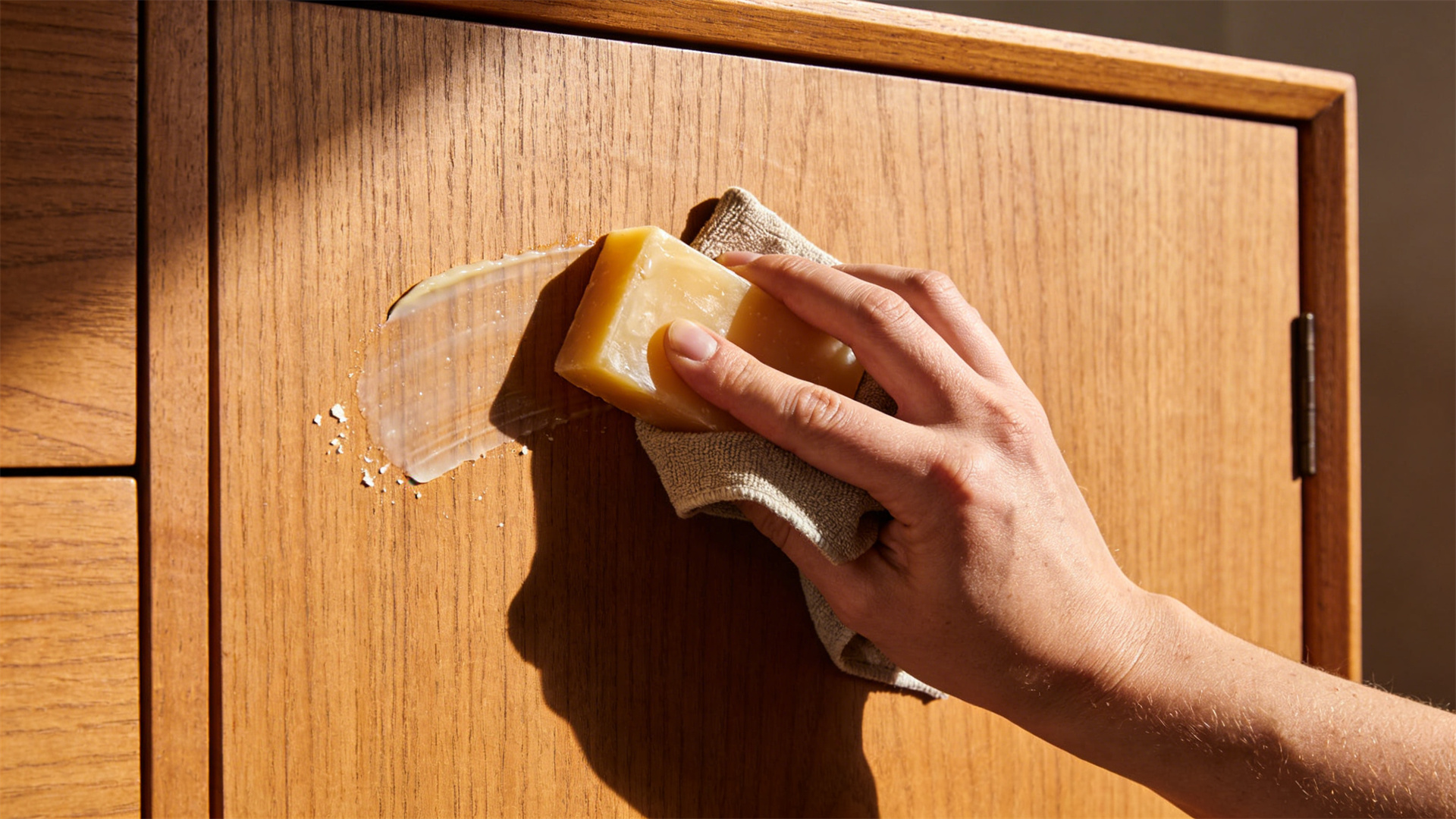
Waxes, on the other hand, sit on top of the finish to create a protective, renewable barrier. Paste wax, typically made from carnauba or beeswax, is the gold standard for finished wood. It fills in microscopic scratches, creates a smooth, satiny sheen, and provides a buffer against minor spills and moisture. Applying wax requires patience: a thin, even coat is buffed onto the surface with a cloth, allowed to fully haze over (which can take 20-30 minutes), and then vigorously buffed to a shine with a clean cloth. While wax offers superb protection and beauty, it does wear off and needs reapplication every few months, depending on use. It’s crucial to note that wax should only be applied over a sound, stable finish, not over an already damaged or sticky surface.
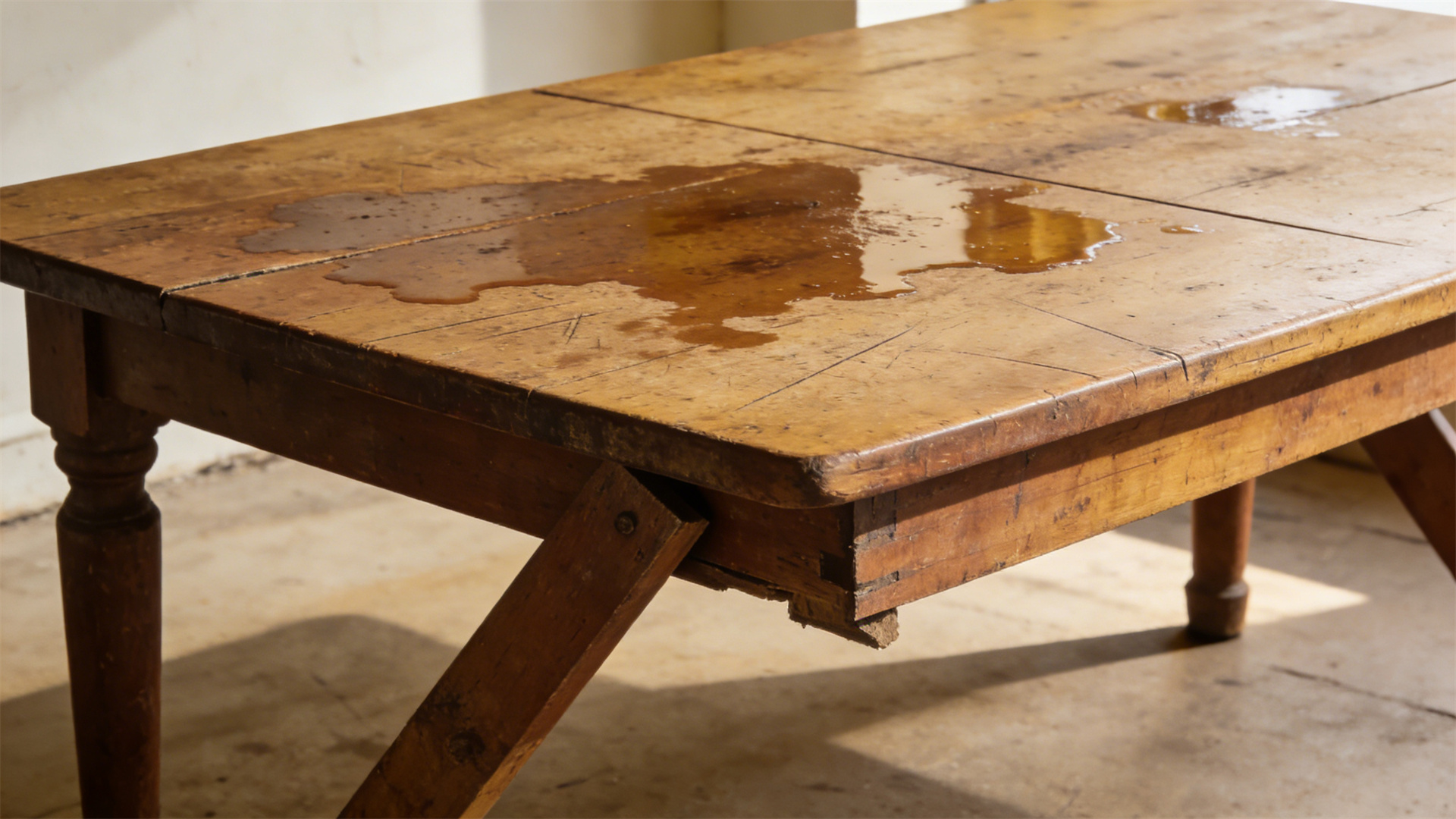
Understanding the limits of home care is critical to preventing irreversible damage. There are several clear scenarios where DIY methods can worsen a problem. If your furniture has significant structural issues—like loose joints, broken chair legs, or wobbly table frames—attempting a repair with standard wood glue often fails without proper clamping and expertise. Similarly, severe water damage causing white haze rings (blushing), black stains, or warping requires professional assessment. Veneer that is bubbling, cracking, or lifting should not be reglued by an amateur, as the delicate material is easily torn. Deep scratches or gouges that expose raw wood need color matching and finishing skills to disappear seamlessly. Finally, if you are unsure of the existing finish on your piece, applying the wrong product (like oil over a varnish or lacquer) can create a disastrous, gummy mess that only a professional can rectify.
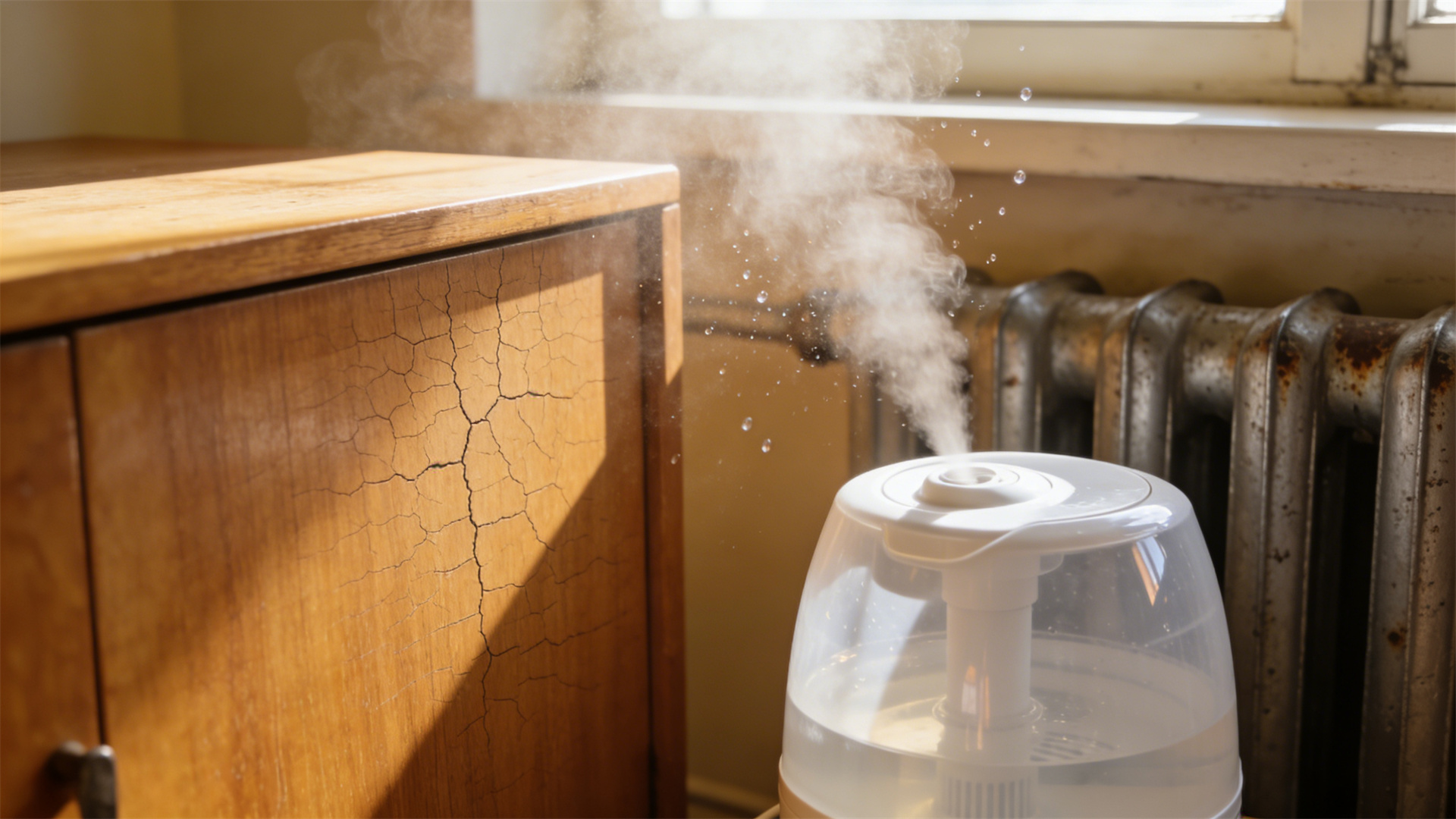
Environmental factors play a massive role in the long-term health of wood furniture. Wood is a hygroscopic material, meaning it absorbs and releases moisture from the air. Consistent relative humidity between 40% and 45% is ideal. Prolonged dry conditions (common in winter with central heating) can cause wood to contract, leading to cracks and loose joints. Excessive humidity can cause swelling and finish clouding. Use a humidifier or dehumidifier to maintain stable levels. Furthermore, protect furniture from direct sunlight, which can bleach and fade wood over time, and from direct heat sources like radiators or fireplaces, which can dry it out unevenly and cause cracking.
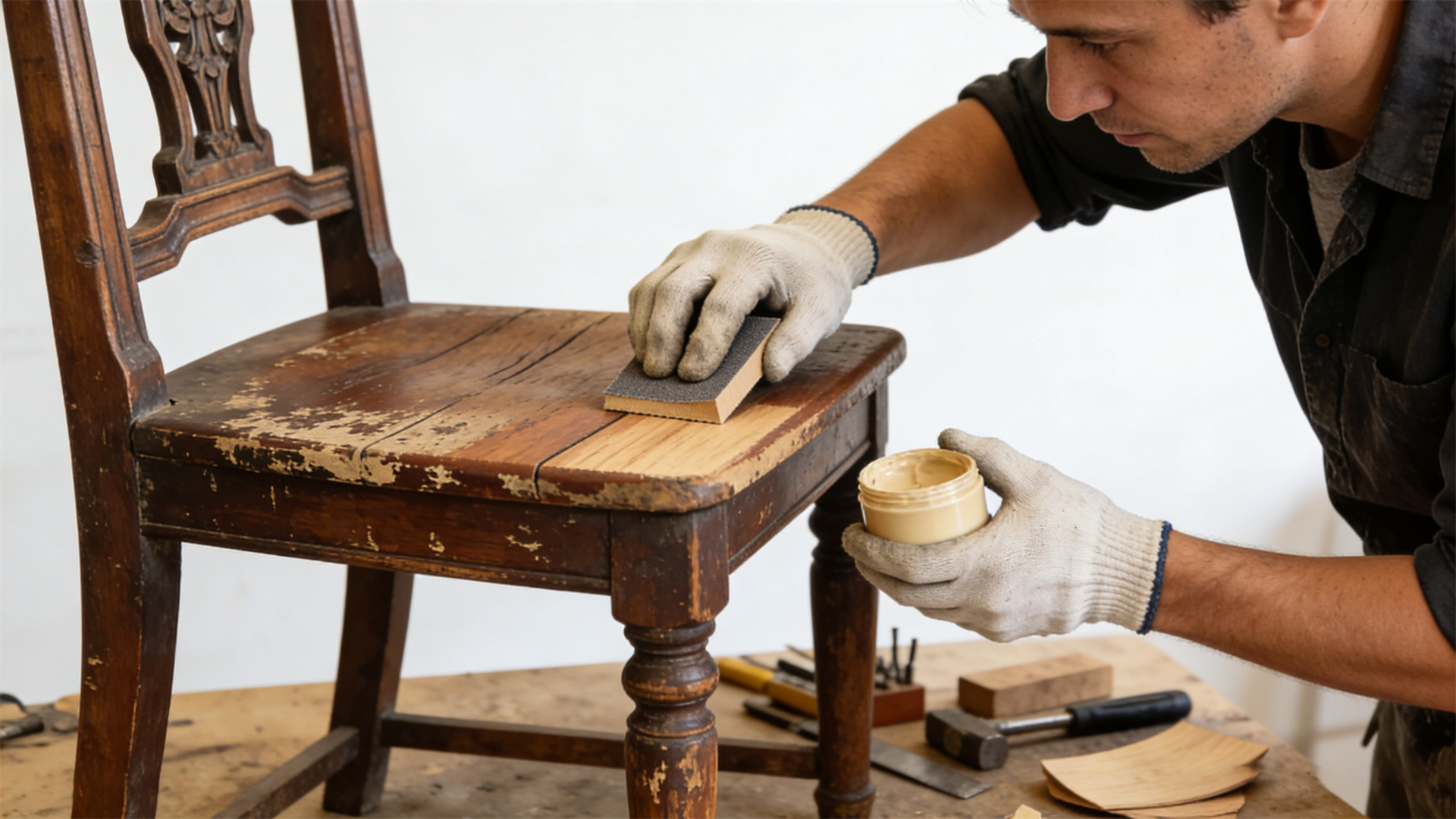
Knowing when to call a professional conservator or furniture restorer saves time, money, and the integrity of your heirloom. Professionals possess the tools, materials, and historical knowledge to perform complex repairs, safely strip and refinish pieces, consolidate unstable surfaces, and perfectly match colors and sheens. If a piece has sentimental or significant monetary value, starting with a professional consultation is always the wisest course. They can provide a diagnosis and treatment plan, which may include stabilizing the piece, addressing previous poor repairs, or executing a full conservation-grade restoration designed to last for decades more. Investing in professional care is an affirmation of the furniture’s value and a commitment to its future.
Caring for wood furniture is a rewarding practice that connects us to the natural material and the craft behind each piece. A disciplined routine of gentle cleaning, informed use of oils and waxes, and mindful environmental control will keep your furniture looking its best for years. However, wisdom lies in recognizing the boundary between maintenance and restoration. By entrusting serious damage to skilled hands, you ensure that your wooden treasures continue to tell their story, showcasing their beauty and resilience for generations to come.