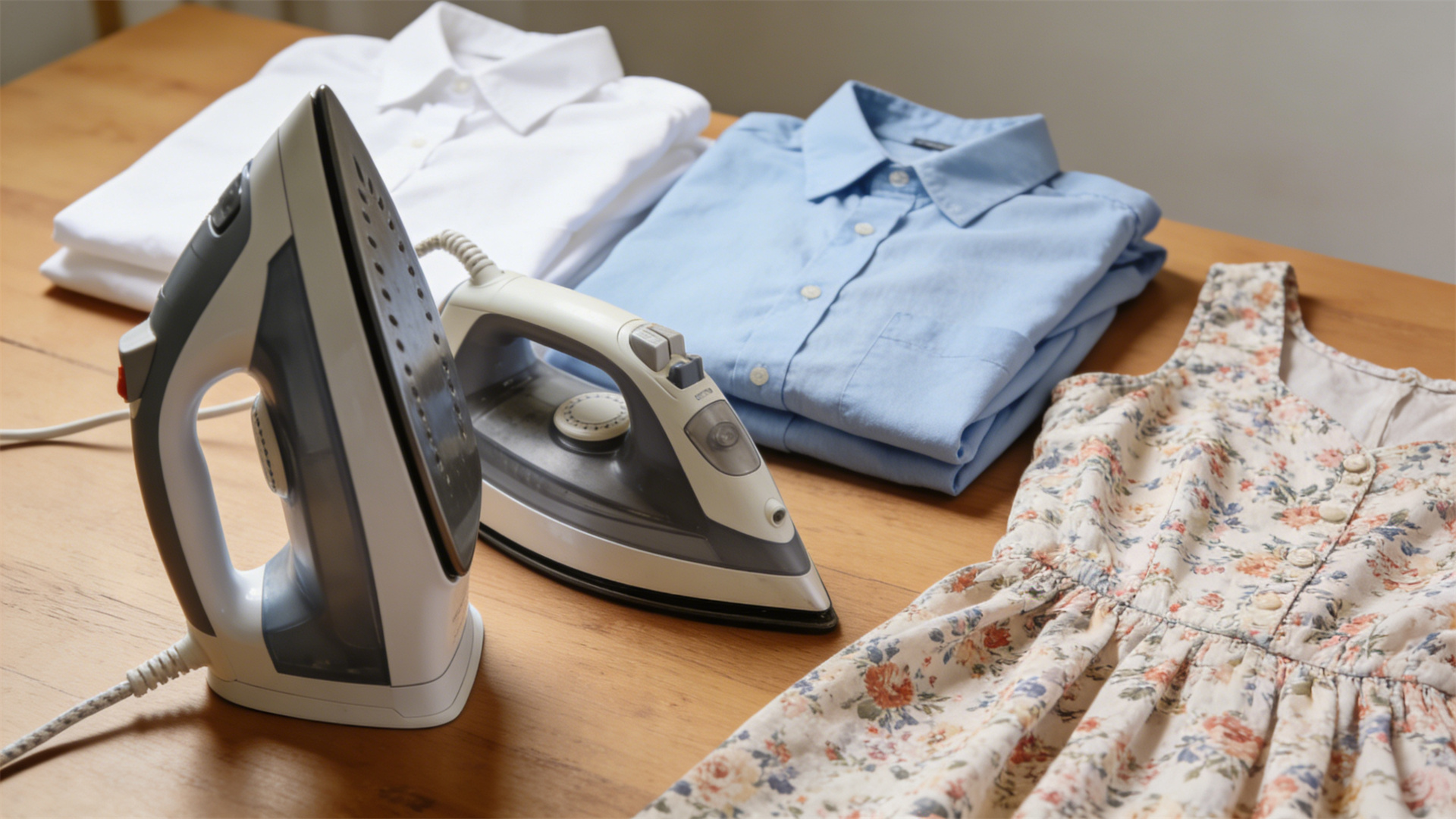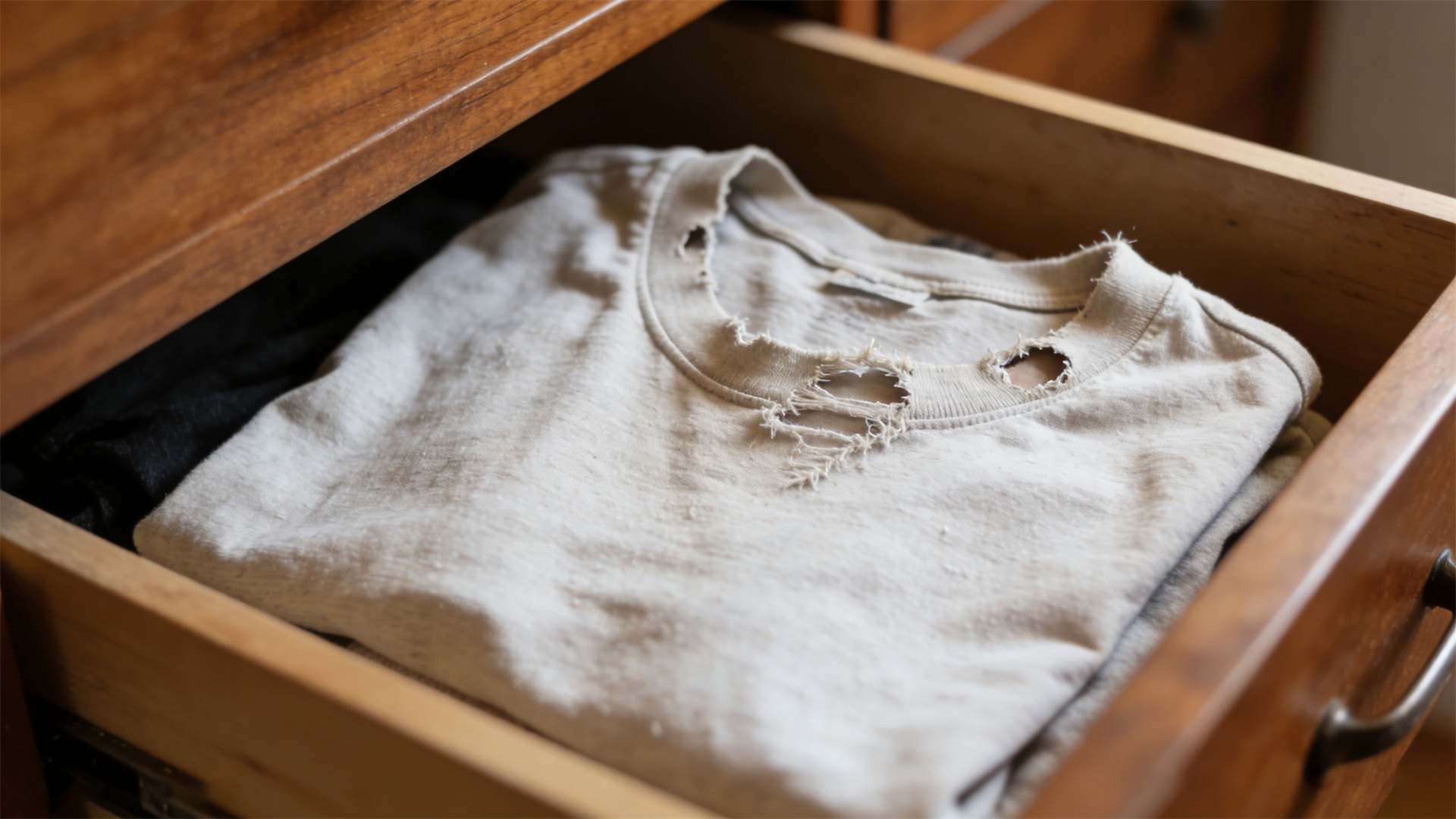
You pull your favorite cotton shirt from the drawer, only to find thinning fabric, a tiny hole, or a seam coming undone. It’s a frustratingly common experience. We often assume natural fibers like cotton are synonymous with durability, but the reality is more complex. The premature demise of a cotton garment is rarely due to a single factor. Instead, it’s the culmination of decisions made long before it reached your closet—from field to fabric to final stitch—combined with our modern care habits. Understanding these reasons reveals why today’s "cotton" often isn’t the long-lasting staple we imagine.
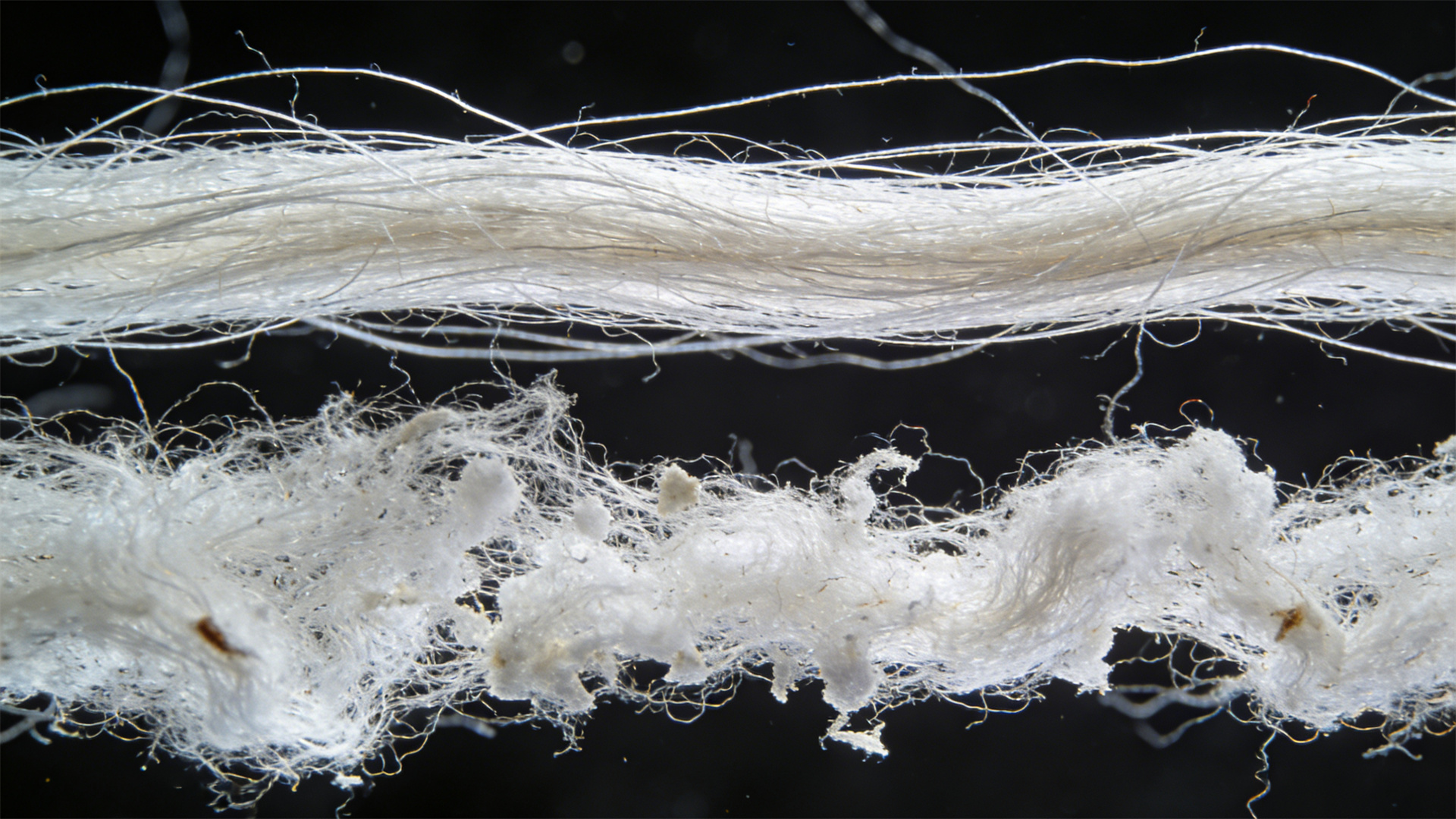
The journey of durability begins with the fiber itself. Not all cotton is created equal. The length, strength, and thickness of the individual cotton fibers, known as staple length, are critical. Long-staple cotton varieties, like Egyptian or Pima, have fibers that can be spun into finer, stronger, and smoother yarns. These yarns are less prone to pilling and breaking. Much of the cotton used in fast fashion and mid-market shirts, however, comes from shorter-staple varieties. These fibers are weaker and require more twisting to hold together into yarn. The resulting yarn is coarser and more susceptible to abrasion and fiber loss over time. The very foundation of the fabric is compromised from the start.
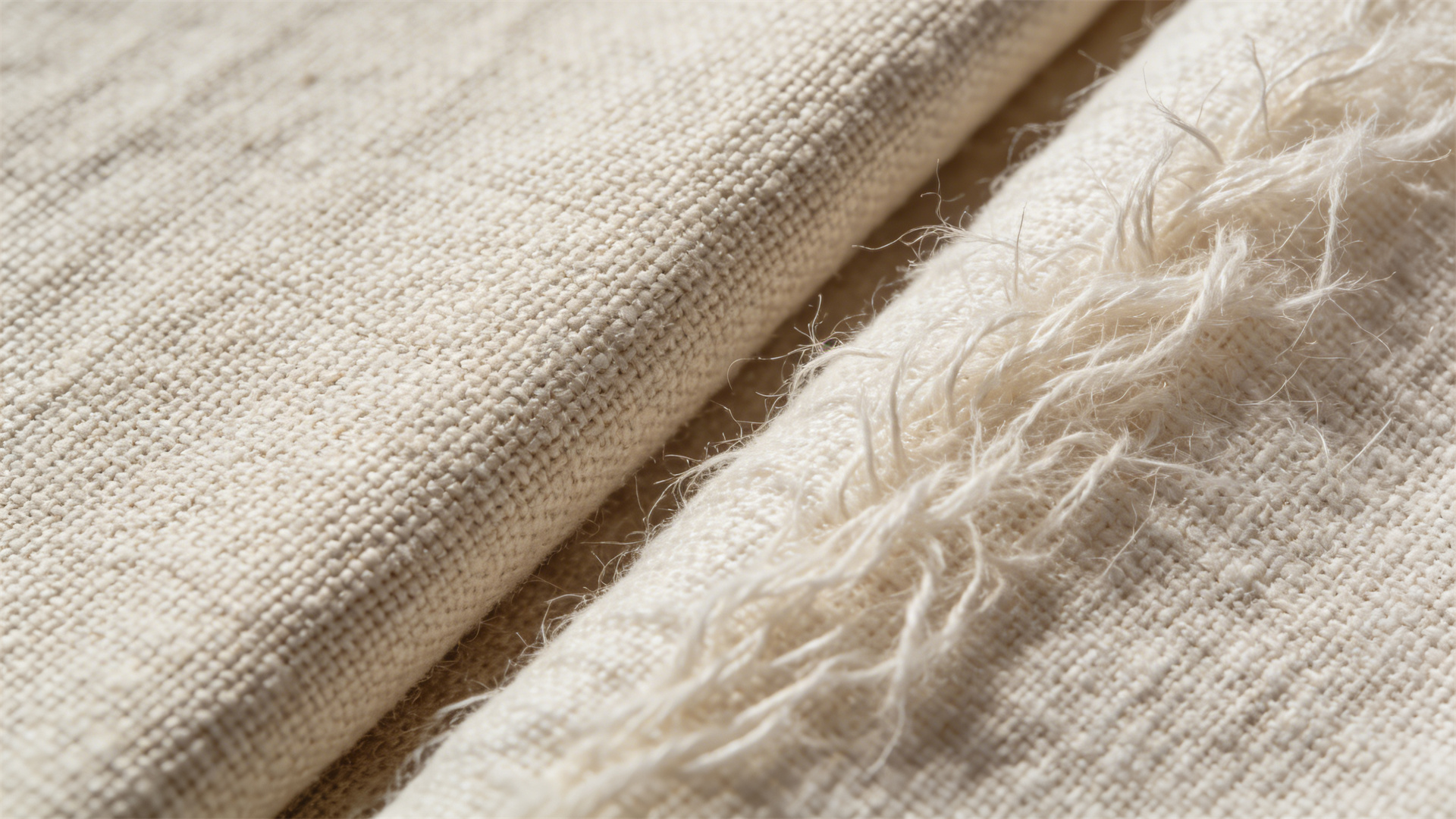
The next crucial factor is the fabric’s construction. The thread count or yarn density is often misleading. More important is the quality of the yarn and the weave. A fabric woven with thin, weak yarns at a high thread count will still be fragile. The weave type matters significantly: a tight, robust weave like a poplin or oxford cloth will inherently last longer than a loose, soft weave like a fine voile or jersey. Furthermore, many shirts are made from single-ply yarns for softness and cost-saving. A two-ply yarn, where two thinner strands are twisted together before weaving, is significantly stronger and more resilient but also more expensive. The pursuit of a softer "hand feel" often comes at the direct expense of tensile strength and longevity.
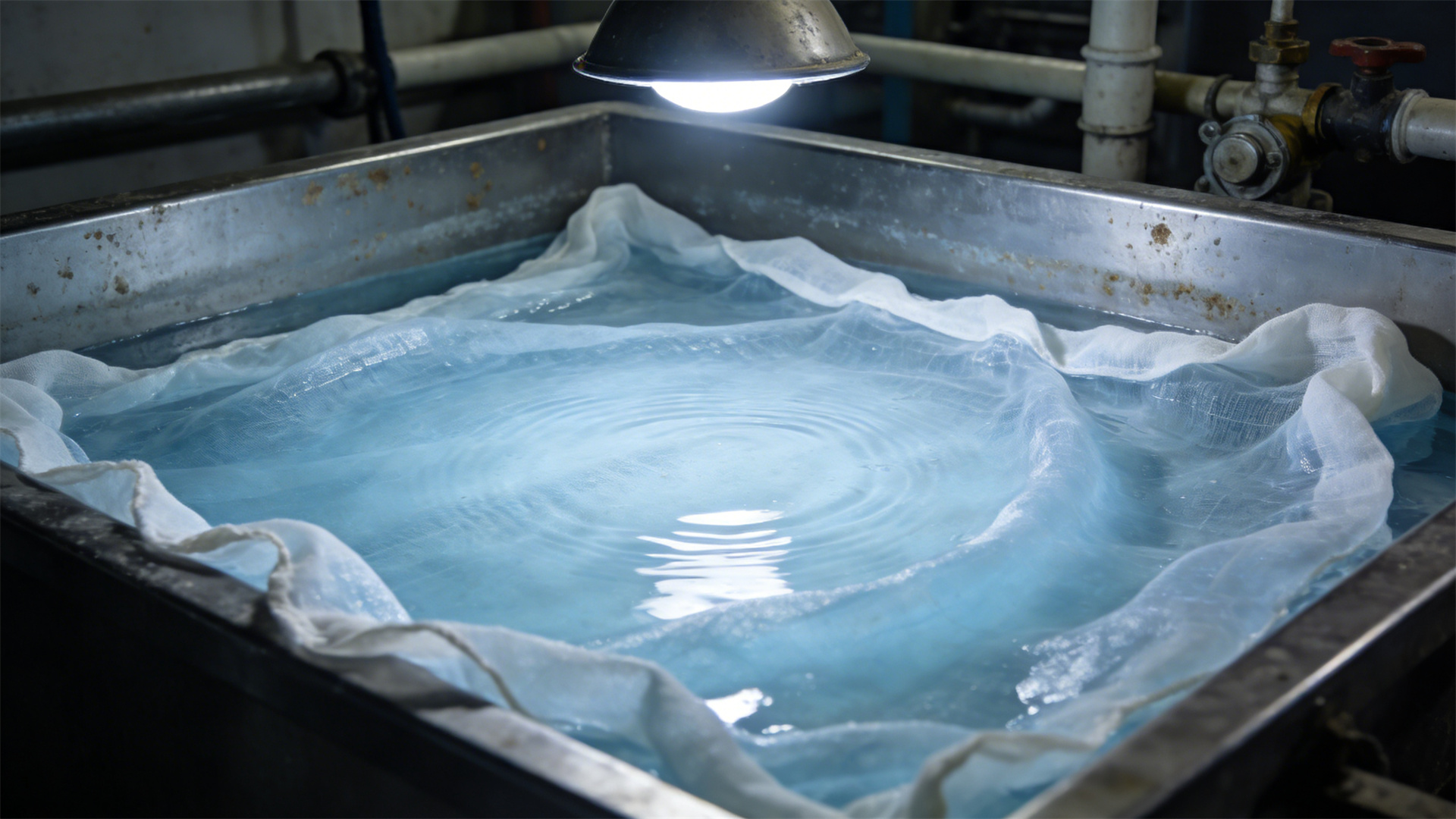
Modern cotton is rarely just cotton. To achieve vibrant colors, a super-soft finish, or resistance to wrinkles, fabrics undergo aggressive chemical processing. The mercerization process strengthens cotton, but other treatments can be detrimental. Heavy bleaching to achieve pure white or bright shades can degrade the cellulose fibers, weakening them. Stone-washing or enzyme-washing for a broken-in feel literally breaks down the fabric surface. The most common culprit, however, is the chemical softener added in the finishing stage. These silicone-based coatings mask the natural feel of cheaper, coarser cotton but create a slippery layer that abrades and weakens the fiber bonds with every wash, leading to premature thinning.
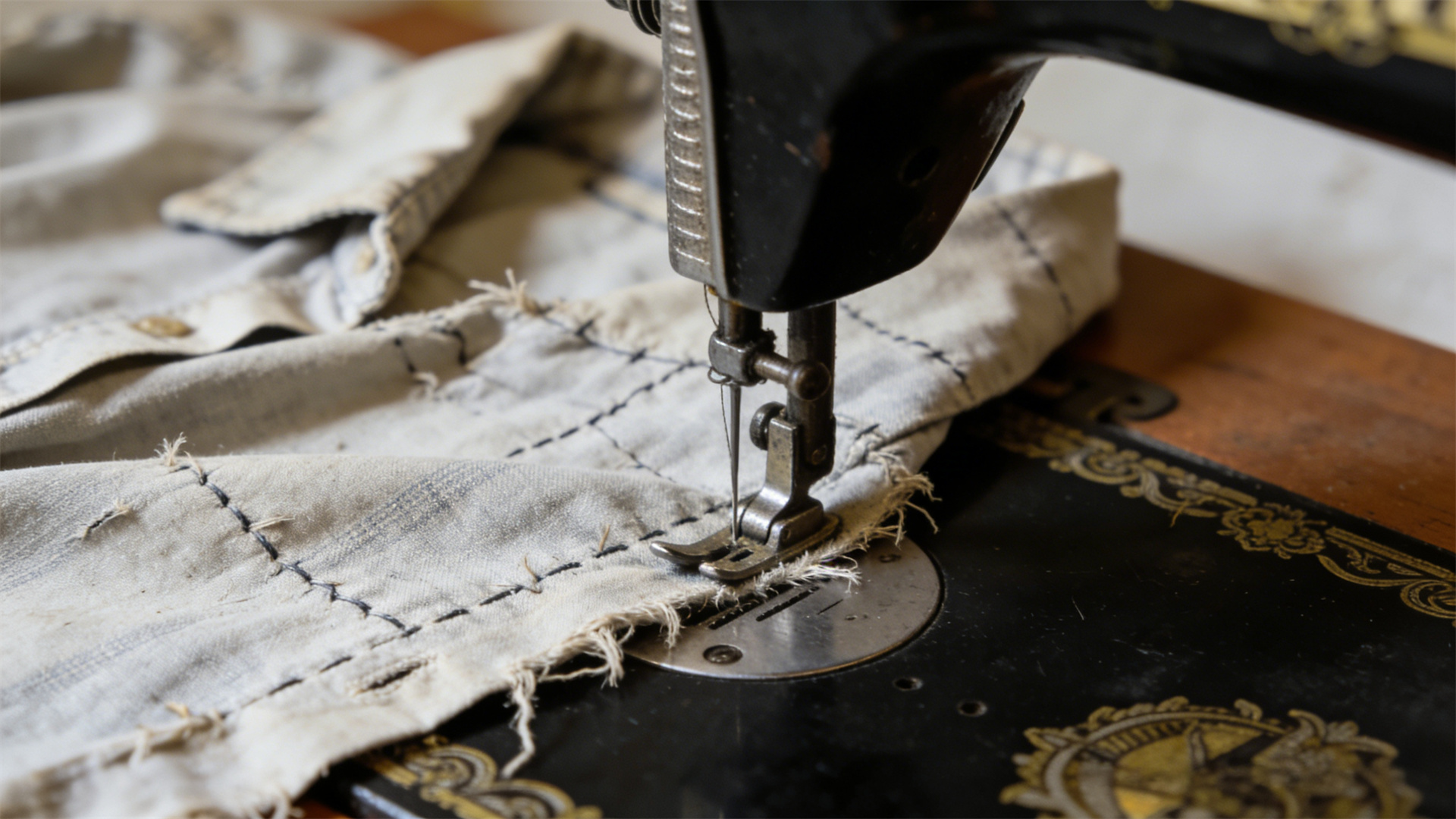
Compounding the issue of weak materials is the economics of fast fashion construction. To cut costs and speed production, manufacturers use fewer stitches per inch (SPI). A high-quality shirt may have 18-22 SPI on seams, while a cheap one might have 10-12. Fewer stitches mean less reinforcement and more stress on each individual stitch. Thread quality is also downgraded; a weak, synthetic thread will snap or unravel. Seams are often finished poorly or not at all, leading to fraying. Critical stress points—like armholes, plackets, and collars—receive minimal reinforcement or bar-tacking. The shirt is essentially assembled to survive a season of wear, not a decade.
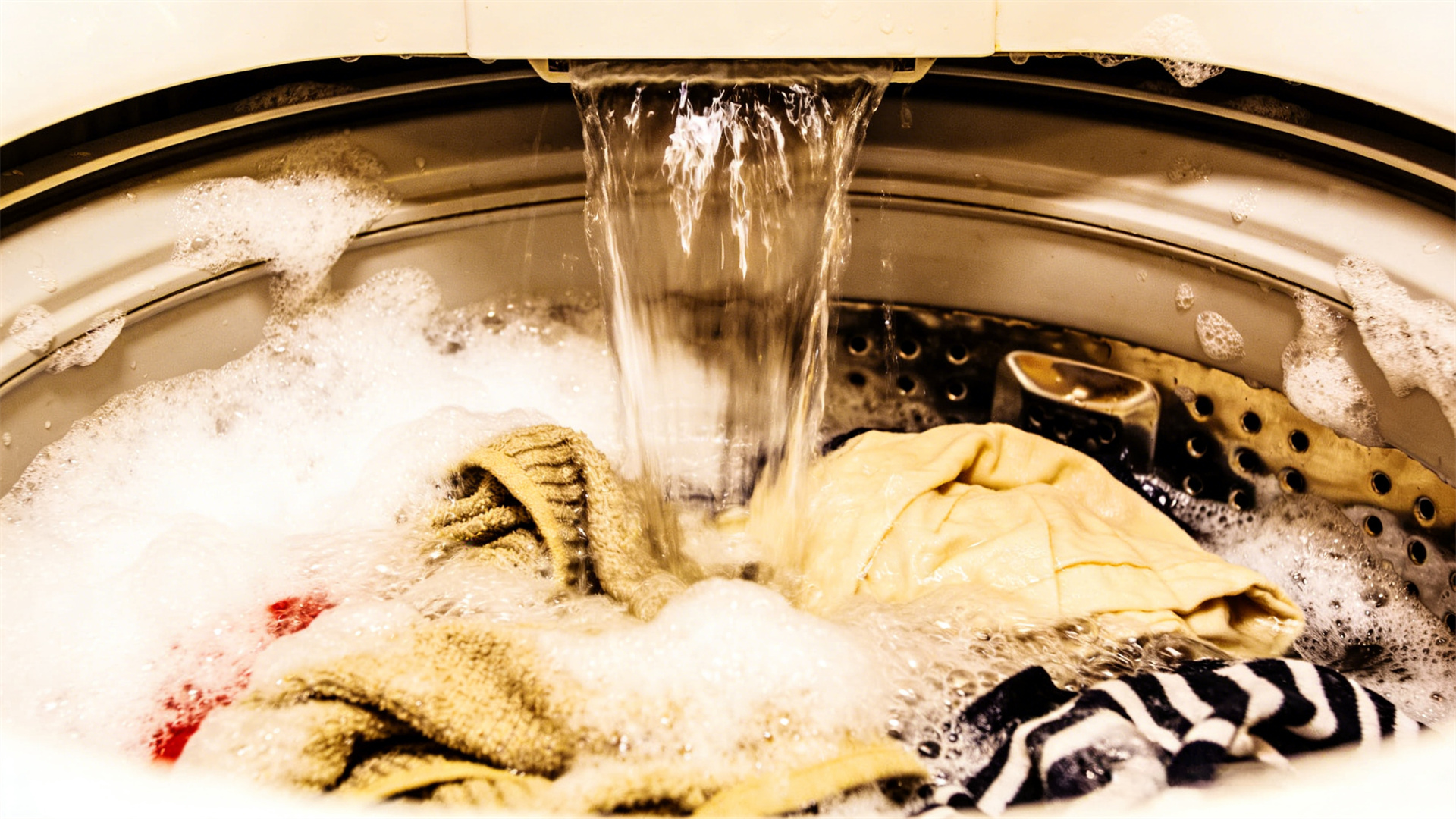
Our own laundry habits play a decisive role in shortening a shirt’s life. The convenience of modern appliances is ironically destructive. Washing in warm or hot water causes fibers to swell and contract aggressively, accelerating wear. Tumble drying is arguably the single most damaging thing we do to cotton. The extreme heat and tumbling action cause massive friction, breaking fibers, weakening seams, and setting wrinkles that then require high heat to iron out. Overloading the washer prevents proper rinsing, trapping harsh detergents in the fibers, and causes excessive mechanical agitation as garments rub against each other. Even the choice of detergent matters; heavy-duty powders and bleach slowly degrade cotton cellulose with each cycle.

The final, overarching reason is the fast fashion business model itself. The entire system is built on volume, speed, and low price points. This philosophy directly conflicts with durability. Brands source the cheapest possible materials (short-staple cotton, low-grade yarns), employ the fastest construction methods (low SPI, minimal finishing), and market garments for a handful of wears. Durability is not just undesirable from a sales perspective; it’s structurally incompatible with the model. A shirt that falls apart after 20 wears drives the repurchase cycle. We are not buying heirlooms; we are purchasing consumable, disposable clothing.
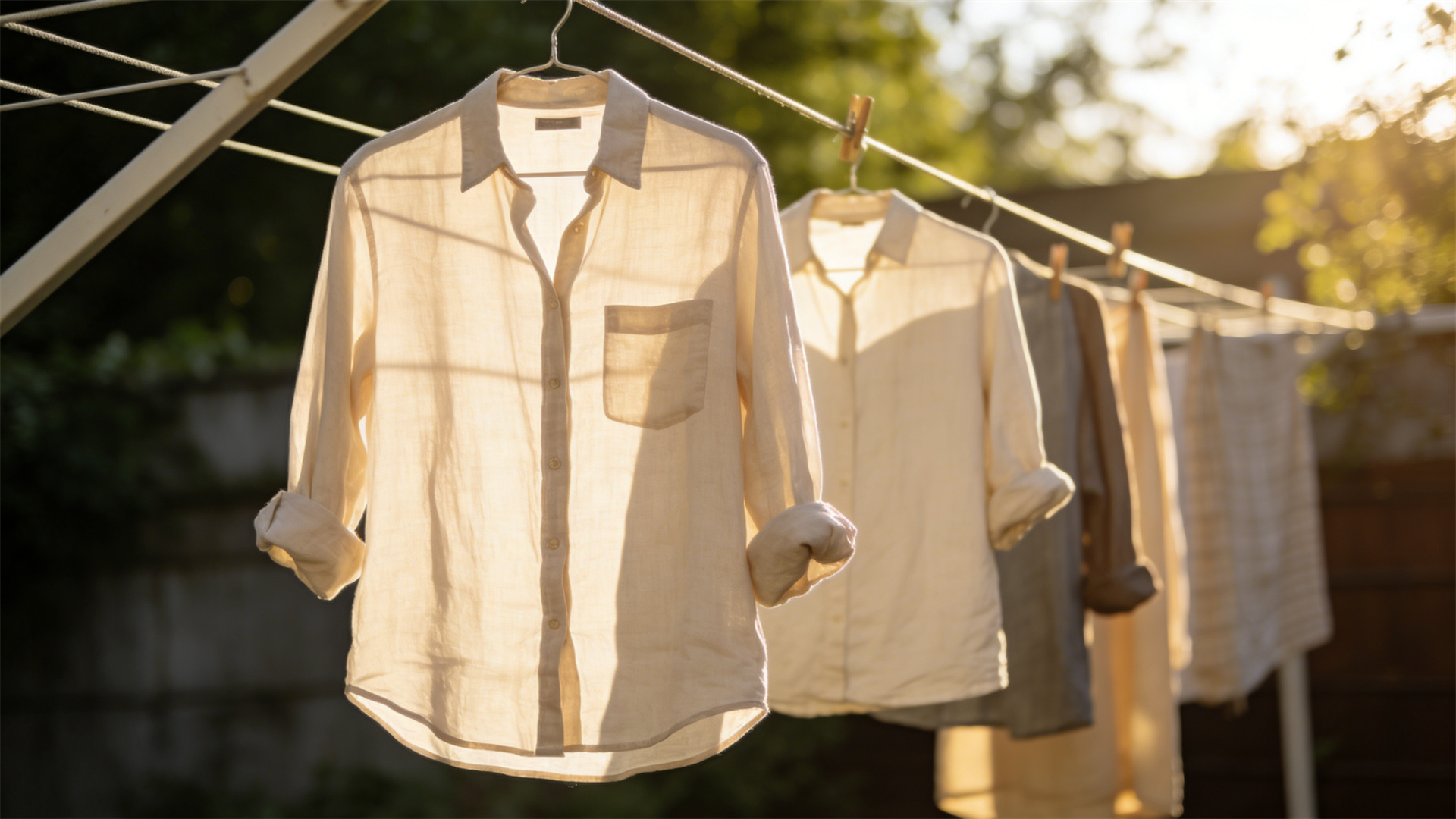
In conclusion, your cotton shirt falls apart because it is likely designed and built to do so. From the selection of inferior fibers and weak fabric construction to cost-cutting manufacturing and harsh chemical treatments, its lifespan is shortened before you even buy it. Our reliance on harsh laundry methods then delivers the final blow. To break this cycle, seek out brands that prioritize quality: look for long-staple cotton descriptions, higher stitch counts, and robust fabric weaves. Most importantly, shift your care routine—wash in cold water, air-dry whenever possible, and use milder detergents. True durability is a combination of conscious purchasing and gentle stewardship, moving away from the disposable mindset that leaves us with drawers full of fading, fraying garments.