ALL-INCLUSIVE DRIVING
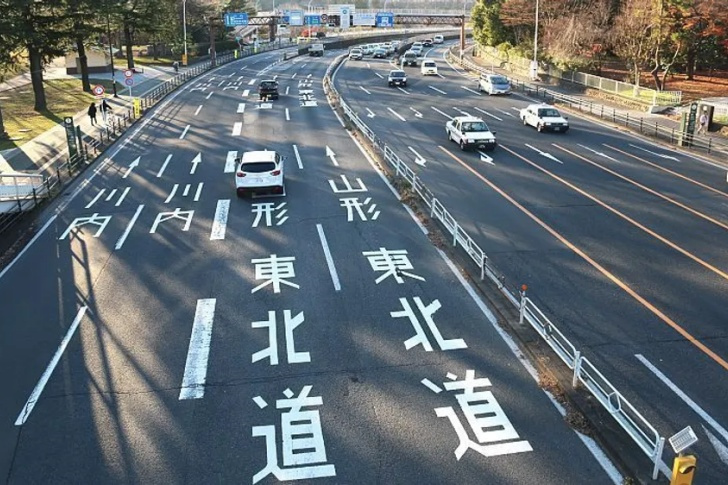
In Japan, drivers are identified not just by their vehicles but by unique symbols that communicate experience and ability. Young drivers display the shoshinsha mark on their cars, signaling their beginner status. On the other end of the spectrum, the koreisha mark identifies senior drivers aged 75 and older. These visual cues help other motorists recognize potential limitations and exercise extra caution.
Additionally, drivers with hearing difficulties can display a yellow butterfly magnet to indicate that they may not hear horns, sirens, or other important audio signals. This system reflects Japan’s inclusive approach to road safety, fostering awareness and understanding among drivers of all ages and abilities. By providing clear visual identifiers, the country ensures a safer, more considerate driving environment for everyone.
THE DRIVER/PASSENGER TELEVISION
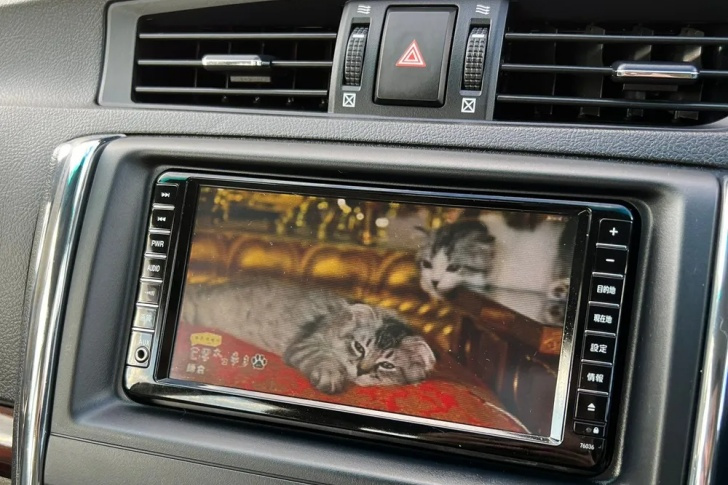
Surprisingly, many vehicles in Japan come equipped with a television feature built into their navigation systems. According to Hiromitsu Kimura, a spokesperson for Pioneer Corp., all “navi” systems sold in Japan include a TV tuner, while none of the models sold overseas do. This means that both drivers and passengers can watch live television while on the road, a concept that might seem reckless elsewhere.
However, this practice is generally considered safe in Japan due to two factors. First, Japanese drivers are highly disciplined and less likely to be distracted by the screen. Second, much of the country’s traffic is slow-moving or congested, reducing the risk of accidents. The driver/passenger television reflects a unique cultural balance of technology, trust, and road behavior, allowing entertainment even during commutes.