“KAWAII”
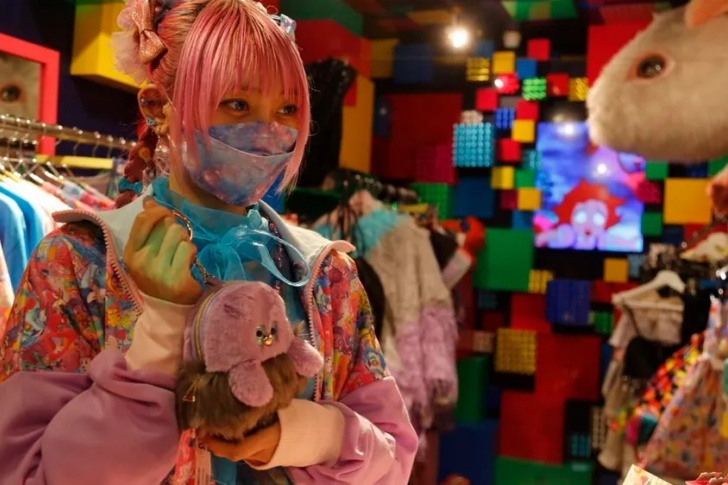
Kawaii, commonly translated as “cuteness,” is a defining aspect of Japanese culture. The concept encompasses people, animals, pets, and objects that appear childlike, vulnerable, shy, or charming. Iconic examples include Hello Kitty and Pikachu, which embody this playful and endearing aesthetic.
According to Sugiyama Tomoyuki, author of Cool Japan, Kawaii culture reflects Japan’s “all-loving” mindset, emphasizing affection and care. Kurita Nobuyoshi, a sociology professor at Musashi University, describes Kawaii as a magical concept that defines what is socially acceptable and desirable in Japan. This cultural phenomenon shapes fashion, design, entertainment, and everyday life, highlighting the nation’s embrace of innocence, charm, and whimsical appeal.

TIPS ARE INSULTING
In many American service industries, tipping is a way to reward exceptional customer service and provide financial incentives to workers. In Japan, however, the approach is very different. From a young age, Japanese workers are taught to take great pride in their work, emphasizing dedication and excellence without relying on tips.
Japanese restaurants and service industries pay employees a livable wage from the outset, making tipping unnecessary. In fact, offering a tip can be seen as insulting, implying that the worker needs extra motivation. Interestingly, some Japanese restaurants in the U.S. also maintain this tradition, refusing tips and upholding the cultural value of service performed with pride and professionalism.