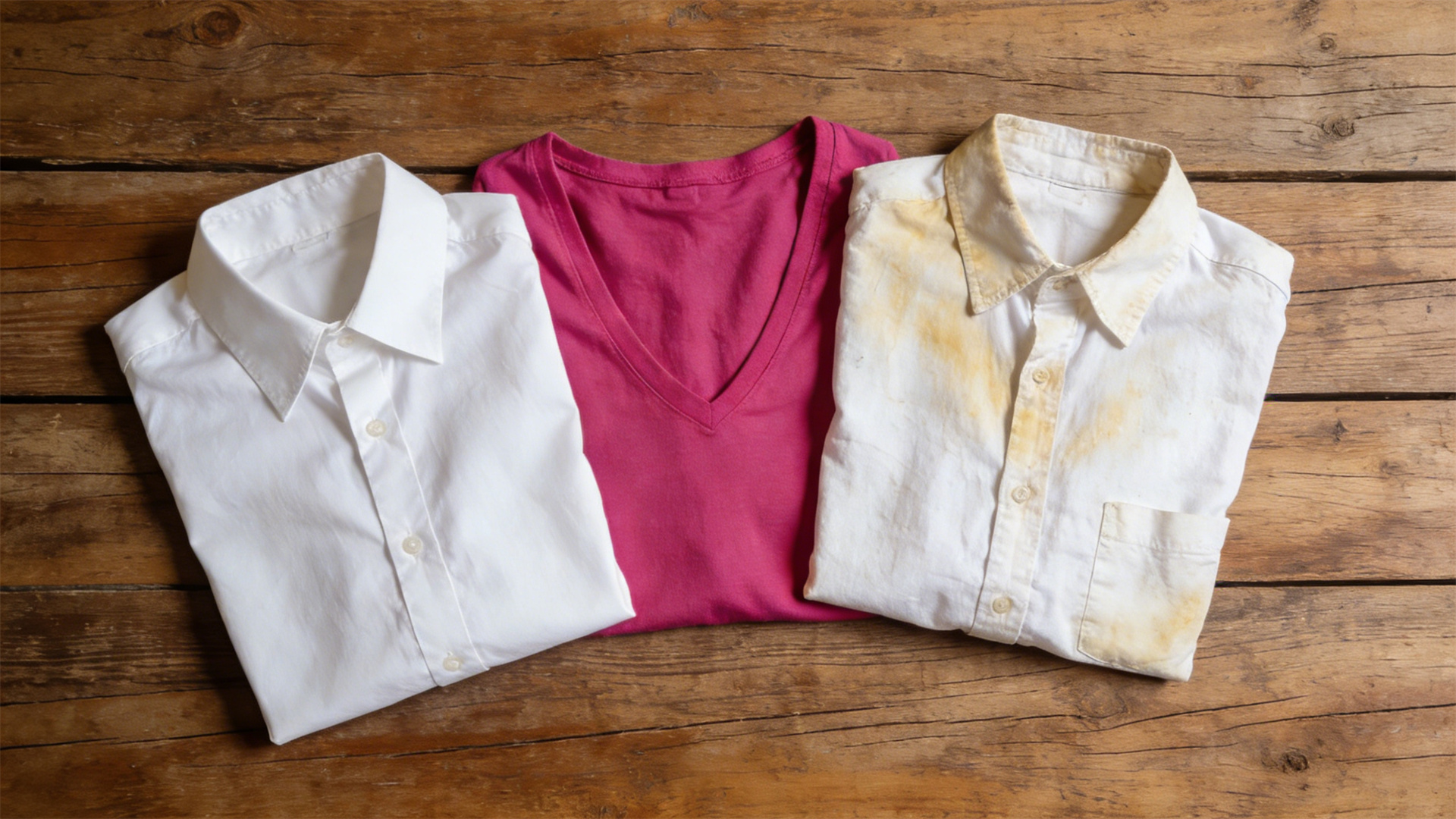
The crisp white shirt. It’s more than a garment; it’s a statement. It speaks of confidence, professionalism, and classic style. The vibrant, colorful counterpart—the bright blouse or bold polo—is equally powerful, radiating energy and personality. Yet, for all their appeal, these wardrobe heroes share a common, frustrating enemy: the slow, inevitable fade into dullness. The brilliant white turns greyish-yellow; the radiant fuchsia softens to a pale pink. This is where The White Shirt Project begins. It’s a dedicated mission, a set of principles and practices, to defy this fade. It’s about understanding that care is not an afterthought but the very foundation of lasting style. This guide is your manual to keeping your whites optically bright and your brights intensely saturated, season after season.

The journey to preservation begins long before the washing machine starts its cycle. It starts in the moment of wear. Being mindful is your first defense. Applying perfume, hairspray, or deodorant *before* putting on your delicate whites and brights is a classic error. These products often contain alcohols and other compounds that can react with fibers and dyes, leading to localized discoloration or weakening of the fabric. For whites, this can mean mysterious yellow stains; for brights, it can cause uneven fading. Similarly, be vigilant against common stains—a splash of coffee, a drop of salad dressing. The golden rule is immediate action. Blot, never rub, with cool water to prevent the stain from setting deeply into the fibers, buying you time for proper treatment.
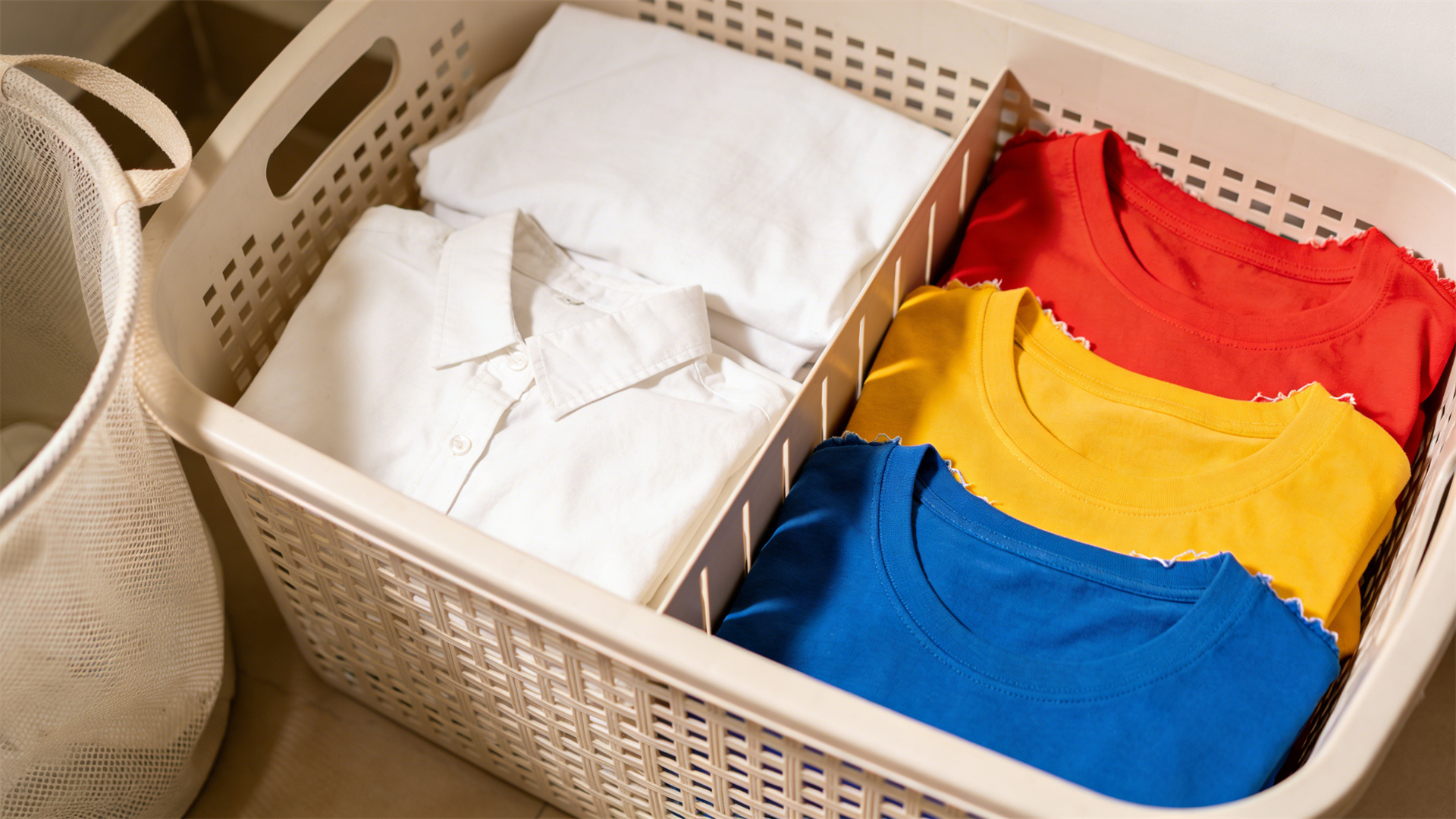
Segregation is the cornerstone of effective laundry care, and for The White Shirt Project, it is non-negotiable. Whites should be washed only with other whites. This prevents lint transfer from darker garments (which is more visible on white) and avoids the accidental bleed of a non-colorfast item turning your whites a pastel shade. But segregation goes further. Separate heavily soiled whites from lightly soiled ones. Wash towels and sheets separately from clothing. For brights, group similar colors together—reds and oranges, blues and greens—to minimize the risk of color transfer. Use mesh laundry bags for delicate items like lace trim or fine knit brights to prevent snagging and excessive friction, which abrades fibers and dulls colors.
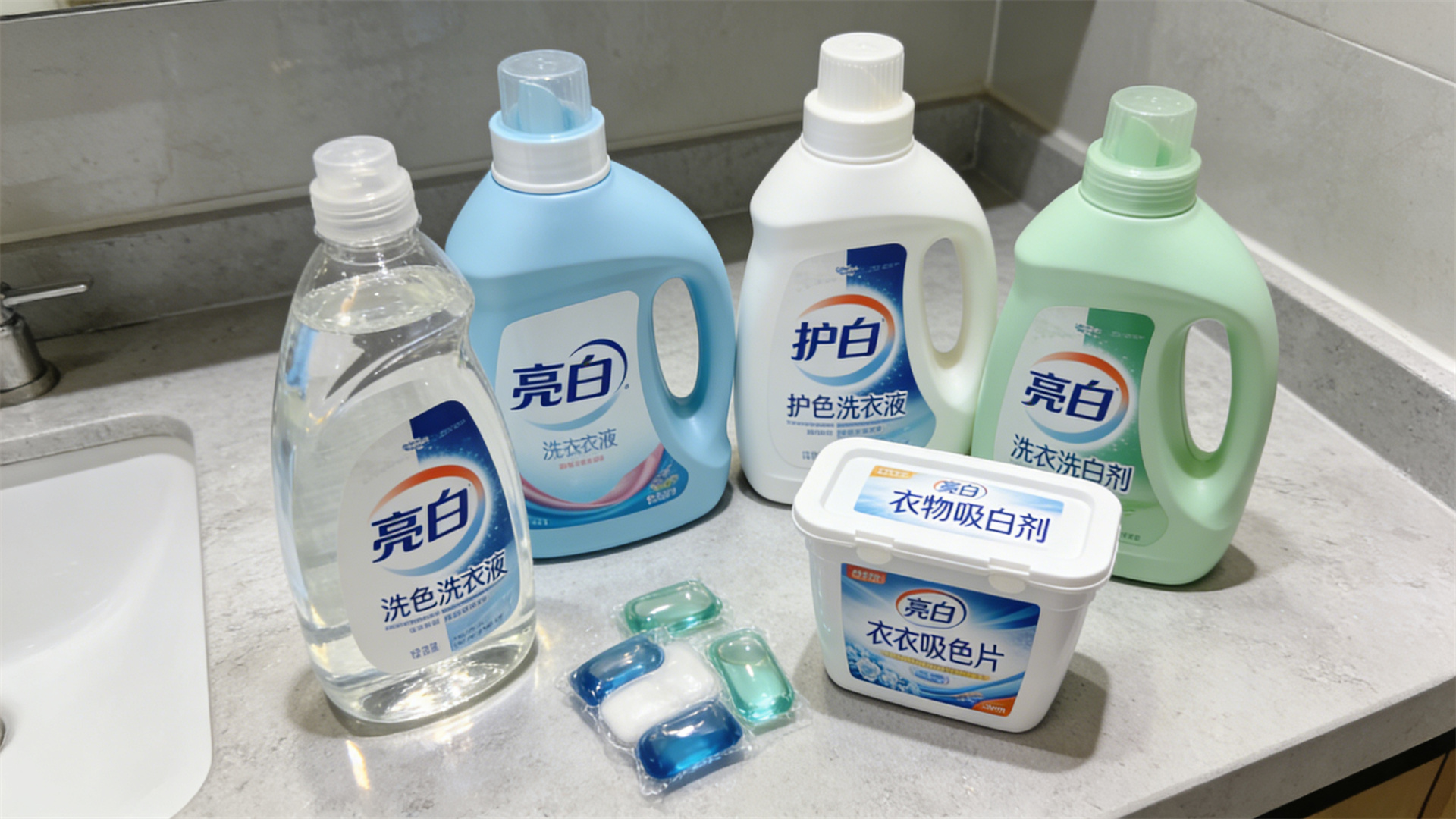
The choice of laundry products is a critical science in this project. For whites, a high-quality detergent is essential, but the real game-changers are optical brightening agents (OBAs) and bluing agents. OBAs are fluorescent compounds that absorb invisible UV light and re-emit it as visible blue light, making whites appear brighter and cooler, countering yellow tones. Many modern detergents contain OBAs. For stubborn greyness or yellowing, a dedicated laundry booster or a soak in a product containing sodium percarbonate (the active ingredient in many oxygen-based bleaches) works wonders. It breaks down organic stains without the harshness of chlorine bleach, which can weaken fibers over time. For brights, the goal is color preservation. Use a detergent specifically formulated for colors—these are often free from OBAs and stronger bleaching agents. "Color catchers" or dye-trapping sheets are invaluable tools; they absorb loose dyes in the wash water, preventing them from redepositing on other garments.
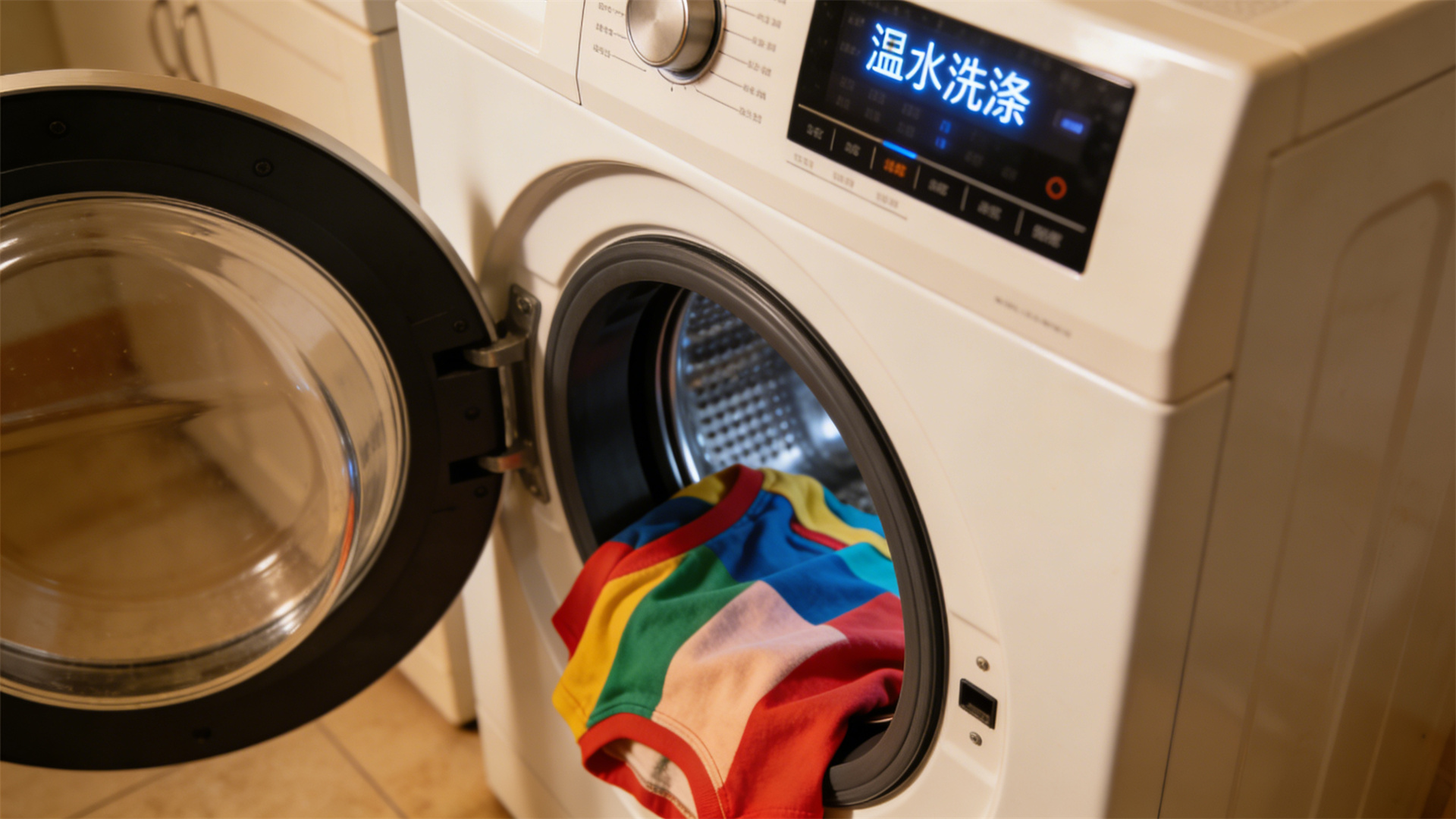
Water temperature is a powerful lever in laundry, and using it correctly is paramount. The old adage of washing whites in hot water has been largely revised. While hot water (130°F/54°C and above) is excellent for sanitizing and tackling greasy stains on robust white cottons, it is also the fastest way to fade bright dyes and can set certain protein-based stains (like blood) if used initially. For most modern whites and virtually all bright colors, warm water (90°F/32°C) is the sweet spot. It provides effective cleaning power for daily soil without being overly aggressive on fibers or dyes. Cold water (60-80°F/16-27°C) is the ultimate protector. It’s ideal for dark brights, delicate fabrics, and for every wash cycle where the goal is purely maintenance and color preservation, as it minimizes dye release and fabric shrinkage.
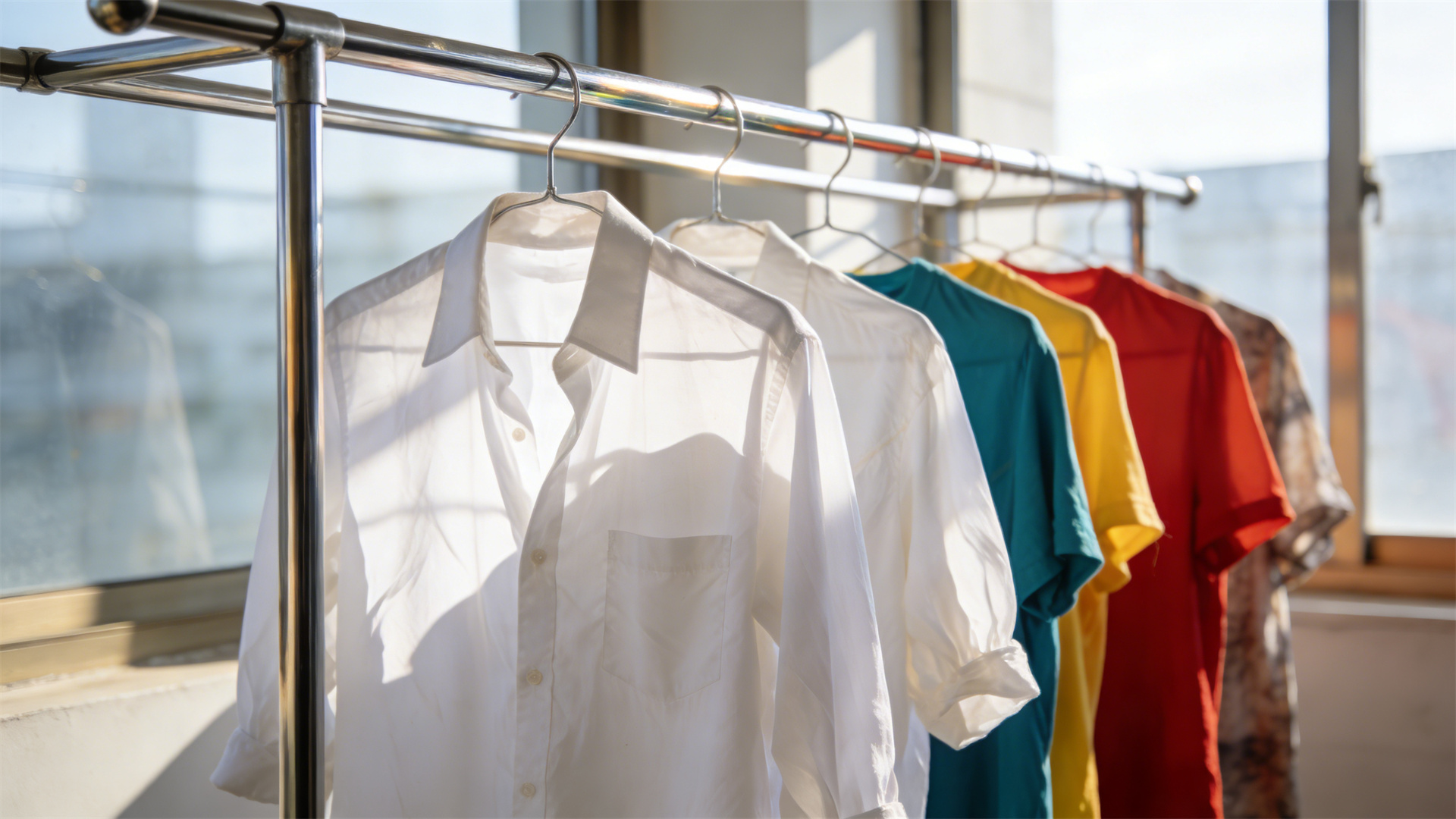
The battle for brightness continues after the spin cycle. How you dry your clothes is just as important as how you wash them. The high, direct heat of a dryer is one of the most significant contributors to fiber damage and color fade. For your project pieces, air-drying is the superior method. Dry whites flat or on a line in the shade. Direct, prolonged sunlight can act as a natural bleach for whites, but it can also slightly degrade fibers over many exposures; for brights, sunlight is a potent fading agent. If you must use a dryer, choose the lowest heat setting possible (often labeled "Delicate" or "Air Fluff") and remove items while they are still slightly damp. This reduces wrinkle setting and heat stress. For crisp whites, ironing while slightly damp with a medium-to-hot iron (appropriate for the fabric) provides a flawless finish. For brights, iron on the reverse side with a suitable temperature to prevent scorching or creating a shine on the fabric.
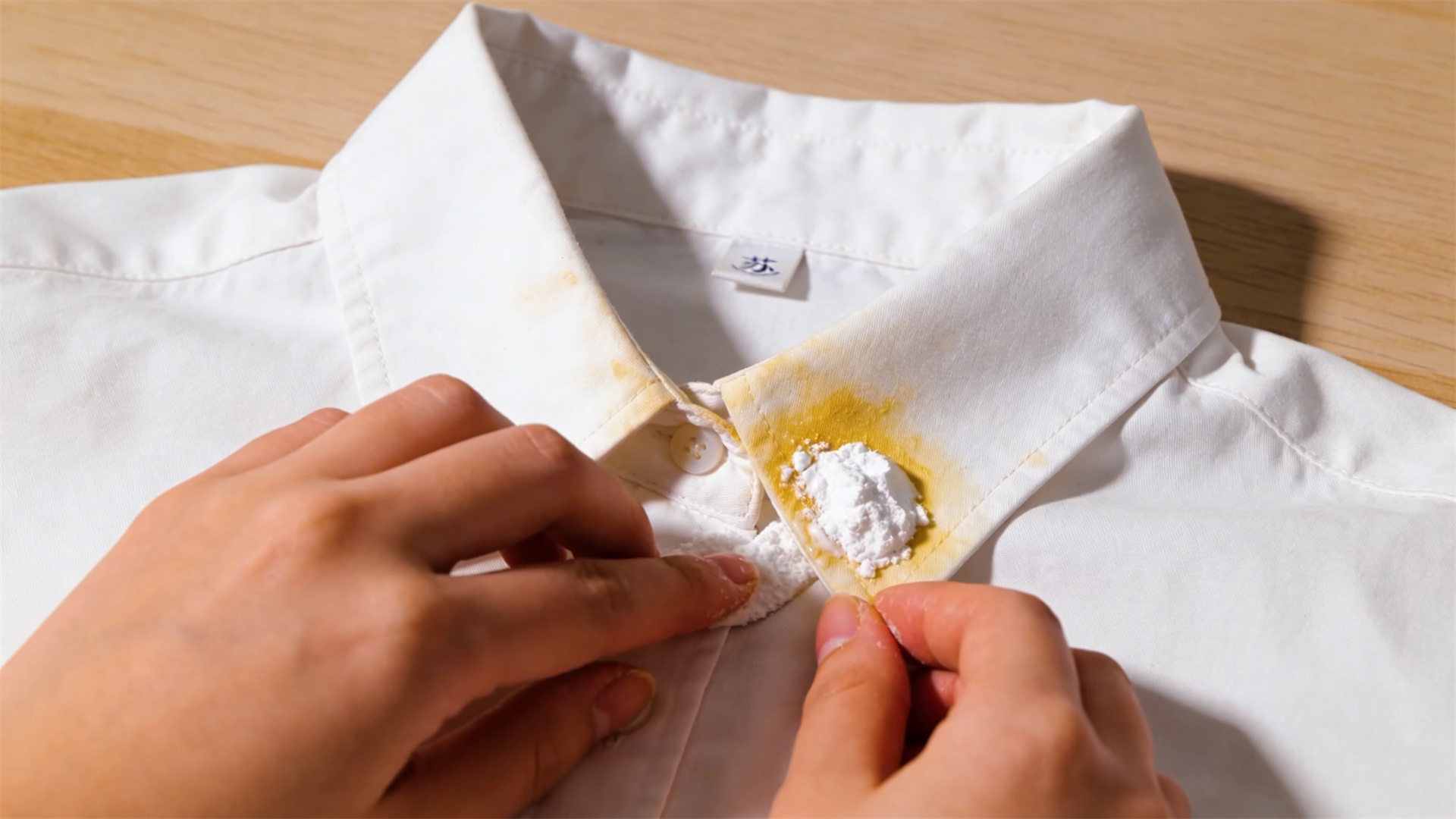
Not all stains are created equal, and a targeted approach is necessary. For whites, treating yellowing underarms or collars often requires a pre-soak. A paste of baking soda and water, or a specialized enzymatic pretreatment applied directly to the area 15 minutes before washing, can break down the body oils and salts that cause discoloration. For brights, dealing with an oil-based stain requires a different tactic. Applying a small amount of clear dish soap (designed to cut grease) directly to the stain, gently working it in, and letting it sit before a cold wash can be highly effective without harming the dye. The key is to always test any treatment on an inconspicuous seam first, especially for bright or delicate fabrics.

Finally, The White Shirt Project is about long-term stewardship. Proper storage protects your efforts. Ensure whites and brights are completely dry before storing to prevent mildew, which is a death sentence for both color and fabric. Store them in a cool, dark, dry place. Avoid wire hangers for fine knits, as they can distort the shoulder shape; use padded hangers instead. For seasonal storage, consider breathable cotton garment bags rather than plastic, which can trap moisture and promote discoloration. Regularly reassess your wardrobe staples. A gentle revival soak for whites or a careful wash with a color-refreshing product for brights can extend their vibrant life even further.
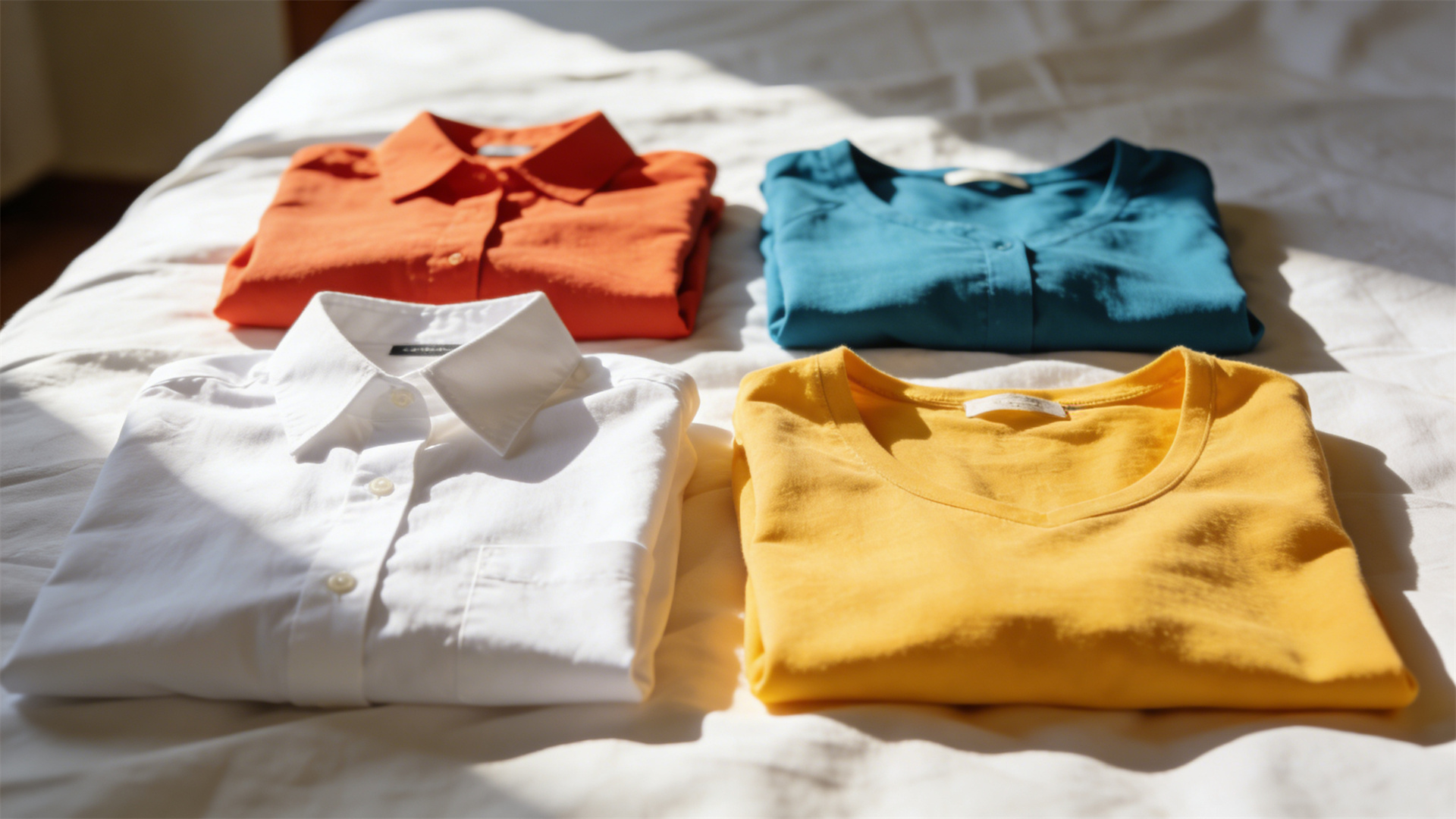
The White Shirt Project isn’t about pursuing impossible perfection; it’s about intelligent, consistent care. It champions the idea that our clothing deserves attention and respect. By mastering the principles of prevention, separation, product selection, temperature control, and gentle drying, you actively combat the forces of dullness. You choose for your whites to stay brilliantly, unequivocally white. You choose for your brights to retain their joyful, vivid depth. It transforms laundry from a mundane chore into a small, sustaining act of preservation, ensuring that these timeless pieces remain powerful statements in your wardrobe for years to come.