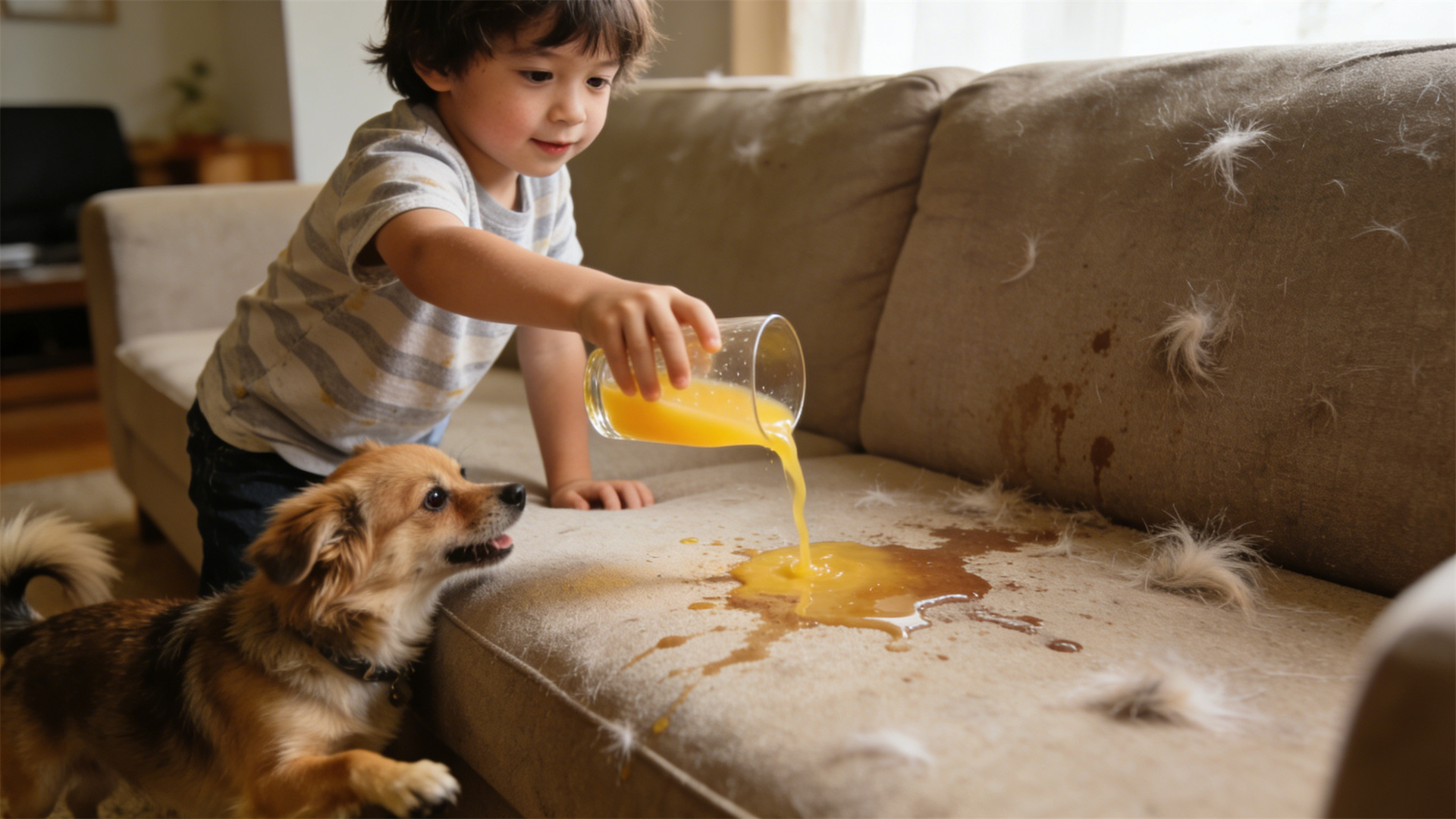
Let’s be honest: the dream of a pristine, magazine-ready home often collides spectacularly with the messy, beautiful chaos of life with kids and pets. In search of a solution, we’re drawn to the siren song of “stain-free,” “easy-clean,” and “performance” fabrics. Marketing departments promise a world where grape juice beads up and pet hair levitates away. But the reality is far more nuanced. The truth is, no fabric is utterly invincible. However, some are heroic defenders against the daily onslaught, while others are delicate prisoners in their own fibers, destined to show every mishap. This guide cuts through the hype to reveal which fabrics genuinely hold up, and which ones are peddling a "stain-free" lie.
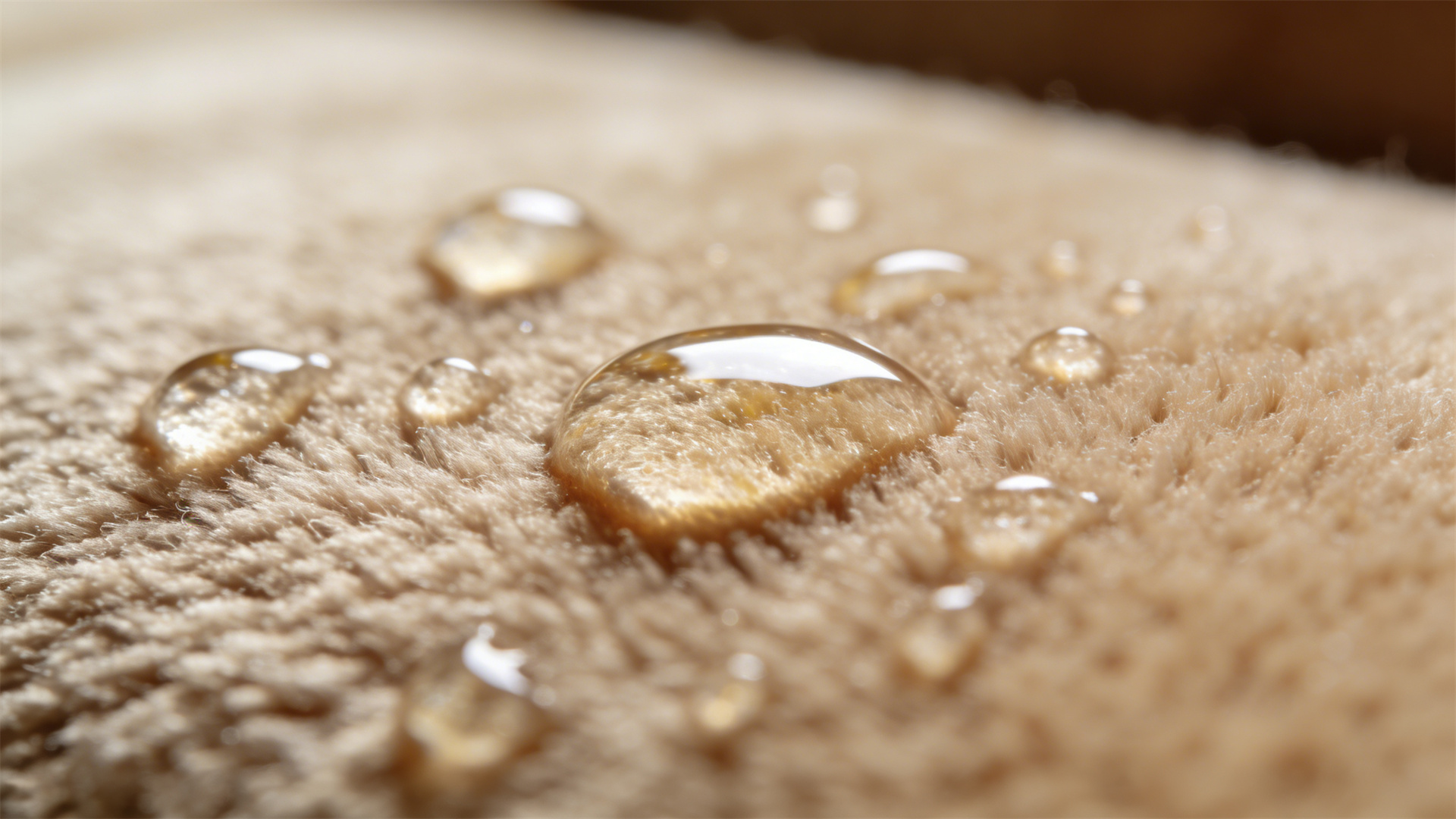
The undisputed champion of the family-friendly fabric world is performance-grade microfiber, specifically the tightly woven, high-density variety. Forget the cheap, thin microfiber of old cleaning cloths. Modern performance microfiber for furniture is a marvel of textile engineering. Its secret lies in its construction: millions of ultra-fine synthetic fibers (usually polyester) woven into an incredibly dense fabric. This density is key. There are no natural pores or gaps for liquids to easily penetrate. A spill like milk or juice will pool on the surface, giving you precious minutes to blot it away without a trace. The texture, often suede-like or velvety, is also naturally resistant to claws and tends to repel pet hair rather than cling to it. While not totally impervious to sharp claws or deep, oily stains if left untreated, its combination of liquid resistance, durability, and ease of cleaning makes it a top contender for heavy-use areas.
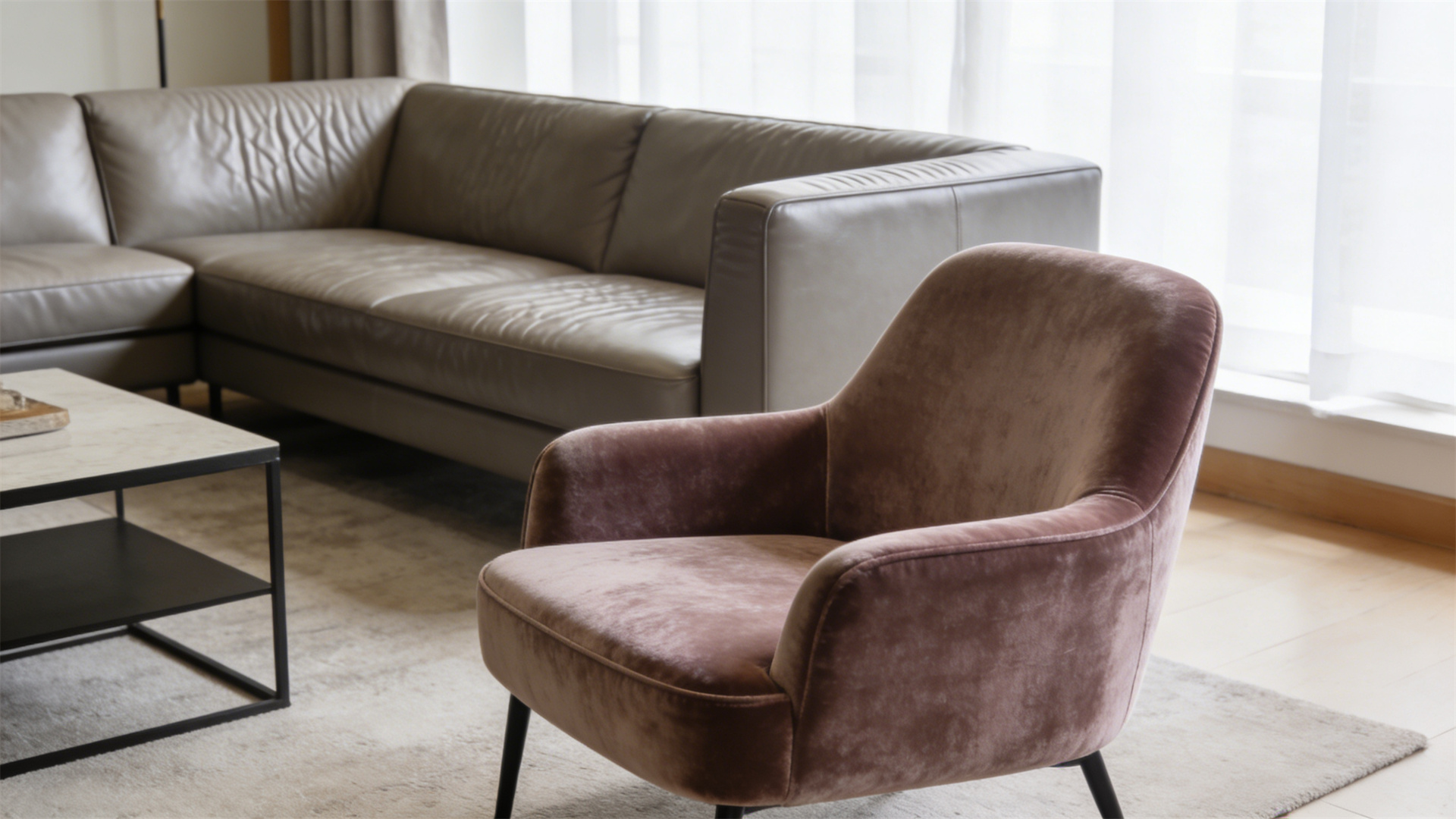
For those seeking a more sophisticated or modern look, synthetic leather (also known as faux or vegan leather) and its high-tech cousin, performance velvet, are excellent choices. Quality synthetic leather, made from polyurethane (PU) or polyvinyl chloride (PVC), provides a non-porous, wipe-clean surface. Almost any spill—from yogurt to mud—can be wiped off with a damp cloth. It’s also a fortress against pet hair and odors, as nothing absorbs into the material itself. The caveat? Cheap versions can peel or crack, and it can be vulnerable to punctures from determined claws or sharp toys. Meanwhile, the new generation of performance velvets, typically made from polyester or nylon, is a revelation. Unlike traditional cotton velvet, which is a stain magnet, these velvets are treated during the yarn or weaving process to be inherently stain- and moisture-repellent. They offer a luxurious feel with remarkable resilience, often outperforming many natural fabrics.
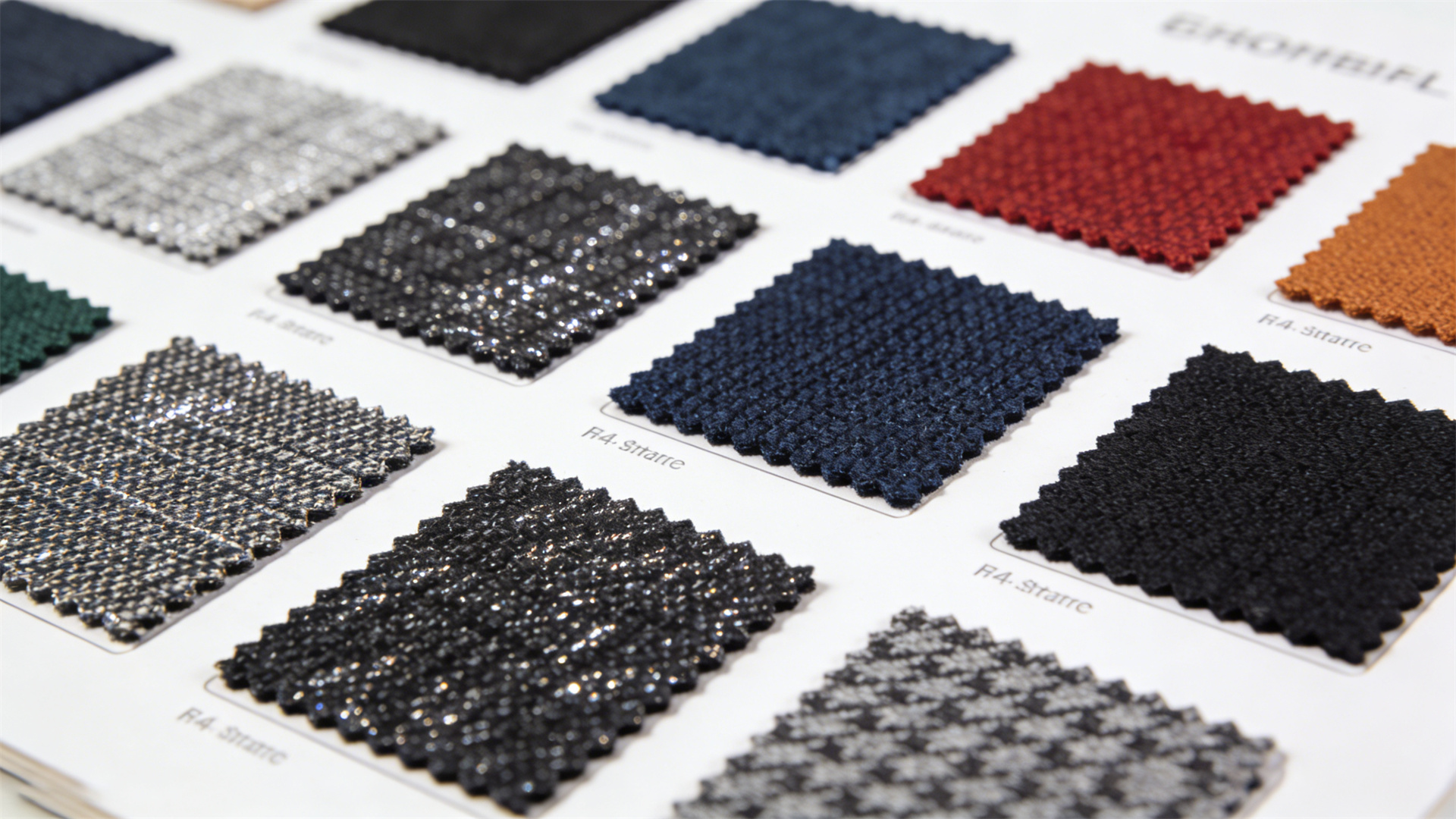
Moving into the realm of specifically engineered fabrics, Crypton and Sunbrella stand as brand-name titans. These are not generic fabric types but proprietary textiles built from the fiber up for extreme performance. Crypton, often used for upholstery, is a composite fabric (usually a polyester core with a nylon surface) that is engineered to be stain-resistant, moisture-repellent, breathable, and antimicrobial—all without topical chemical treatments that can wear off. It famously resets oils, dyes, and bodily fluids, making it a top choice for homes with pets prone to accidents or kids with sticky fingers. Sunbrella, originally famed for outdoor furniture, has moved indoors with equal force. Its 100% solution-dyed acrylic fibers mean the color is embedded throughout the fiber, making it exceptionally fade-resistant and bleach-cleanable. You can often use a mild bleach solution to eradicate even the toughest biological stains without damaging the fabric’s color or integrity. These fabrics represent the gold standard where performance is non-negotiable.
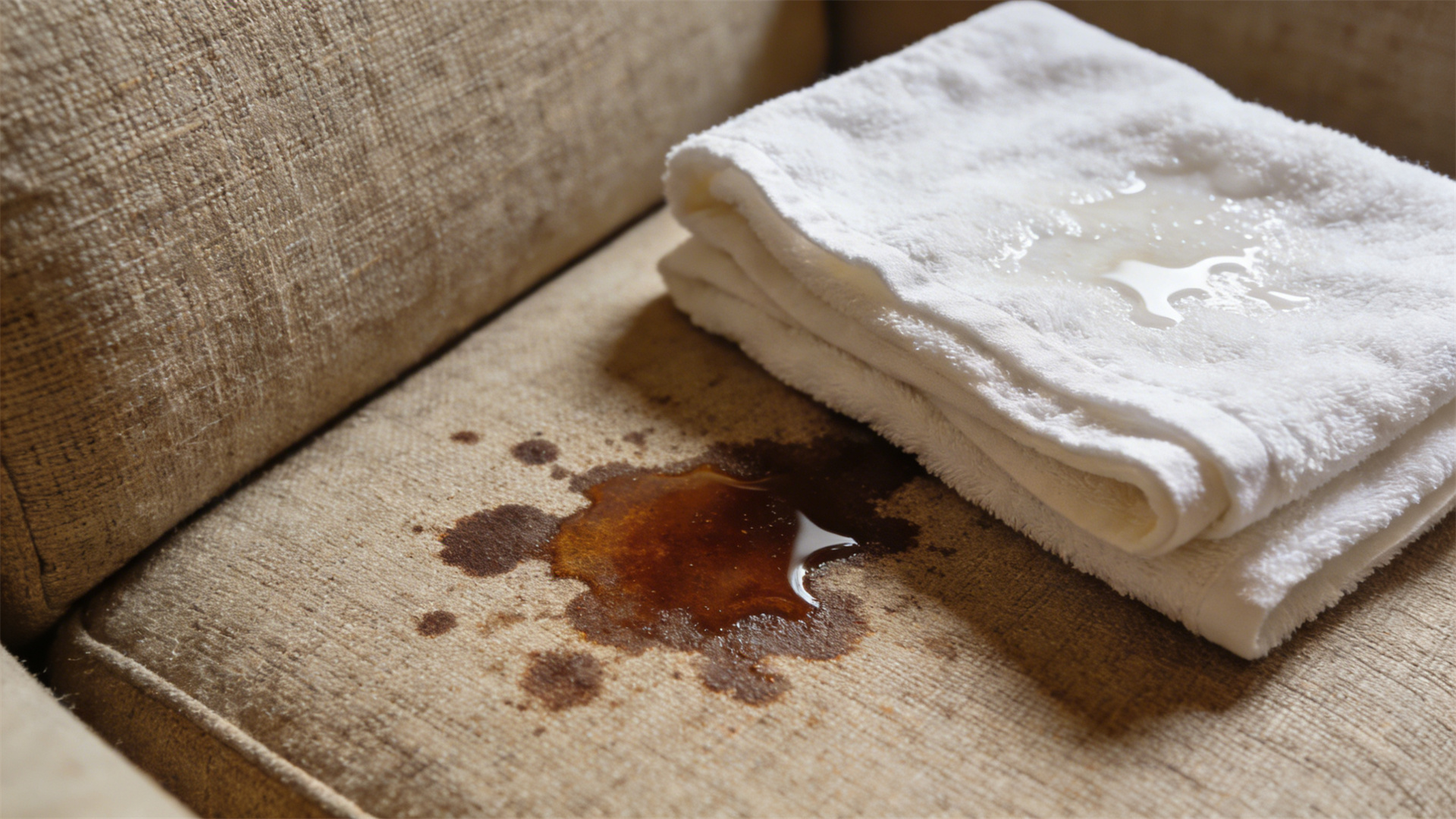
Here is where the "stain-free" lie is often most blatant: natural fibers. Cotton, linen, wool, and silk in their pure, untreated forms are beautiful but vulnerable. They are absorbent by nature. A spill on a plain cotton canvas or linen slipcover is a race against time; the liquid wicks deep into the fibers, carrying the stain with it. However, this category has a crucial asterisk. Treated natural fabrics and specific, durable weaves can bridge the gap between natural appeal and practicality. For instance, a heavy, tightly woven cotton canvas or denim, especially if treated with a aftermarket fabric protector, can offer decent resistance and is very durable. The real star here is wool, particularly in its felted or tightly woven forms. Wool has natural stain resistance due to its lanolin content and complex fiber structure; water-based spills often bead up initially. It’s also durable, resilient, and hides soil well. The key is to look for performance blends or explicitly treated versions of natural fabrics—never assume a pure linen sofa will forgive a juice box explosion.
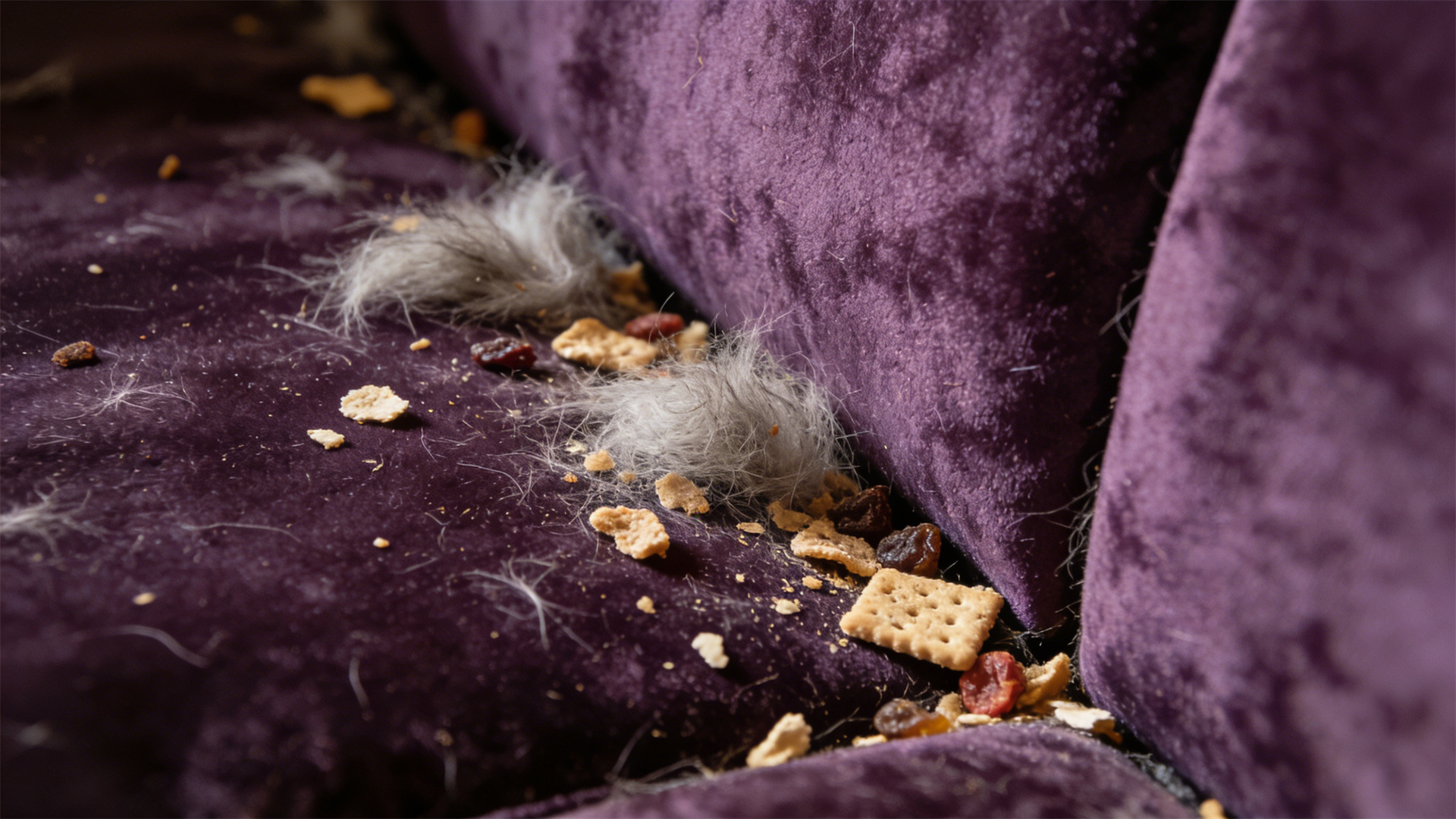
The biggest pitfall for families lies in delicate weaves and certain synthetic blends that masquerade as tough. Fabrics like silk, viscose (rayon), mohair, and loose, open weaves (like some bouclés or chenilles) are high-maintenance nightmares in a lively household. Viscose, in particular, is a deceptive culprit. Made from plant cellulose, it feels lovely but is notoriously hydrophilic—it absorbs water and stains almost instantly, often leading to permanent watermarking. Any fabric with a loose, nubby texture will trap crumbs, pet hair, and liquids deep within its hills and valleys, making clean-up a forensic exercise. These are the fabrics that transform a minor spill into a permanent reminder, proving that a high price tag does not equal high durability.
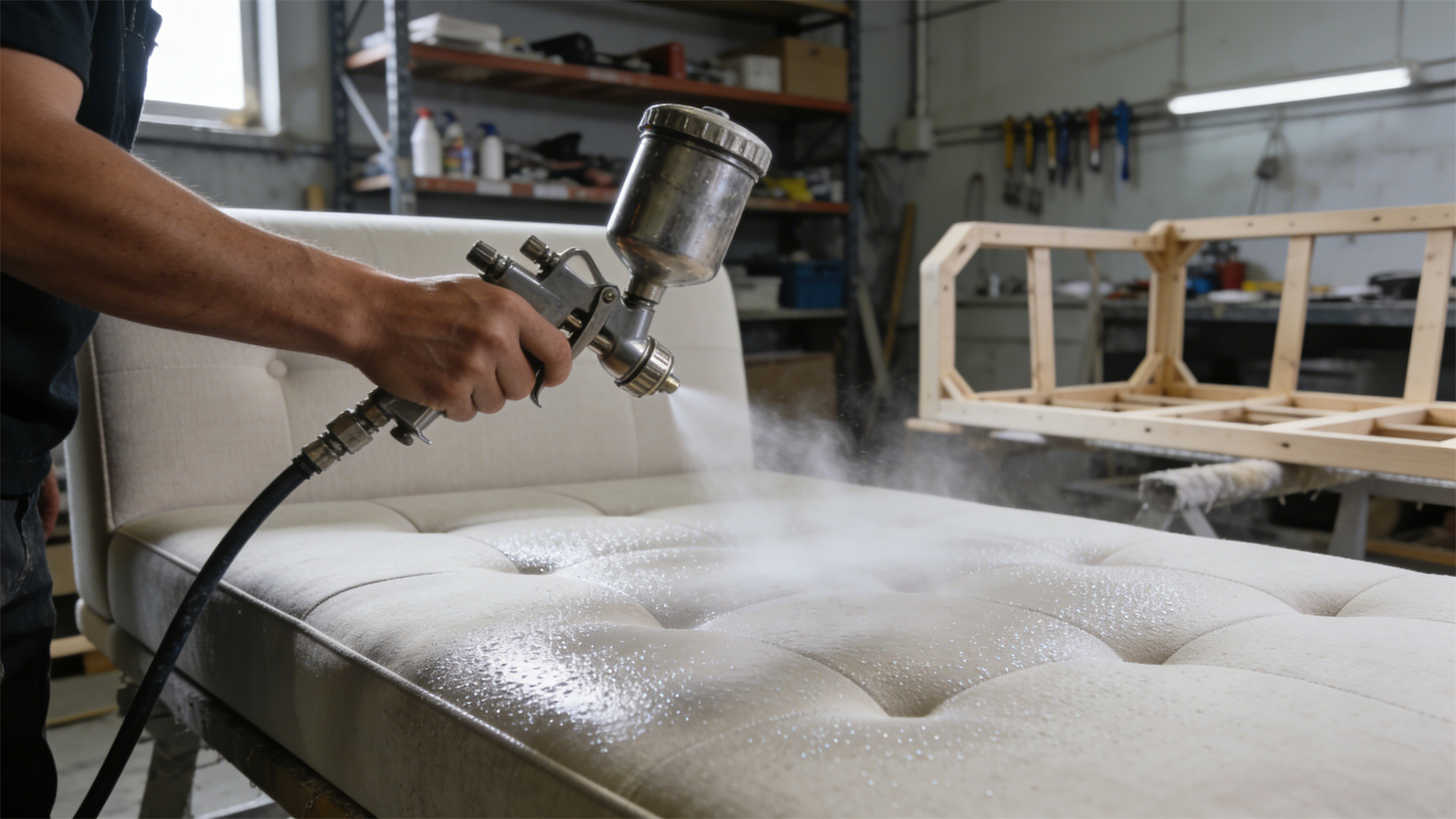
Finally, we must address the "treatment trap." Many mid-range furniture pieces come in average fabrics touted as "stain-treated" or "with stain guard." This is often a topical, after-market chemical application (typically a fluoropolymer-based spray). While helpful for a time, this coating wears off with friction, cleaning, and time—usually within six months to a year of regular use. Relying on this as a permanent shield is a mistake. It's far better to choose a fabric that is inherently stain-resistant due to its fiber content and weave (like the performance microfibers, solution-dyed acrylics, or engineered composites mentioned above) than to gamble on a treatment that will degrade. For existing furniture you love, applying a high-quality protector yourself can be a good defensive move, but it should be reapplied periodically.
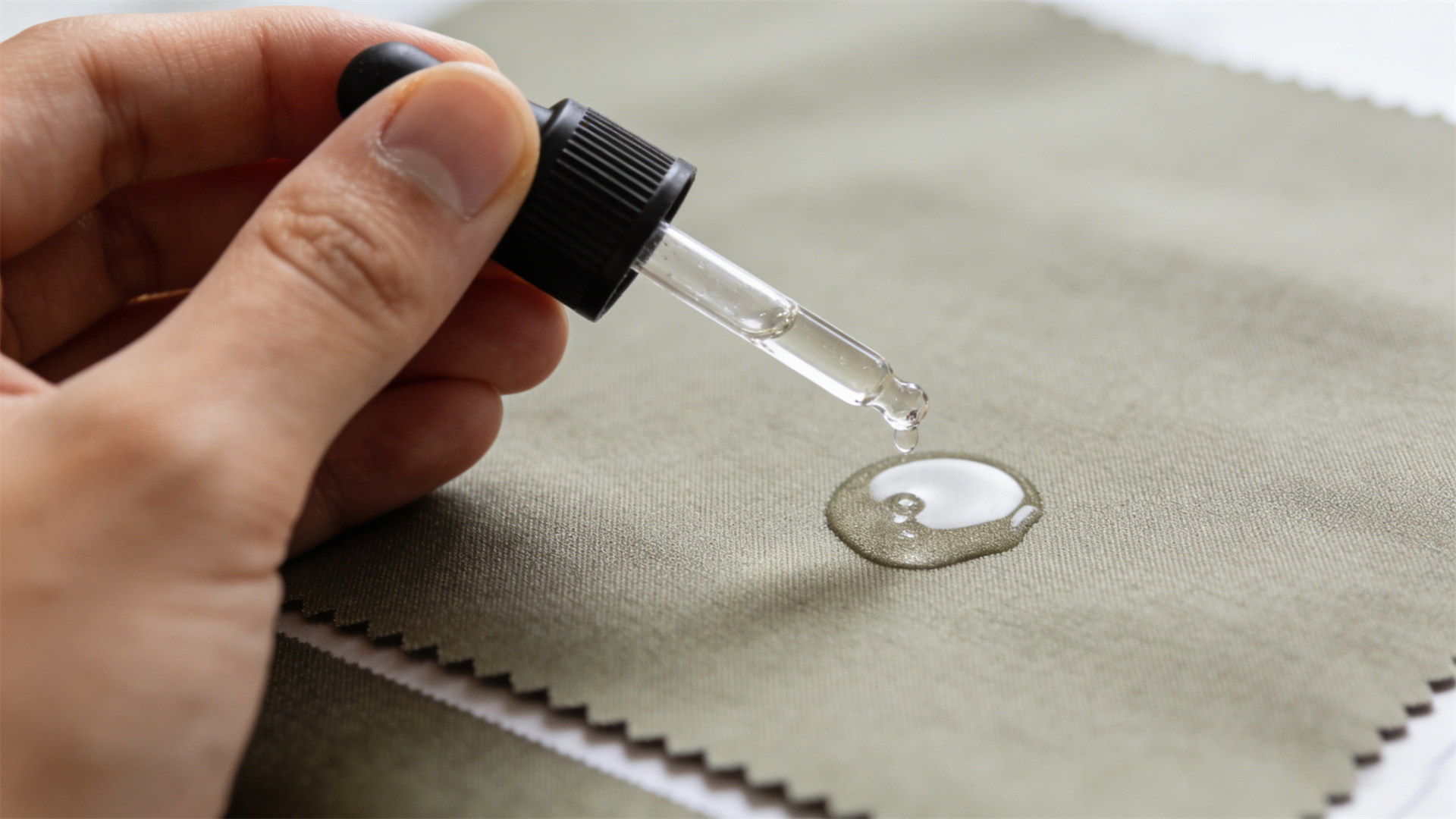
So, how do you navigate this landscape? First, abandon the quest for "stain-free." Seek instead "stain-resistant," "high-performance," and "easy-clean." Always, always ask for a fabric swatch. Test it at home: drip water, coffee, or a bit of cooking oil on it, let it sit for a few minutes, then try to blot it clean. Rub it vigorously to test for abrasion, and press a piece of tape to it to see how it handles pet hair. Look for fabrics with a high rub count (the Martindale or Wyzenbeek test)—30,000+ double rubs is a good indicator of durability for residential use. Finally, embrace the power of pattern and color. A medium-toned, multi-colored pattern (a subtle tweed, a geometric print, or a textured weave in a gray or navy blend) will do more to camouflage the inevitable small stains and pet hair than any solid, light-colored fabric ever could.

The perfect, indestructible fabric may be a myth, but intelligent choices are not. By prioritizing engineered synthetics, high-performance brands, and smart weaves over marketing claims and delicate naturals, you can choose furnishings that stand up to real life. Your home won’t be a sterile showroom, but a comfortable, resilient space where the evidence of a life well-lived—pets, kids, and all—doesn’t have to become a permanent fixture on your sofa.