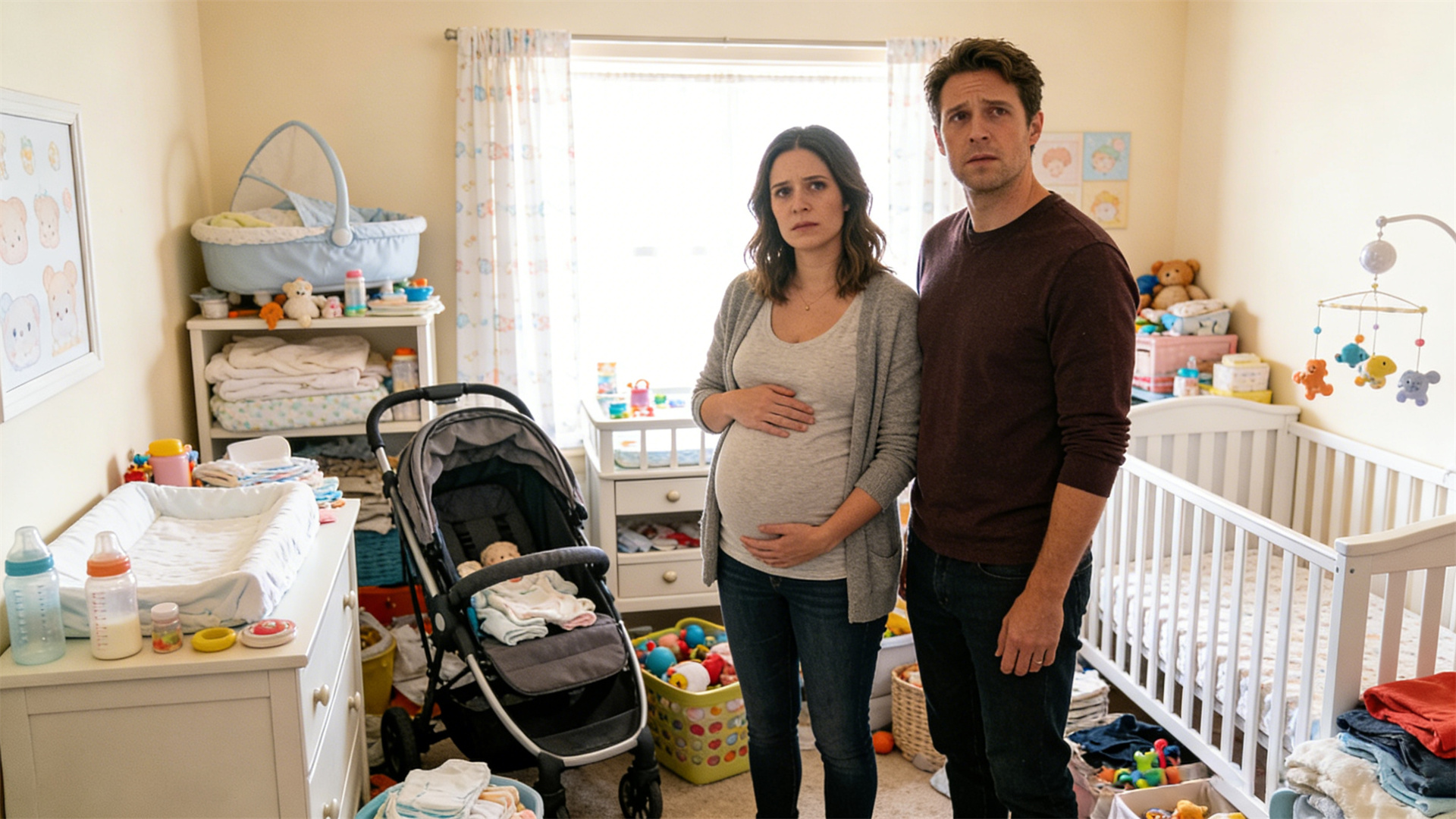
The journey to preparing a nursery is often paved with equal parts excitement and overwhelm. As you browse through endless catalogs and curated Instagram feeds, it's easy to feel like you need to fill the room with every adorable, cleverly marketed baby item available. The truth is, a safe, functional, and peaceful nursery doesn't require a warehouse of furniture. The key is to focus on the essentials that support your baby's core needs—sleeping, changing, feeding, and comfort—while avoiding pieces that clutter the space, drain your budget, and ultimately go unused. Let's cut through the noise and break down the furniture you genuinely need versus what you can confidently skip.
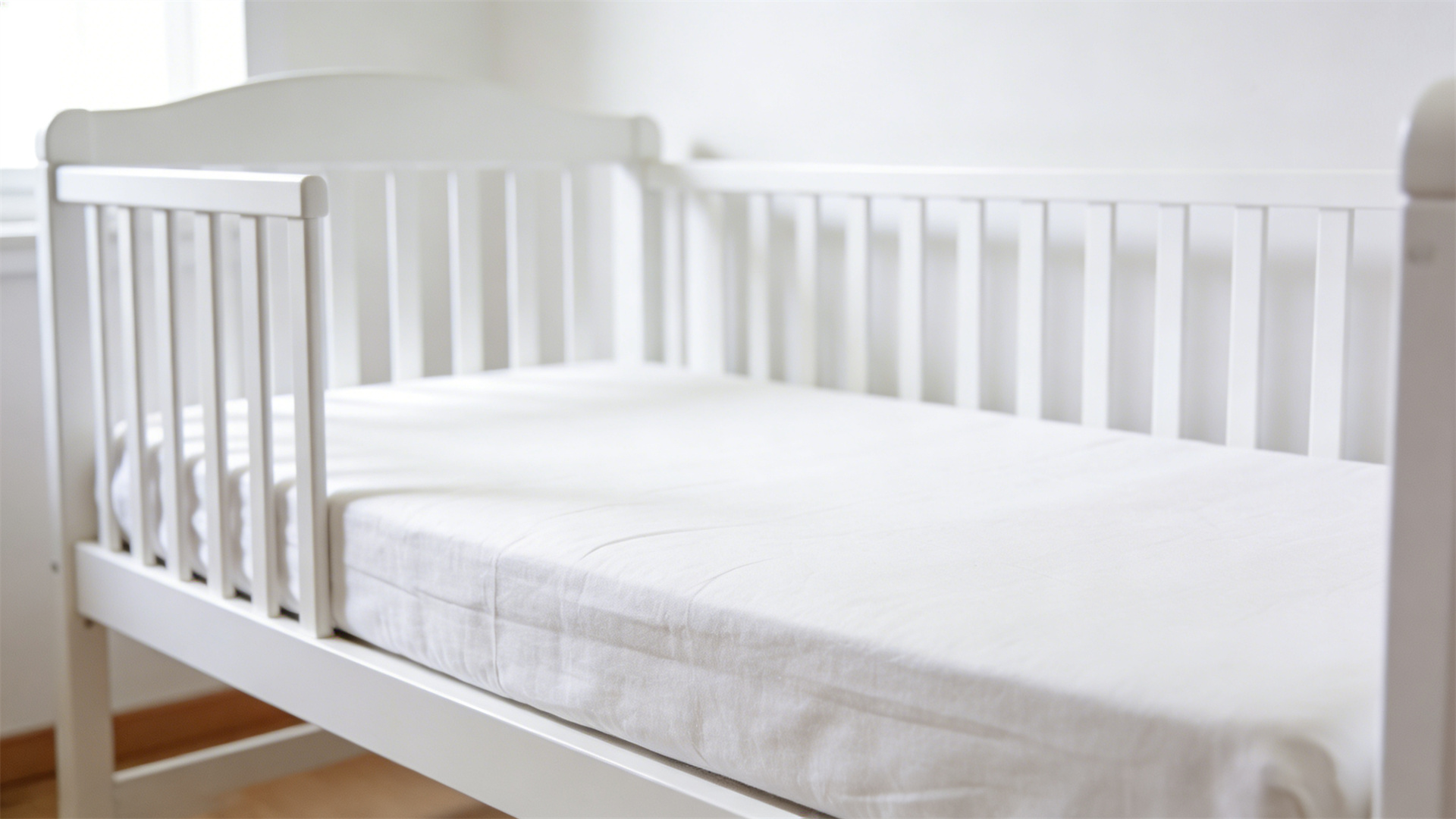
A safe and comfortable place for your baby to sleep is, without question, the non-negotiable centerpiece of the nursery. This starts with a sturdy crib that meets all current safety standards—no drop-sides, with slats spaced no more than 2 3/8 inches apart. While the classic crib is perfect, consider a convertible crib that transforms into a toddler bed and sometimes even a full-size headboard. This is a legitimate piece of furniture you’ll use for years, making it a worthwhile investment. The mattress is just as crucial; choose a firm, snug-fitting one specifically designed for infants to reduce the risk of SIDS. Fancy crib designs with elaborate canopies or built-in drapes might look beautiful in a showroom, but they pose safety hazards and are purely decorative. Your baby needs a simple, safe sleep space above all else.
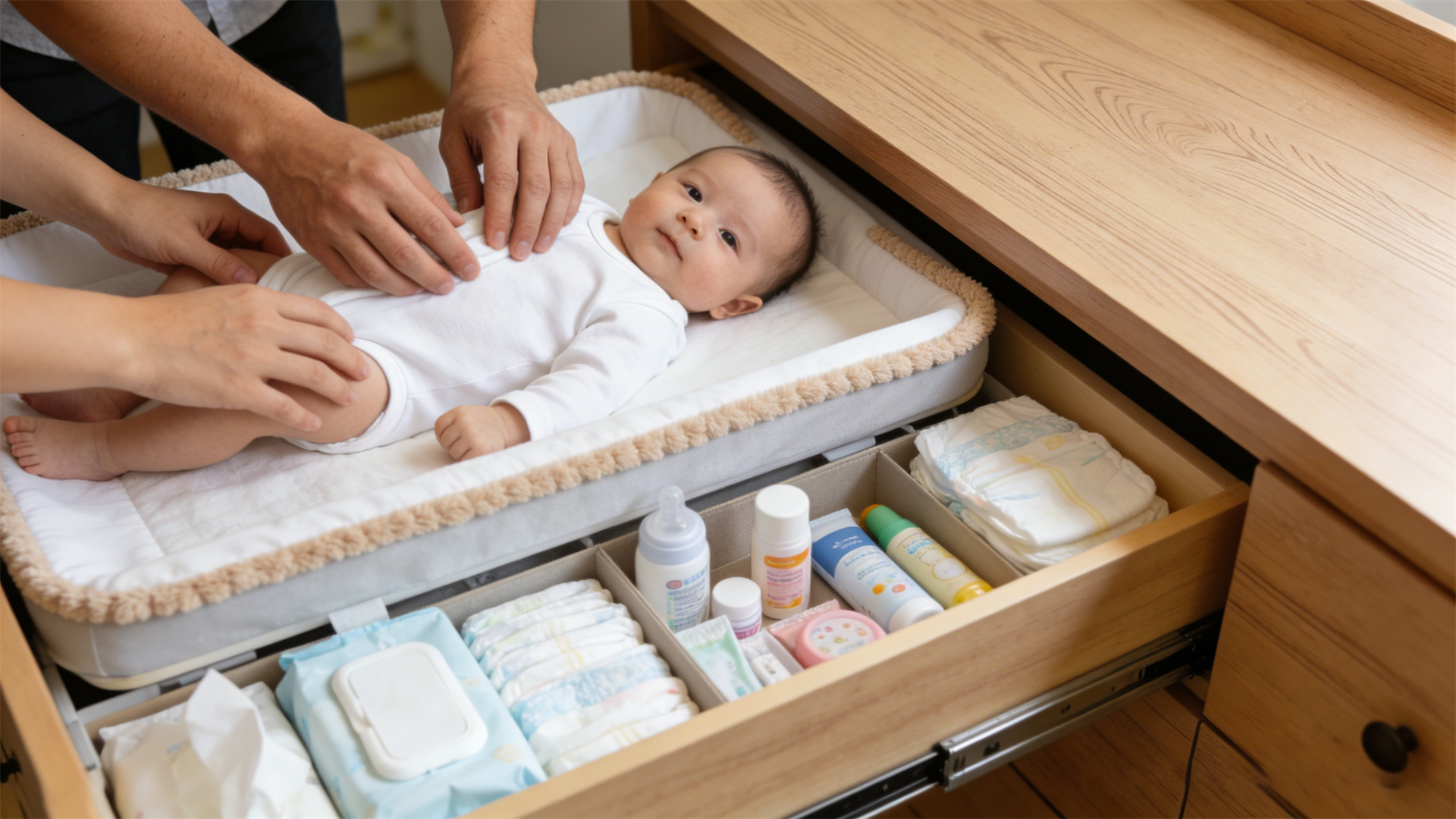
The changing table is a piece that often sparks debate. While you can technically change a diaper anywhere, a dedicated changing station is a true back-saver and organizational hub during those early months of countless diaper changes. A proper changing table or dresser-topper at waist height prevents you from hunching over a bed or floor, which is a genuine relief for your posture. More importantly, it keeps all your diapering supplies—wipes, creams, diapers, a change of clothes—within arm's reach, contained, and away from a curious baby. What you don’t need is a standalone, single-purpose changing table that becomes obsolete once diapering ends. Opt instead for a sturdy, wide dresser that can securely hold a changing pad on top. This way, you get a essential piece of storage furniture that will serve you long after the diaper pail is gone.
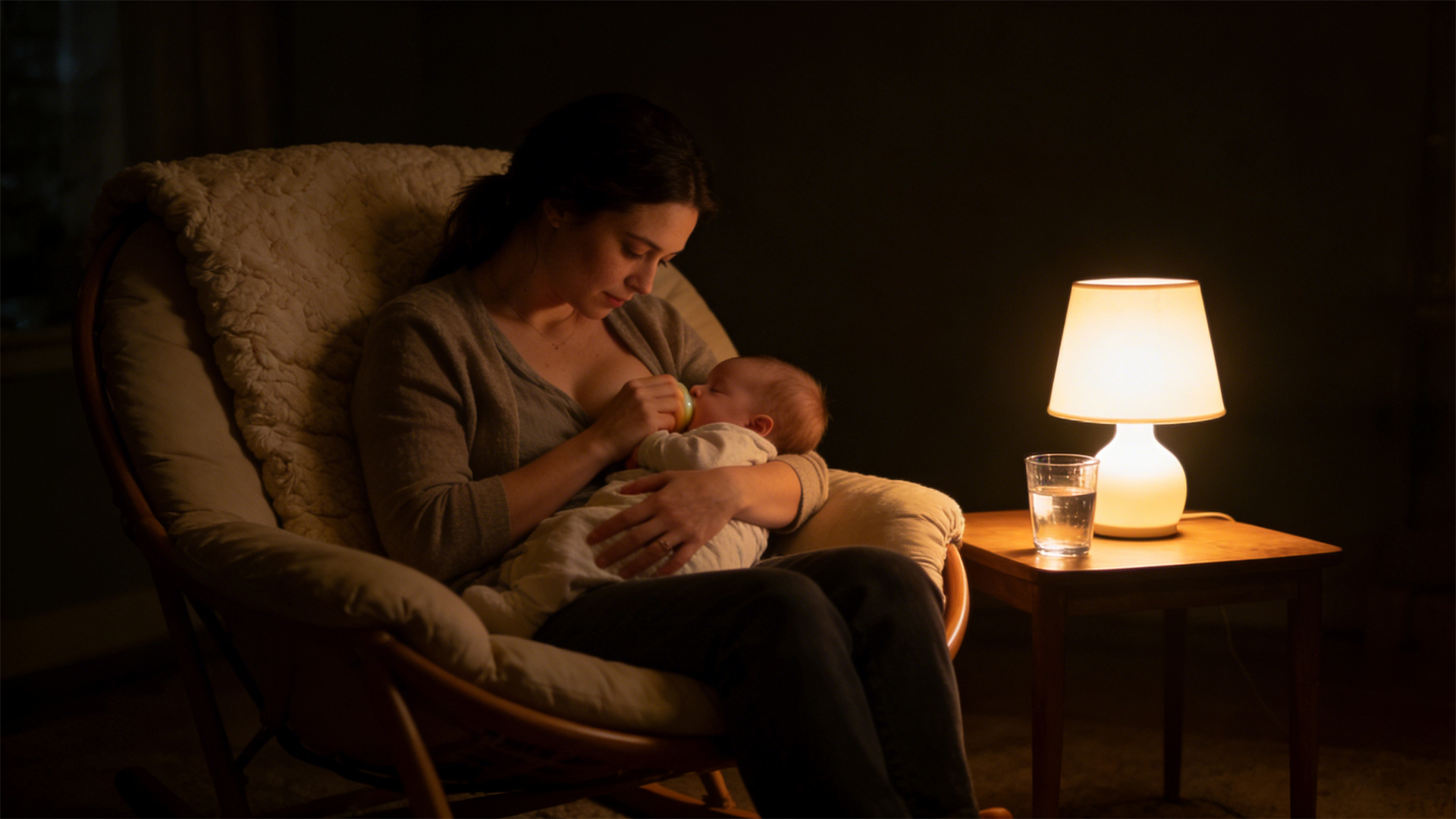
You will spend countless hours in the nursery feeding, rocking, and soothing your baby, especially during the midnight hours. A comfortable, supportive chair is not a luxury; it’s a survival tool for you. Look for a glider or a rocking chair with padded armrests and good lumbar support. The smooth, gentle motion can help calm a fussy baby, and the ergonomic support is vital for you during long feeding sessions. While a standard armchair might seem like a cheaper alternative, the specific motion of a glider is uniquely effective. However, you can skip the oversized, ultra-plush “nursing throne” with a dozen mechanical features and built-in coolers. These are often prohibitively expensive and bulky. A simple, well-made glider or rocker, paired with a sturdy side table for a water bottle, lamp, and your phone, is the perfect and practical combination.
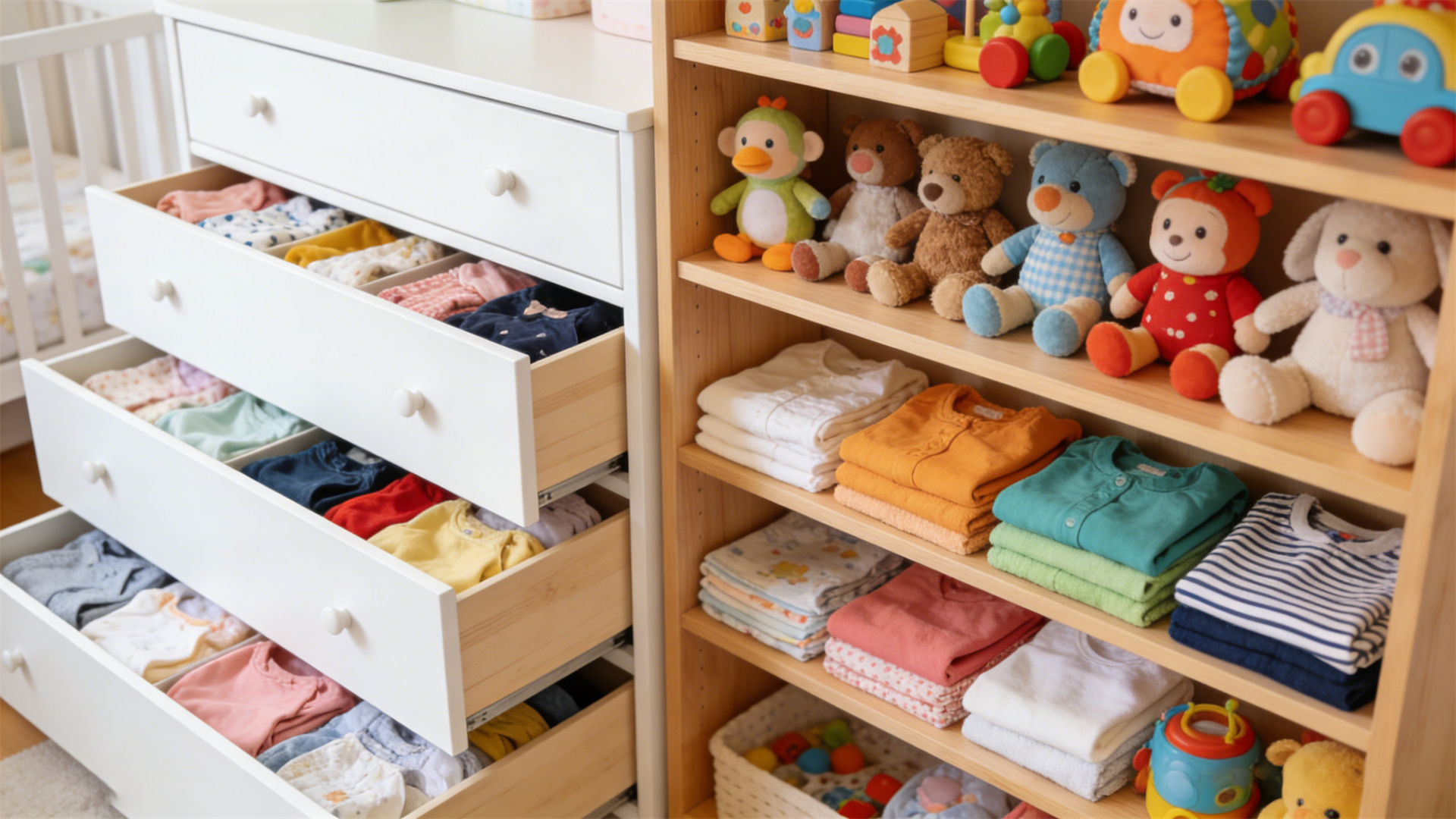
Storage is the silent hero of a functional nursery. Babies may be small, but their belongings are not. Effective storage furniture keeps the room calm, safe, and clean. You absolutely need a dresser for clothing, blankets, and sheets. As mentioned, combining this with a changing pad makes it a dual-purpose powerhouse. You also need closed storage for toys, books, and miscellaneous items to avoid visual clutter—think a simple cupboard, bins on a shelf, or baskets. Open shelving can be useful for displaying a few special items or keeping frequently used books handy, but avoid excessive, decorative shelving units meant solely for knick-knacks. You don't need a dedicated, miniature wardrobe or armoire unless you have an extraordinary amount of hanging clothing (most baby clothes are best folded). Focus on flexible, scalable storage that can adapt as your child grows.
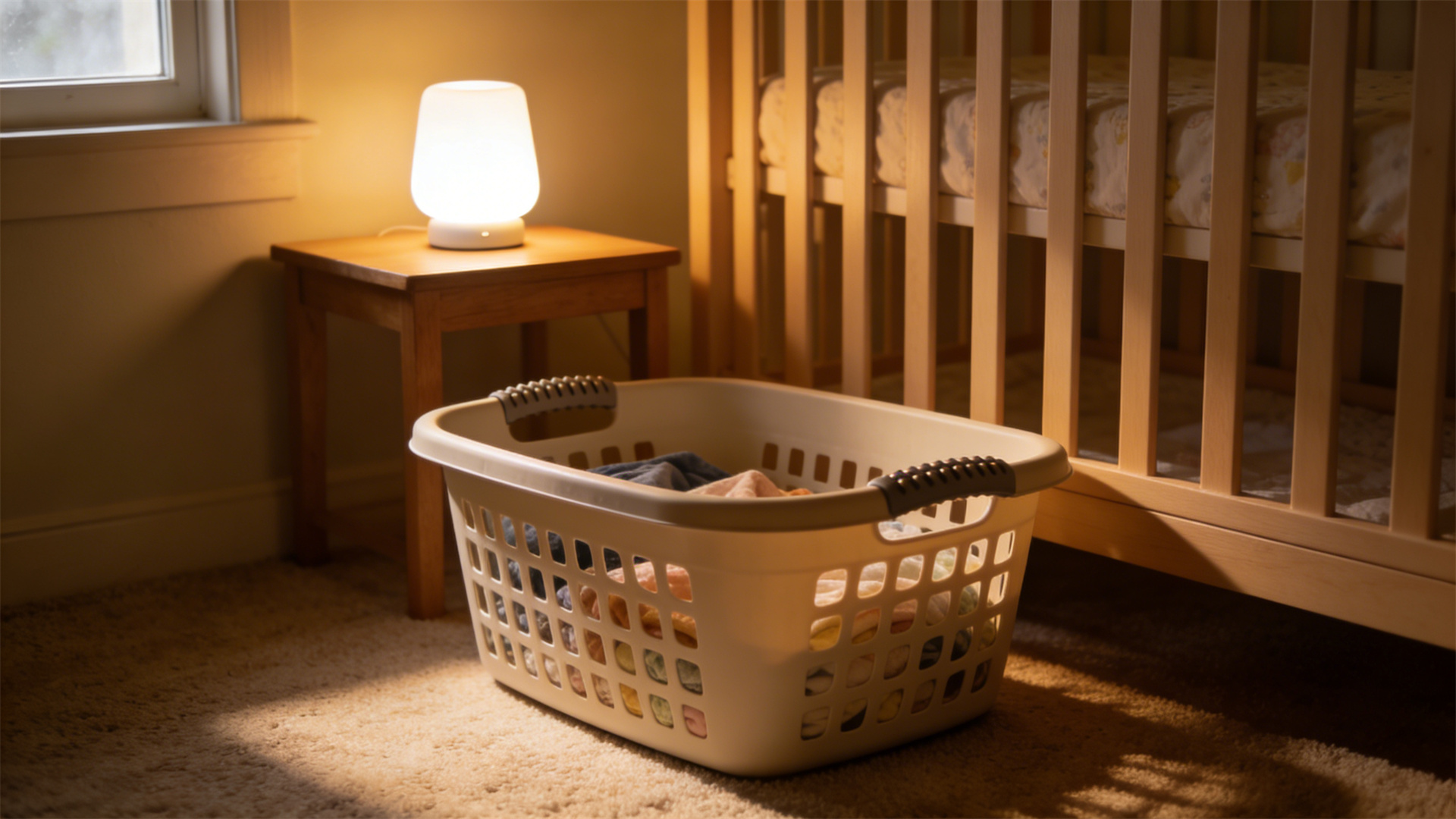
The final category revolves around safety and the finishing touches. A sturdy, tip-proof laundry hamper is a need, keeping soiled clothes and linens off the floor. A small, stable nightstand or shelf next to your glider is essential to hold necessities within reach. When it comes to decor, you need safe, functional lighting: a dimmable main light for playtime and a soft nightlight or lamp for nighttime checks without fully waking the baby. What you categorically do not need is excessive, bulky "baby" furniture that serves no core purpose. This includes dedicated toy boxes (which become dumping grounds and safety hazards if lids are heavy), decorative but unstable tables, ornate crib sets with bumpers and pillows (which are unsafe), and any furniture with sharp corners in high-traffic areas. Every piece should earn its place through utility or meaningful comfort.
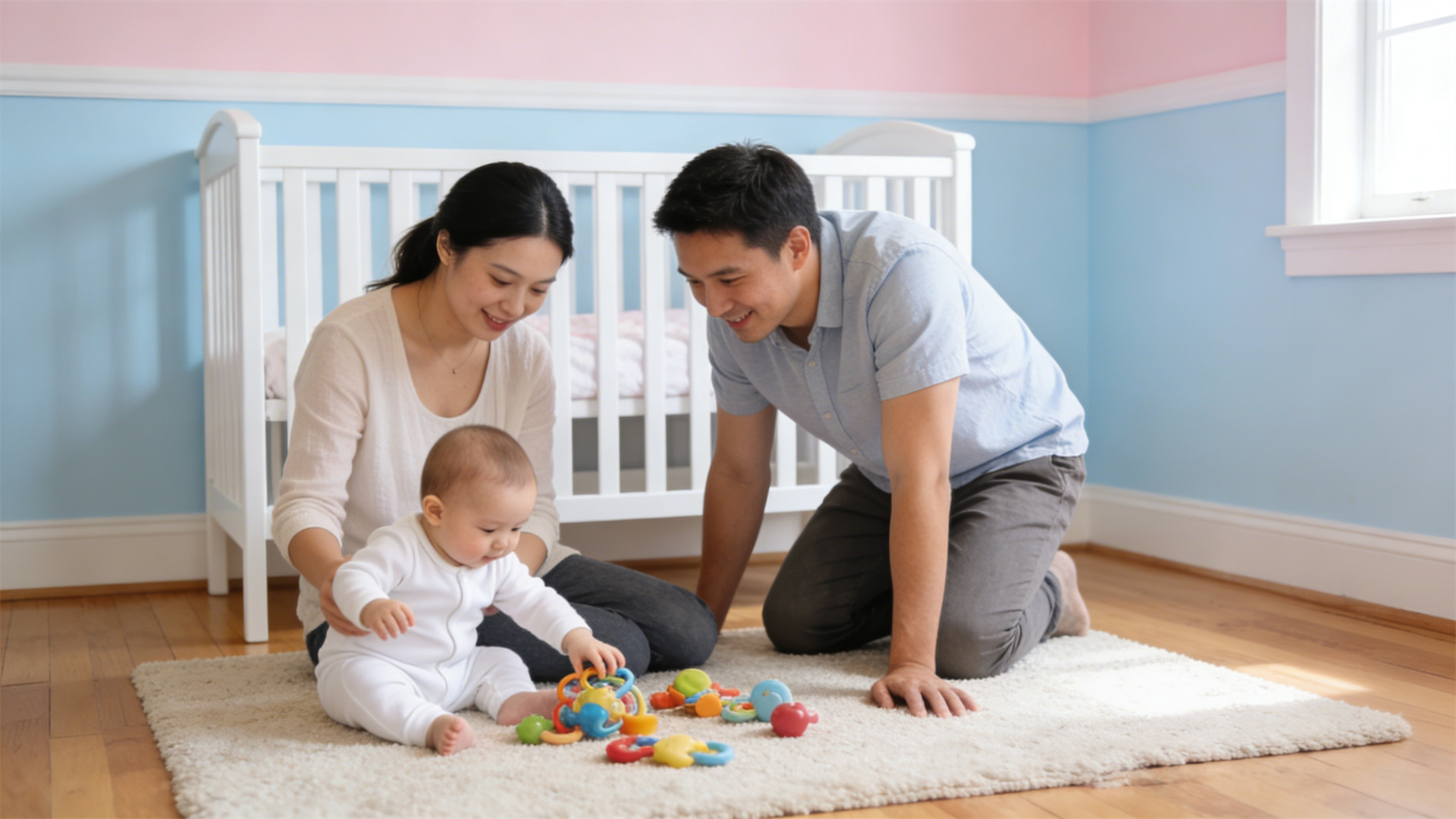
Creating the perfect nursery is less about filling a checklist from a store and more about thoughtfully curating a space that serves both your baby and you. By investing in the core pieces—a safe crib, a dual-purpose dresser/changer, a comfortable chair, and smart storage—you build a foundation of functionality and calm. By resisting the allure of non-essential, single-use furniture and decor, you save money, preserve precious space, and reduce clutter. Remember, the most important element in the nursery is the love and care you provide. A simple, safe, and thoughtfully arranged room allows you to focus on just that.