The familiar pang of panic is instant and cold. You reach for your phone to check your location, only to be met by the mocking emptiness of "No Service." A frantic search of your bag confirms your worst fear: the paper map is gone, left behind on the hotel bed or crumpled at the bottom of a different pack. You are officially, undeniably lost. The comforting digital lifeline to the world has snapped, and the ancient safety net of cartography is absent. Your heart races, and the once-charming wilderness or confusing labyrinth of old city alleyways suddenly feels threatening. This scenario is a modern traveler’s primal fear. But losing your way without technology doesn’t have to spiral into disaster. By shifting your mindset and using fundamental skills, you can navigate your way back to safety.

The absolute first and most critical step is to stop. Literally, plant your feet. Do not take another step in any direction. The instinct is to move, to *do something* to fix the situation immediately. This is when costly mistakes happen. People walk deeper into the forest, take another turn that compounds the error, or exhaust themselves with frantic, directionless effort. Take several deep, slow breaths. Acknowledge the fear—it’s a natural response—but don’t let it command you. This moment of deliberate stillness is not wasted time; it’s the foundation for every rational decision that follows. Use this time to consciously calm your breathing and assess your basic situation: Are you injured? What is the weather doing? How much daylight remains? What resources do you actually have on you right now? This simple act of pausing can prevent a manageable situation from becoming a crisis.
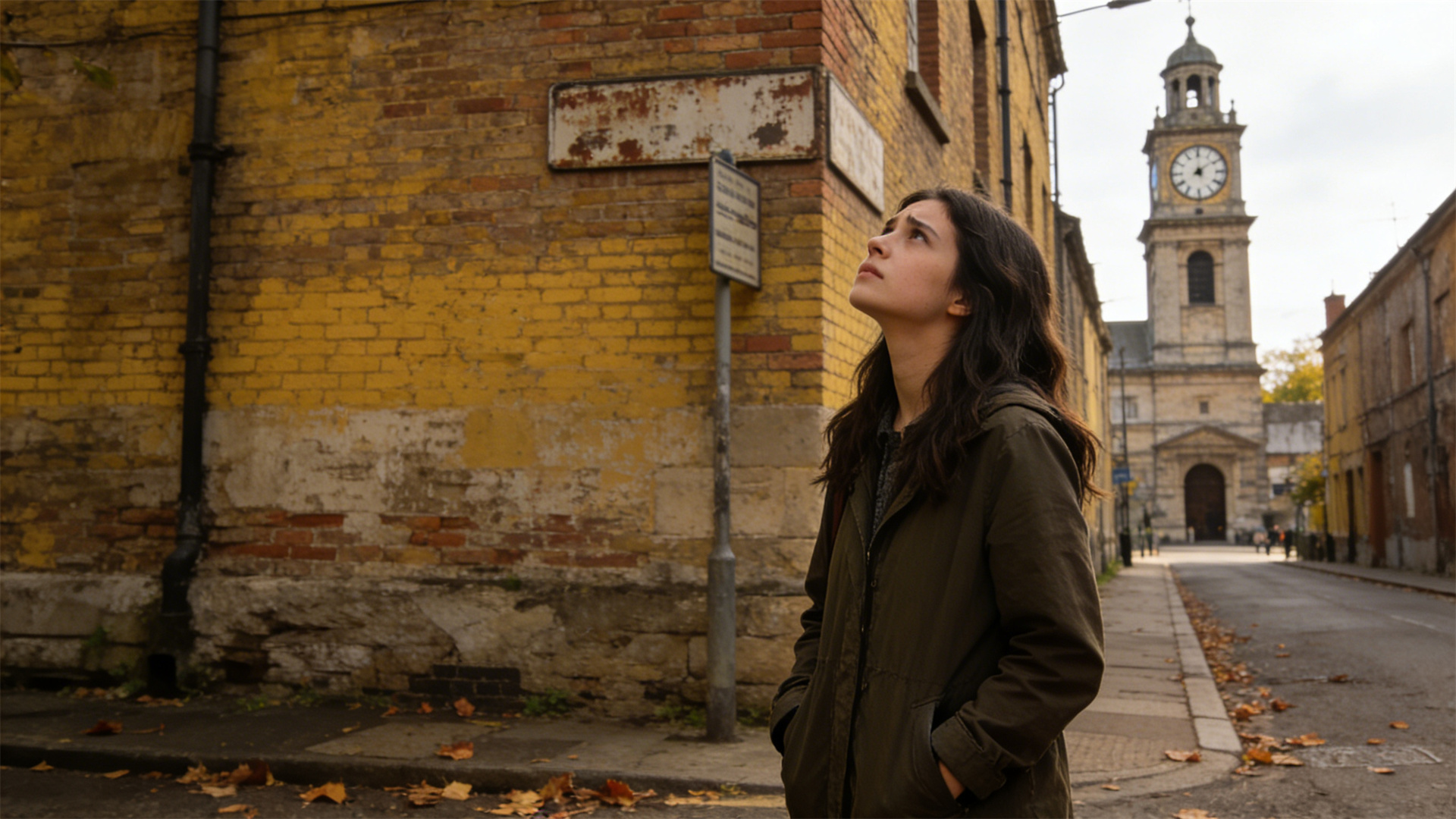
Once you have fought back the initial panic, your next task is to become a master observer. Without a map or compass, you must read the environment itself. Start by trying to retrace your mental steps. Think back to the last definite landmark you recognized. How long ago was that? What key turns or path choices did you make? Sometimes, sitting quietly and mentally replaying your journey can reveal your error. If mental retracing fails, look for fixed, large-scale landmarks. In nature, can you see a distinctive mountain range, a river valley, or a large body of water? In an urban setting, can you spot a tall, unique building, a major bridge, or the trajectory of train tracks? The goal is not to know exactly where you are on a non-existent map, but to orient yourself relative to something big and unmoving. This provides a reference point to avoid walking in circles.

Now, engage with older, more universal navigational tools. The sun is your most reliable guide. In the Northern Hemisphere, the sun arcs through the southern sky; in the Southern Hemisphere, it arcs through the north. Remember, it rises roughly in the east and sets roughly in the west. Even on a partly cloudy day, you can often determine its direction by observing shadows or the brighter part of the sky. If you have an analog watch with hands, you can use it as a crude compass: point the hour hand at the sun, and the midpoint between the hour hand and 12 o’clock will indicate south (in the Northern Hemisphere). At night, locate the North Star (Polaris) if you’re in the Northern Hemisphere by finding the Big Dipper and following the "pointer" stars. In a city, look for subtler clues: street name patterns, the flow of traffic (which often leads to larger arteries), or even the direction of satellite dishes, which in many regions point south-southeast.
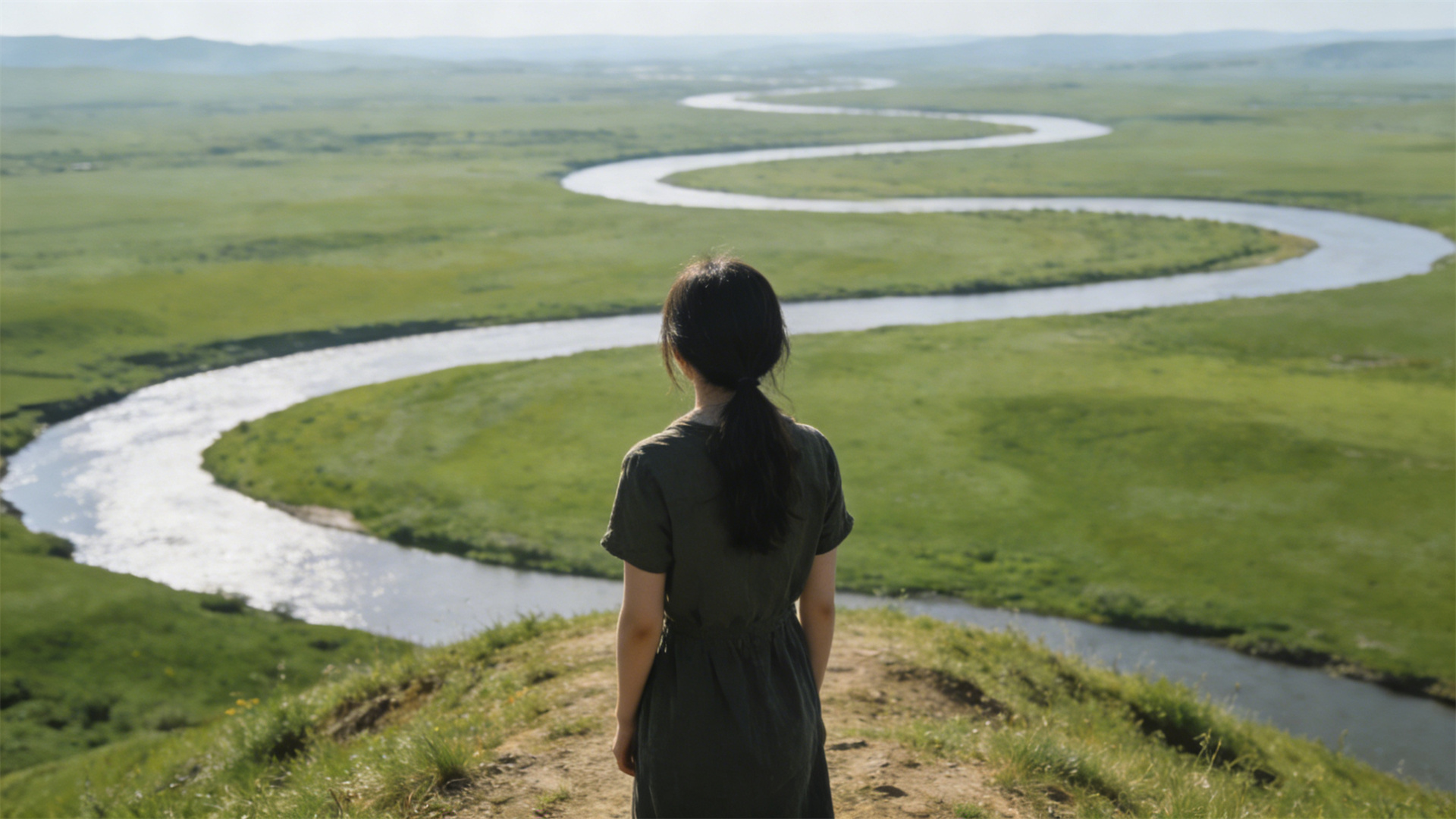
If you are in a natural environment, seeking higher ground can be a game-changer. A vantage point from a safe hill or ridge can reveal trails, roads, rivers, or settlements you couldn’t see from the valley floor. It can also help you match the landscape to any mental picture you formed earlier. However, this must be balanced with energy conservation and safety. Do not attempt a dangerous climb, especially alone or as fatigue sets in. The objective is a *safer* elevation gain for observation, not mountaineering. Conversely, in many terrains, following a water source downstream will eventually lead to larger streams, rivers, and, very often, human habitation or major trails. Remember, civilization historically built itself around water. A small, clear creek is a potential path to safety.

Your priority must shift from "finding the way" to "staying safe while you figure it out." This means managing your resources and making yourself findable. If you are genuinely lost and have told no one your plans, and if hours are passing without any recognition of your location, it is often safer to stay put once you have found a safe, sheltered location. Moving unnecessarily drains energy and water, increases the risk of injury, and makes it harder for potential rescuers to find you. Use your voice intelligently. Periodically, call out or use a whistle if you have one (three short blasts is the universal distress signal). Listen intently for replies, distant traffic, or running water. If you hear something promising, you can then move cautiously toward that sound.

Finally, turn your everyday belongings into survival tools. A compact mirror, a metal water bottle, or your phone screen (even without service) can be used to flash sunlight toward distant points—an excellent long-distance signaling method. Brightly colored clothing can be spread out in an open area to increase visibility from the air. If you must move, leave subtle markers for yourself or rescuers: small rock cairns, broken branches in a noticeable pattern, or scuffs in the earth at trail junctions. These can help you avoid re-walking the same ground and signal your direction of travel. Most importantly, ration your water and, unless you have a sure source, avoid eating if you are low on water, as digestion uses bodily fluids.
Being lost is ultimately a test of psychology as much as skill. The feeling of helplessness is your greatest adversary. By systematically following these steps—stopping, observing, using natural navigation, prioritizing safety, and improvising with what you have—you reclaim a sense of agency. You transform from a panicked victim of circumstance into a active participant in your own rescue. Remember, people have found their way for millennia without a single bar of signal. Your own mind, senses, and calm judgment are the most reliable tools you carry. Prepare before your next adventure by telling someone your route and expected return, carrying physical backups, and learning basic orienteering. But if you do find yourself truly lost, let logic, not fear, chart your path back to the familiar world.