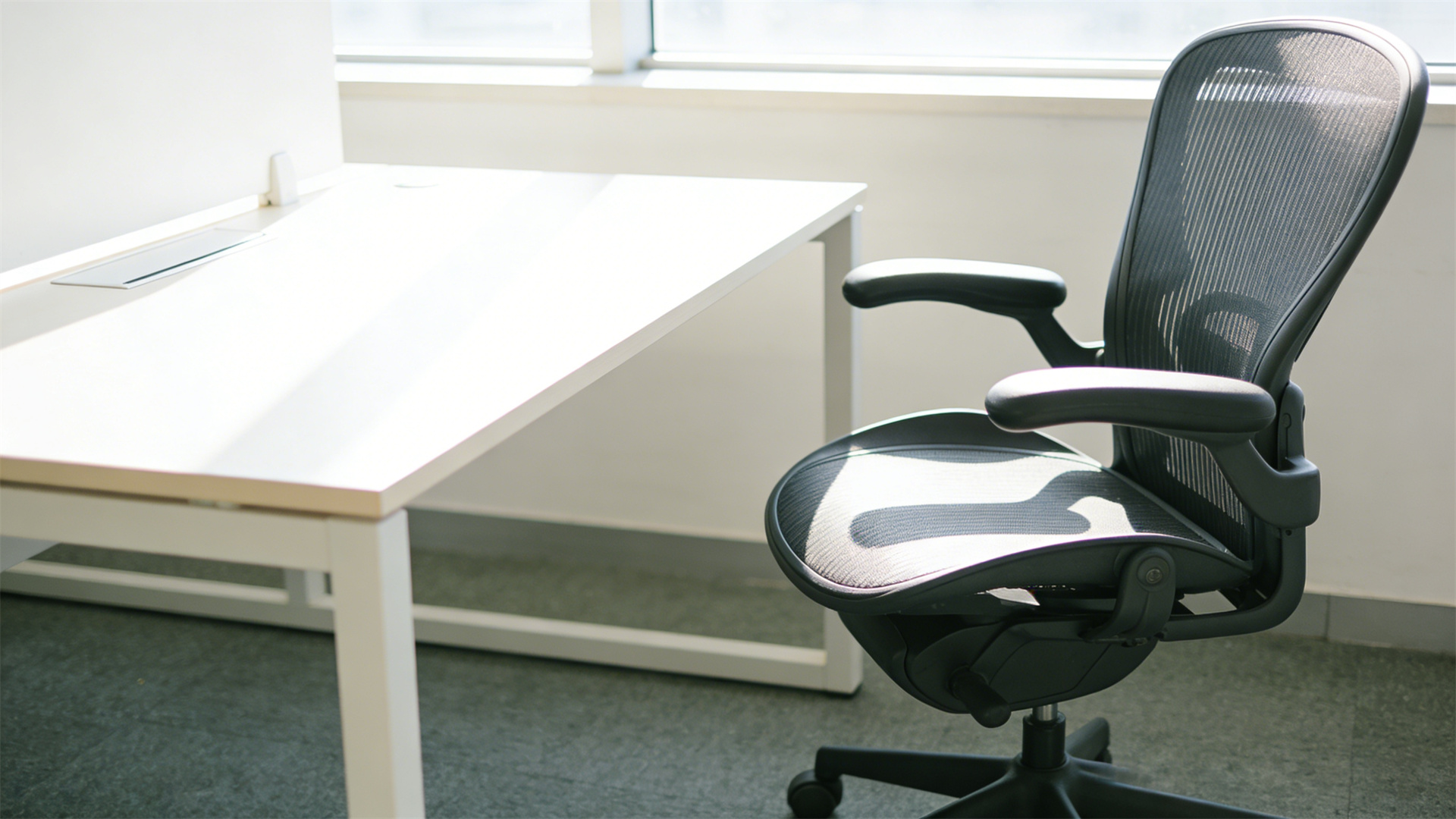
For many, the purchase of an office chair is an afterthought, a necessary piece of furniture often chosen for its price or immediate comfort. However, a shift in perspective—viewing an ergonomic chair not as an expense but as a long-term investment in health, productivity, and overall well-being—reveals its profound value. This guide is designed for the discerning individual who understands that true value is measured over years, not days. We will move beyond marketing buzzwords and delve into the core principles that define a chair worthy of being called a long-term investment, examining the factors that contribute to durability, sustained support, and ultimately, a significant return in the form of a healthier, more focused, and pain-free work life.
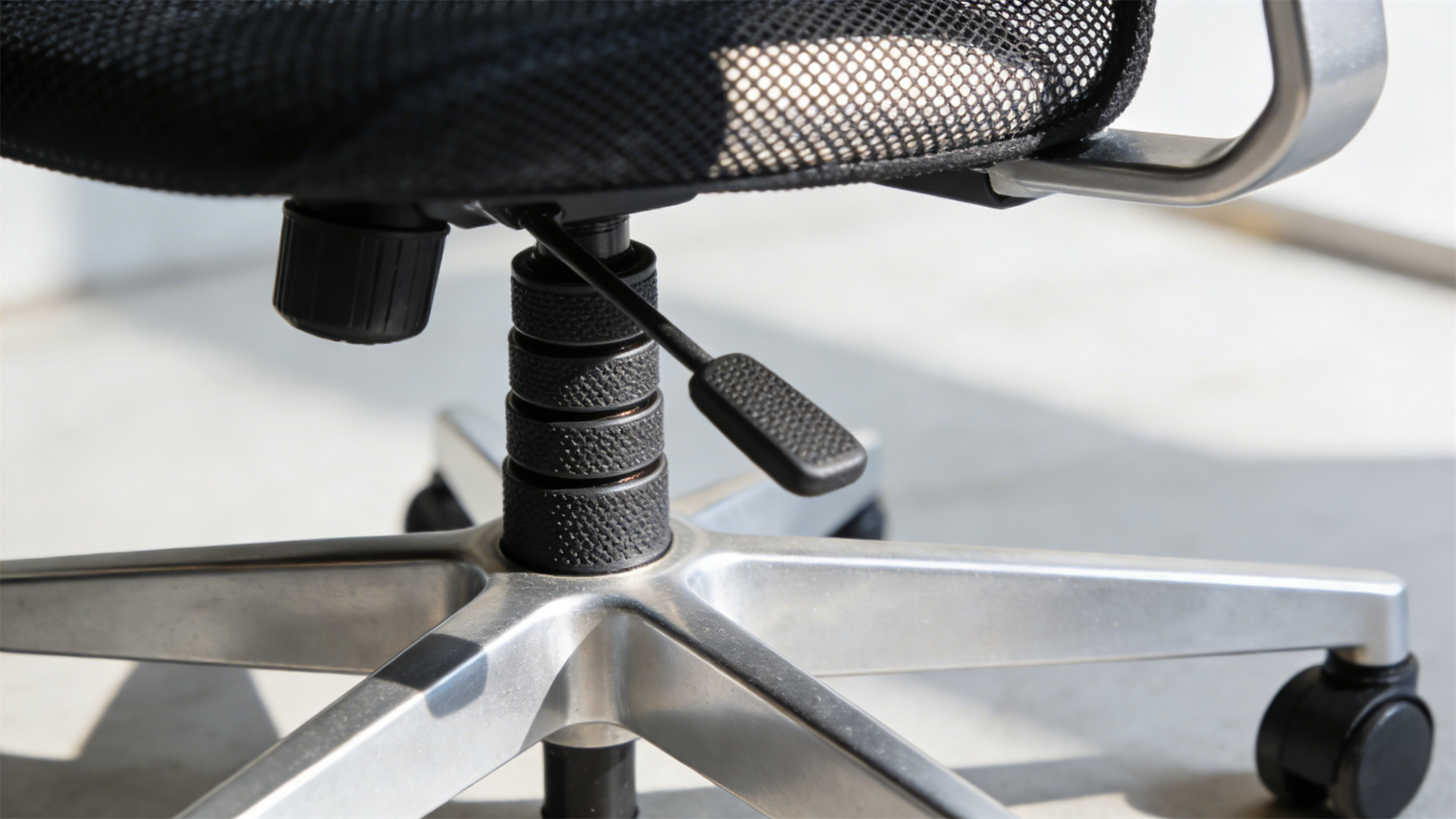
The foundation of any long-term investment is quality, and for ergonomic chairs, this begins with materials and construction. A chair built for decades, not just a few years, utilizes high-grade components. Look for a five-pronged base made of reinforced nylon or aluminum, not brittle plastic. The cylinder, the heart of the chair's height adjustment, should be a Class 3 or 4 gas lift, certified for heavy-duty use. The frame should be robust, often made from reinforced polymer or steel, providing a rigid skeleton that won't flex or creak under pressure. Upholstery is another critical differentiator. High-quality mesh, like that from Herman Miller or Steelcase, offers exceptional breathability and is engineered to resist sagging over time. For fabric or leather chairs, look for high-density foam that retains its resilience and premium covers that are durable and easy to maintain. These material choices directly impact the chair's lifespan and its ability to maintain its supportive properties.
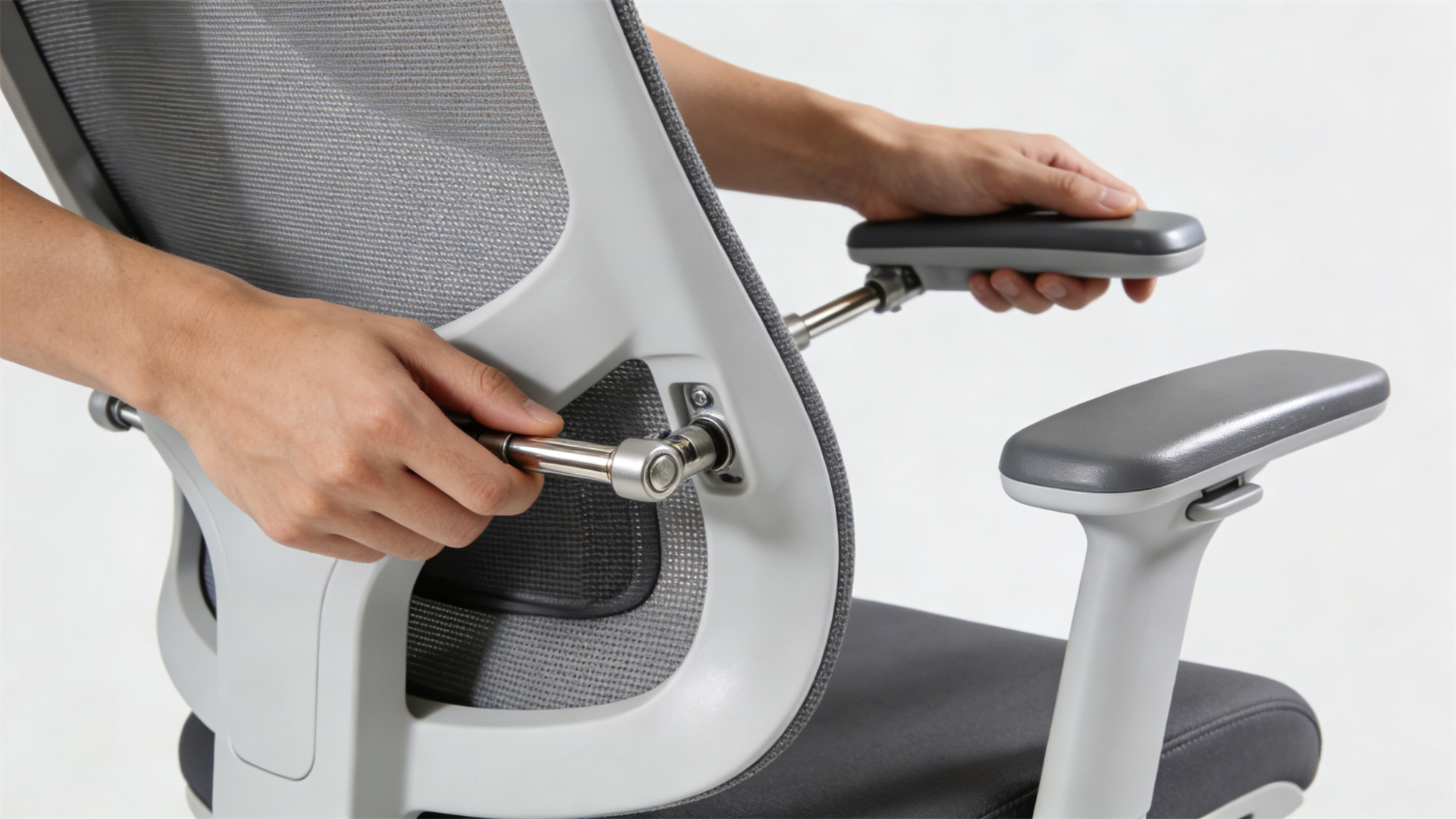
While durability is crucial, the essence of an ergonomic chair lies in its ability to adapt not just to a person, but to their every movement throughout the day. This is where adjustability transitions from a feature list to a philosophy of support. A long-term investment chair offers comprehensive, intuitive adjustments. Seat height and depth are fundamental, allowing your feet to rest flat and ensuring there's no pressure behind the knees. A synchronous or multi-tilt mechanism allows the seat and backrest to recline in harmony, maintaining a healthy open hip angle. Lumbar support should be adjustable not just in height but also in depth and firmness, to precisely fill the natural curve of your lower spine. Armrests should be adjustable in height, width, and pivot to support your forearms without causing shoulder hunching. This level of customization ensures the chair can be fine-tuned to your unique body today and can adapt if your needs change tomorrow.
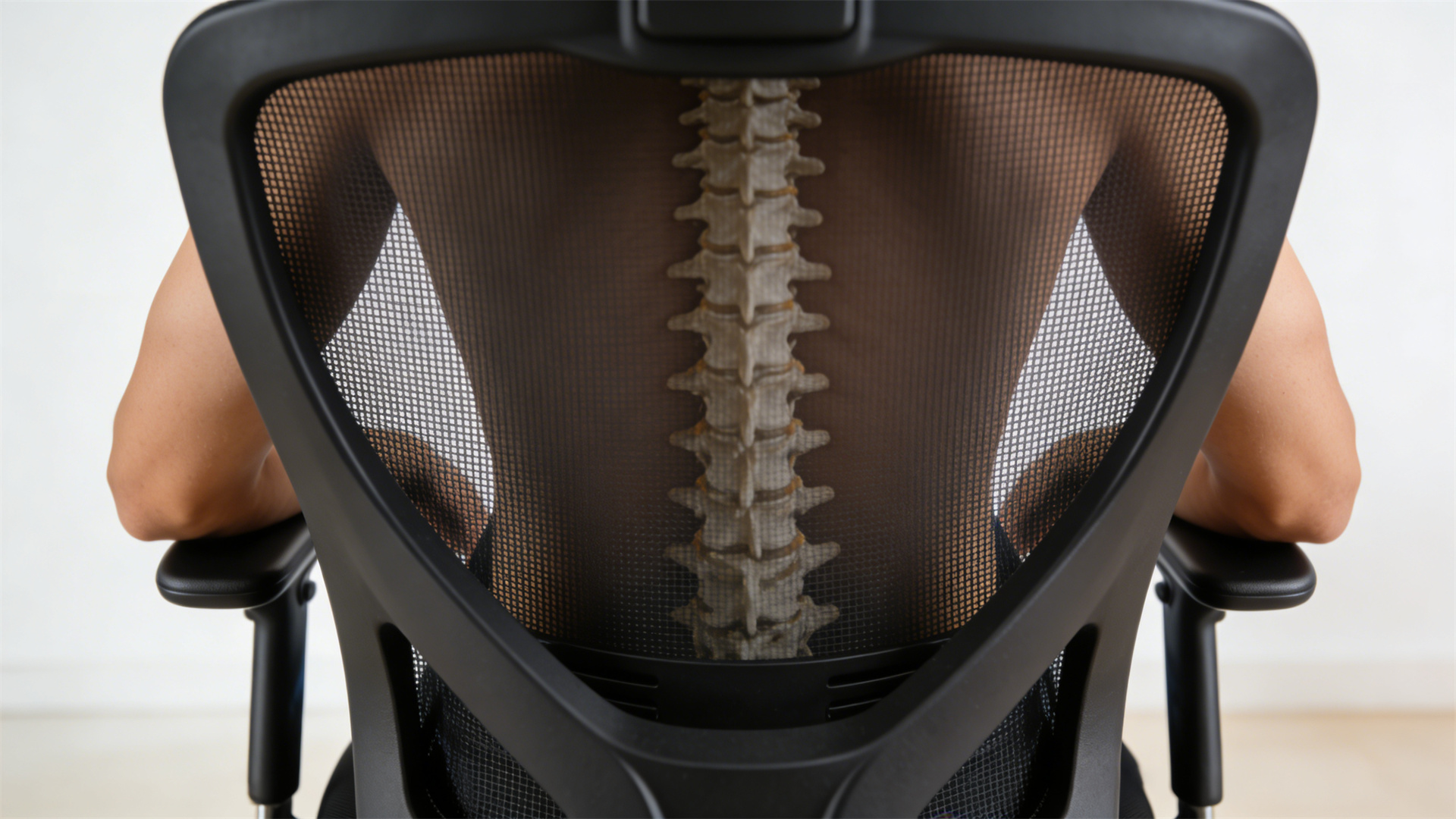
The long-term return on an ergonomic chair is most tangibly measured in health outcomes. Prolonged sitting in a poorly designed chair contributes to a cascade of musculoskeletal issues: chronic lower back pain, neck strain, shoulder tension, and poor circulation. A true investment-grade chair actively works to counteract these effects. Dynamic lumbar support encourages the natural S-curve of the spine, reducing disc pressure. A recline mechanism with tension control allows for micro-movements, shifting pressure and engaging different muscle groups, which is far healthier than static sitting. Properly adjusted armrests unload weight from your shoulders and spine. A waterfall seat edge prevents compression of the thighs and improves blood flow. Over years of use, the cumulative effect is substantial—reducing the risk of chronic pain, minimizing fatigue, and potentially saving thousands in medical bills, physiotherapy, and lost productivity due to discomfort.
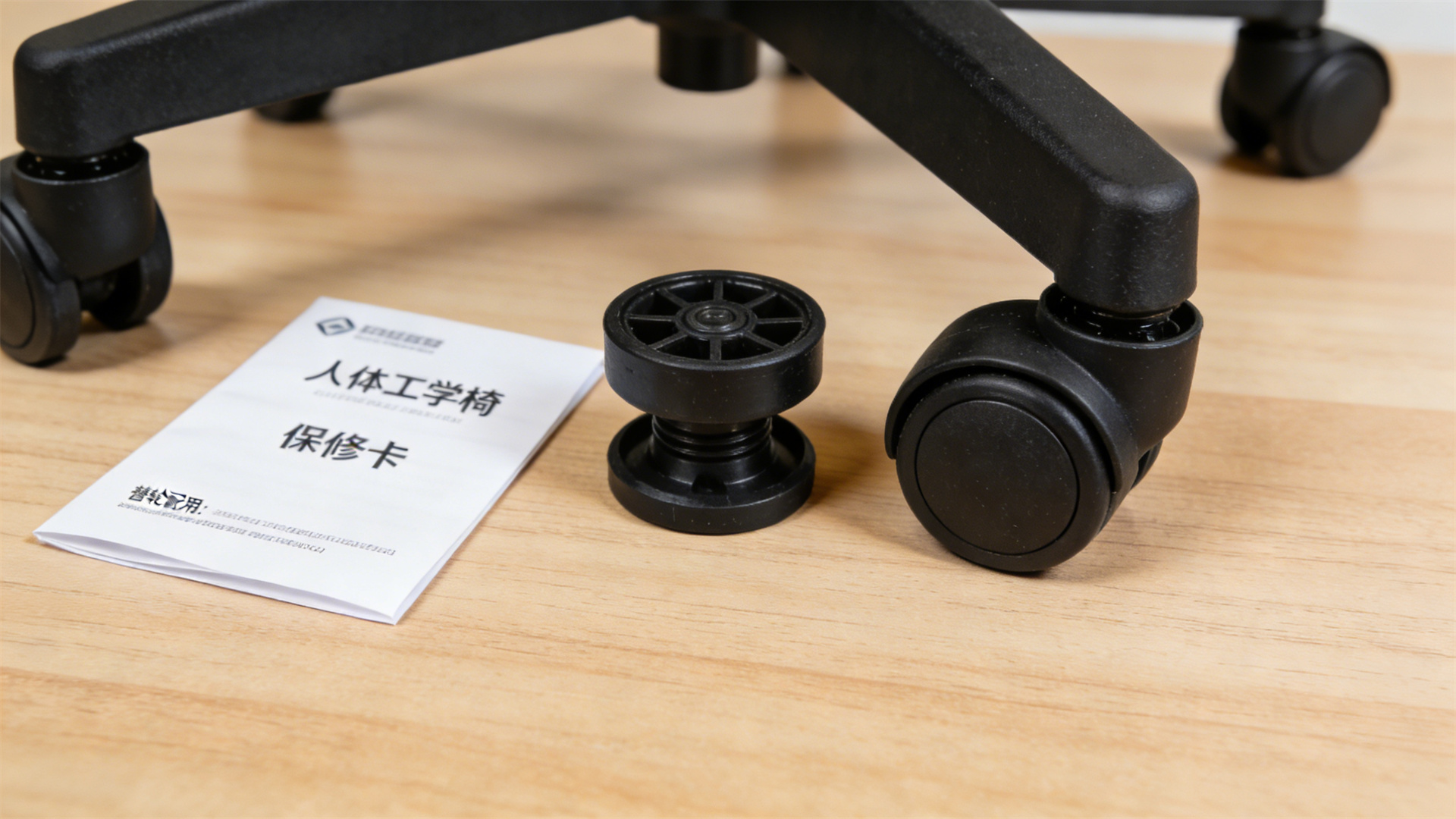
A significant aspect of long-term ownership is the relationship with the manufacturer, defined by warranty and service. A company's confidence in its product is reflected in its warranty length and coverage. Investment-grade chairs from leading brands often come with exceptional warranties, such as 12-year, 24-hour-a-day coverage on the entire chair. This isn't just a marketing gimmick; it signals an expectation of decades of reliable performance and a commitment to standing by their product. Furthermore, consider the ecosystem. Are replacement parts—casters, armrest pads, gas cylinders, fabric skins—readily available for purchase? A chair designed for longevity is also designed for repairability. The ability to replace a worn armrest or a tired cylinder in ten years, rather than discarding the entire chair, is a core tenet of sustainable, long-term investment.
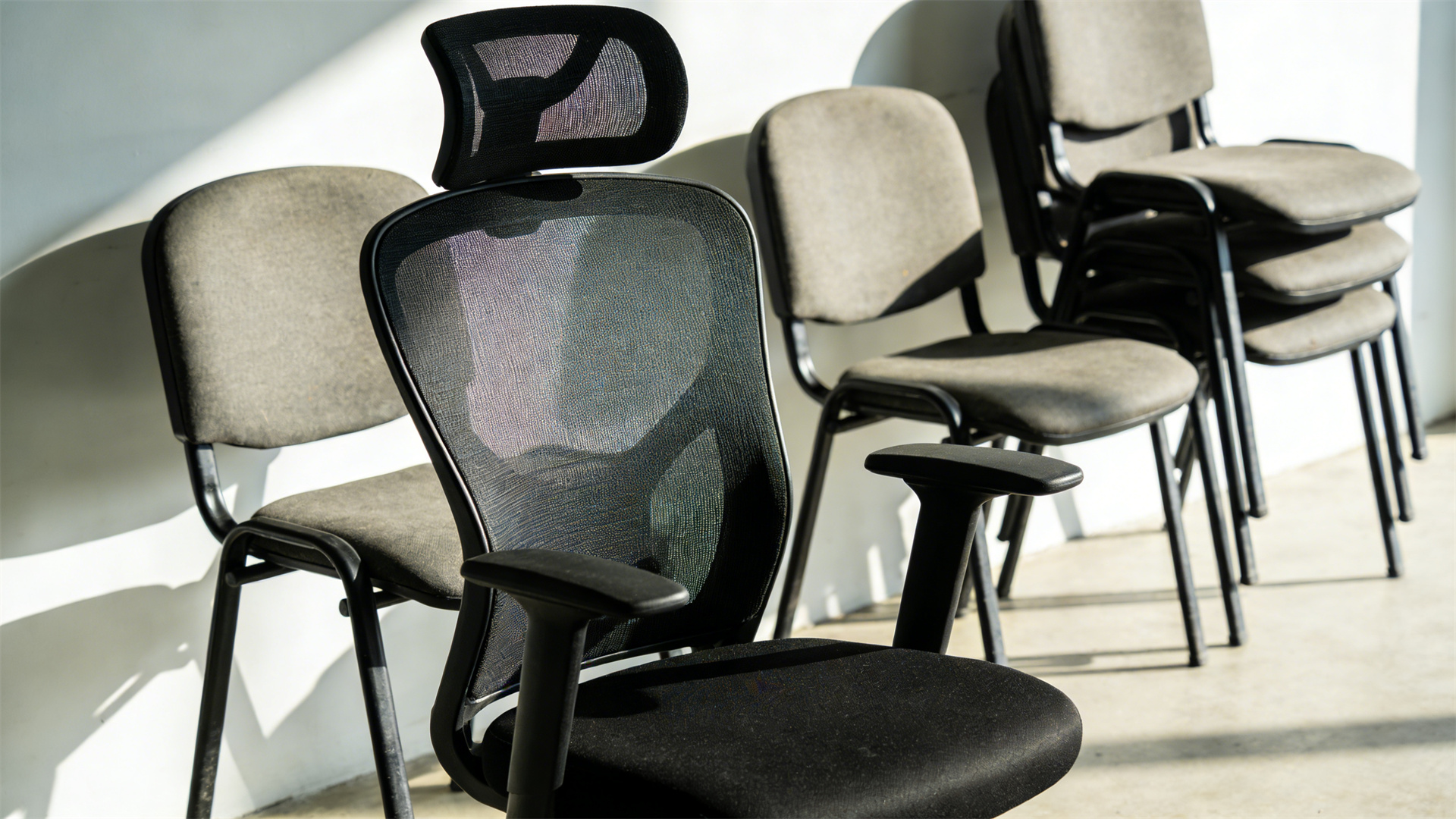
The initial price tag of a premium ergonomic chair, often ranging from several hundred to over a thousand dollars, can be a shock. The long-term investment analysis requires a broader calculation. Compare this one-time cost against the alternative: buying a $200 chair every three years when it breaks down or becomes intolerably uncomfortable. Over a 12-year period, you might spend a similar amount, but without ever experiencing superior support. More importantly, factor in the intangible returns. Calculate the value of an extra 30 minutes of focused productivity each day, free from distraction by discomfort. Consider the cost of just one avoided chiropractor visit or massage therapy session per year. When viewed through this lens, the premium for a chair like a Herman Miller Aeron, Steelcase Gesture, or Haworth Fern amortizes to mere pennies per day of use, paying dividends in health, focus, and professional performance that far outweigh the initial outlay.
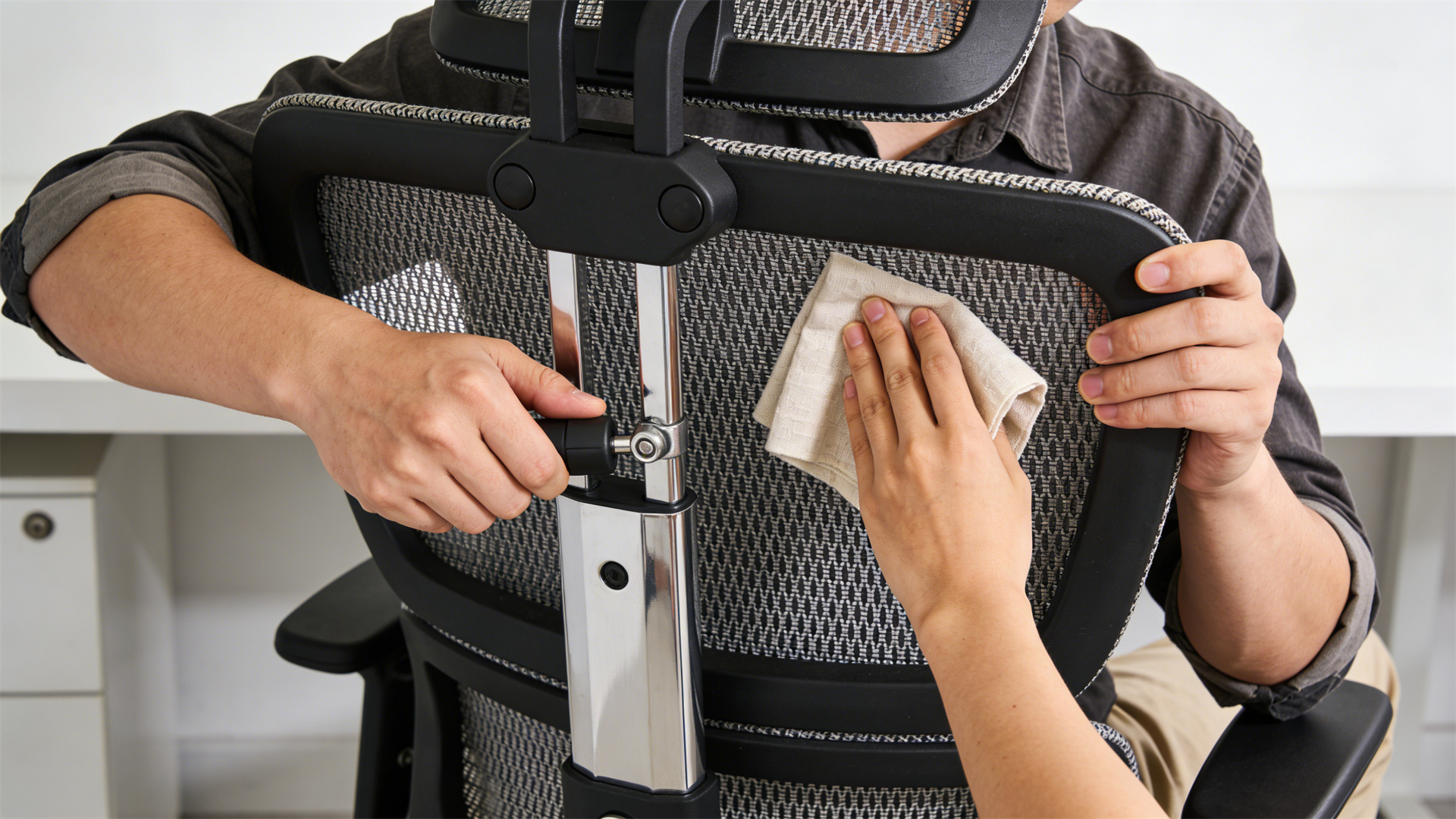
Finally, a long-term investment requires thoughtful selection and ongoing stewardship. Before purchasing, if possible, test the chair extensively. Your body's feedback over a 30-minute sit is more valuable than any spec sheet. Research your body type and common issues; someone with intense lower back needs will prioritize different features than someone with shoulder pain. Once you own the chair, proper adjustment is not a one-time event. Revisit your settings seasonally. Maintain your investment by regularly cleaning the upholstery according to manufacturer instructions, tightening bolts if necessary, and ensuring casters roll smoothly. This proactive care ensures the chair continues to perform at its peak for its entire lifespan.

In conclusion, approaching an ergonomic chair as a long-term investment transforms the buying decision from a simple procurement to a strategic choice for your future self. It prioritizes enduring quality, profound adaptability, and measurable health benefits over short-term cost savings. By investing in a chair engineered with superior materials, comprehensive adjustability, and backed by a robust warranty, you are not just purchasing a piece of office furniture. You are investing in a daily tool that protects your physical well-being, enhances your cognitive performance, and provides consistent comfort for over a decade. In the economy of health and productivity, a truly great ergonomic chair stands as one of the highest-yield investments you can make for your career and your life.