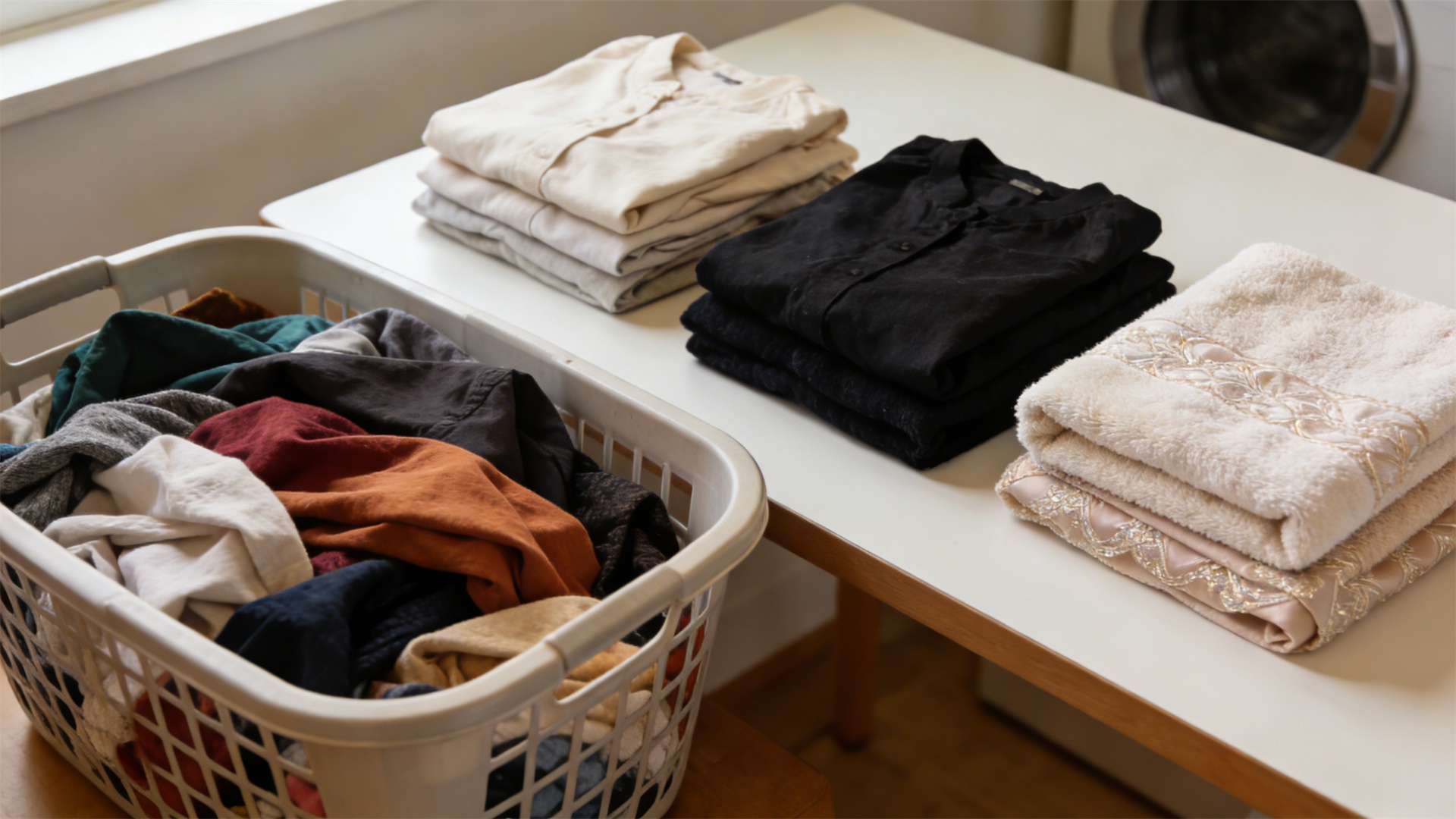
For generations, the most common laundry advice has been a simple, binary rule: separate lights from darks. While this foundational step prevents color bleeding and is a crucial starting point, it represents only the surface layer of effective laundry care. A truly sophisticated sorting system delves deeper, considering factors like fabric type, soil level, and care requirements to protect your investment in clothing, improve cleaning efficacy, and extend the lifespan of your garments. Moving beyond the basic light/dark dichotomy is the key to transforming laundry from a mundane chore into an act of intentional garment care.
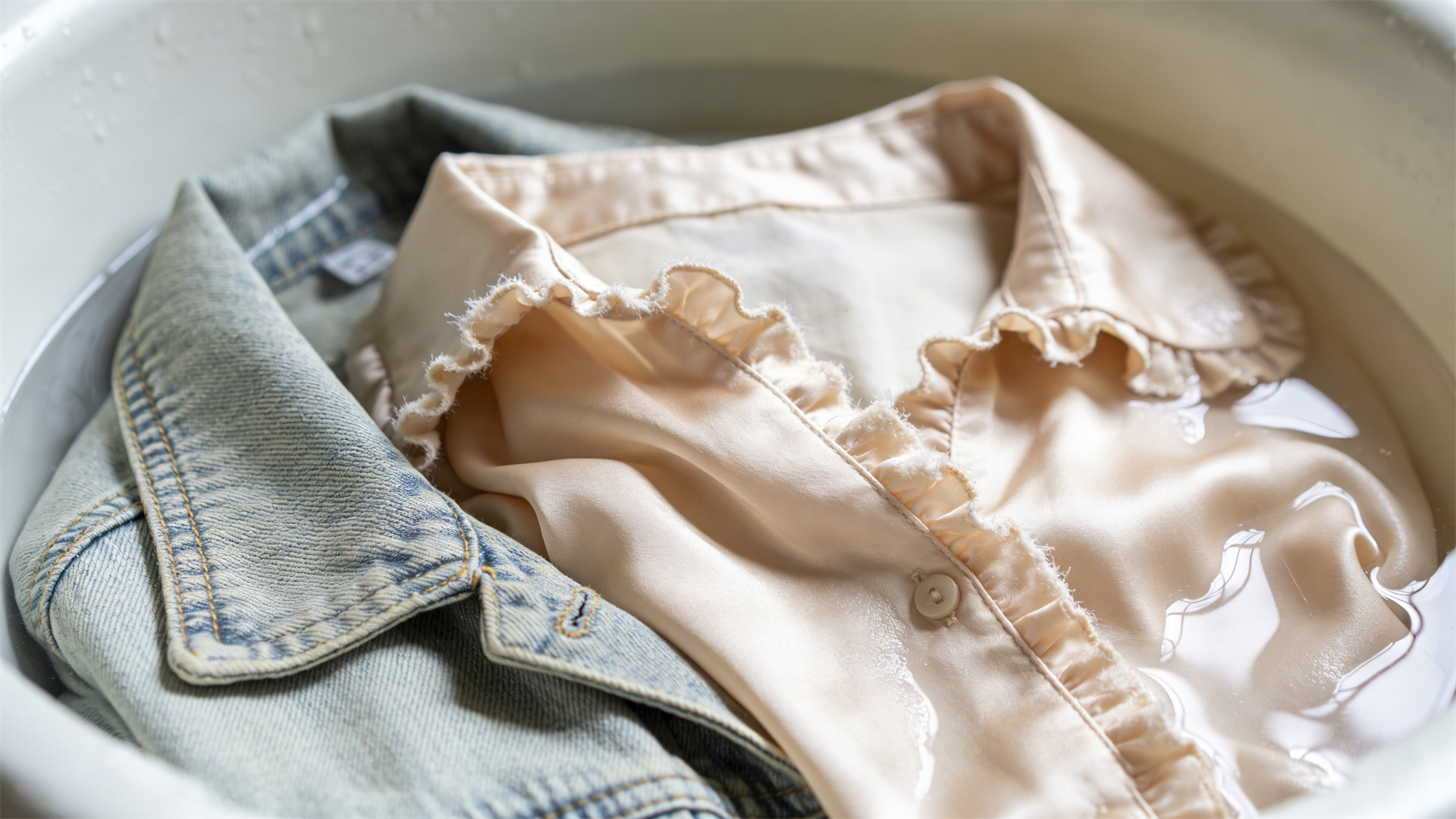
The primary limitation of the simple light/dark system is its focus on color at the expense of everything else. It ignores the fact that a heavy cotton towel dyed light blue has vastly different washing needs than a delicate, light-colored silk blouse. Washing them together on a standard cycle would subject the silk to damaging agitation and likely ruin it. Similarly, washing dark jeans with a dark, delicate viscose dress can lead to abrasion, pilling, and misshaping. The goal of advanced sorting is to group items that not only share color safety but also require similar agitation, water temperature, and spin speed.
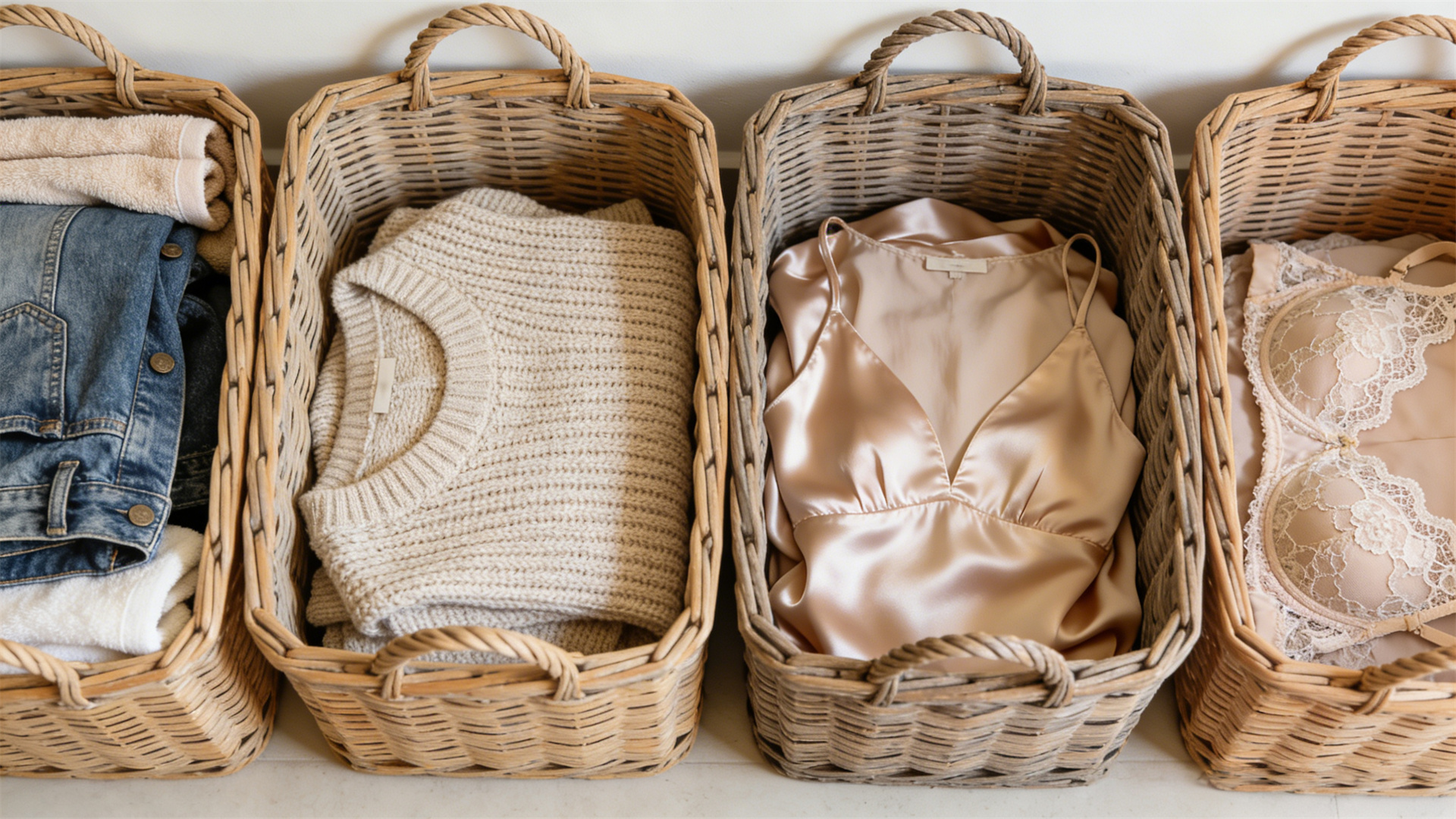
The most critical factor to consider after color is fabric type and weight. Heavyweight fabrics like denim, towels, and canvas require more vigorous washing to penetrate the dense fibers and remove ground-in dirt. Washing them with lightweight items like knits, synthetics, or delicates causes excessive friction, leading to stretched seams, pulls, and pilling. Create a dedicated load for linens and towels, using warm water for better sanitation. Another separate load should be for sturdy cottons and denims. Delicates—including items made from silk, lace, fine wool, or anything with a delicate structure—must be washed together on a gentle cycle, possibly in a mesh bag for added protection.
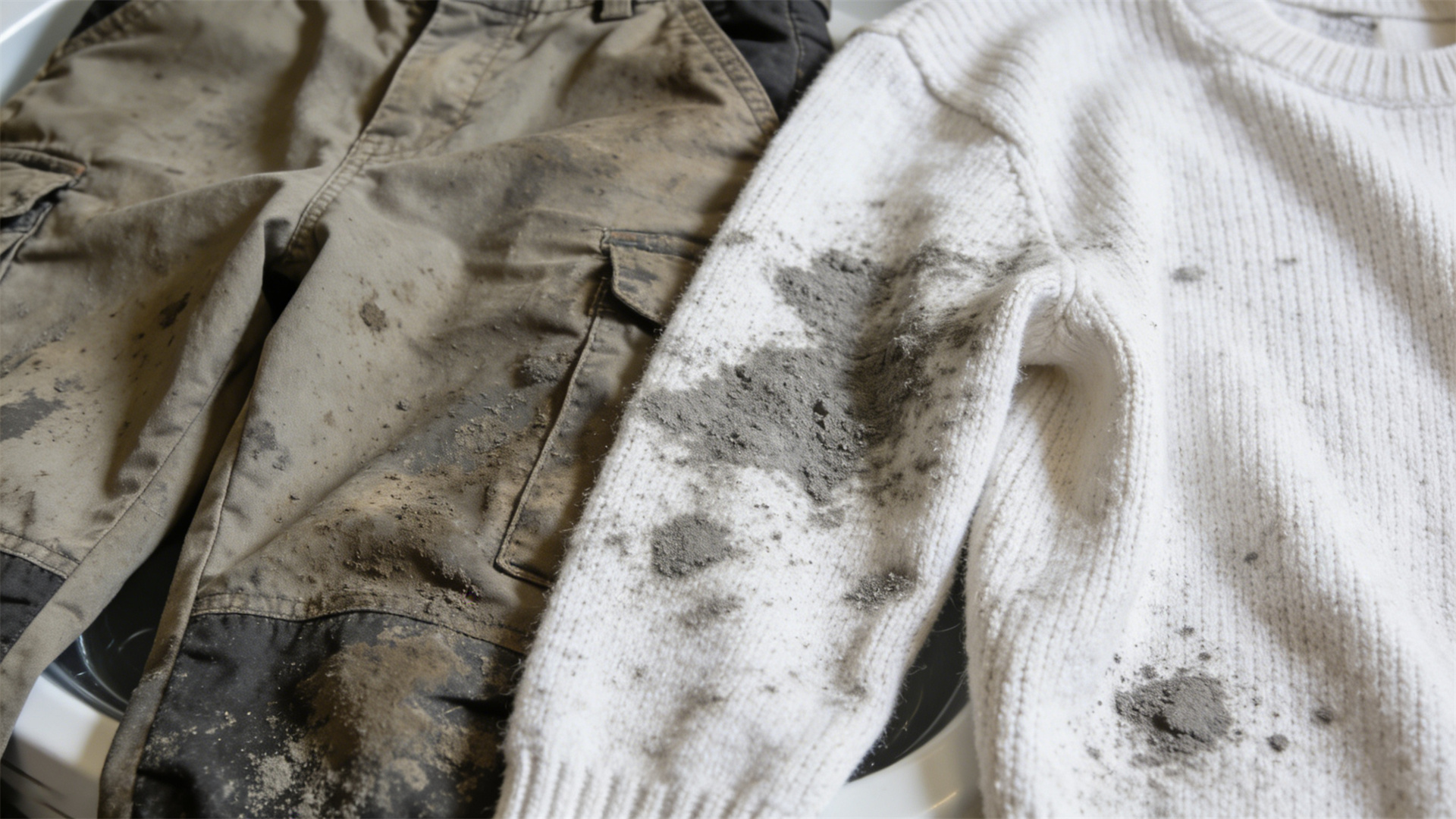
Soil level is a frequently overlooked but essential sorting criterion. Heavily soiled items—think workout gear, gardening clothes, or children's playwear stained with mud and grass—release dirt and oils into the wash water. If mixed with lightly worn or barely soiled garments, that grime can redeposit onto cleaner items, resulting in a dull, gray film over everything. Always sort heavily soiled items into their own load. Pre-treat stains and consider using a longer, warmer wash cycle with a heavy-duty detergent specifically formulated to break down organic stains and body oils. Lightly worn items, like a sweater worn over another layer or air-dried towels, can be washed together on a shorter, cooler cycle.
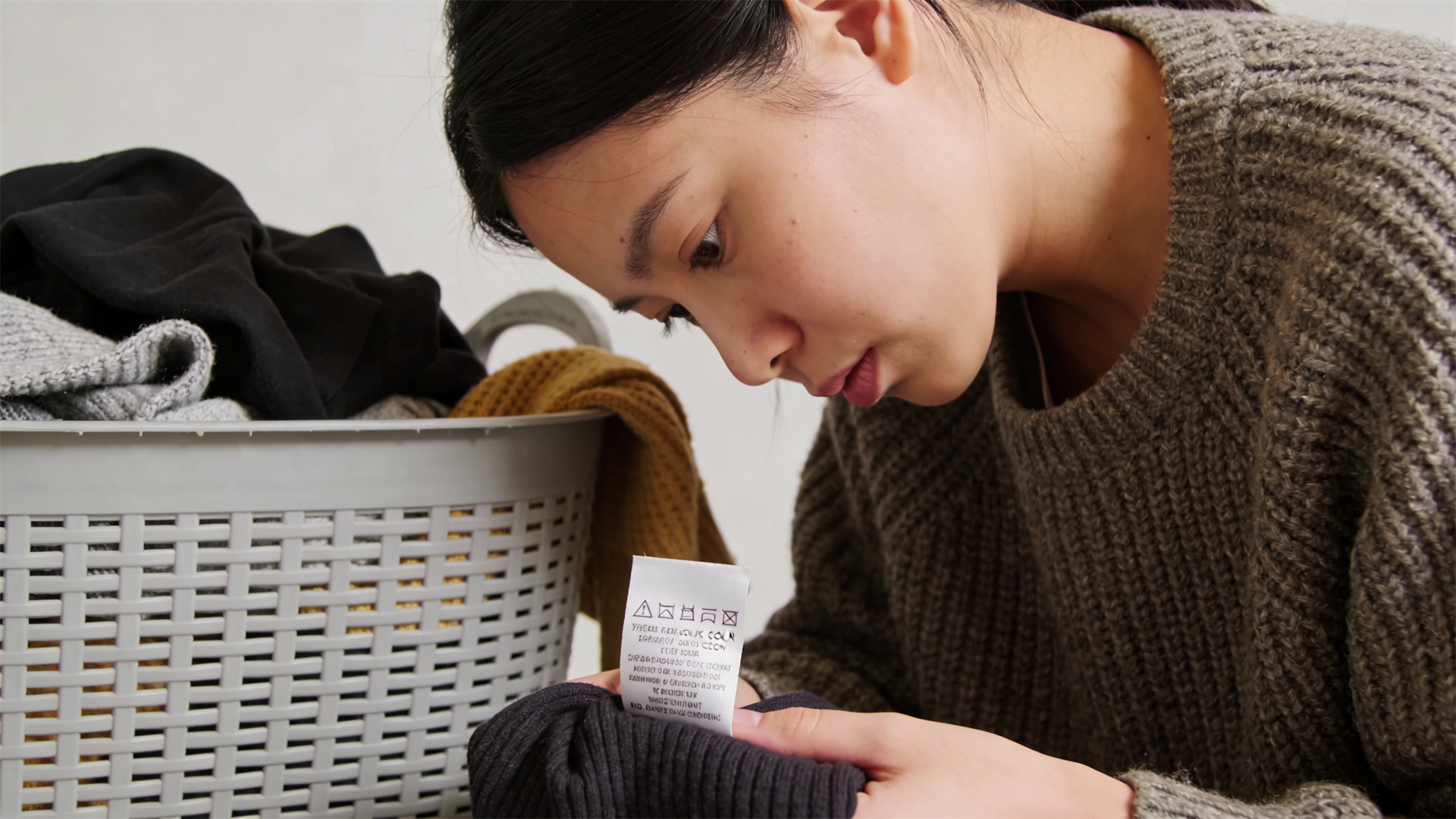
The care label is your definitive guide for sorting. Before tossing an item into a basket, develop the habit of checking its symbols. This allows you to create precision-based categories that go beyond broad fabric types. Group all items that specify cold water wash only, regardless of whether they are lights or darks (provided colorfastness is confirmed). Similarly, create a category for line dry or flat dry only items; washing them together makes the post-wash handling process efficient and prevents someone from accidentally tossing a lay-flat sweater into the dryer. A separate load for permanent press or wrinkle-resistant items is wise, as they benefit from a warm wash followed by a cool-down rinse and a prompt removal from the dryer to minimize wrinkles.
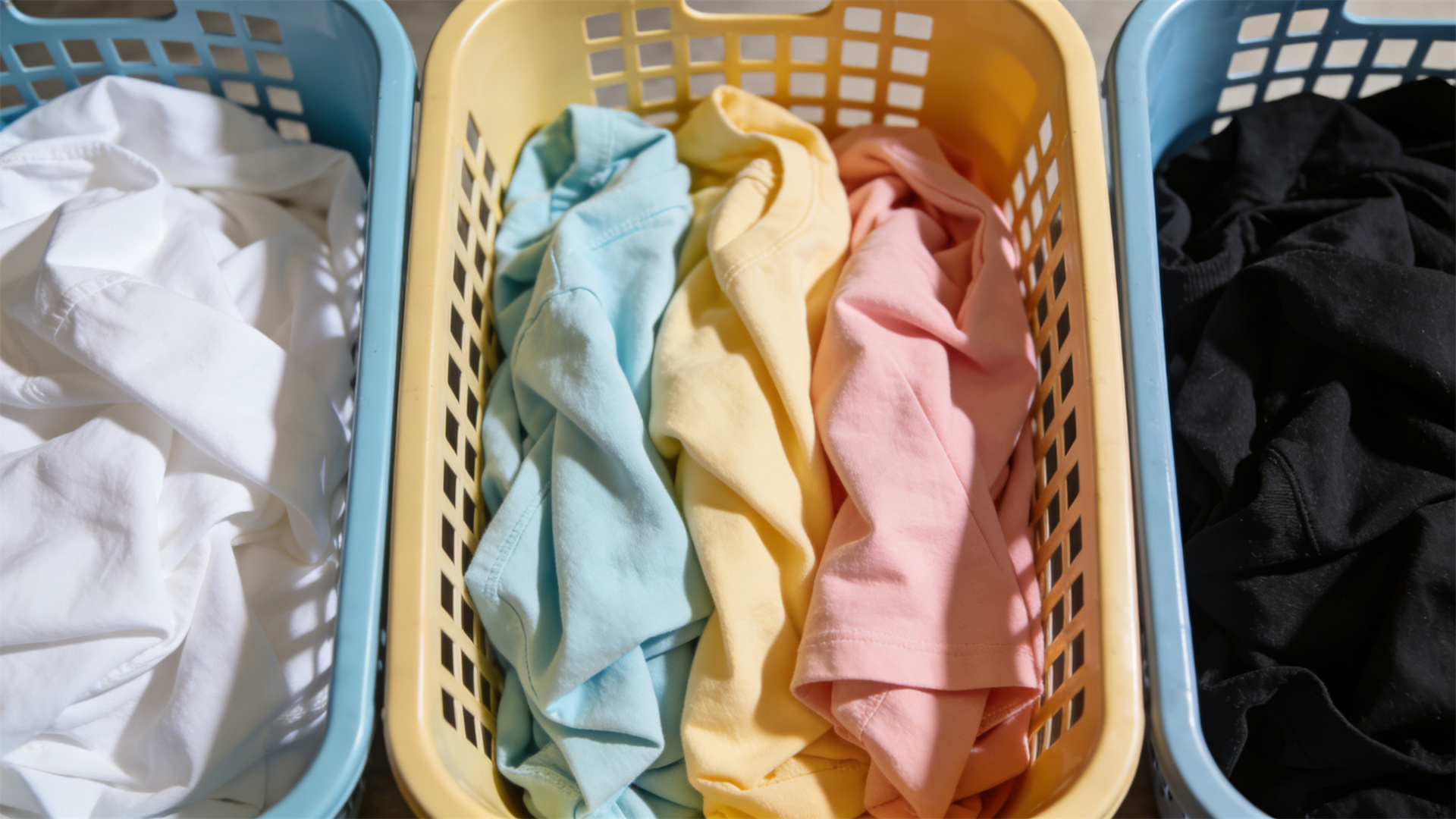
Even within the "lights" and "darks" categories, further subdivision prevents color mishaps and preserves vibrancy. Whites should ideally be washed alone to prevent graying from minuscule dye transfer, especially with new or bright-colored items. Pastels and light grays can form another group. For darks, consider separating very bold, saturated colors (like bright reds, deep purples, or new indigo jeans) from more muted blacks, grays, and navys, especially during their first few washes. This prevents darker dyes from subtly dulling other dark colors. Washing new, vividly colored items alone for the first cycle is a non-negotiable rule for any advanced system.
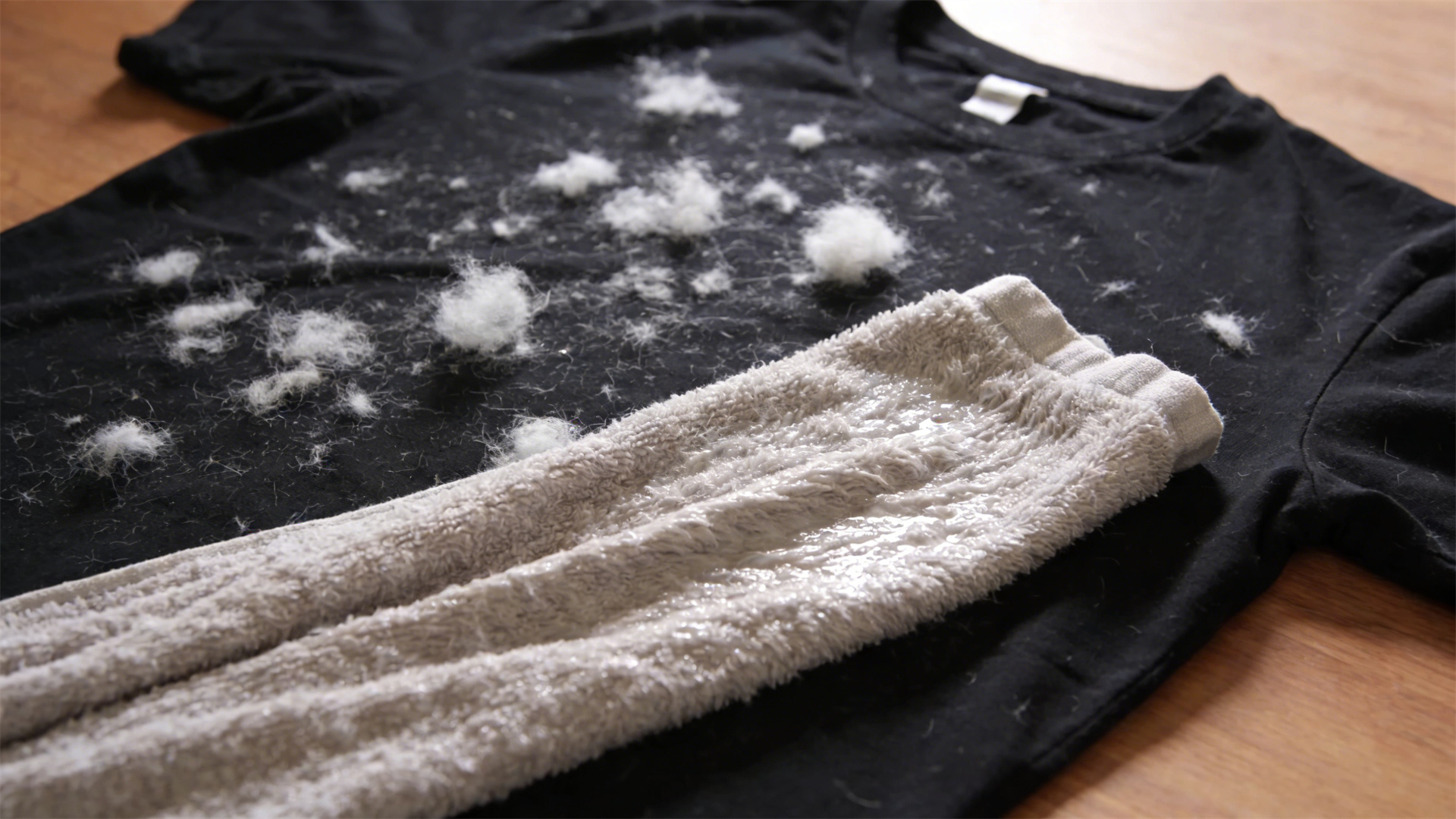
Finally, certain items demand isolation due to their unique properties. Plush items like towels, blankets, and fleece jackets generate large amounts of lint and should be washed together to avoid coating your black t-shirts in a layer of fuzz. Conversely, items that attract lint, such as corduroy or permanent press garments, should be kept separate from lint producers. Clothing with hardware (zippers, snaps, hooks) or abrasive elements (beads, sequins, embellishments) can snag and tear other fabrics; turn them inside out and wash them in a separate load or a protective mesh bag.
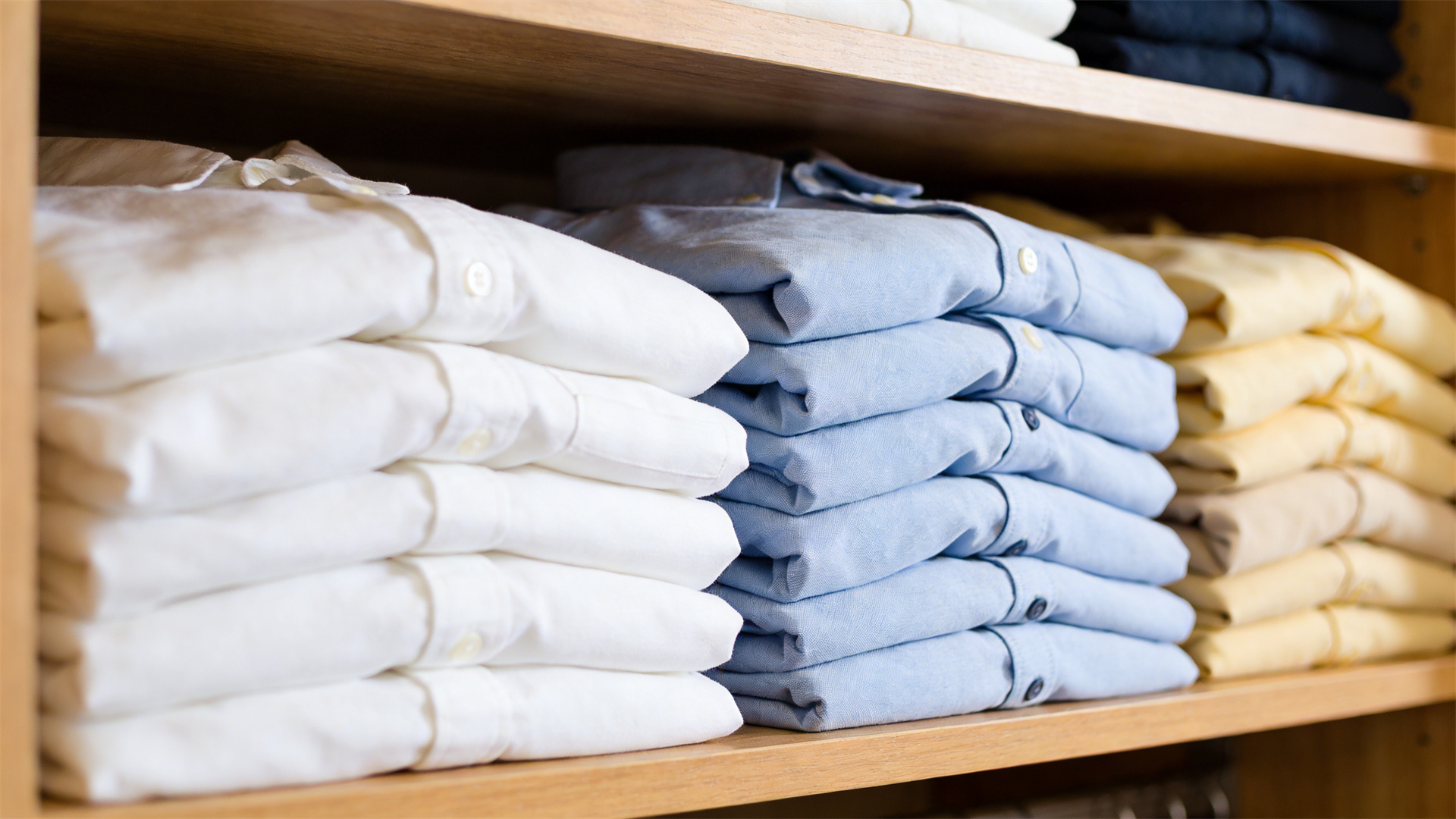
Implementing this multi-layered sorting system may seem complex at first, but it quickly becomes a streamlined ritual. The immediate rewards are evident: clothes emerge cleaner, brighter, and free from the damage of improper washing. Over time, the investment pays for itself as garments retain their shape, color, and texture for years longer. Ultimately, moving beyond lights and darks is about respecting the materials and craftsmanship of your wardrobe. It transforms the laundry room from a place of potential ruin to one of preservation, ensuring that what you wear continues to look and feel its best, wash after wash.