The dining table is more than just a piece of furniture; it's the heart of the home, the stage for family meals, festive gatherings, quiet work sessions, and heartfelt conversations. Choosing the right one is a significant decision that blends practicality with personal style. The debate often narrows down to two fundamental choices: shape and functionality. Should you opt for the classic rectangular table or the convivial round one? And is the versatility of an extendable model worth the compromise, or does a fixed table offer superior stability and aesthetic cohesion? This guide delves into the specifics of each option, moving beyond broad generalizations to help you navigate this essential home decision.
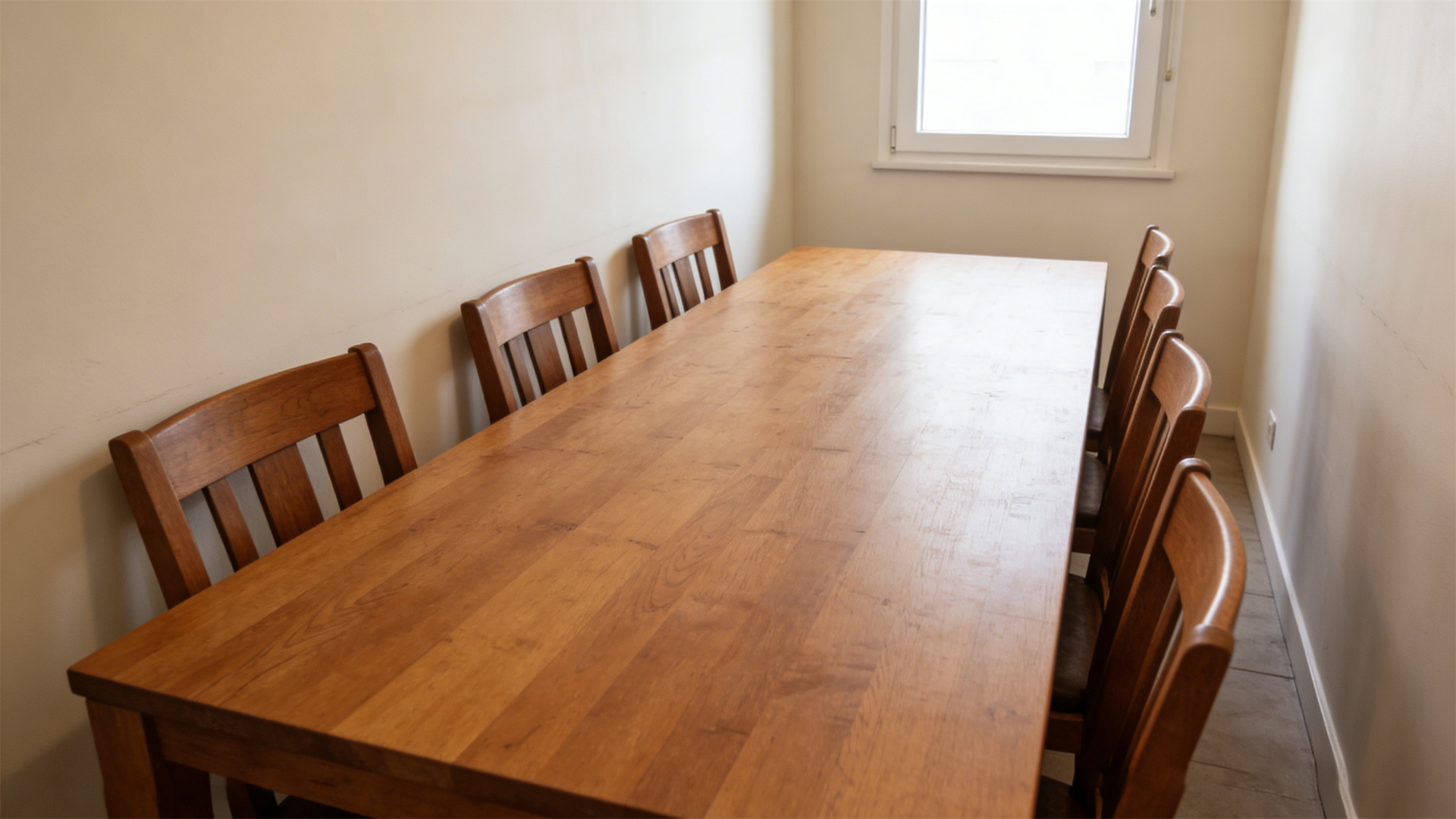
The shape of your dining table fundamentally dictates the dynamics of interaction and the flow of your space. Rectangular tables are the traditional powerhouse, offering a sense of formality and order. Their linear design makes them ideal for fitting against walls or in long, narrow rooms, effectively utilizing space. They provide clear "head of the table" positions, which can be desirable for defined family hierarchies or formal dining. However, their corners can be intrusive in tight spaces and create physical barriers, making conversation with someone seated at the opposite corner less intimate. Rectangular tables excel at accommodating place settings in a structured manner, making them a default choice for pairing with long benches or sets of matching chairs.

In contrast, round tables foster equality and intimacy. With no corners and no definitive head, they encourage inclusive, face-to-face conversation, making everyone feel equally part of the discussion. This shape is inherently safer for homes with young children, eliminating sharp corners. A round table also facilitates easier movement around it, as people can slide past without the obstacle of table legs often found at the corners of rectangular designs. Their softer lines can beautifully offset a room filled with straight edges and square architecture. The primary challenge lies in fitting them into a room; they require more generous, open square footage to feel comfortable and can leave unusable gaps when placed against a wall.
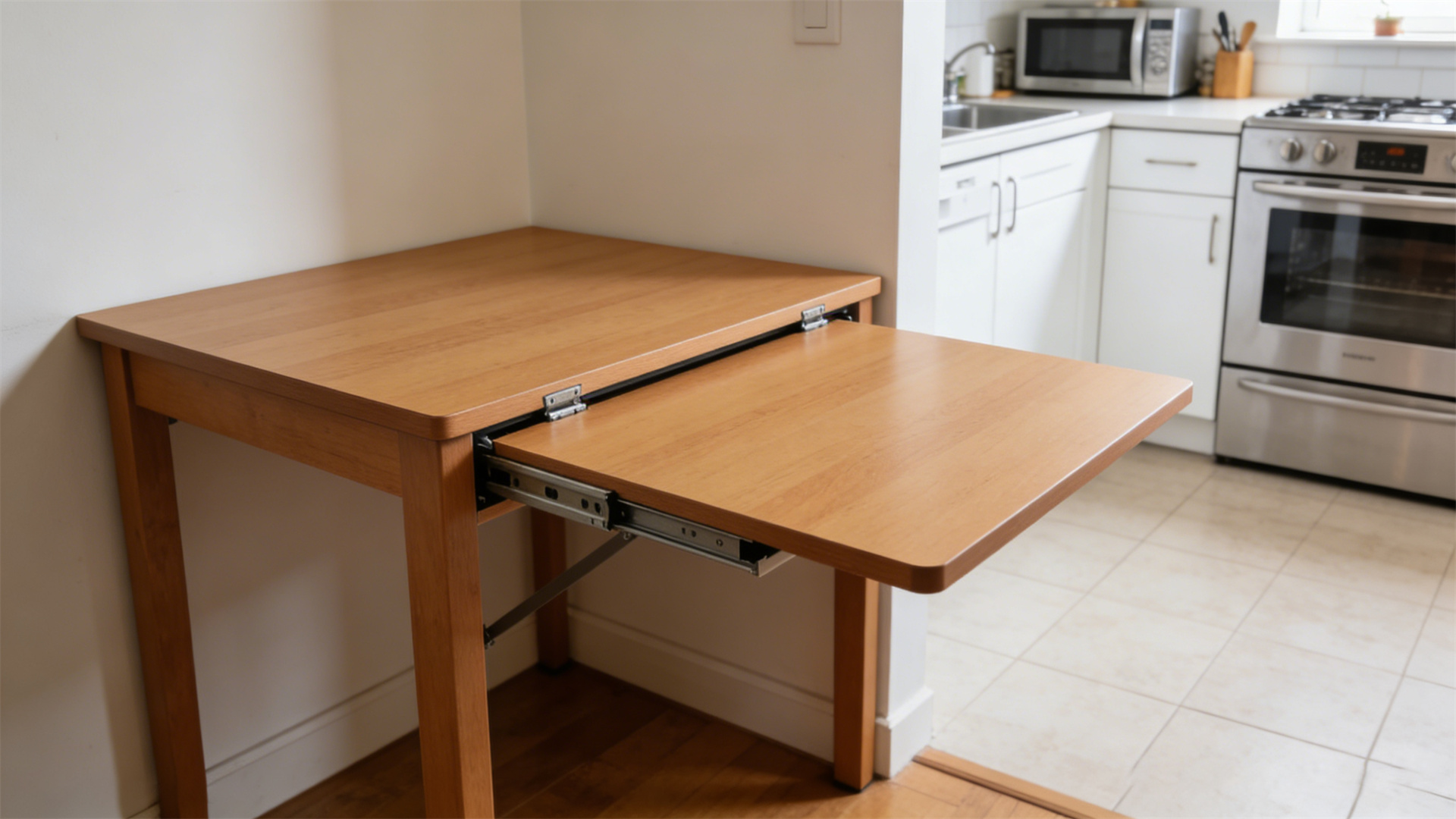
The decision between an extendable and a fixed table hinges on your entertaining habits and daily space requirements. Extendable tables are the champions of adaptability. Through mechanisms like butterfly leaves, drop leaves, or pull-out ends, they can transform from a compact everyday size to a surface capable of hosting a holiday feast or a large dinner party. This is an invaluable feature for those in smaller homes or apartments who need to maximize space daily but refuse to compromise on hosting capabilities. Modern designs have made great strides in seamlessly integrating the extension mechanism, often hiding leaves within the table itself. The compromise, however, comes in potential stability (though high-quality models minimize this), a sometimes-visible seam, and the need for storage space for the additional leaves if not self-storing.
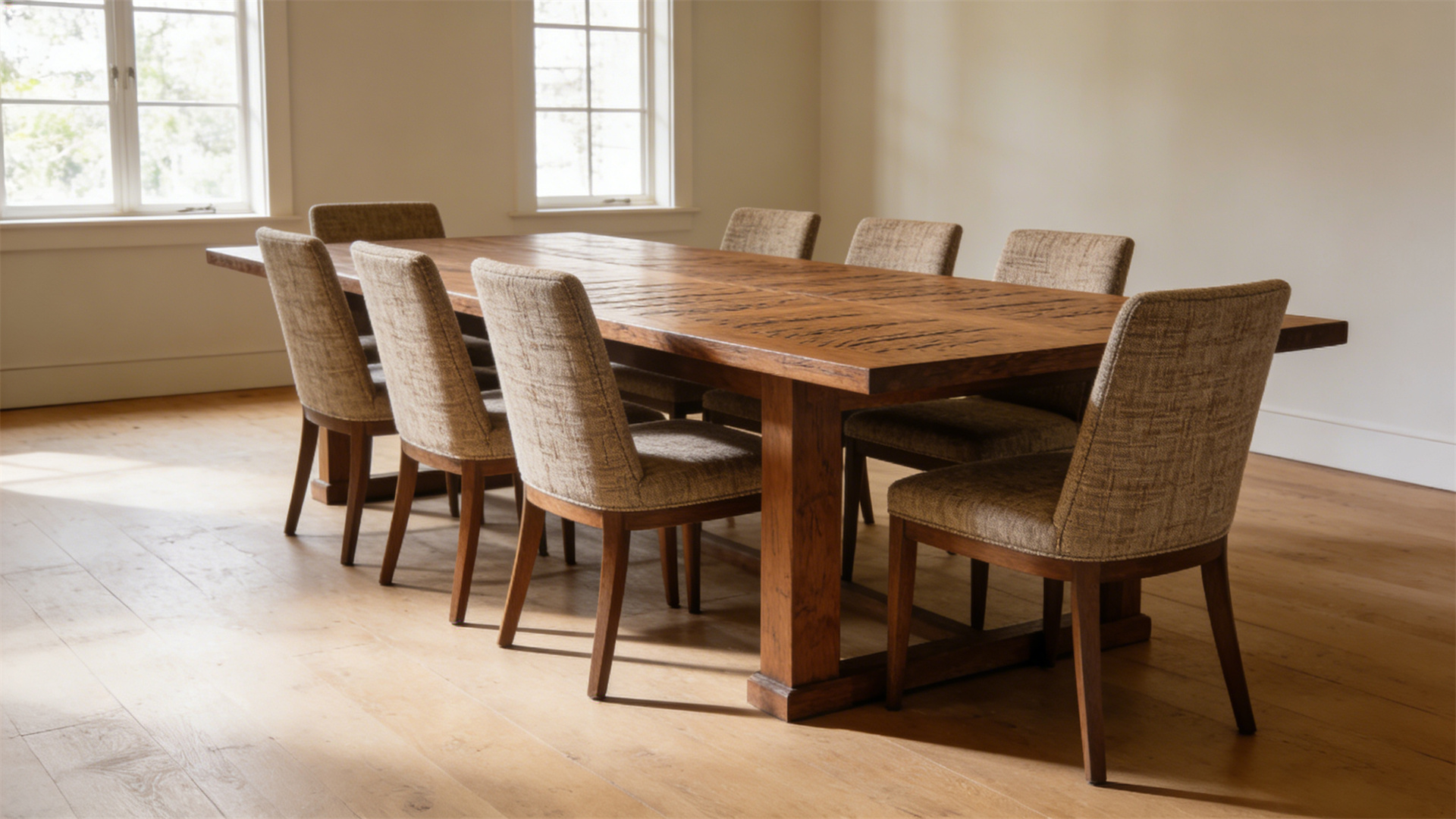
A fixed dining table offers unwavering permanence and often, a stronger design statement. Without the need for mechanical parts, designers have more freedom with materials, leg placement, and form. This can result in a more robust, solid, and aesthetically pure piece of furniture. There is no worry about wobble from extension joints or the hassle of rearranging the table and clearing it to add leaves. It declares its purpose and size unequivocally, which can be a virtue in a room of ample proportions. The commitment is clear: your table will always occupy its designated footprint. This makes it perfect for those with a dedicated dining room, regular large households, or individuals who prefer simplicity and solidity over adaptable function.
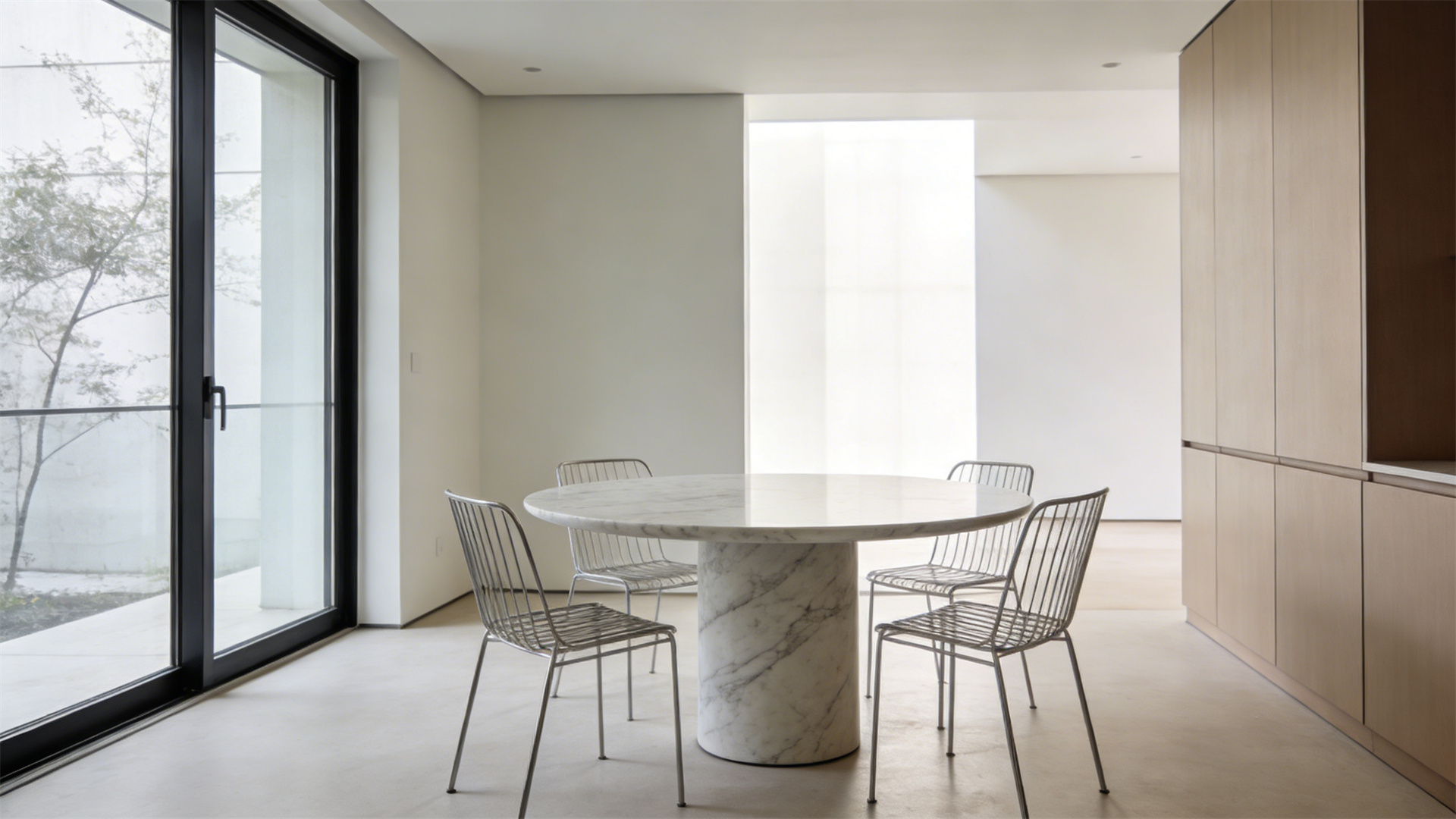
Beyond shape and mechanics, material and style integration are paramount. A rustic, solid oak rectangular table commands a different presence than a sleek, round marble one. An extendable table with a complex grain pattern needs careful engineering to ensure the pattern matches when extended—a mark of quality. Consider how the table's legs or pedestal base interacts with your chairs and room circulation. A round table with a central pedestal base, for instance, allows for easier seating since there are no legs to navigate, but it may not accommodate as many people when fully extended as a rectangular table with trestle legs. Your choice should be a conscious part of your overall interior narrative, whether it’s a farmhouse gatherer, a minimalist sculpture, or a timeless classic.

Ultimately, the most critical factor is optimizing for your specific space and lifestyle. Before falling in love with a style, measure meticulously. For rectangular tables, ensure there is at least 36 inches (approximately 90 cm) from the table edge to any wall or furniture to allow for comfortable chair movement and passage. For round tables, this clearance is even more crucial to avoid a cramped feeling. Consider the "in-use" size: a 48-inch round table seats four comfortably, while a 60-inch round can seat six to eight. For extendable tables, measure both its closed and fully open dimensions against your room. Your lifestyle is the final arbitrator: if large gatherings are frequent, an extendable rectangular table might be ideal. If your daily life involves intimate family meals in a cozy nook, a fixed, round table could be the perfect heart of your home.
There is no universally perfect dining table. The ideal choice is a deeply personal equation balancing spatial constraints, social habits, aesthetic preference, and practical needs. The rectangular table offers tradition and efficient use of linear space, while the round table promotes conversation and softness. The extendable table provides a flexible solution for the space-conscious host, whereas the fixed table offers solidity and design integrity. By weighing these specific attributes against the backdrop of your daily life and the dimensions of your dining area, you can move beyond trend-driven choices to select a table that will truly serve as the enduring centerpiece of your home for years to come.