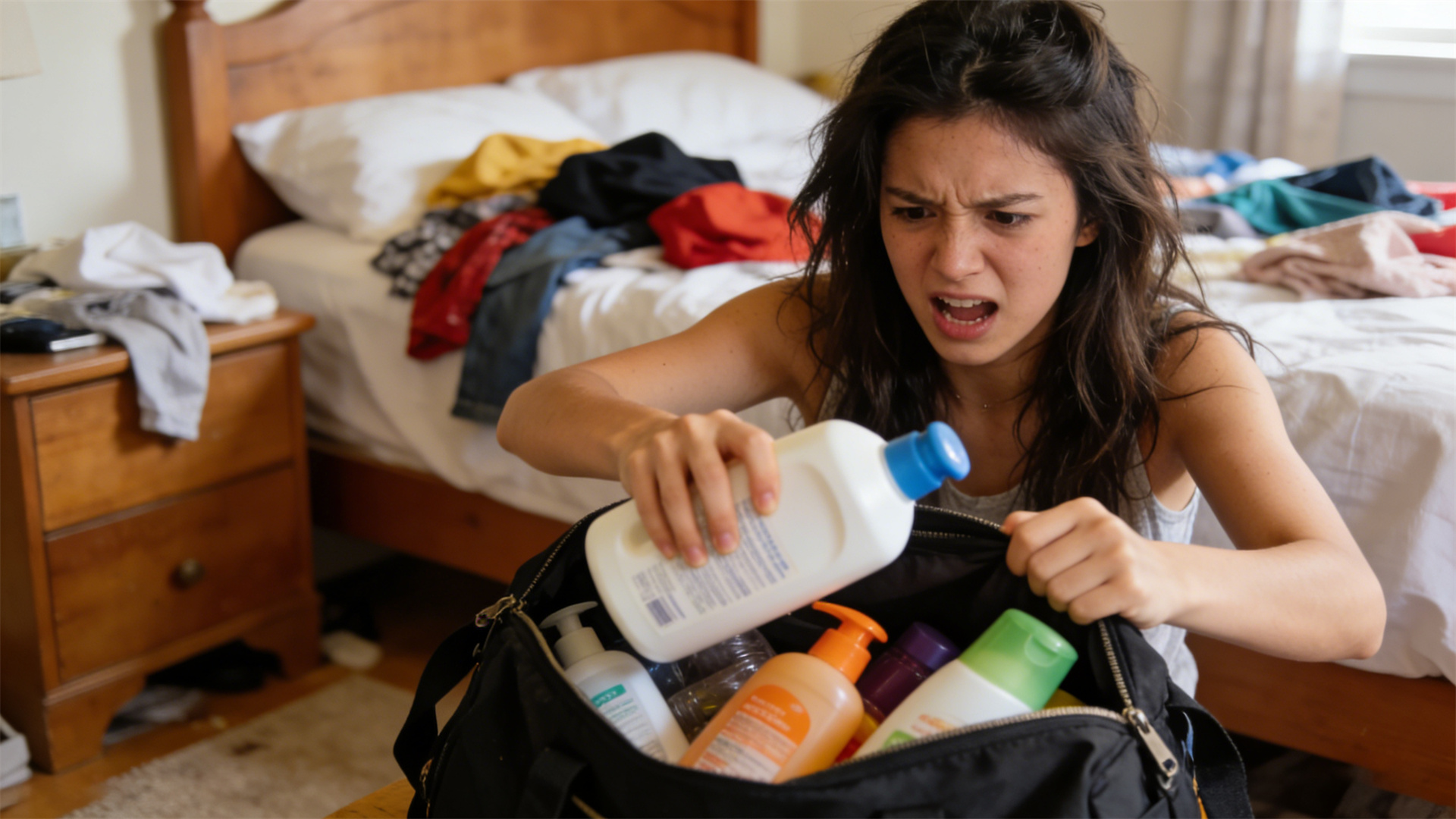
Packing a carry-on bag is an exercise in efficiency and strategy. While you’ve mastered the art of the capsule wardrobe, the toiletry kit often remains a last-minute, chaotic toss of full-sized products that threatens to derail your smooth airport experience. The key to serenity at security and convenience at your destination lies in a meticulously curated, TSA-approved toiletry kit. Moving beyond the basic "3-1-1" rule, this guide delves into the essentials, smart alternatives, and packing techniques that transform your liquids bag from a necessary evil into a pillar of travel-savvy preparedness.
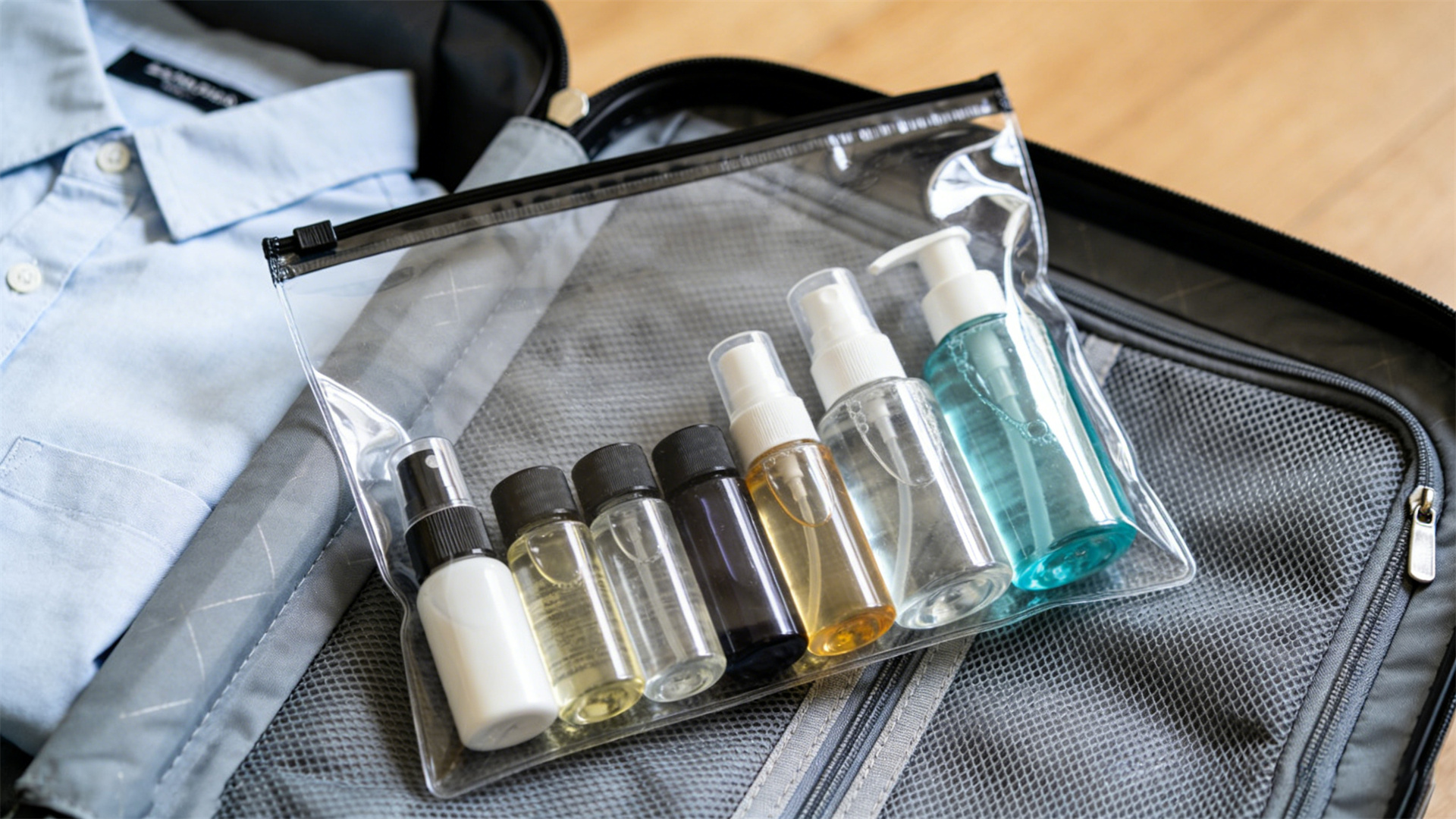
The foundational law of carry-on liquids is the TSA’s 3-1-1 rule. Each passenger is permitted to bring one quart-sized, clear, resealable bag containing liquids, aerosols, gels, creams, and pastes in containers that are 3.4 ounces (100 milliliters) or less per item. This rule isn't a suggestion—it's strictly enforced. The bag must be transparent and able to close securely. Investing in a designated TSA-compliant clear bag with a sturdy zipper is far superior to using a flimsy disposable sandwich bag, which can tear and create a messy disaster in your backpack. This quart-sized bag is your canvas, and every item you place inside should earn its spot.
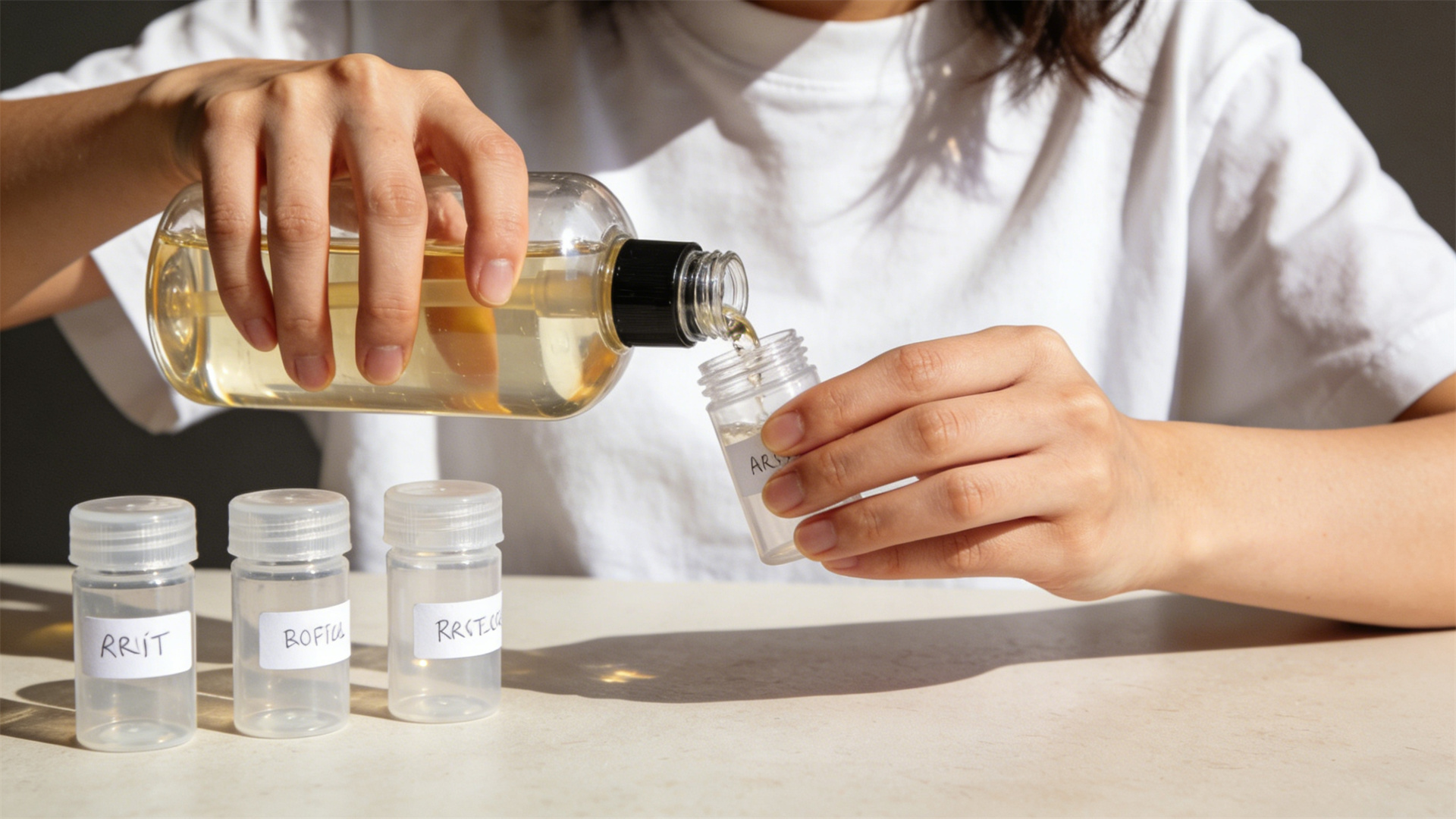
Your first task is to decant your favorite products into TSA-approved travel-sized containers. A high-quality set of leak-proof silicone or durable plastic bottles is non-negotiable. Look for bottles with secure, screw-top lids rather than flip caps, which are prone to opening under pressure. Label each container clearly. For moisturizers, creams, or foundations, consider mini jars or tubes. Remember, the 3.4-ounce limit applies to the *container size*, not the amount of product inside, so you can fill a 2-ounce bottle with only an ounce of shampoo if that’s all you need. For frequent travelers, purchasing duplicates of your daily essentials in their natural travel-size versions can save time and hassle.
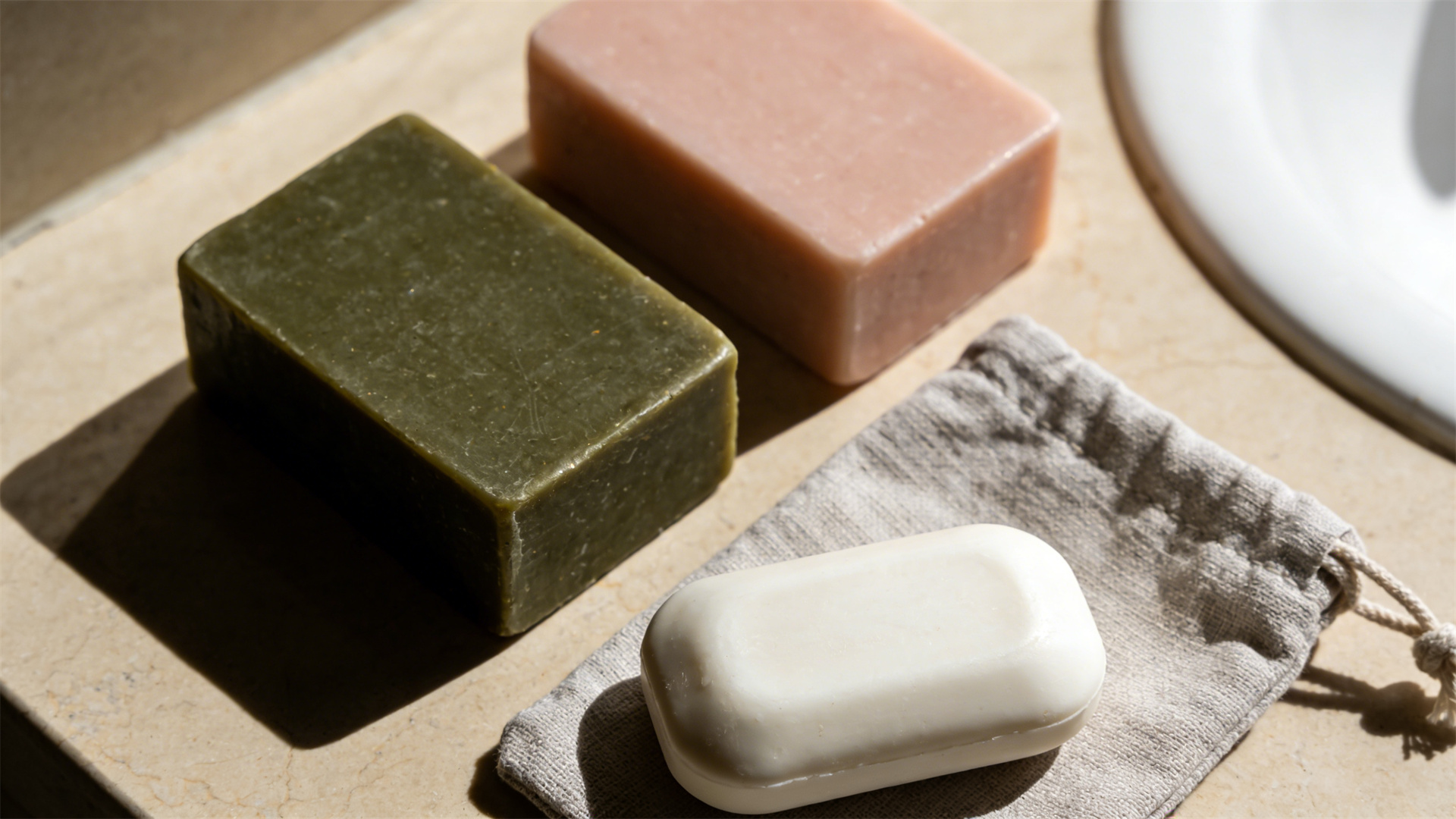
The most effective way to maximize space and bypass liquid anxieties is to embrace solid alternatives. A great shampoo bar and conditioner bar last for dozens of washes, lather beautifully, and eliminate liquid spills entirely. Solid deodorants are already commonplace, but consider also a toothpaste tablet—you chew one, brush, and rinse—or a concentrated toothpaste powder. A small bar of soap in a ventilated travel case can serve for both face and body. For skincare, solid moisturizer bars or serum concentrates that you mix with a few drops of water are innovative space-savers. These solids don’t need to go in your quart bag, freeing up precious liquid real estate for items that truly have no solid substitute.
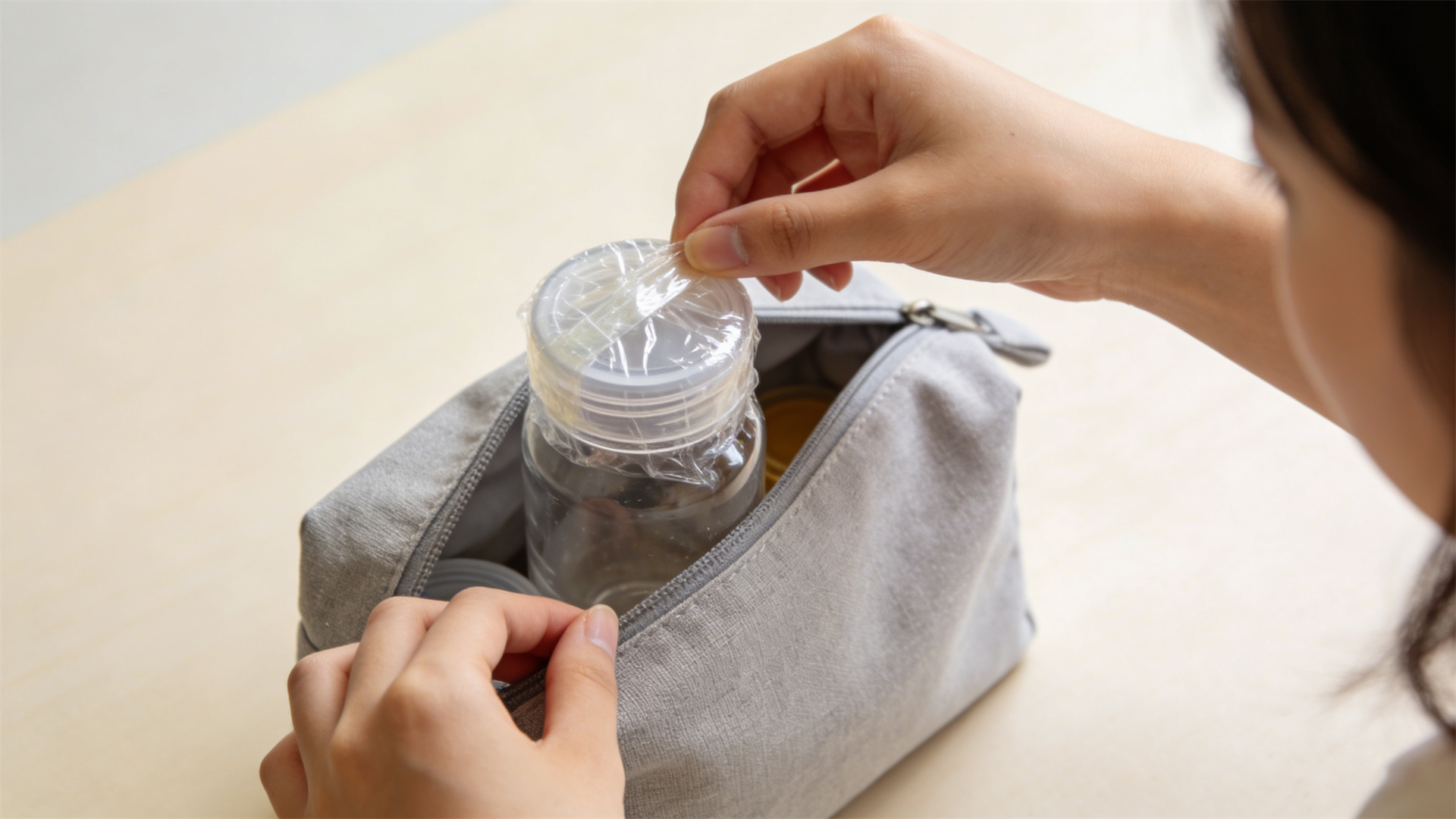
Packing technique is as crucial as product selection. Place your quart bag in an easily accessible outer pocket of your carry-on for swift removal at security. Within the bag, stand bottles upright and group similar items together. To prevent leaks, place a small piece of plastic wrap over the opening of each bottle before screwing on the cap. Consider placing all liquids inside a second zippered pouch within your toiletry kit for an extra layer of containment. Roll tubes from the bottom to push out air and minimize bursting. After filling your containers, give them a trial run at home—stand them upside down on a paper towel overnight to check the seals.
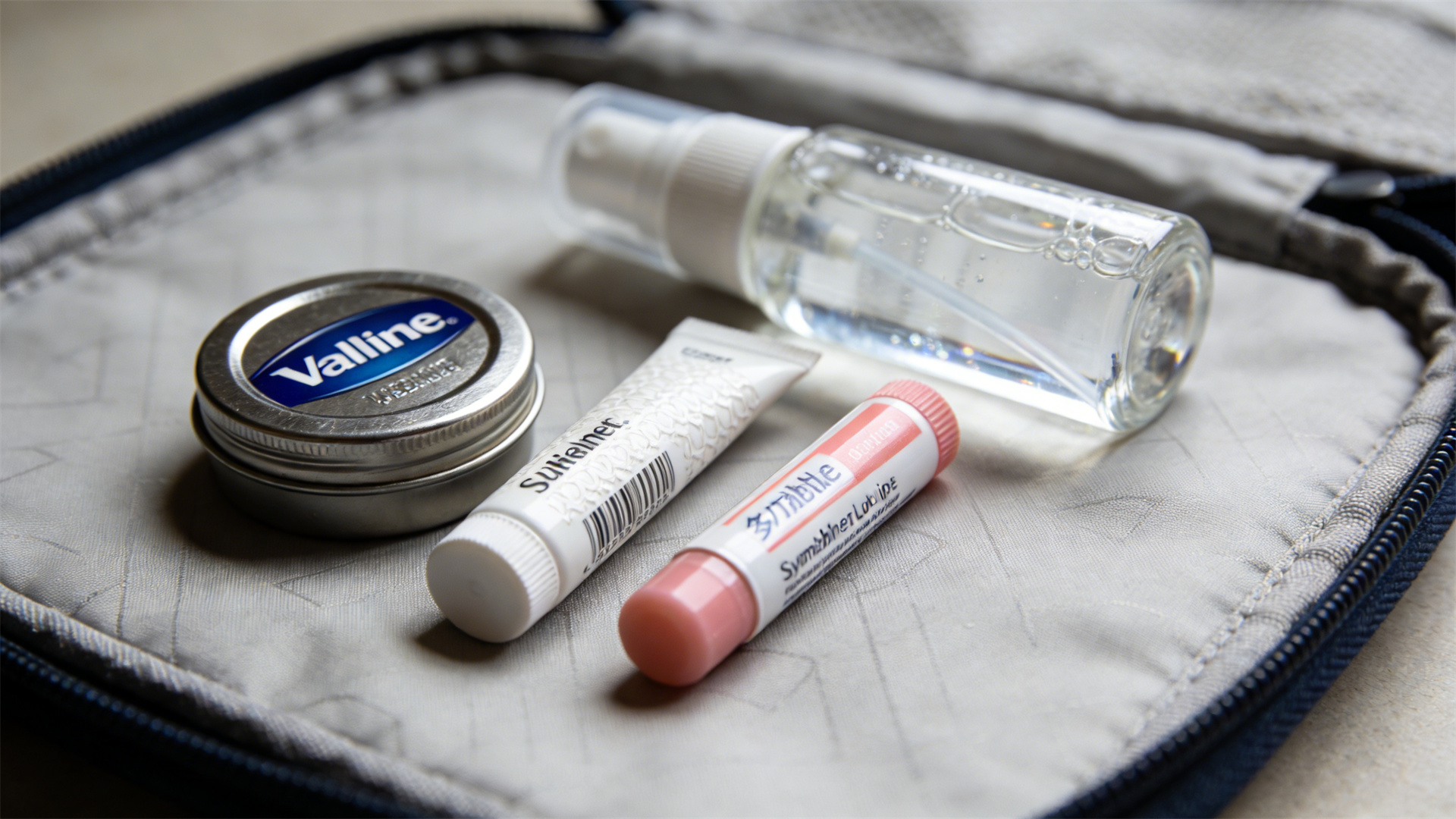
Beyond the basics, consider multi-purpose products to further streamline your kit. A leave-in conditioner can double as a styling cream. A tinted moisturizer with SPF combines three steps in one. A small tube of petroleum jelly is a miracle worker for dry lips, cuticles, minor skin irritations, and even taming eyebrows. For those who wear makeup, cream-based blush and eyeshadow sticks often bypass "liquid" classifications and offer easy application. Don’t forget a travel-sized spray bottle filled with water; it can be used to refresh your face, dampen a cloth, or revive wrinkled clothes. Always include a few spare zip-top bags for wet items or potential leaks on the return trip.
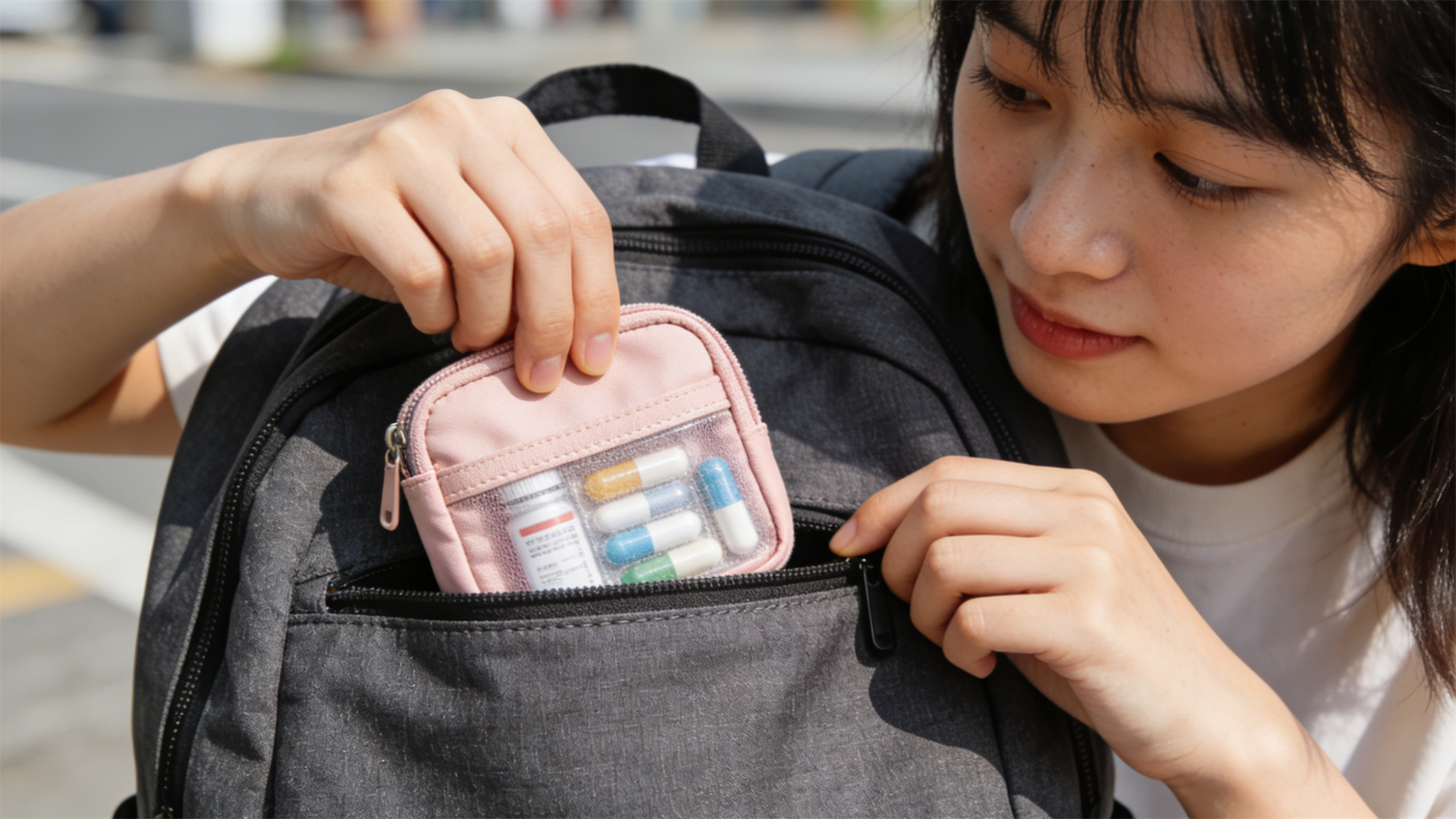
Medications, whether prescription or over-the-counter, are exempt from the 3-1-1 rule but require special handling. Keep them in their original, labeled containers, especially prescription drugs. It’s wise to carry a copy of your prescription or a doctor’s note. While not required to be in the quart bag, having them organized in a separate, clearly marked pouch within your carry-on is recommended for easy access during security screening. Inform the TSA officer if you have medically necessary liquids exceeding 3.4 ounces, such as insulin or liquid nutrition, before screening begins.
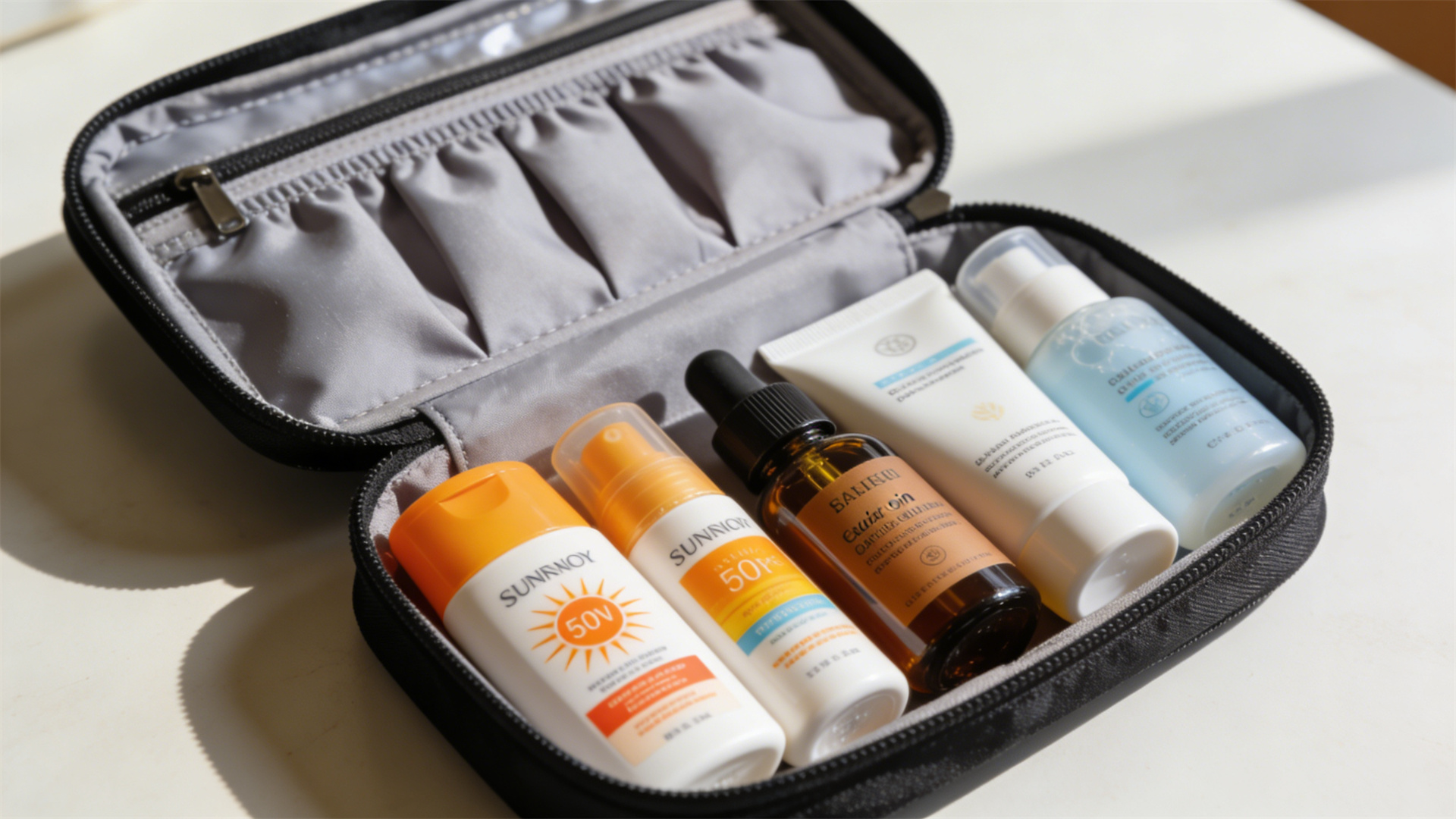
Finally, personalization is key. A business traveler’s kit will differ from a beachgoer’s or a backpacker’s. Build your core kit around your absolute daily necessities: cleanser, moisturizer, toothpaste, deodorant. Then, add your situation-specific essentials. A suncare module with travel-sized sunscreen and aloe vera gel. A flight wellness section with hydrating facial mist, hand sanitizer, and lip balm. A styling arsenal with a travel-sized hair paste or a few drops of hair oil in a tiny vial. The goal is not to pack for every hypothetical, but to have a adaptable, compliant system that covers your personal must-haves without overpacking.
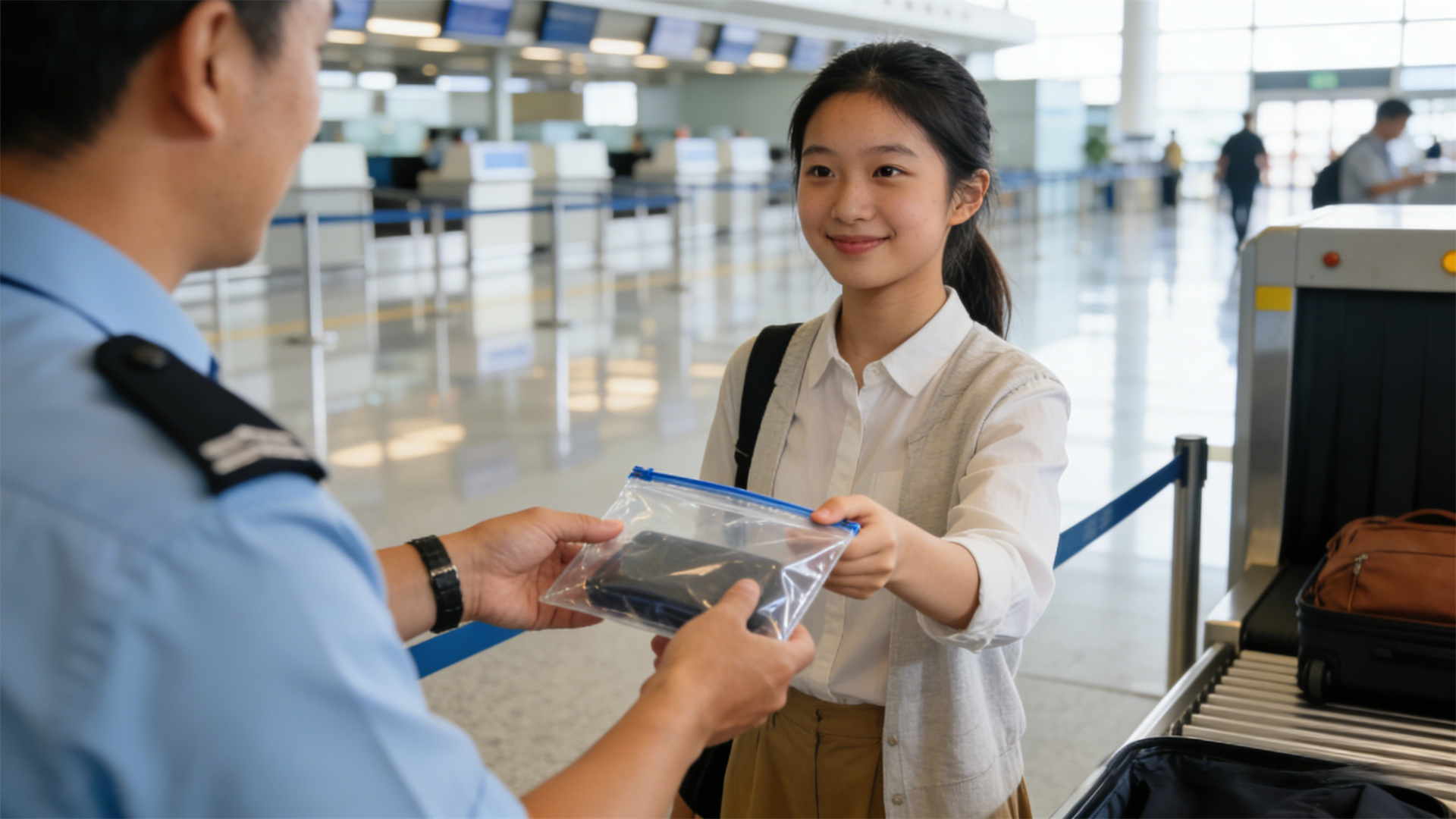
A well-assembled, TSA-approved toiletry kit is more than a collection of mini bottles; it is a testament to thoughtful preparation. It grants you the confidence to sail through security checkpoints without the dreaded bag search, the assurance that your self-care routine remains intact anywhere in the world, and the priceless peace of mind that comes from being organized. By mastering the rules, choosing smart products, and packing with intention, you transform a regulatory requirement into a cornerstone of effortless, efficient travel. So before your next trip, take the time to refine your kit—your future, airport-ready self will thank you.