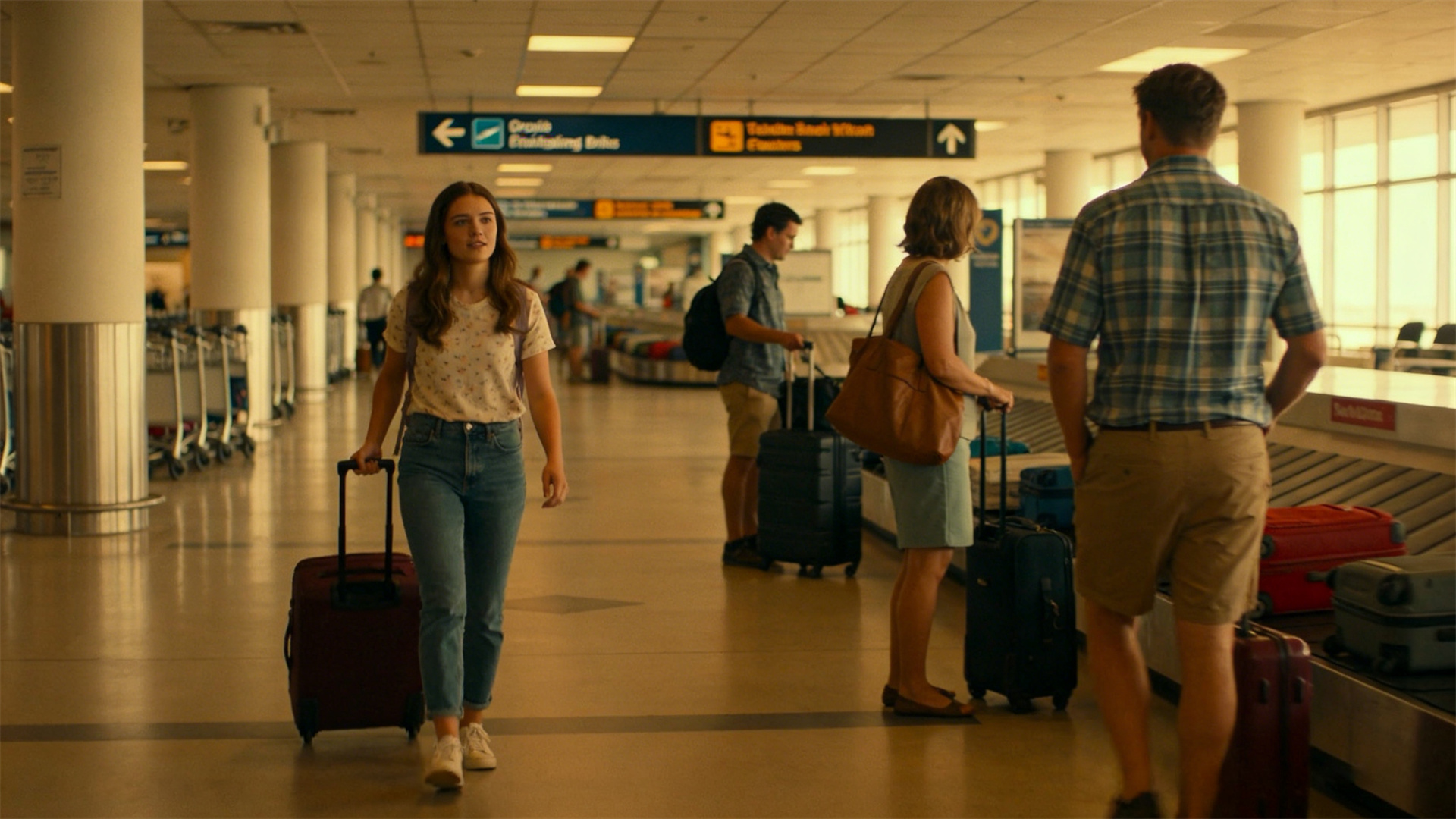
In today's fast-paced travel landscape, the idea of embarking on a journey with only a carry-on bag has evolved from a niche preference to a mainstream mantra for discerning travelers. The benefits are undeniable: bypassing lengthy check-in lines, avoiding hefty baggage fees, eliminating the risk of lost luggage, and enjoying unparalleled mobility as you navigate airports, trains, or city streets. Yet, the carry-on only challenge often feels daunting—how can one possibly fit everything needed for a weekend getaway, a business trip, or a month-long adventure into a single small suitcase or backpack? The truth is, packing light is an art form that combines strategy, creativity, and practicality. By embracing a minimalist mindset and employing proven techniques, you can streamline your belongings to fit within airline size restrictions while still being prepared for any scenario. This guide delves into the core principles of carry-only travel, offering actionable advice to help you pack efficiently, smartly, and lightly for any trip, whether you're headed to a tropical beach, a bustling metropolis, or a remote mountain retreat. Say goodbye to overpacking and hello to the freedom of traveling unencumbered.
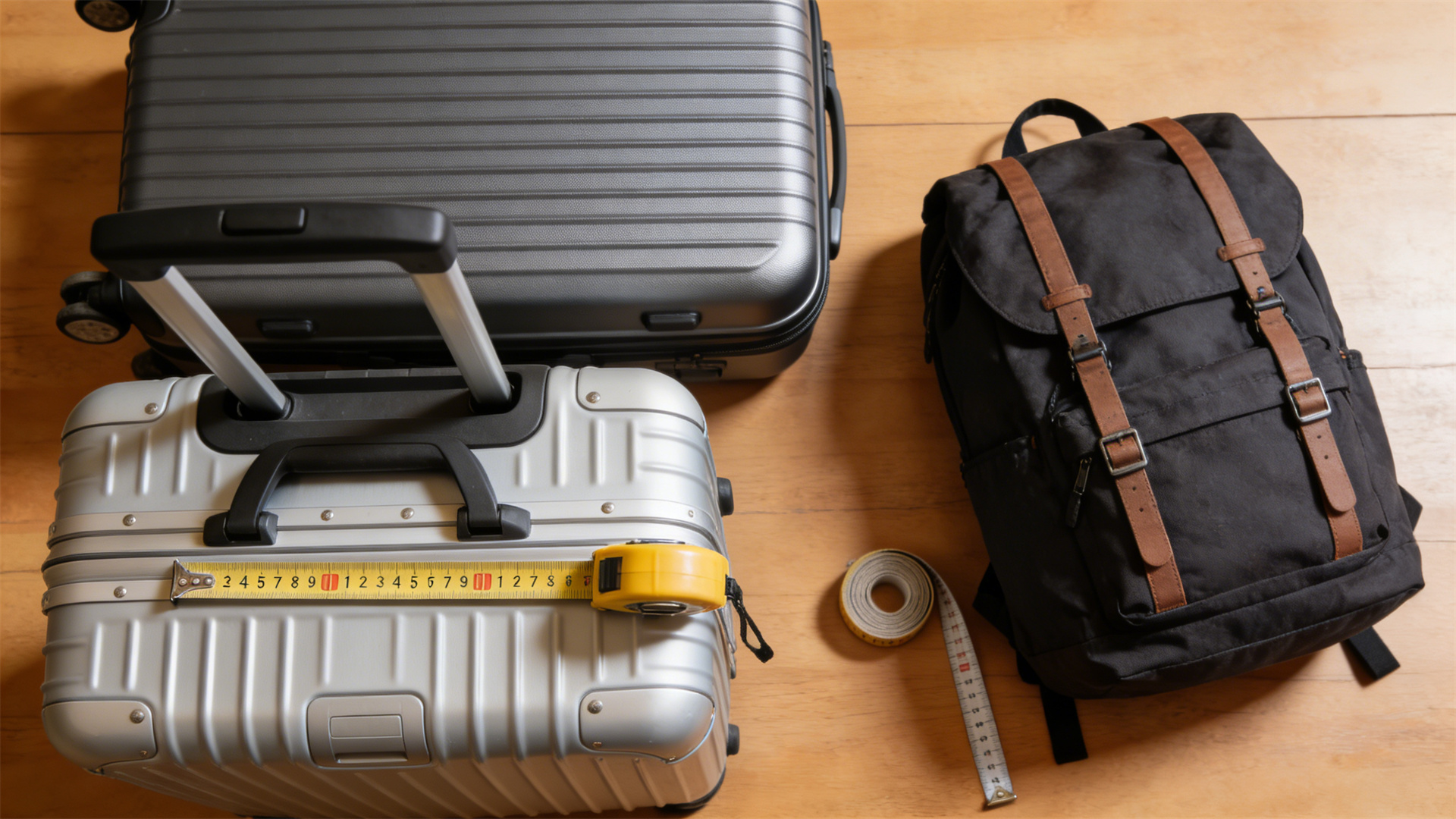
The cornerstone of successful carry-on travel lies in selecting the right luggage. Your bag is not merely a container; it is your travel companion, and its design can significantly impact your packing efficiency and overall comfort. Start by ensuring your carry-on adheres to the size limits imposed by airlines, which typically range from 22 x 14 x 9 inches for overhead compartments to slightly smaller dimensions for under-seat storage. Invest in a lightweight yet durable option made from materials like polycarbonate, ballistic nylon, or canvas, which offer resilience without adding bulk. Look for features that enhance functionality, such as 360-degree spinner wheels for smooth mobility, telescopic handles with multiple height settings, and external pockets for quick access to essentials like passports or snacks. Interior organization is equally crucial—opt for bags with built-in compartments, compression straps, and mesh dividers to keep items secure and orderly. Consider whether a hard-shell suitcase or a soft-sided backpack better suits your travel style; hard shells offer better protection for fragile items, while backpacks provide flexibility for uneven terrain or crowded spaces. Remember, a well-chosen carry-on maximizes packing space while remaining easy to maneuver, setting the stage for a stress-free journey.
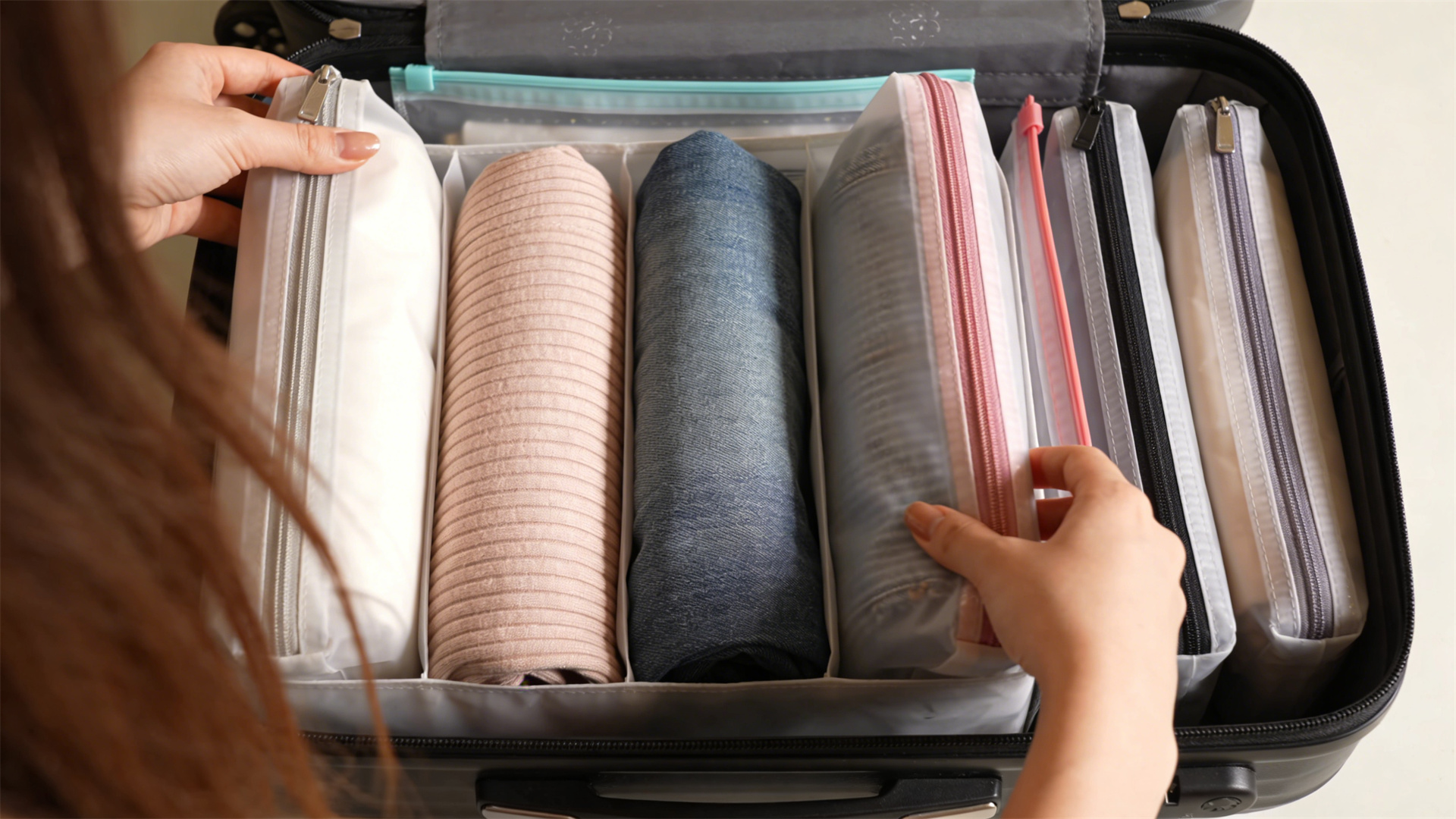
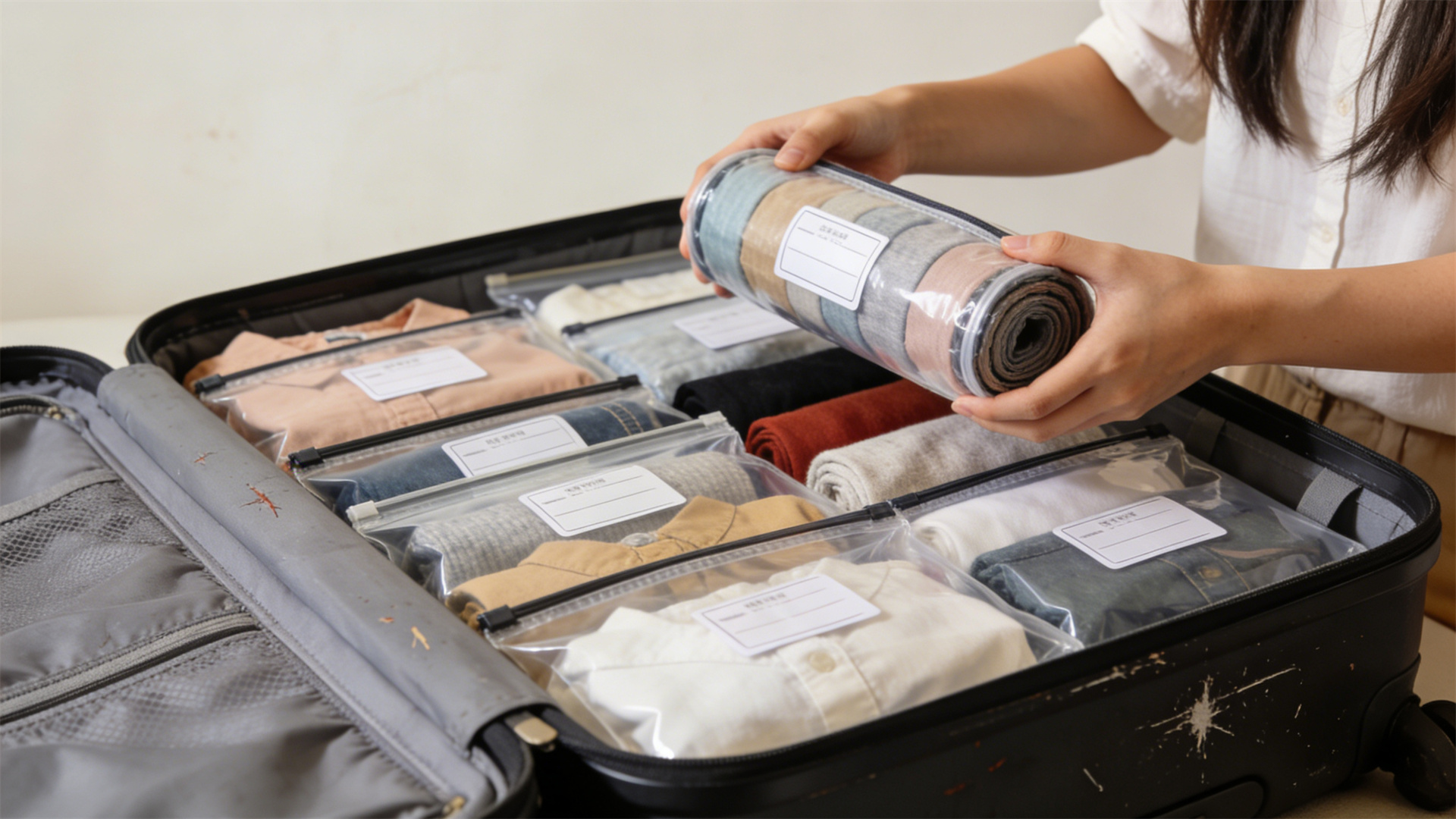
Once you have the ideal bag, mastering the use of packing cubes can revolutionize your organization and space-saving efforts. These lightweight, zippered containers act as modular drawers within your luggage, allowing you to categorize items and compress them to minimize wasted air. Begin by assigning cubes to different groups—for instance, one for tops, another for bottoms, a third for undergarments and socks, and a small one for accessories like belts or ties. Rolling clothes tightly before placing them in cubes further reduces wrinkles and saves space, while compression cubes with vented panels can squeeze out excess air. This method not only keeps your belongings neat and accessible but also prevents overpacking by imposing visual limits on each category. As you pack, distribute weight evenly by placing heavier cubes at the bottom of your bag and lighter ones on top, ensuring balanced handling. Packing cubes also simplify unpacking and repacking during your trip, as you can remove entire cubes without disrupting the rest of your luggage. For added efficiency, use clear-sided cubes for toiletries or small items to quickly identify contents, saving you time during security checks or daily routines.
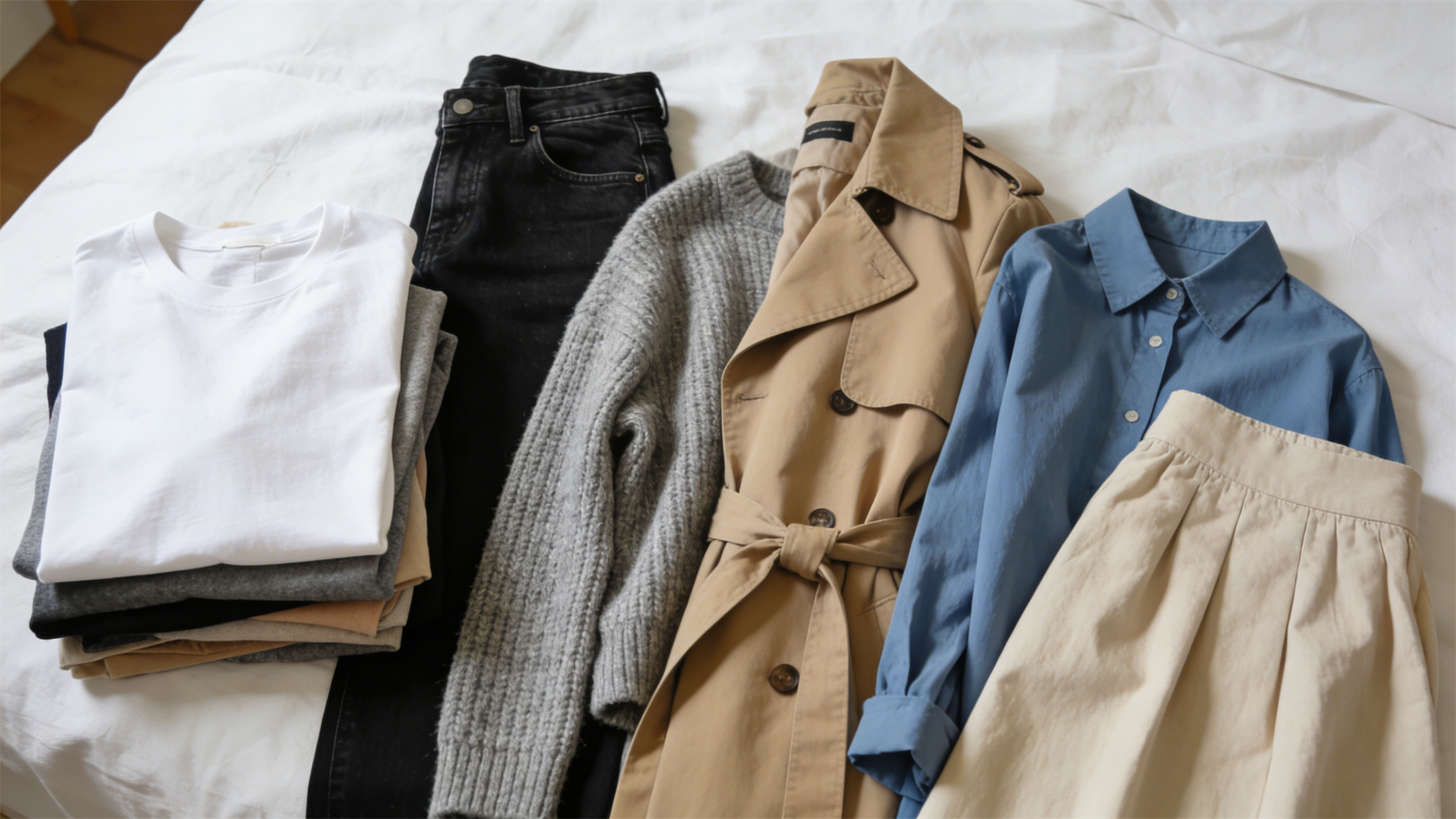
Building a capsule wardrobe is a fundamental strategy for packing light, as it focuses on versatility and mix-and-match potential over quantity. A capsule wardrobe consists of a limited selection of clothing items in a cohesive color palette, all of which can be interchanged to create numerous outfits suitable for various occasions. Start by choosing a base of neutral colors like black, gray, navy, or beige, which are easy to coordinate and tend to hide stains or wrinkles. Incorporate a few accent colors or patterns to add personality without sacrificing flexibility. Select fabrics that are lightweight, quick-drying, and wrinkle-resistant, such as merino wool, polyester blends, or technical synthetics, which allow for multiple wears between washes. Key pieces might include two to three bottoms (e.g., dark jeans, tailored trousers, or shorts), four to five tops (e.g., t-shirts, blouses, or button-downs), one to two layers (e.g., a cardigan, lightweight jacket, or scarf), and one dress or formal outfit if needed. Avoid bulky items like heavy sweaters; instead, layer thin pieces for warmth. By planning outfits around a core collection, you can significantly reduce the number of clothes packed while ensuring you're dressed appropriately for activities ranging from sightseeing to dining out.
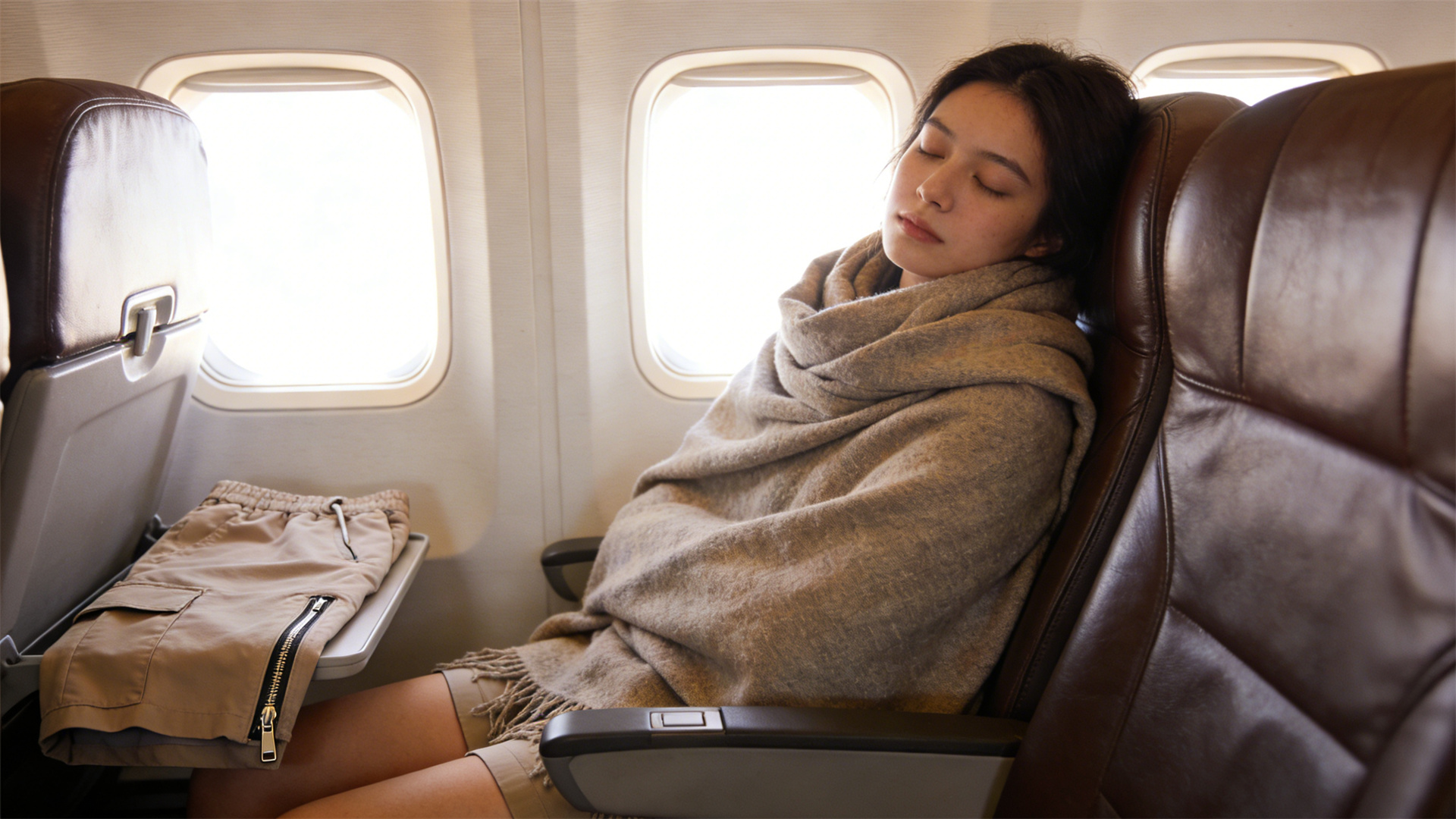
Incorporating multi-functional items into your packing list is a game-changer for minimizing bulk and weight. Every item in your carry-on should serve at least two purposes, maximizing utility without adding extra pieces. For example, a large scarf or pashmina can double as a blanket on chilly flights, a pillow for impromptu naps, a cover-up for religious sites, or a beach towel in a pinch. Similarly, choose clothing with convertible features, such as pants that zip off into shorts or jackets with removable liners, to adapt to changing weather conditions. Opt for travel-specific gear like a microfiber towel that is compact, fast-drying, and suitable for gym sessions or hostel stays. Footwear should be limited to two pairs—wear the bulkier, all-purpose shoes (like supportive walking sneakers) during transit, and pack a lightweight pair (such as foldable flats or sandals) for dressier occasions. Electronics can also be streamlined; a smartphone often replaces a camera, map, book, and entertainment device, while a multi-port USB charger reduces the need for multiple adapters. By critically evaluating each item's versatility, you ensure that your carry-on contains only essentials that earn their space.

Managing toiletries and liquids is a critical aspect of carry-only packing, given strict airline security regulations. To comply with the 3-1-1 rule—which mandates that liquids, gels, and aerosols must be in containers of 3.4 ounces (100 milliliters) or less, all stored in a single quart-sized clear plastic bag—invest in reusable travel-sized bottles and jars. Fill these with your preferred shampoos, conditioners, lotions, and other products, labeling them clearly to avoid confusion. Consider solid alternatives to liquids, such as shampoo bars, solid deodorants, toothpaste tablets, or powdered sunscreen, which bypass liquid restrictions altogether and are often more eco-friendly. Minimize your toiletry kit by prioritizing multi-use products; for instance, a moisturizer with SPF can serve as both skincare and sun protection, while a tinted lip balm might replace separate lipstick and chapstick. Research your destination's amenities; many hotels and rentals provide basics like soap, shampoo, and hairdryers, allowing you to leave these at home. Pack toiletries in a waterproof pouch to prevent leaks, and place it in an easily accessible part of your bag for swift security screening. With careful planning, you can maintain your personal care routine without sacrificing precious carry-on space.
Footwear and electronics require thoughtful curation to avoid common packing pitfalls. Shoes are often the heaviest and bulkiest items in a luggage, so limit yourself to two pairs at most: one practical pair for walking or hiking, and one versatile pair for evenings or formal settings. Wear the larger, sturdier shoes during travel to free up bag space, and pack the lighter pair, possibly using shoe bags to keep dirt isolated. For electronics, adopt a minimalist approach by bringing only what is essential for your trip. A smartphone can handle communication, navigation, photography, and entertainment, reducing the need for separate devices. If you must bring a laptop or tablet, choose a slim model and pair it with a compact case that includes organizational pockets for cables and accessories. Use a universal power adapter with multiple USB ports to charge several devices simultaneously, and consider wireless earbuds to eliminate cord clutter. To protect delicate electronics, place them in padded sleeves or central compartments of your bag, surrounded by soft items like clothing for added cushioning. By streamlining these categories, you maintain functionality while keeping your carry-on lightweight and manageable.
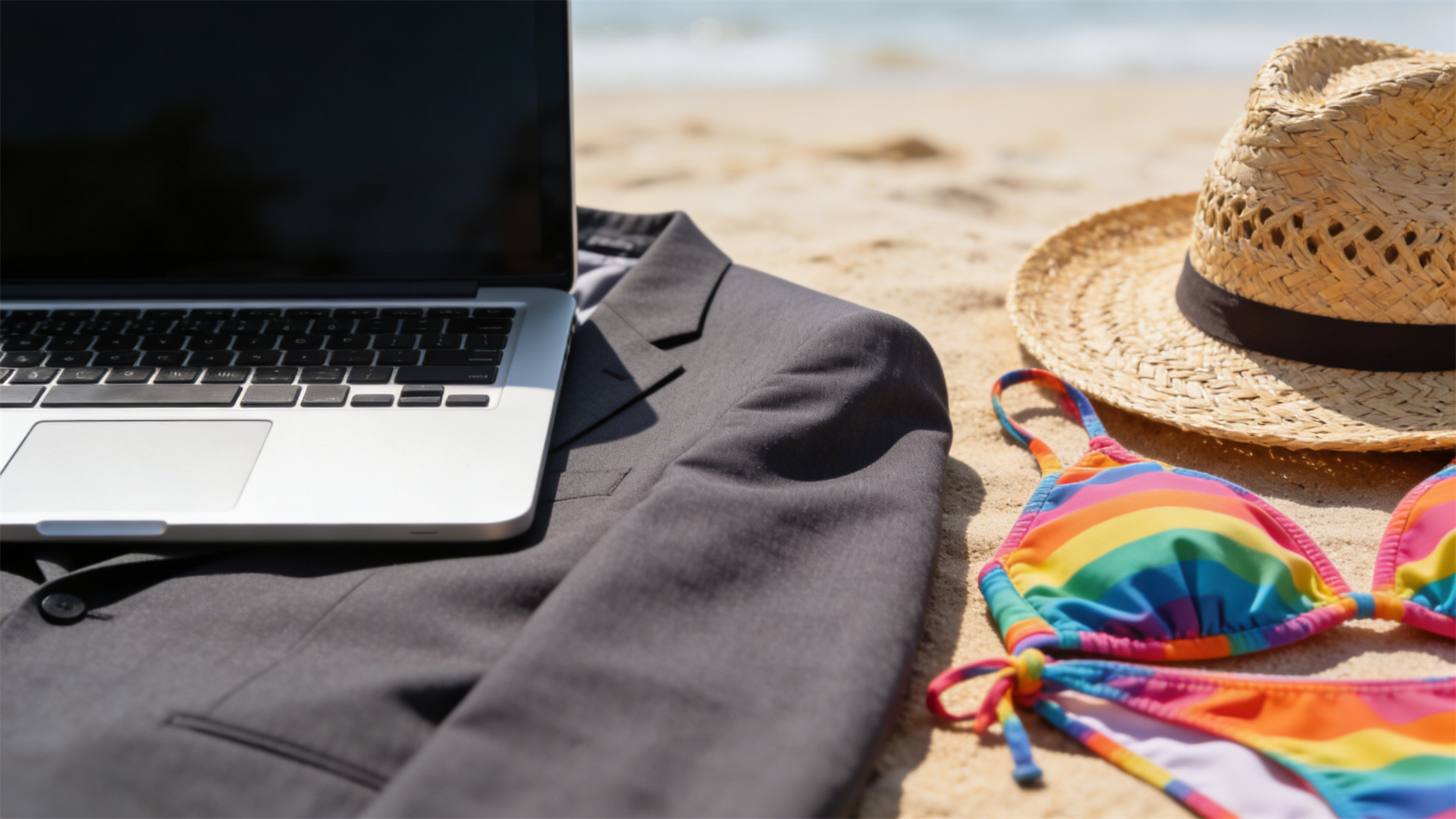
Adapting your packing strategy to different trip types ensures you're prepared for specific activities and climates without overpacking. For a business trip, focus on professional attire like a blazer, dress shirts, and polished shoes, along with essential gadgets like a laptop and charger. Incorporate wrinkle-resistant fabrics and packing techniques to keep suits presentable. A beach vacation demands lightweight, breathable clothing such as swimwear, cover-ups, and sun hats, plus reef-safe sunscreen and a reusable water bottle. Since beach destinations often have casual dress codes, you can skip formal wear. An adventure or hiking trip requires durable, moisture-wicking layers, sturdy footwear, and gear like a headlamp or compact first-aid kit. Research weather patterns and cultural norms at your destination; for example, conservative regions may necessitate modest clothing, while urban centers might call for stylish yet comfortable outfits. Always pack a small daypack or tote for daily excursions, which can be folded into your main bag when not in use. By tailoring your list to the trip's unique demands, you avoid generic "just in case" items that add unnecessary weight.
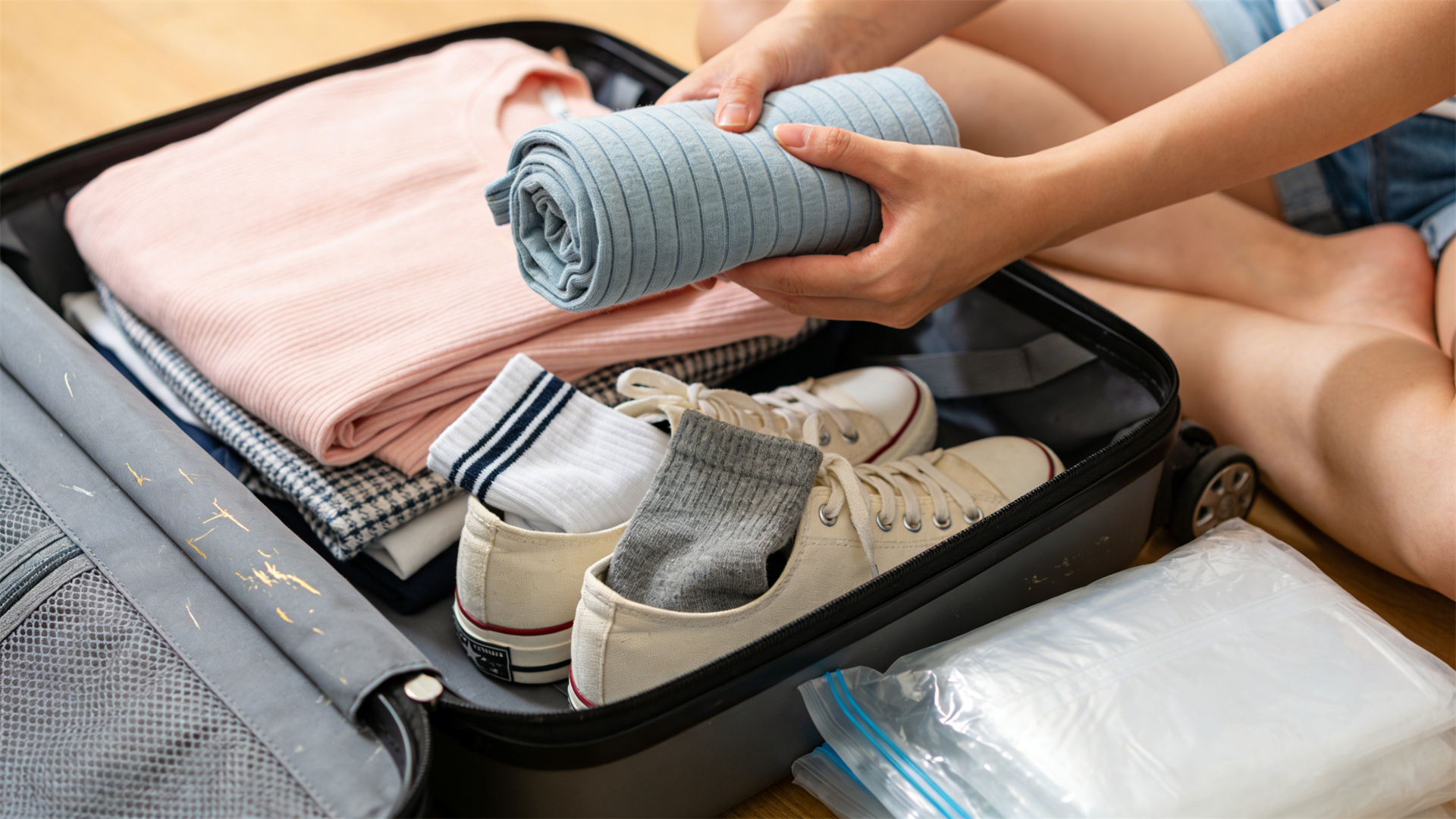
Beyond clothing and gear, mastering space-saving techniques can further optimize your carry-on capacity. The rolling method for clothes—tightly rolling each item instead of folding—reduces wrinkles and creates more flexible bundles that fit into nooks and crannies. For bulkier items like jackets, use the bundle wrapping technique by wrapping them around a core of softer items to maintain shape and save space. Utilize every inch of your bag by stuffing socks or small accessories inside shoes, or tucking jewelry into pill containers or zip-top bags. Compression bags, which allow you to squeeze out air via valves or rolls, are excellent for down jackets or seasonal wear, though be mindful of airline weight limits as they can increase density. When packing, place heavier items at the bottom near the wheels to prevent tipping, and position frequently needed items like travel documents or snacks in exterior pockets. Periodically reassess your packing list as you go, removing non-essentials to stay lean. With practice, these techniques become second nature, enabling you to pack more efficiently for any duration or destination.

Developing a mindful packing mindset is the ultimate key to sustaining carry-on only travel. This involves shifting from a scarcity mentality—fearing you might need something—to an intentional approach where each item is carefully evaluated for its necessity and utility. Before packing, create a detailed list based on your itinerary, considering activities, weather, and cultural expectations. Lay out everything you plan to bring, then critically eliminate at least one-third of the items, asking yourself if each can be replaced, borrowed, or done without. Embrace the concept of laundry on the go; many accommodations offer washing facilities, or you can hand-wash items in a sink using a small amount of detergent, drying them overnight. Pack travel-sized detergents or soap leaves for this purpose. Additionally, leverage technology by storing digital copies of books, maps, and tickets on your devices, reducing paper clutter. As you travel, reflect on what you actually used versus what you packed, refining your list for future trips. Over time, this mindset fosters a habit of simplicity, making carry-on only travel not just a challenge, but a rewarding lifestyle choice.
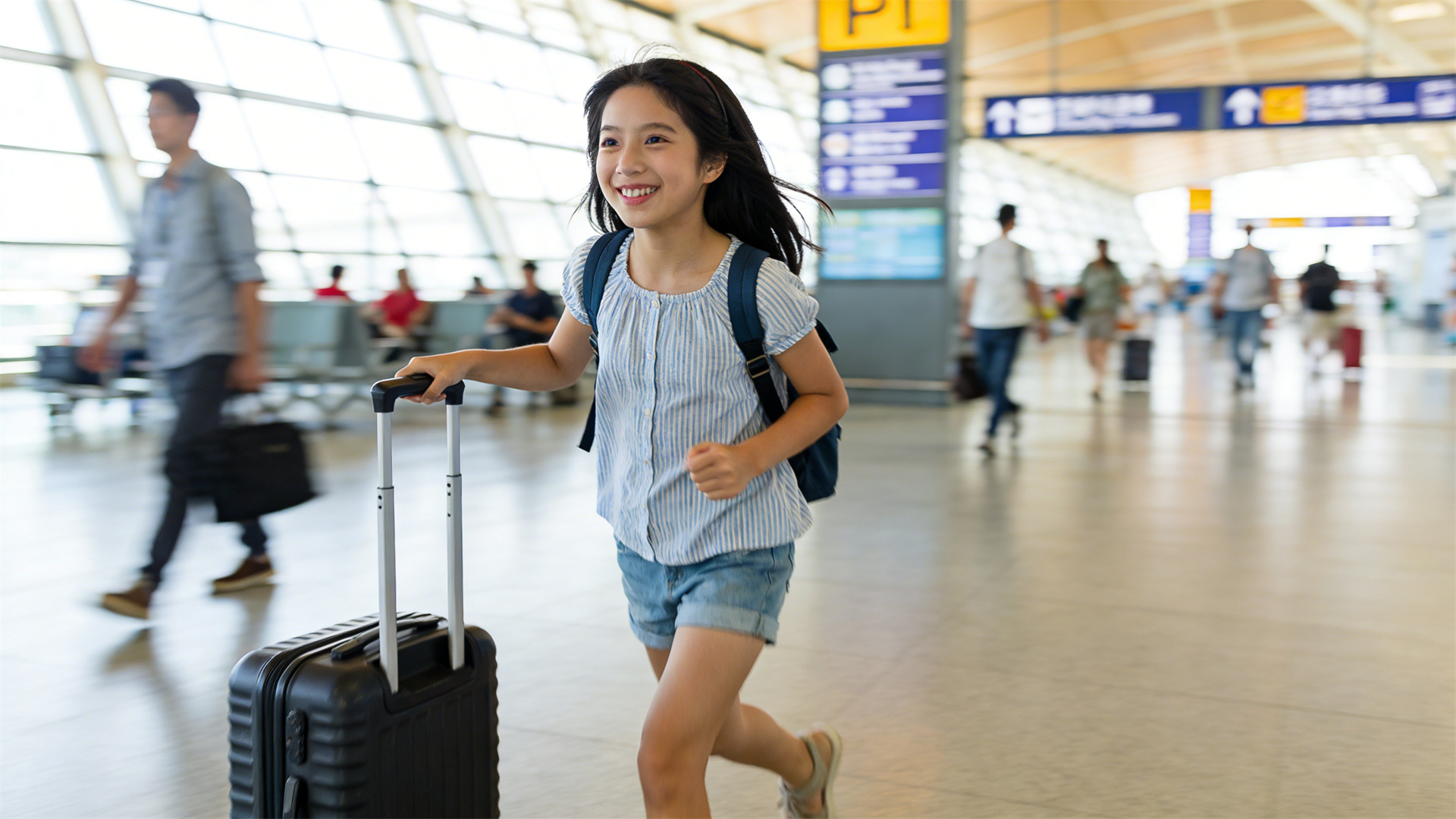
Embracing the carry-on only challenge transforms travel from a burdensome chore into a liberating experience, characterized by agility, cost savings, and peace of mind. By selecting the right luggage, organizing with packing cubes, building a capsule wardrobe, incorporating multi-functional items, managing toiletries, curating footwear and electronics, adapting to trip types, employing space-saving techniques, and cultivating a mindful packing mindset, you can confidently pack light for any journey. Remember, the goal is not deprivation but optimization—carrying precisely what you need to fully engage with your destination without the drag of excess baggage. Start by implementing these strategies on your next trip, adjusting them to your personal style and needs. As you become adept at packing light, you'll discover that the world feels more accessible, spontaneous, and enjoyable when you're unencumbered. So, take on the carry-on only challenge, and unlock the freedom to explore more with less. Safe travels and happy packing!