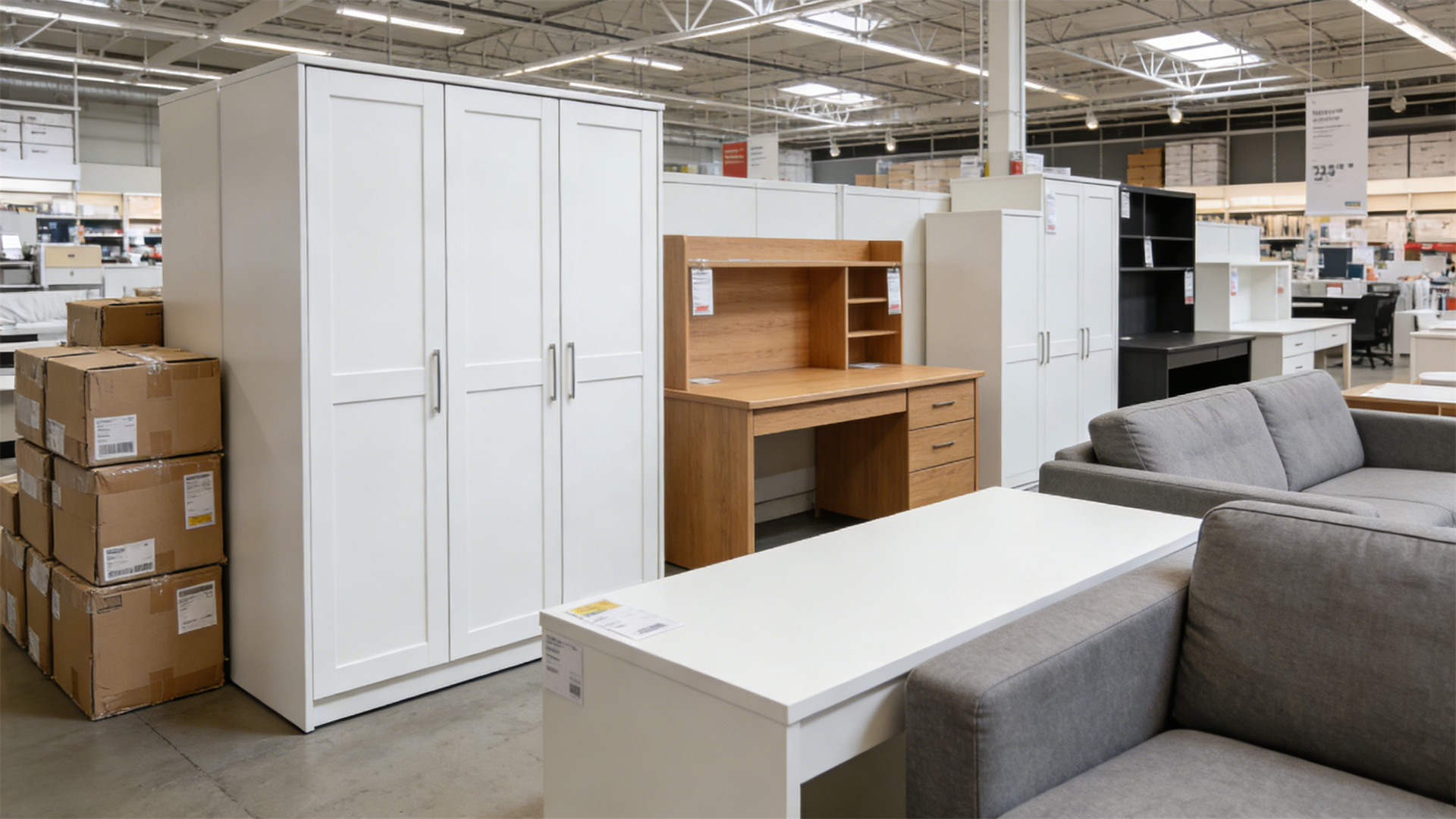
For decades, a persistent piece of consumer wisdom has floated around: the so-called "7-Year Rule" for furniture. It suggests that, on average, you should expect to replace your sofas, beds, and dining sets roughly every seven years. This idea has been perpetuated by a combination of interior design trends, marketing cycles from furniture retailers, and a culture that has, at times, prioritized newness over longevity. But is this timeline a realistic benchmark for quality, a self-fulfilling prophecy driven by planned obsolescence, or simply an outdated notion in an era of sustainability? The truth is far more nuanced. The lifespan of your furniture is not dictated by a universal expiration date but by a complex interplay of materials, craftsmanship, usage, and care. Let's dismantle the seven-year myth and explore what really determines how long your furniture should and can last.
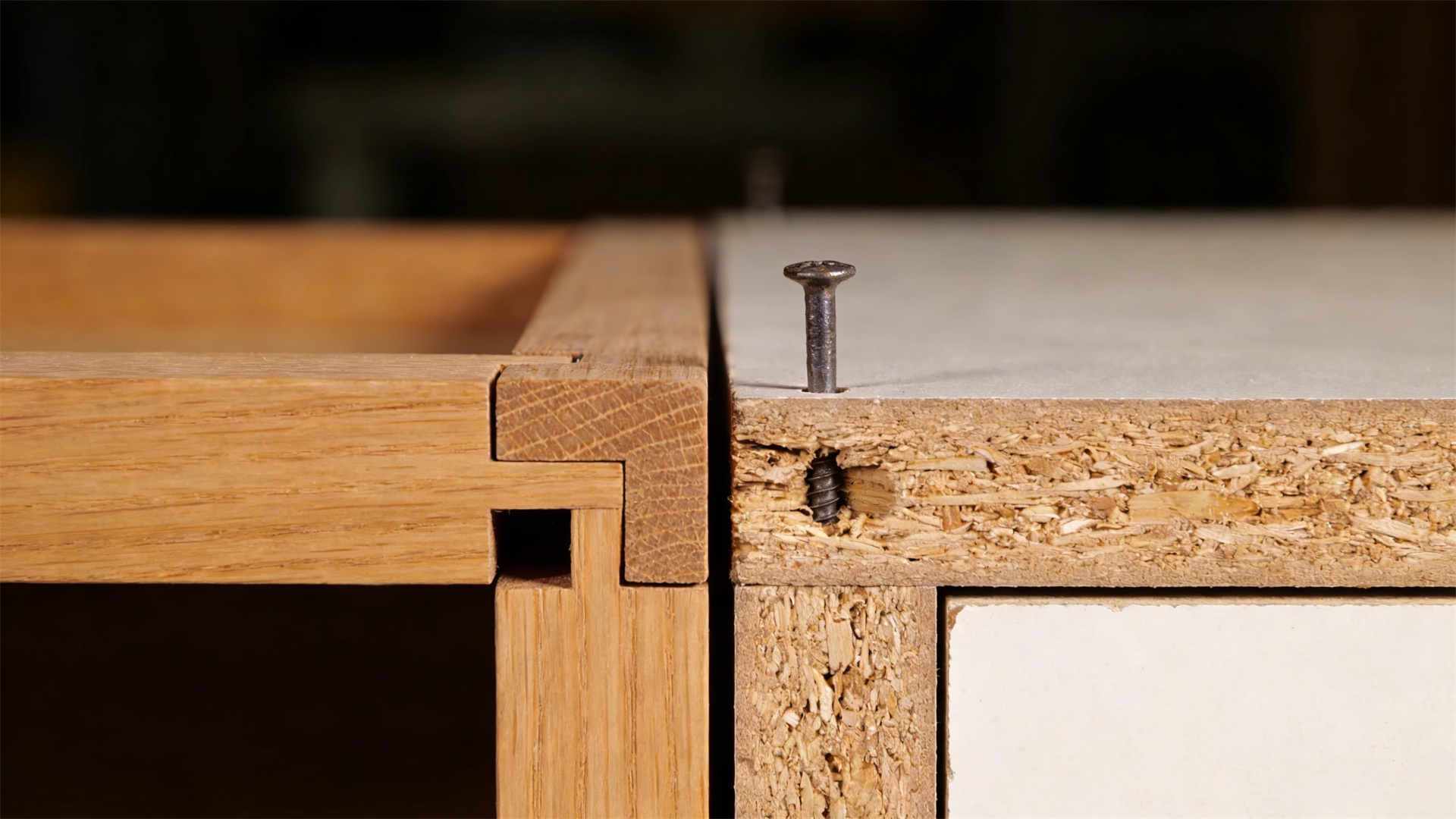
The most critical factor overriding any arbitrary rule is the quality of materials and construction. A solid hardwood frame joined with mortise-and-tenon or dovetail joints, supported by durable webbing or springs, and upholstered in high-grade, densely woven fabric or top-grain leather is engineered to endure for decades, often a lifetime. This stands in stark contrast to pieces made from particleboard or medium-density fibreboard (MDF) secured with staples and glue, featuring thin veneers and low-tension sinuous springs. The latter may look acceptable initially and satisfy a budget or a fleeting trend, but its structural integrity is fundamentally limited. For these items, seven years might be a generous estimate under regular use. The "rule" inadvertently highlights a shift in manufacturing: when much of the market is flooded with lower-cost, lower-durability items, a seven-year replacement cycle becomes a common, if disappointing, experience for many consumers.
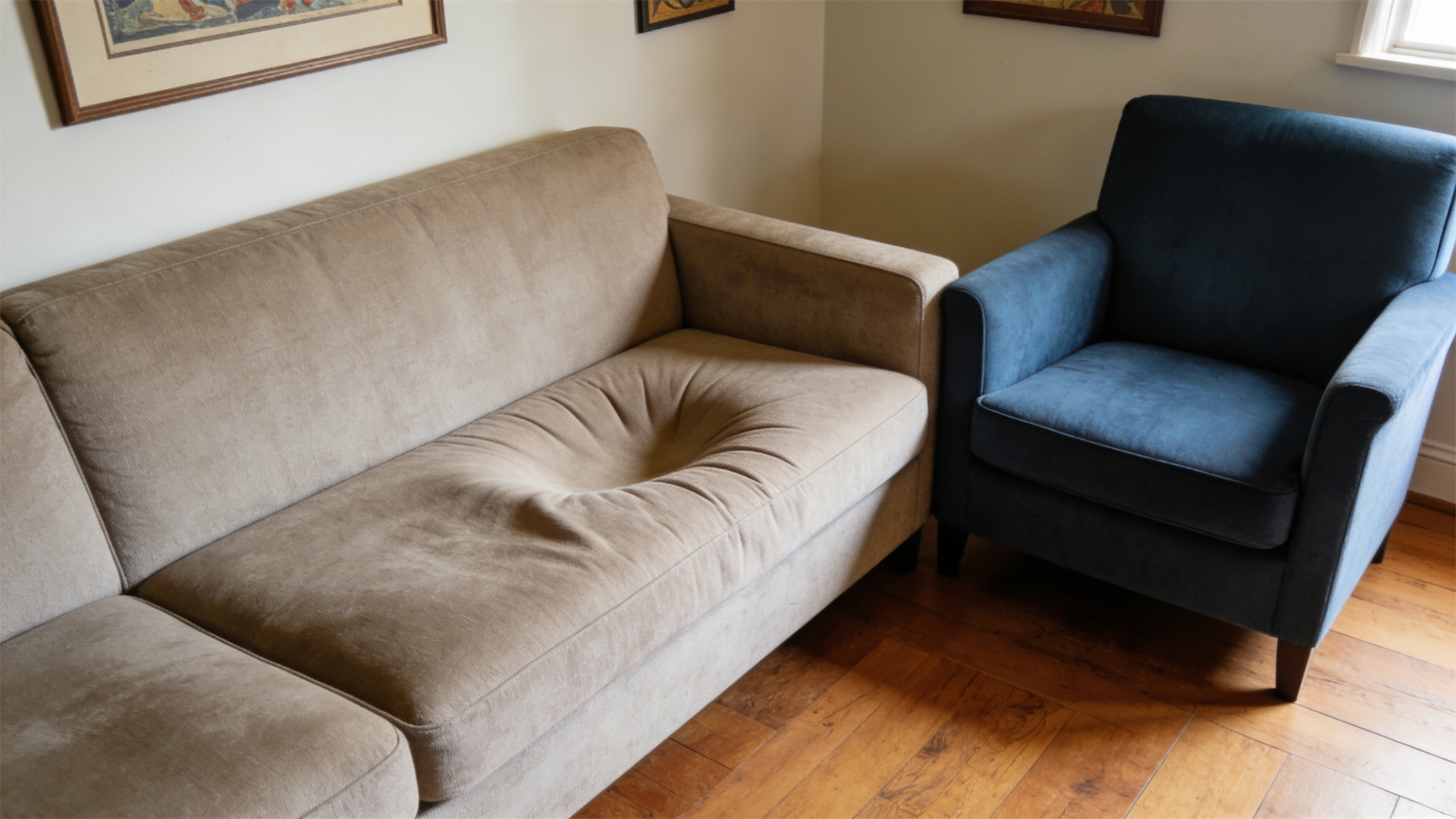
Beyond the bones of the piece, the type of furniture and its role in your daily life dramatically impacts its longevity. A seldom-used accent chair in a formal living room may look and function like new for 25 years. Conversely, a sectional sofa in a family room that serves as the hub for movie nights, homework, and nap battles faces a completely different destiny. Here, factors like cushion composition come into play. High-resilience foam with high density will resist sagging far longer than low-density alternatives. The abrasion resistance of the fabric, measured by a rub count (Martindale or Wyzenbeek tests), directly predicts how well it will withstand daily wear. For this central, high-traffic piece, a seven-year lifespan might be accurate if it was mid-grade to begin with. However, a well-chosen, high-performance fabric on a quality frame could easily last 15 years or more with proper maintenance, completely shattering the mythical rule.
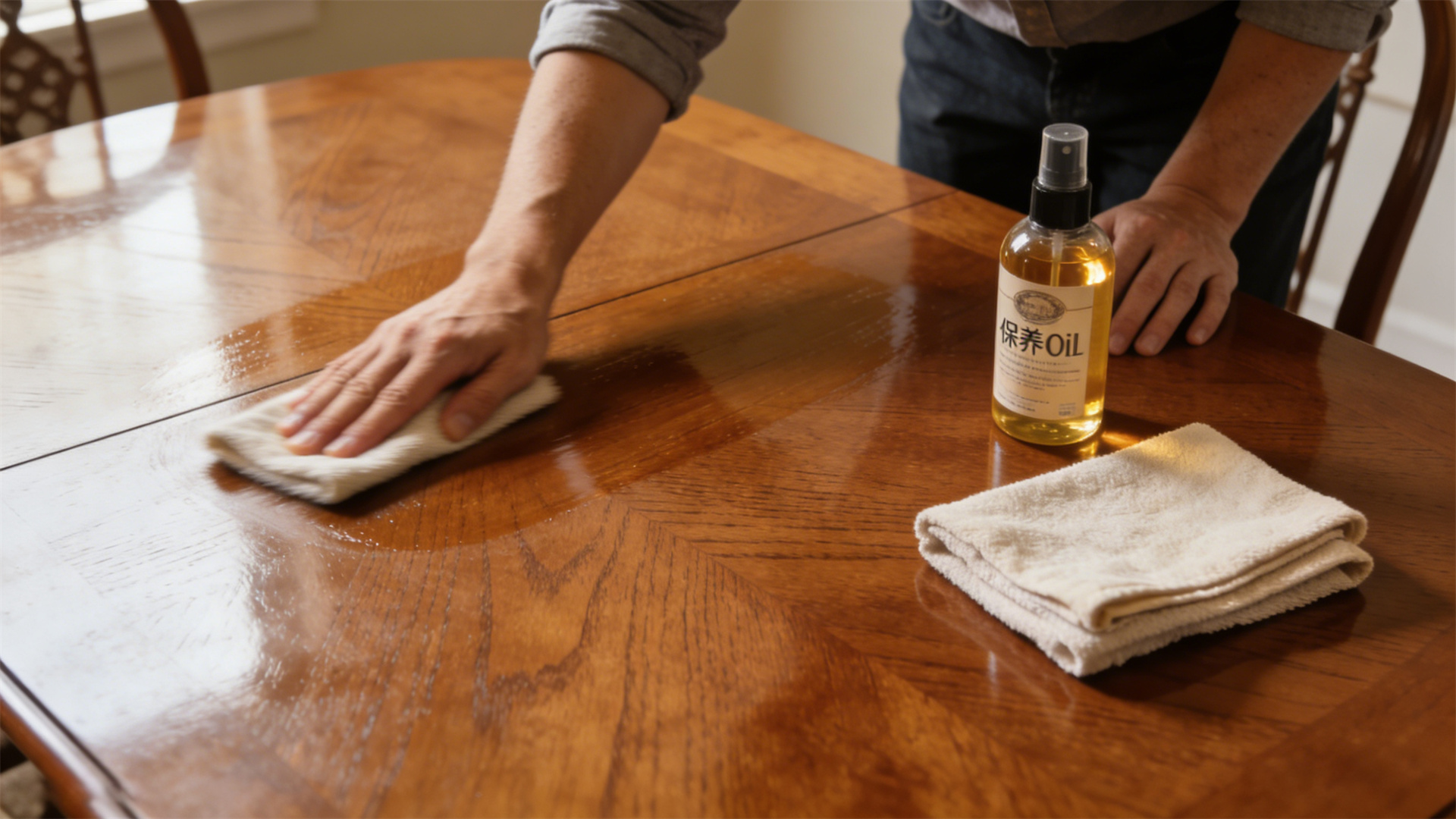
This leads directly to the most underestimated variable in furniture longevity: maintenance and care. Even the finest piece will succumb prematurely without appropriate upkeep. Regular vacuuming of upholstery prevents grit from grinding down fibres. Immediate attention to spills according to the manufacturer's guidelines is crucial. Rotating and flipping cushions evens out wear. For wood furniture, using coasters, avoiding direct sunlight and heat sources, and periodic polishing with the correct products protect finishes and prevent drying or cracking. Re-tightening hardware on case goods annually can prevent wobbles from becoming breaks. In many ways, furniture is like a car; ignoring routine care leads to a much earlier breakdown. A cheap but diligently cared-for piece might outlive a neglected luxury item, proving that your habits are as important as the price tag.
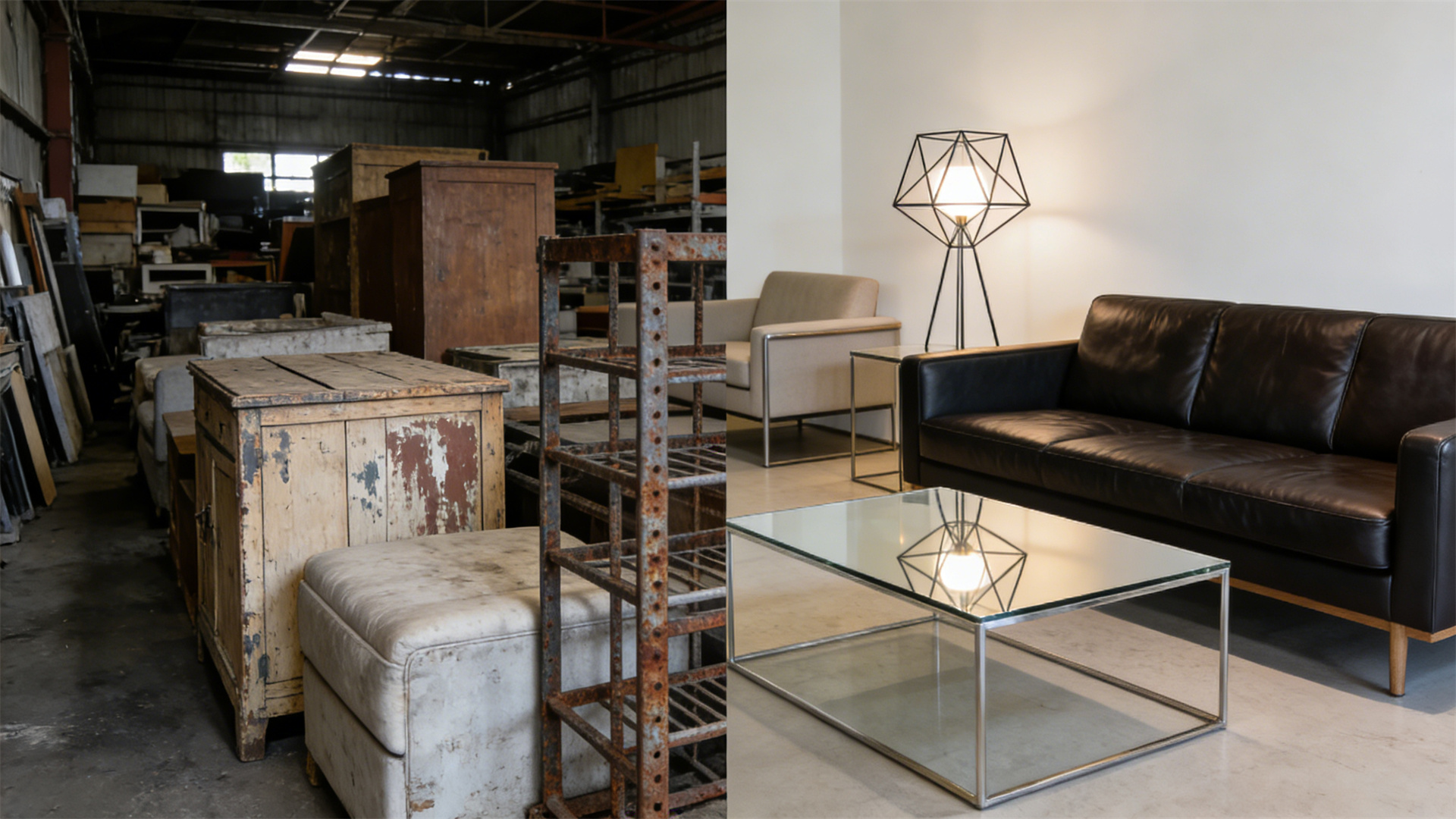
The "7-Year Rule" also intersects powerfully with the world of design trends and personal taste. Fast-furniture brands often align new collections with shifting aesthetic winds, encouraging a disposable mindset. A trendy, boldly patterned sofa that feels perfect today might feel embarrassingly dated in a few years, prompting replacement long before it’s physically worn out. This is the psychological dimension of the rule. In contrast, choosing timeless designs, neutral foundations, and durable natural materials often leads to longer ownership. The desire to replace isn't driven by failure but by change. Investing in classic styles doesn't mean forgoing personality—it can be infused with easily changed accessories like pillows and throws. Resisting the urge to redecorate completely with every trend cycle is perhaps the most effective way to break the seven-year habit, both financially and environmentally.
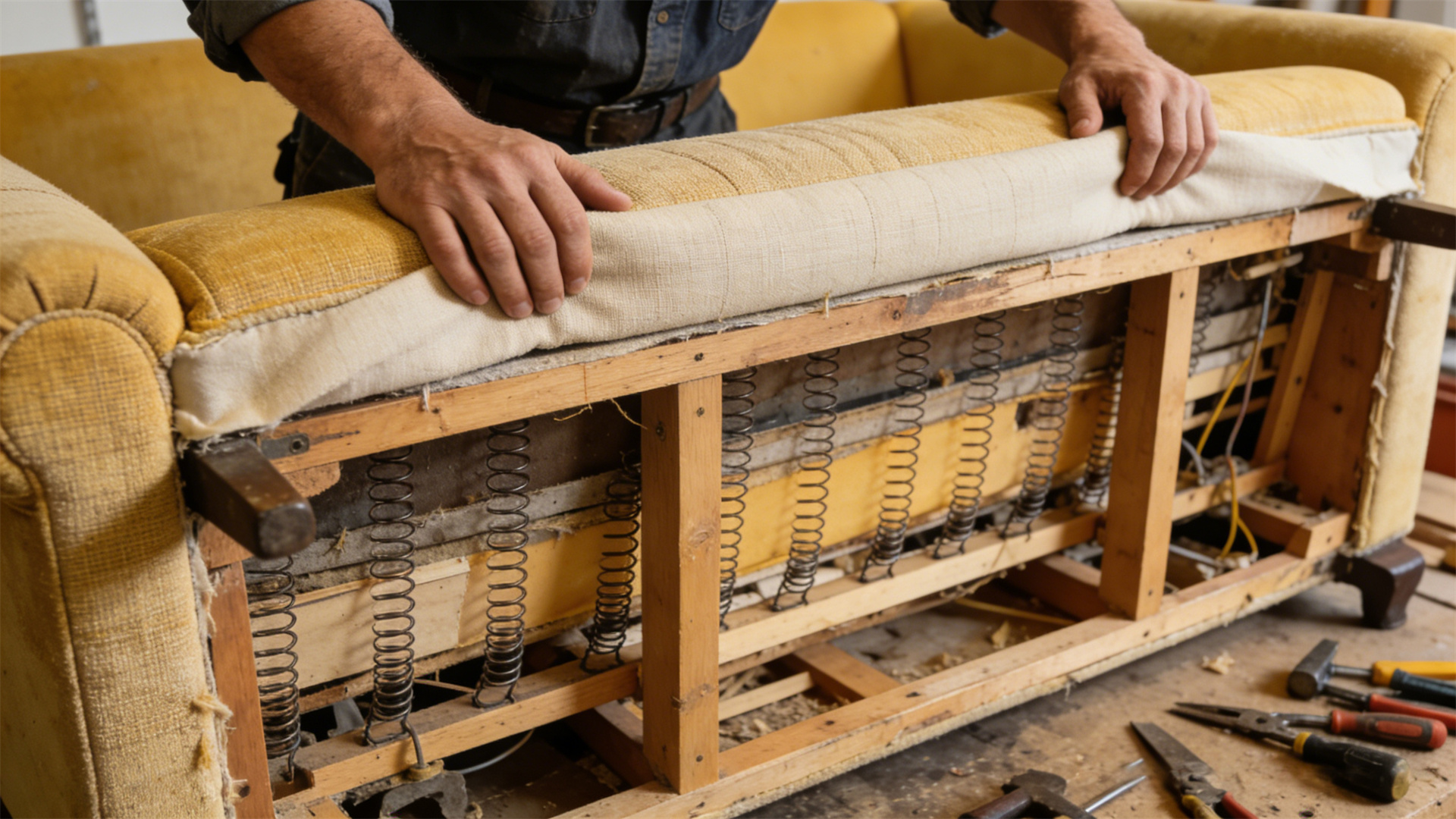
Today, any discussion of lifespan must grapple with environmental impact and the sustainable alternative to replacement: refurbishment. The "take-make-dispose" model linked to rules like the seven-year guideline is ecologically damaging. Extending the life of furniture is one of the most direct forms of sustainable consumption. Instead of sending a dated or slightly worn piece to landfill, consider reupholstering. A quality frame can be given new life with updated fabric and fresh cushioning at a fraction of the cost and environmental footprint of a new item. Restoring solid wood furniture through sanding and refinishing can reveal breathtaking beauty beneath a scratched surface. Even repairing a broken chair leg or regluing a joint preserves resources. This mindset shift—from consumer to custodian—challenges the rule at its core, valuing durability and history over novelty.

Ultimately, the question shifts from "How long will this last?" to "How long do I *want* this to last?" Your purchase intention should guide your investment. For a first apartment or a child’s room where needs will change quickly, a lower-cost, shorter-lifecycle item might be a perfectly rational choice, consciously entering a reuse or recycling stream later. However, for foundational pieces you hope to live with for decades, the calculation must be different. This is where understanding value—not just cost—is key. It involves researching brands, asking retailers about construction details, and reading warranties. A lifetime or 10-year warranty on a frame signals confidence in its longevity. Buying for the long haul often means spending more upfront for a lower cost-per-year over the item's extended life, rendering the seven-year average irrelevant.

The "7-Year Rule" is less a rule and more an observation—and often a cautionary one. It reflects a market where disposable furniture has become normalized, but it should not be accepted as an inevitability. The true lifespan of your furniture is a story written by the choices you make: the quality you select upfront, the care you provide during its life, and your willingness to look beyond fleeting trends. By dismissing a one-size-fits-all timeline, we empower ourselves to make more thoughtful, economical, and sustainable decisions. Some pieces are meant for a chapter of our lives, while others can become beloved heirlooms. The power to decide which is which has always been, and should remain, in our hands.