
The morning ritual is sacred: the rich aroma of freshly brewed coffee, the first warming sip, the gentle hum of the day beginning. Then, in a blink—a slip of the hand, a sudden jostle, and a dark, spreading archipelago of coffee stains appears on your pristine shirt. Panic sets in. Is this outfit ruined? Will the stain set forever? Before you resign yourself to a day of awkwardly positioned folders or a rushed trip home to change, remember this: you have a golden window of opportunity. The first five minutes after a spill are critical. Acting swiftly and correctly can mean the difference between a forgotten incident and a permanent stain. This is the 5-Minute Stain Rule, and mastering it can save your clothes and your composure.
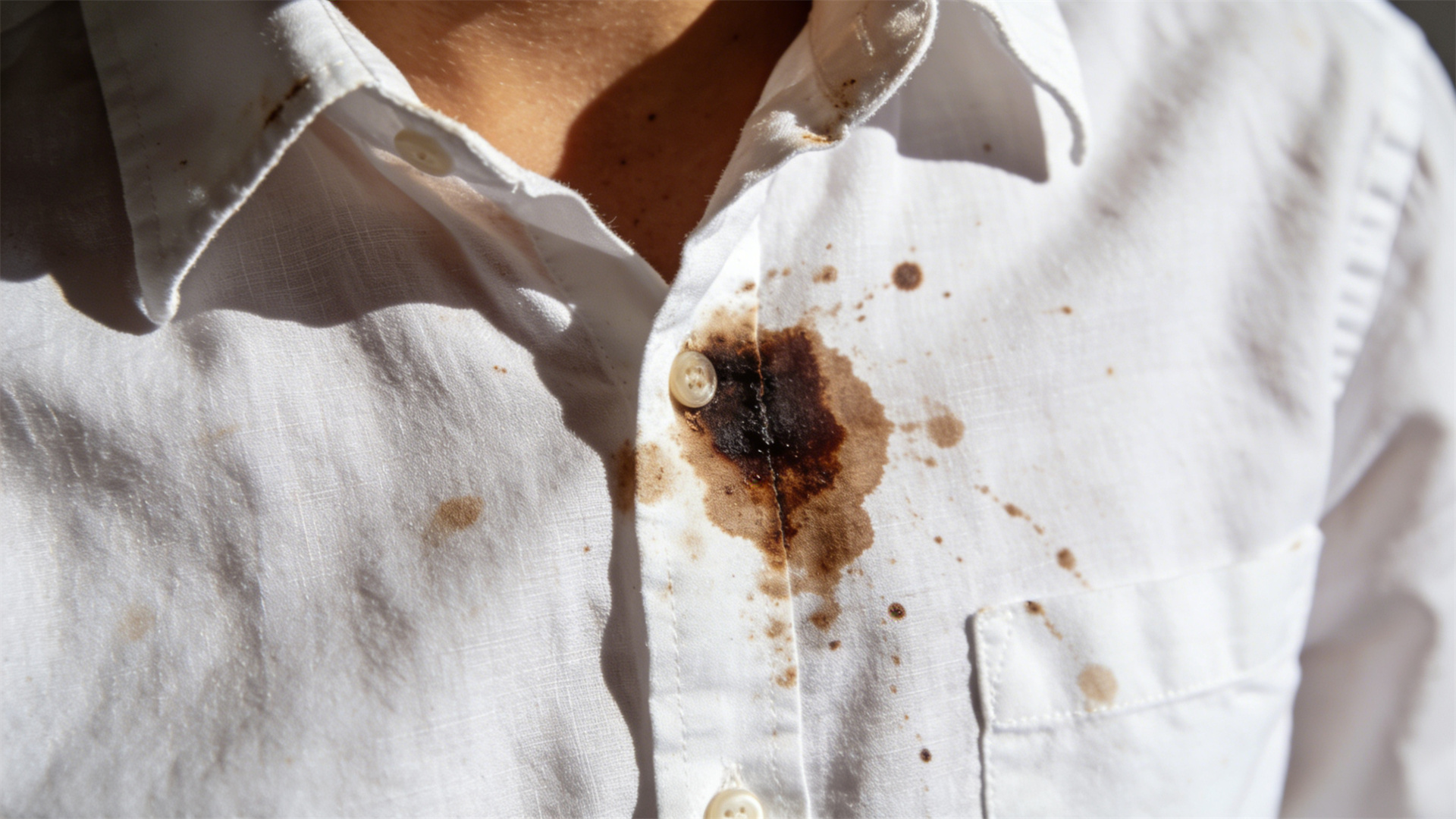
The moment coffee hits the fabric, the clock starts ticking. Coffee is a complex mixture of tannins (which cause the dark color), oils, and pigments. These particles begin to bond with the shirt’s fibers almost immediately. Heat from the coffee accelerates this process, opening up the fibers and allowing the stain to penetrate deeper. The goal within these first critical minutes is not necessarily to completely remove the stain on the spot, but to prevent it from setting permanently. Your immediate actions should focus on containment and dilution, stopping the stain in its tracks before you can apply more targeted treatment. Think of it as first aid for your fabric.
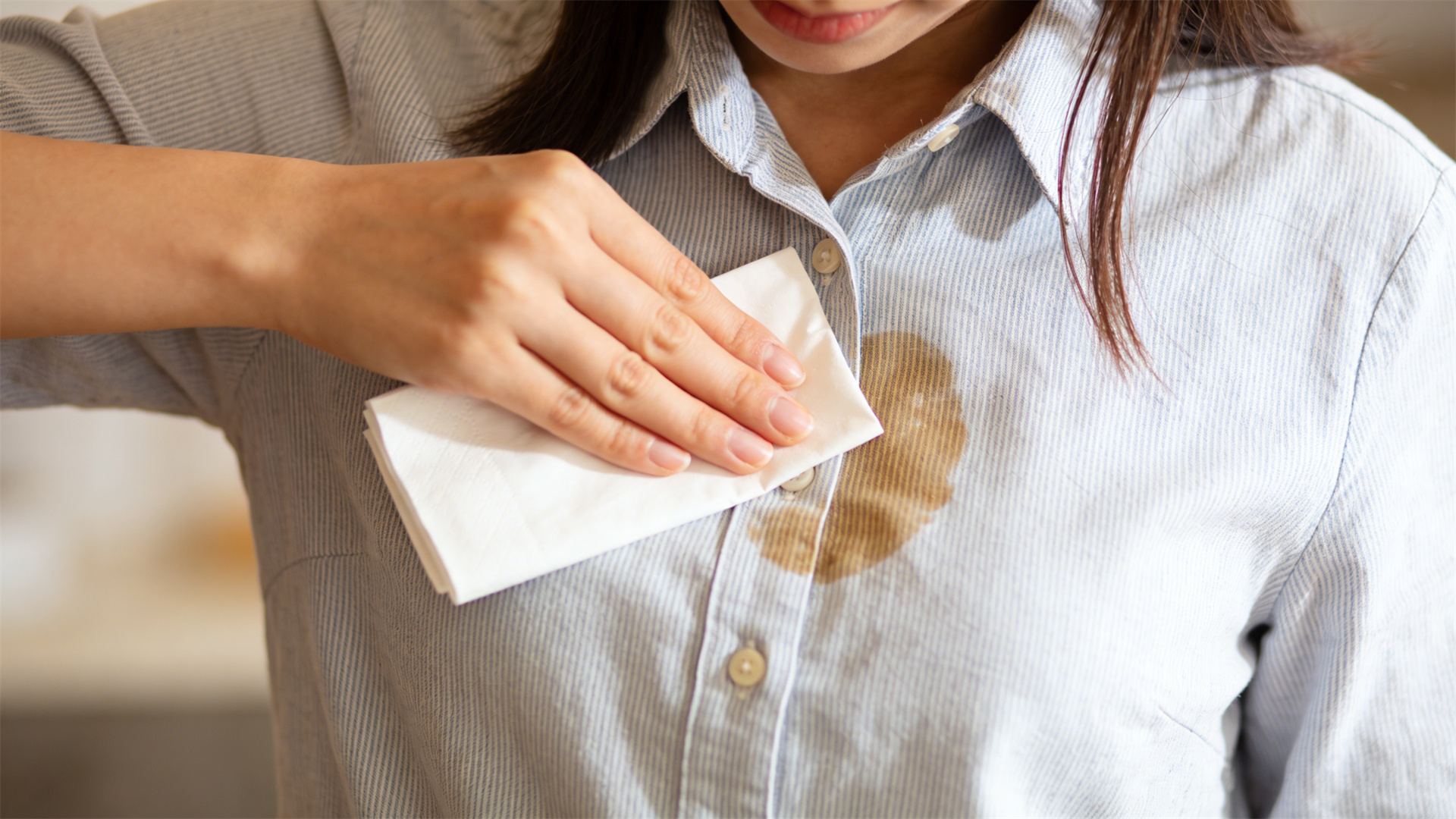
Your first instinct might be to rub the stain vigorously with a napkin. Resist it. Rubbing grinds the coffee particles deeper into the fabric, potentially damaging the fibers and spreading the stain. Instead, adopt a technique of gentle removal. If there is still pooled liquid on the fabric, use the edge of a spoon, a butter knife, or even a clean, blunt credit card to gently scrape or lift the excess coffee away. Then, grab a clean, absorbent cloth, paper towel, or even a cotton ball. Place it underneath the stain if possible, and another on top. Press down firmly and blot—do not wipe or rub. You will see the transfer of coffee from your shirt to the absorbent material. Continue blotting with clean sections until no more moisture transfers.
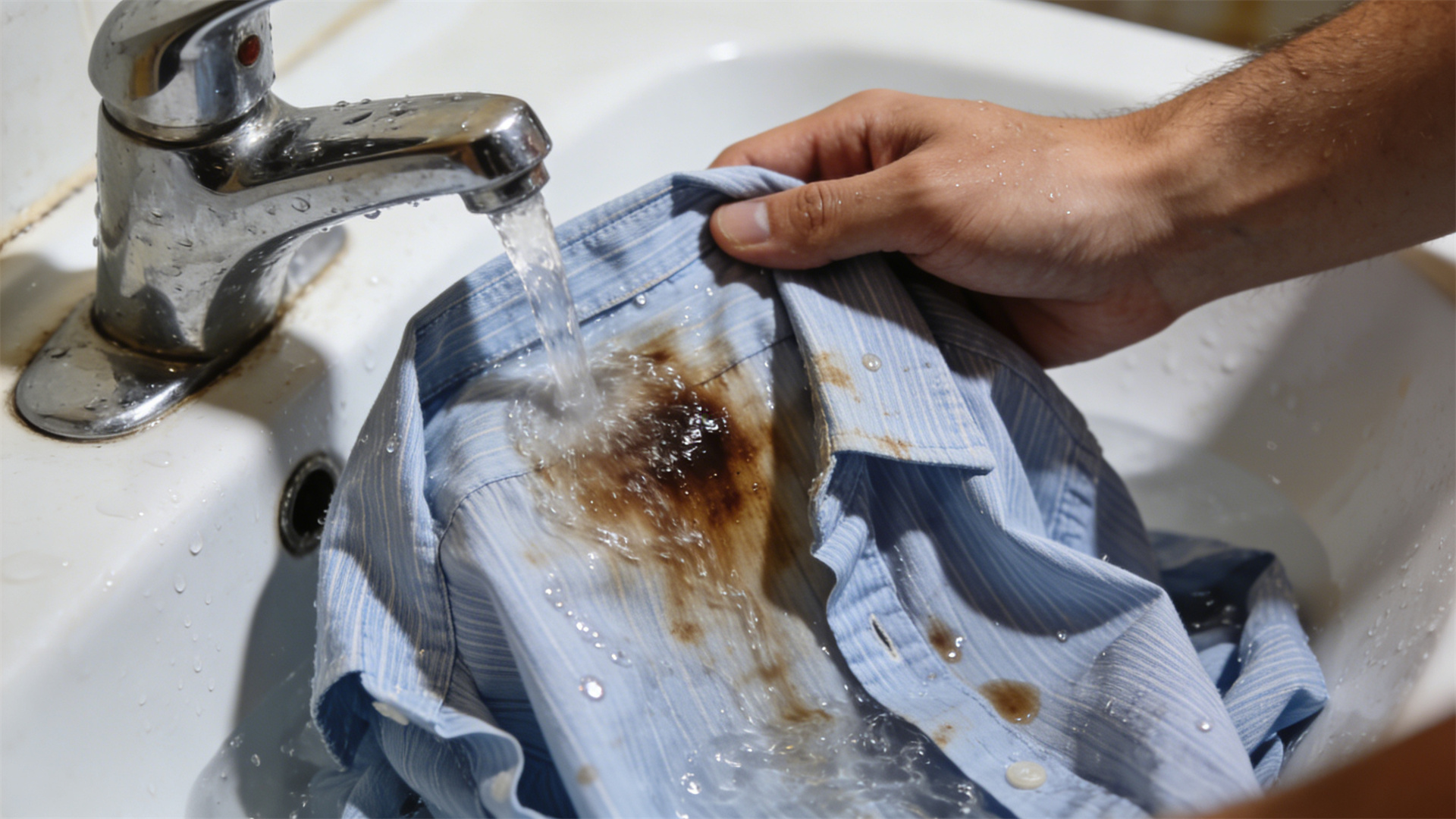
With the excess liquid removed, your next priority is flushing out the remaining stain. For most shirts (cotton, polyester, blends), cold water is your best friend. Hold the stained area taut under a gentle stream of cold, running water from the tap, with the stain facing downwards so the water pushes the coffee out the way it came in, not through the fabric. For a larger stain or if you’re not near a sink, you can use a pitcher or cup to pour water through it. The cold water dilutes the tannins and pigments and begins to wash them away without setting any potential oily components (which heat can do). If the stain is old or has dried slightly, you may see a significant improvement from this step alone.
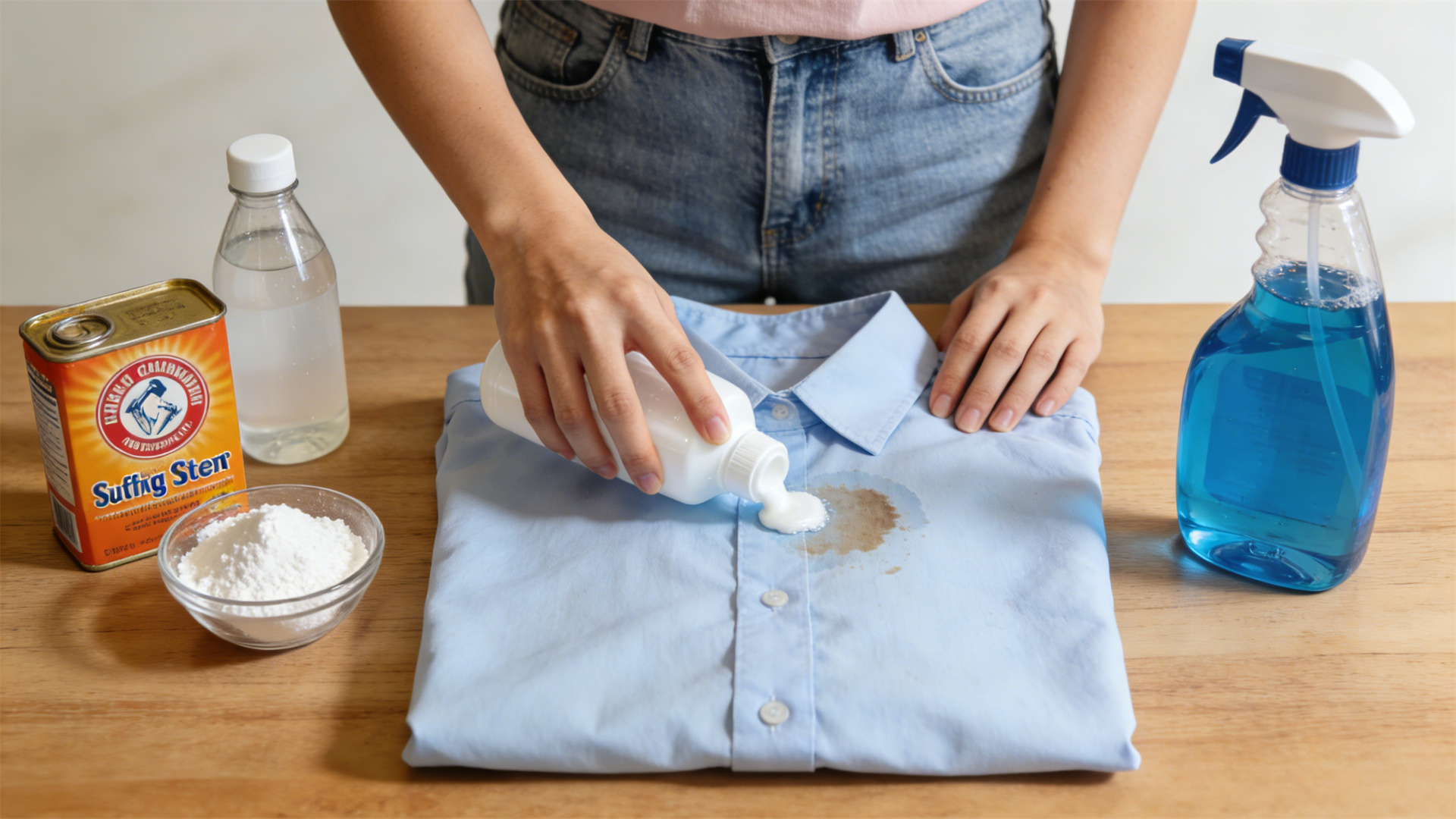
After the initial flush, it’s time for a targeted attack. Do not use hot water or soap at this stage; traditional bar soap or hand soap can sometimes set stains. Instead, apply a small amount of liquid dish soap or laundry detergent directly onto the stain. These are formulated to break down organic compounds. Gently work the detergent into the fibers with your fingers or by rubbing the fabric against itself, but avoid harsh scrubbing. Let it sit for a few minutes to penetrate. For a powerful DIY solution, make a paste of baking soda and a few drops of water, or create a mixture of one part white vinegar to two parts water. Vinegar helps neutralize and break down tannin-based stains. Apply either solution to the stain, let it sit for 5-10 minutes, then rinse thoroughly with cold water.
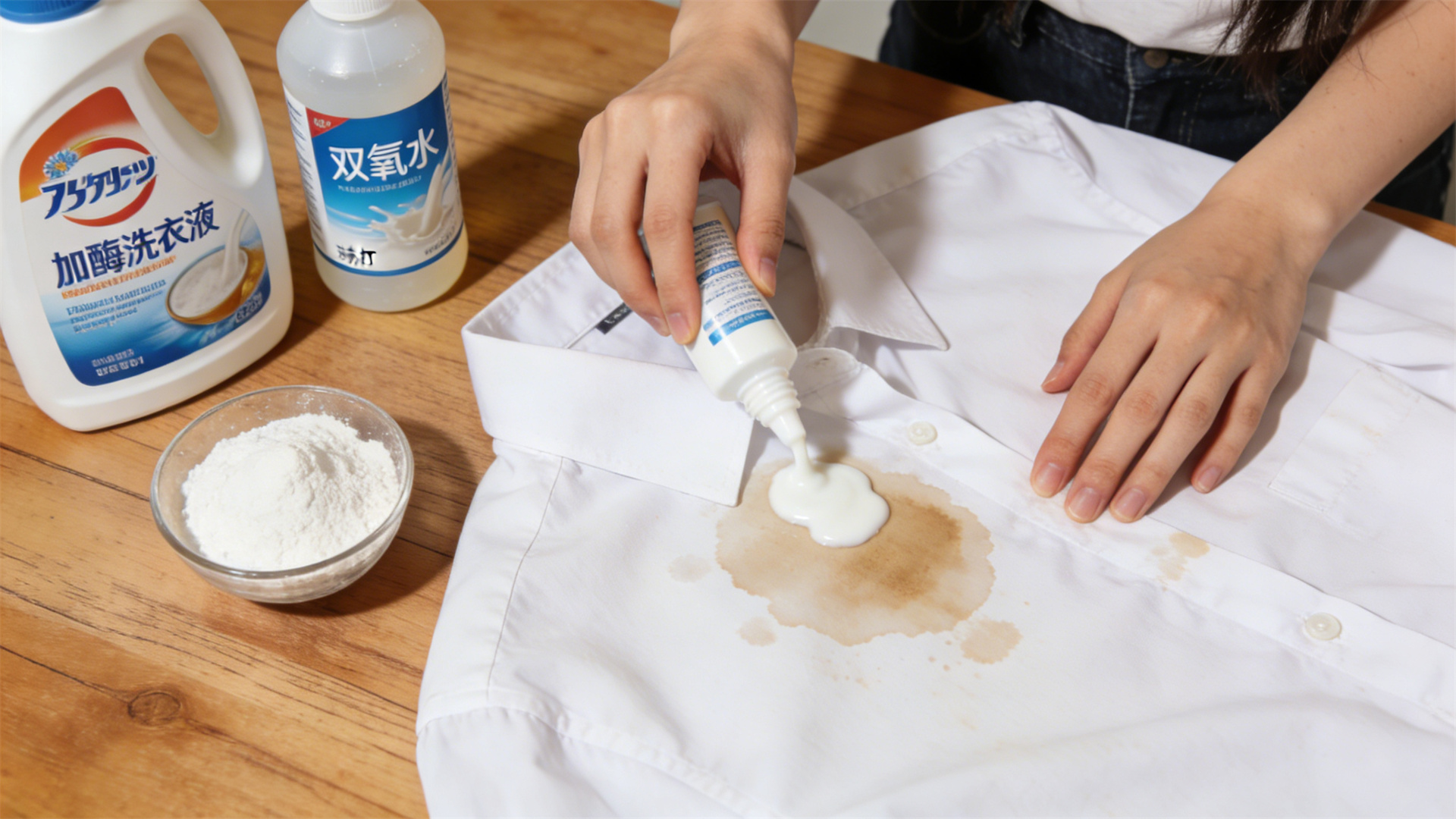
Even with prompt action, some coffee stains, especially those with cream or sugar, can be stubborn. Cream adds a fatty, protein-based element to the stain. For these, an enzyme-based pre-treatment or laundry detergent (the kind marketed for baby clothes or biological powders) is excellent, as enzymes break down proteins. Apply it directly and let it sit for at least 15 minutes before washing. For persistent brown tannin rings, hydrogen peroxide (3% solution) is a safe bleach alternative for most white and colorfast cottons. Test it on a hidden seam first, then apply a small amount to the stain, let it bubble for a minute, and rinse. For delicate fabrics like silk or wool, skip aggressive home remedies. Instead, after gently blotting, take the garment to a professional cleaner as soon as possible and point out the fresh coffee stain.
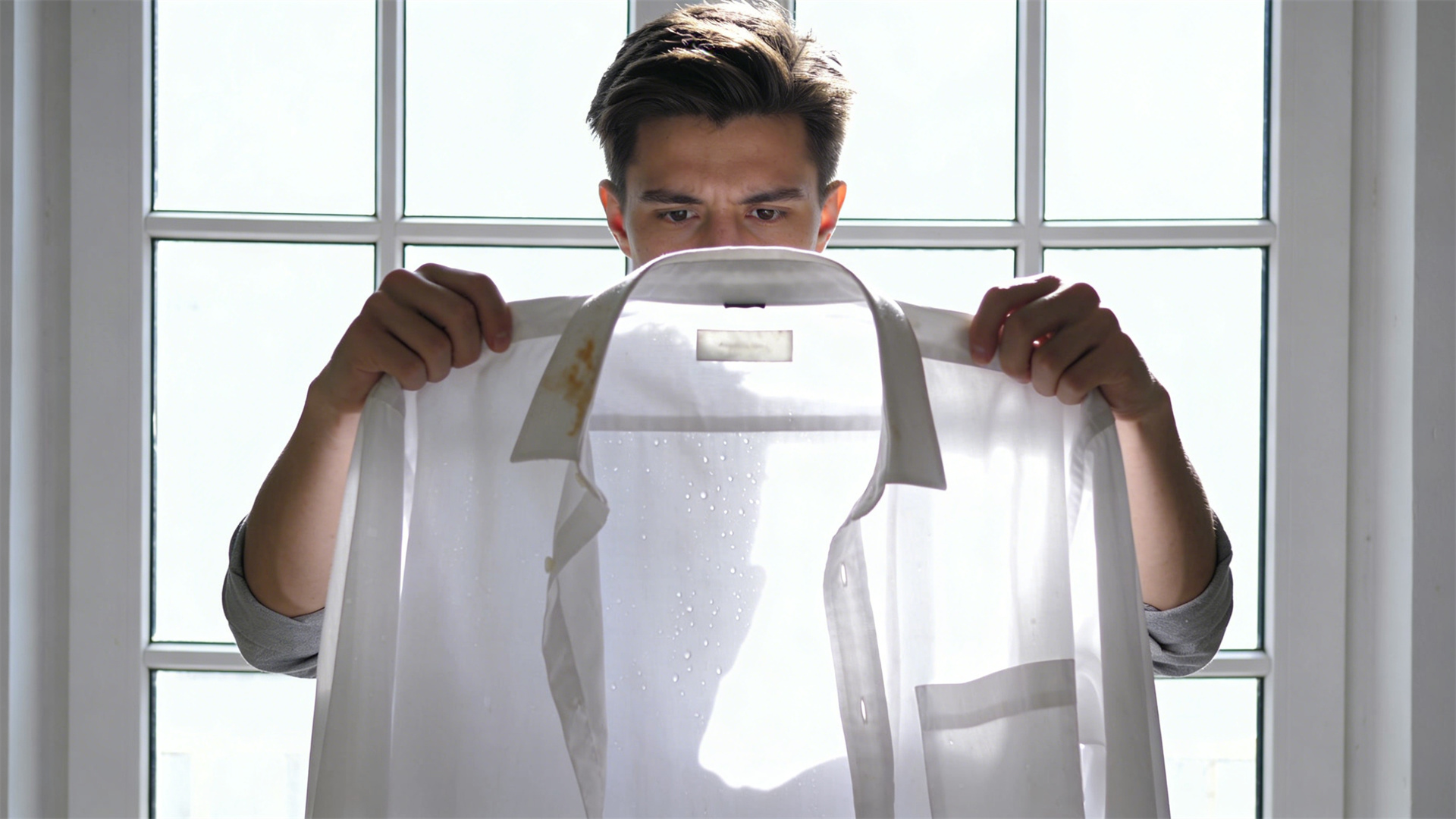
Once you’ve pre-treated the stain, wash the shirt according to its care label, using the warmest water safe for the fabric. Before tossing it in the dryer—which is the final step that can permanently set any remaining stain—you must check your work. Hold the damp, clean shirt up to the light and examine the previously stained area. If any shadow or discoloration remains, do not put it in the dryer. Repeat the pre-treatment process and wash it again. The heat from the dryer will cook any residual stain into the fibers, making it nearly impossible to remove later. Air-dry the shirt until you are certain the stain is completely gone, only then proceeding with machine drying.
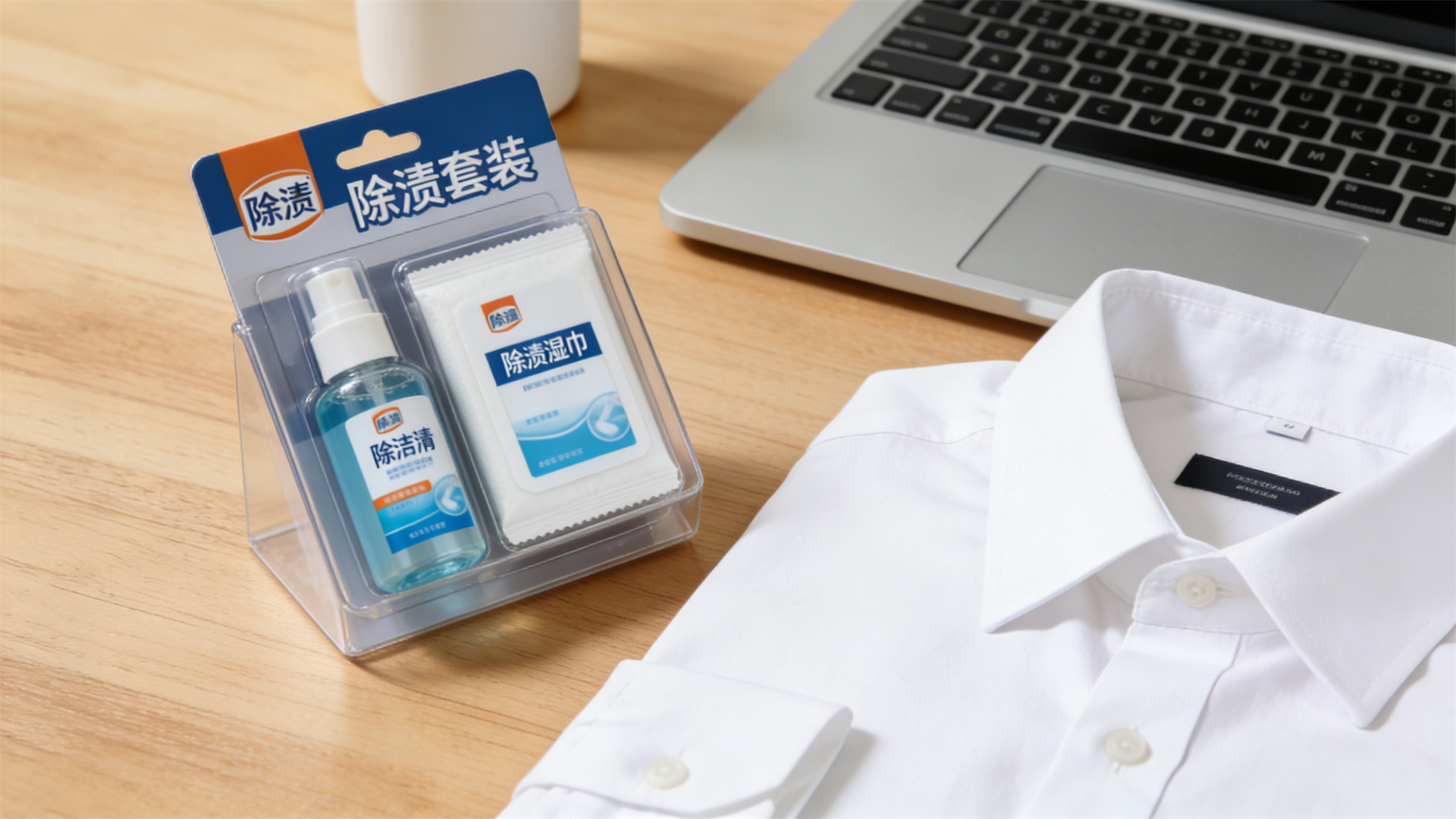
A coffee spill doesn’t have to spell disaster for your favorite shirt. By embracing the 5-Minute Rule—acting swiftly to blot, flush, treat, and wash—you can effectively combat the most common of life’s little accidents. The key is to move past the initial shock and into a calm, procedural response. Keep a small stain-removal kit in your desk or bag: a travel-sized bottle of dish soap, a few pre-moistened stain wipes, or even a bar of classic stain-removing soap. With the right knowledge and a prompt reaction, you can ensure that the only thing lasting from your coffee break is the energy boost, not the memory of the spill on your collar.