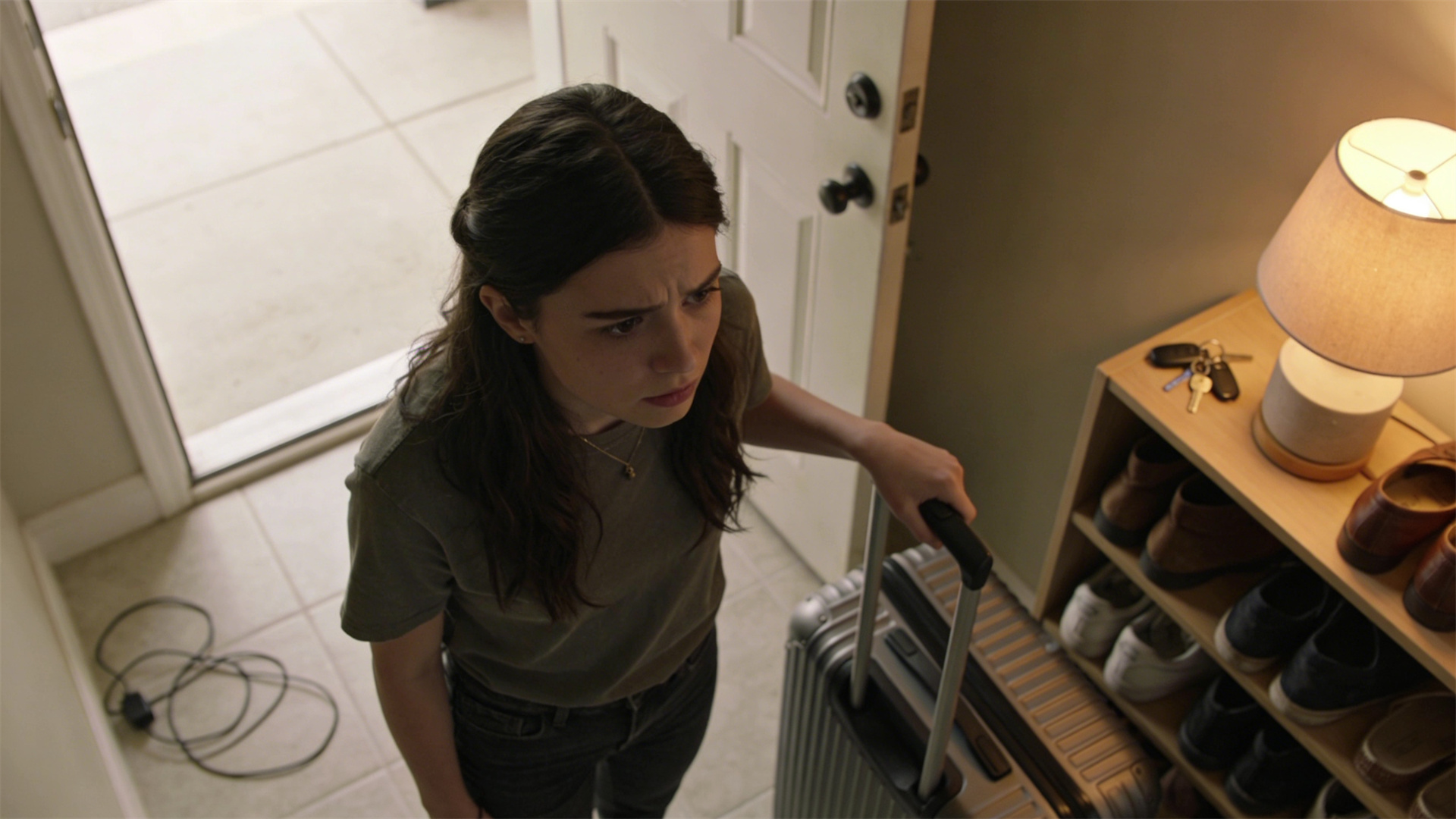
We’ve all been there. The weight of deadlines, personal obligations, clutter, and unresolved thoughts converges into a singular, overwhelming pressure. It’s not just about being busy; it’s the feeling that your mental and emotional bandwidth is completely maxed out, leaving you paralyzed, irritable, or on the verge of tears. On these days, grand solutions like a week-long vacation or a major life overhaul are not just impossible—they add to the pressure. What you need is a tactical, immediate intervention. A swift, structured reset that can be deployed anywhere, anytime. This is the purpose of the 10-Minute Rescue Ritual: a science-backed, sequential practice designed to intercept overwhelm and guide your nervous system from chaos back to calm.

The ritual begins with a conscious physical pause. Your first task is not to *do* anything, but to *stop*. Literally halt your movement. If you’re walking, stand still. If you’re sitting, lean back and place both feet flat on the floor. Set a timer for one minute. This is a non-negotiable full stop. In our relentless culture of motion, stopping is a radical act. It breaks the automatic, frantic cycle of reaction. For this single minute, you are not solving problems, answering emails, or planning your next move. You are simply existing within the pause. This initial step signals to your brain that the emergency state can be dialed down, creating a crucial space between the stimulus of your overwhelm and your response to it.

Immediately following the pause, you anchor yourself in the physical present through a targeted breathing pattern. For two full minutes, employ the 4-7-8 breathing technique. Inhale quietly through your nose for a count of four. Hold your breath for a count of seven. Then, exhale completely through your mouth, making a soft whooshing sound, for a count of eight. Repeat this cycle. This specific pattern is not arbitrary; the extended exhale activates the parasympathetic nervous system—your body’s "rest and digest" counterpart to the stress-induced "fight or flight" mode. It slows the heart rate and lowers blood pressure. By focusing entirely on the counts and the sensation of air moving in and out, you forcibly redirect your attention away from the swirling thoughts and into the safety of your body in this exact moment.

With your physiology beginning to settle, the next phase addresses the cognitive clutter. For three minutes, perform a "brain dump." Take a notepad or open a blank document, and write down every single thing that feels like it’s weighing on you. Do not edit, judge, or organize. Let it flow: *project deadline, argument with partner, messy kitchen, worry about parent’s health, car needs servicing, feeling inadequate at work*. The goal is not to solve these issues but to externalize them. Seeing them on paper (or screen) does two critical things: it prevents your working memory from endlessly looping the same items, and it transforms a vague, monstrous feeling of "everything" into a finite, manageable list. Often, the sheer act of writing it down diminishes its perceived size and urgency.

Now, engage in a three-minute sensory grounding exercise. Look around your immediate environment and silently name, in detail, what you perceive. Use the 5-4-3-2-1 method: Identify *five* things you can see (notice the grain of the wood on the desk, the specific green of a plant leaf). Acknowledge *four* things you can feel (the texture of your shirt, the floor beneath your feet, the air on your skin). Listen for *three* things you can hear (the distant hum of traffic, the ticking of a clock, your own breath). Detect *two* things you can smell (the faint scent of coffee, clean laundry). Finally, identify *one* thing you can taste (the lingering mint of toothpaste, a sip of water). This practice powerfully anchors you in the present reality, which is almost always less threatening than the catastrophic future your overwhelmed mind is projecting. It pulls you out of your internal narrative and into the tangible, stable world around you.

The final minute of the ritual is for a deliberate, kind reset. Look at your brain dump list from earlier. Without tackling the whole list, ask yourself: "What is the *one*, smallest, next physical action I can take that would make me feel 1% more in control?" It must be concrete and achievable within five minutes. It is not "solve work crisis" or "fix relationship." It is "send a two-sentence email to schedule a clarifying conversation," or "wash the three cups in the sink," or "drink a full glass of water." Commit to this single action. Then, place a hand on your heart or your own shoulder—a physical gesture of self-compassion—and say to yourself, either aloud or in your mind, "This is a moment of overwhelm. It will pass. I am doing what I can right now." This step closes the ritual by moving you from passive distress into micro-agency and self-kindness.

The power of this 10-Minute Rescue Ritual lies not in magic, but in neurobiological sequence. It systematically moves you from dysregulation (pause), to physiological calming (breath), to cognitive decluttering (brain dump), to present-moment anchoring (senses), and finally to compassionate action (reset). It is a portable toolkit for modern life, a way to reclaim your equilibrium when the world—or your own mind—feels like too much. It doesn’t erase your problems, but it clears the fog of panic, allowing you to address them from a place of relative stability, one manageable step at a time. On those days when the weight feels crushing, remember: ten minutes is all it takes to rescue yourself.