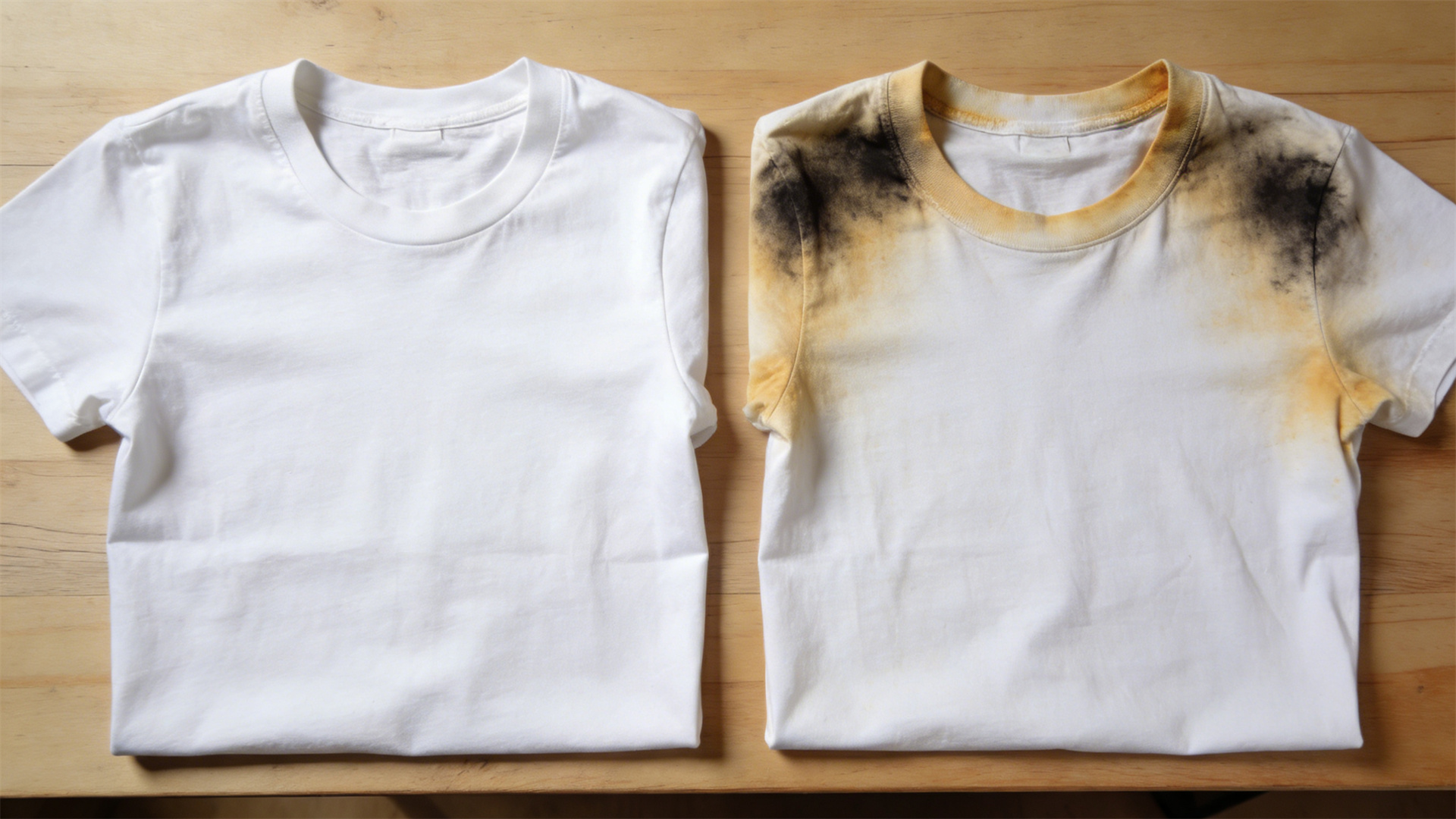
Summer brings sunshine, adventures, and often, a set of stubborn, uninvited souvenirs on our favorite clothes: sweat stains and yellowing. That crisp white tee slowly morphs into a yellowish shadow of its former self, while underarms and collars on colored fabrics develop dark, dingy rings. These aren't just stains; they're the result of a complex chemical reaction between your sweat, your body oils, the fabrics you wear, and even your antiperspirant. Unlike simple dirt, they bond with fibers and worsen over time, especially with heat from dryers. But don't resign your beloved garments to the rag bin just yet. Understanding the *why* behind these stains is the first step to defeating them and restoring your summer wardrobe.
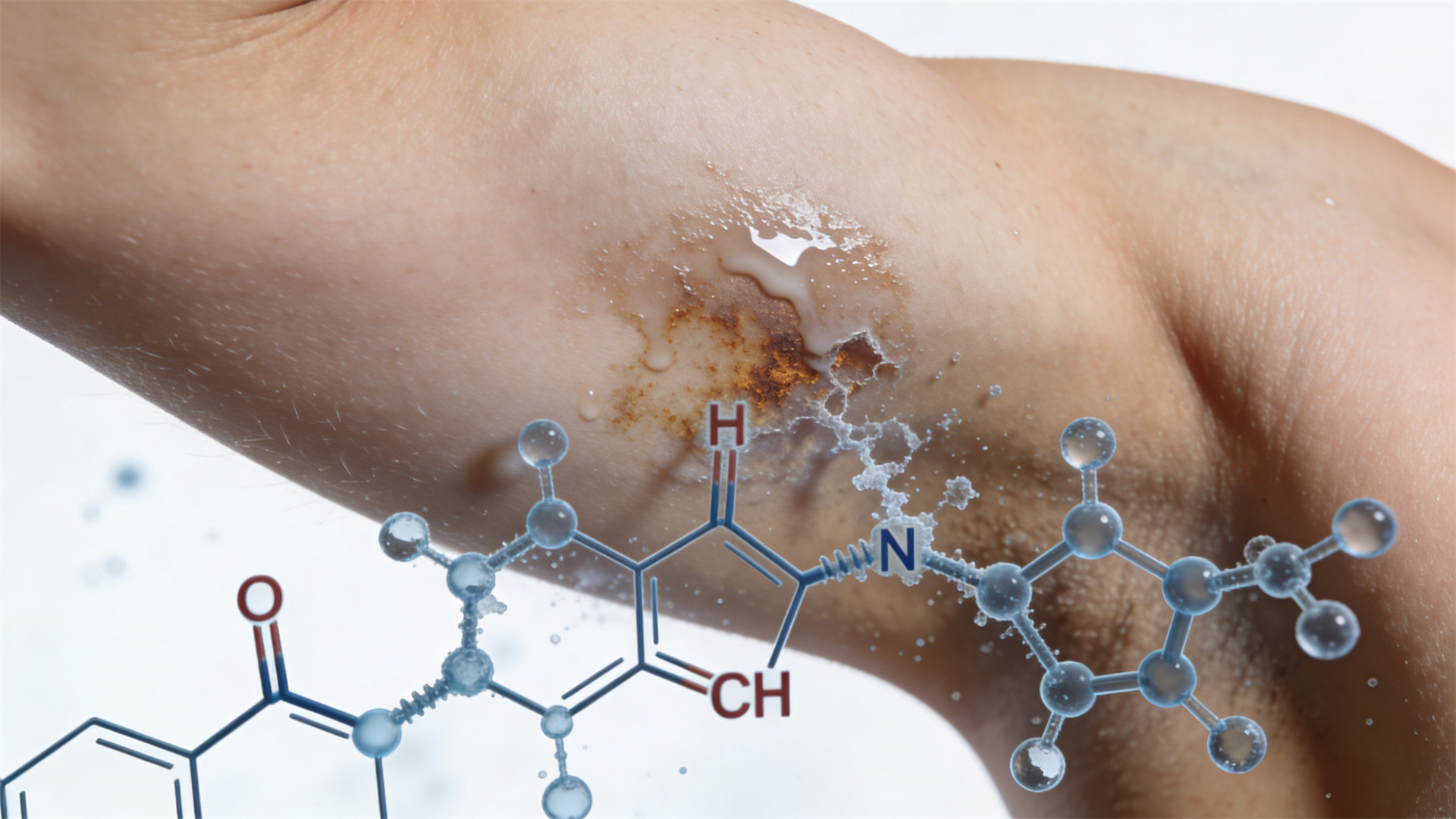
The battle against sweat stains begins with knowing your enemy. Perspiration itself is mostly water and salt, which are relatively harmless. The real culprits are the apocrine sweat glands, found in areas like underarms, which secrete an oily substance rich in lipids and proteins. When these components mix with aluminum-based compounds found in most antiperspirants, a chemical reaction occurs. This combination, along with minerals in your water and body oils, oxidizes upon exposure to air and heat, leading to those characteristic yellow or brownish stains. The color is more than just dirt; it's often a form of rust-like oxidation or decomposed oils that have bonded to the fabric fibers.
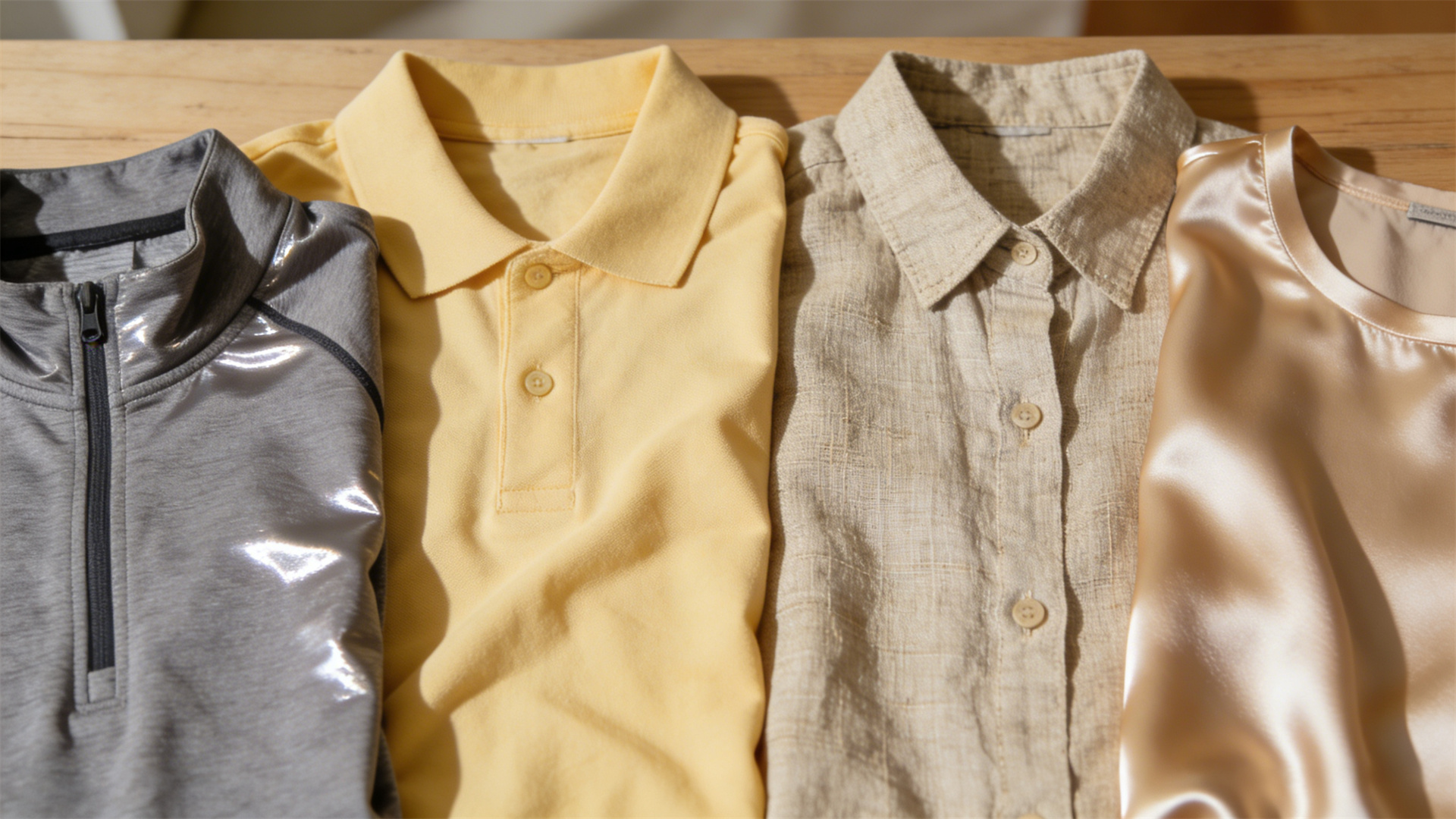
Not all fabrics succumb to yellowing equally. Natural fibers like cotton, linen, and silk are particularly vulnerable. Their porous structure readily absorbs sweat and oils, allowing the staining compounds to penetrate deep into the fibers. Synthetic fabrics like polyester and nylon are more stain-resistant due to their smoother, less absorbent fibers. However, synthetics have a different foe: body oils can cling to them, attracting dirt and creating a grayish, dingy appearance over time. Blended fabrics present a mixed challenge, where the natural fiber component becomes the stain's anchor. This is why a 100% cotton white polo shirt yellows dramatically at the collar, while a polyester workout top might show more of a generalized gray dullness.
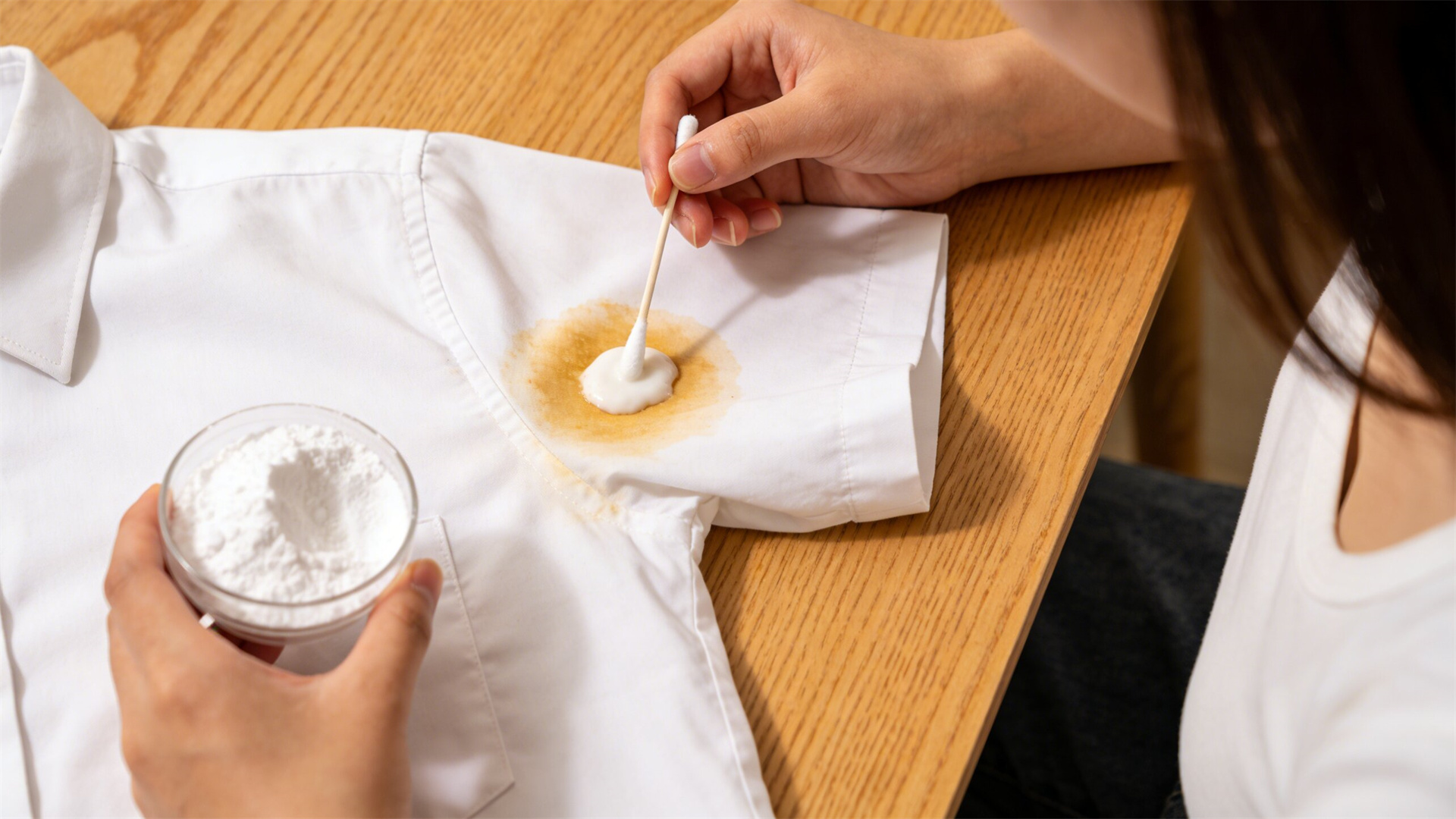
Before you treat any stain, identification is crucial. Fresh sweat stains are often damp and slightly salty but may not yet be discolored. The golden rule is to act fast; rinse the area with cool water from the inside of the fabric to push the stain out, not deeper in. For older, set-in yellow stains, a simple wash is rarely enough. You need pre-treatment. Start by creating a paste using baking soda and water, or a mixture of hydrogen peroxide (3% solution) and a dash of liquid dish soap. The baking soda acts as a gentle abrasive and odor neutralizer, while hydrogen peroxide is a mild, color-safe bleach that breaks down the organic compounds in the stain. Apply the paste directly to the dry stain, gently rub it in, and let it sit for at least 30 minutes to an hour before laundering as usual.
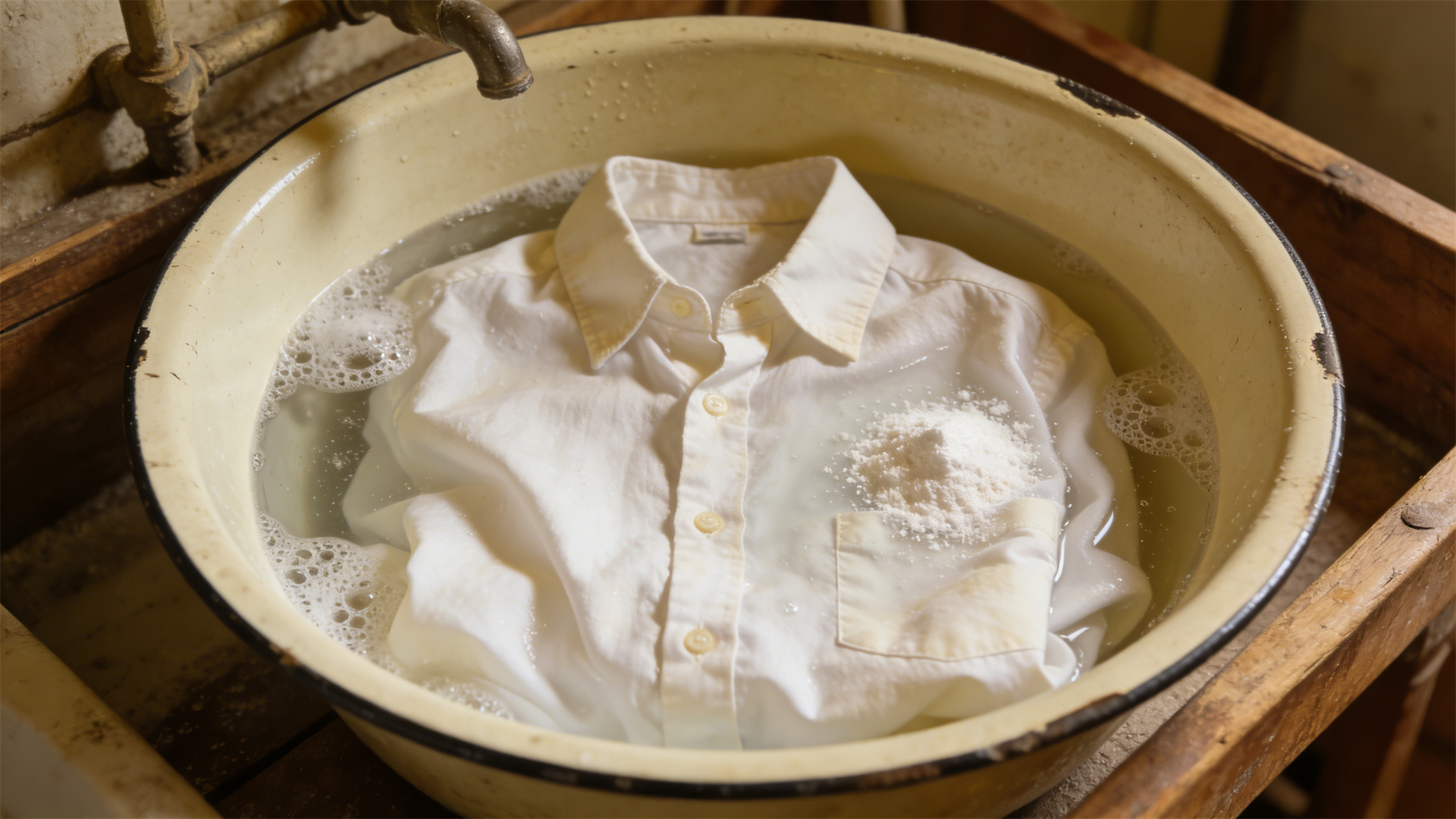
For whites that have lost their brightness, a more intensive approach is needed. Create a revival soak by filling a basin or sink with warm water and adding one part hydrogen peroxide (3%) to six parts water. For extra power, add a half-cup of baking soda. Submerge the yellowed garments and let them soak for several hours, or even overnight. The hydrogen peroxide works to break down the yellowing compounds through oxidation, effectively bleaching the fabric back to white without the harshness of chlorine bleach, which can sometimes further yellow delicate fabrics if used incorrectly. After soaking, wash the items in the hottest water safe for the fabric with your regular detergent.
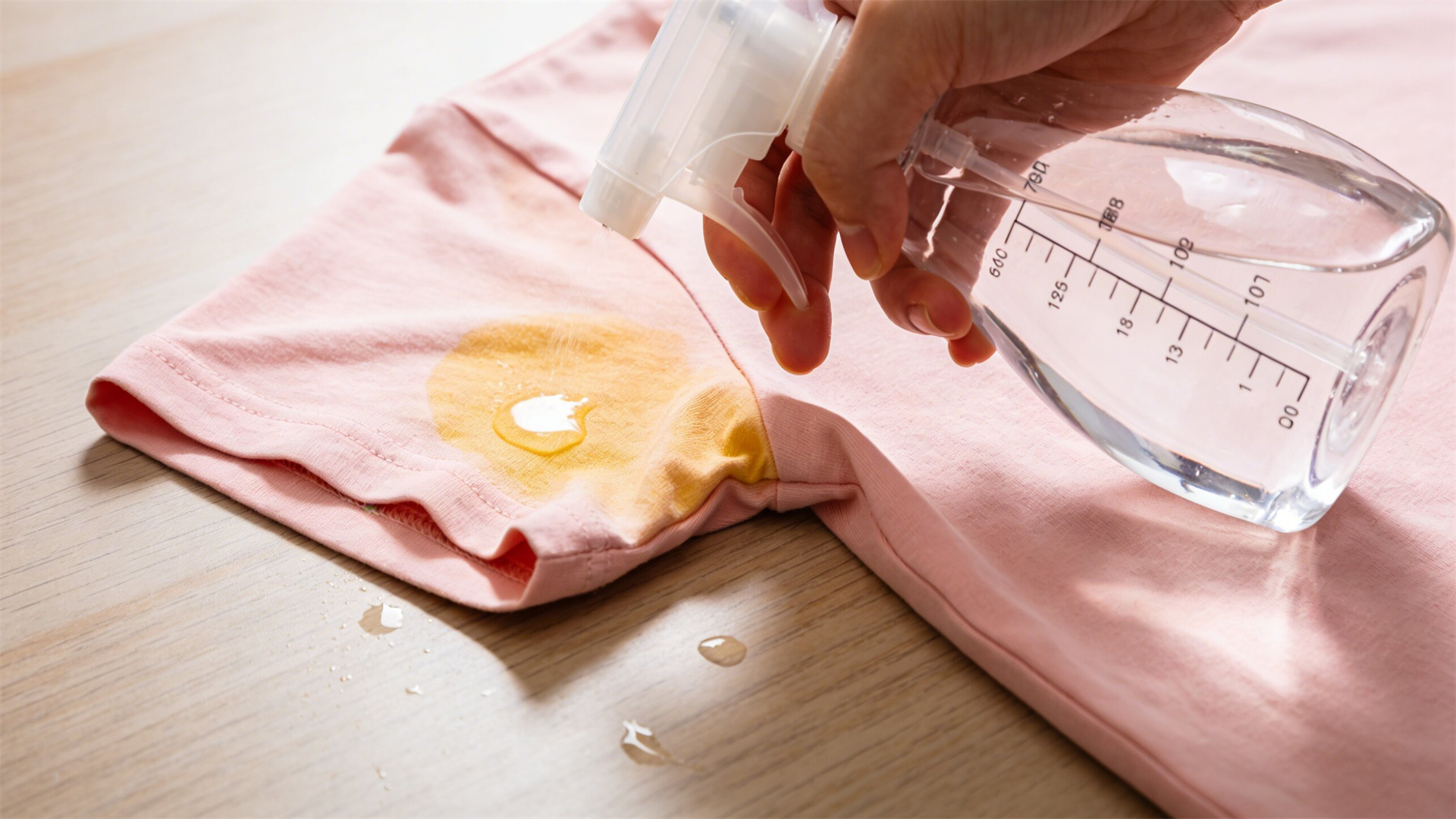
Colored garments require a more delicate touch to avoid fading. White vinegar becomes your best ally here. Its acidity helps to break down the alkaline salts and deodorant residue without harming dyes. Mix equal parts white vinegar and water in a spray bottle. Spray the solution liberally onto the sweat stains, let it sit for 15-20 minutes, then launder the garment in cool water with your regular detergent. For stubborn stains on colors, a paste made from salt, baking soda, and a few drops of water can be gently scrubbed onto the stain before washing. The salt can help to lift the stain while being gentle on the fabric's color.
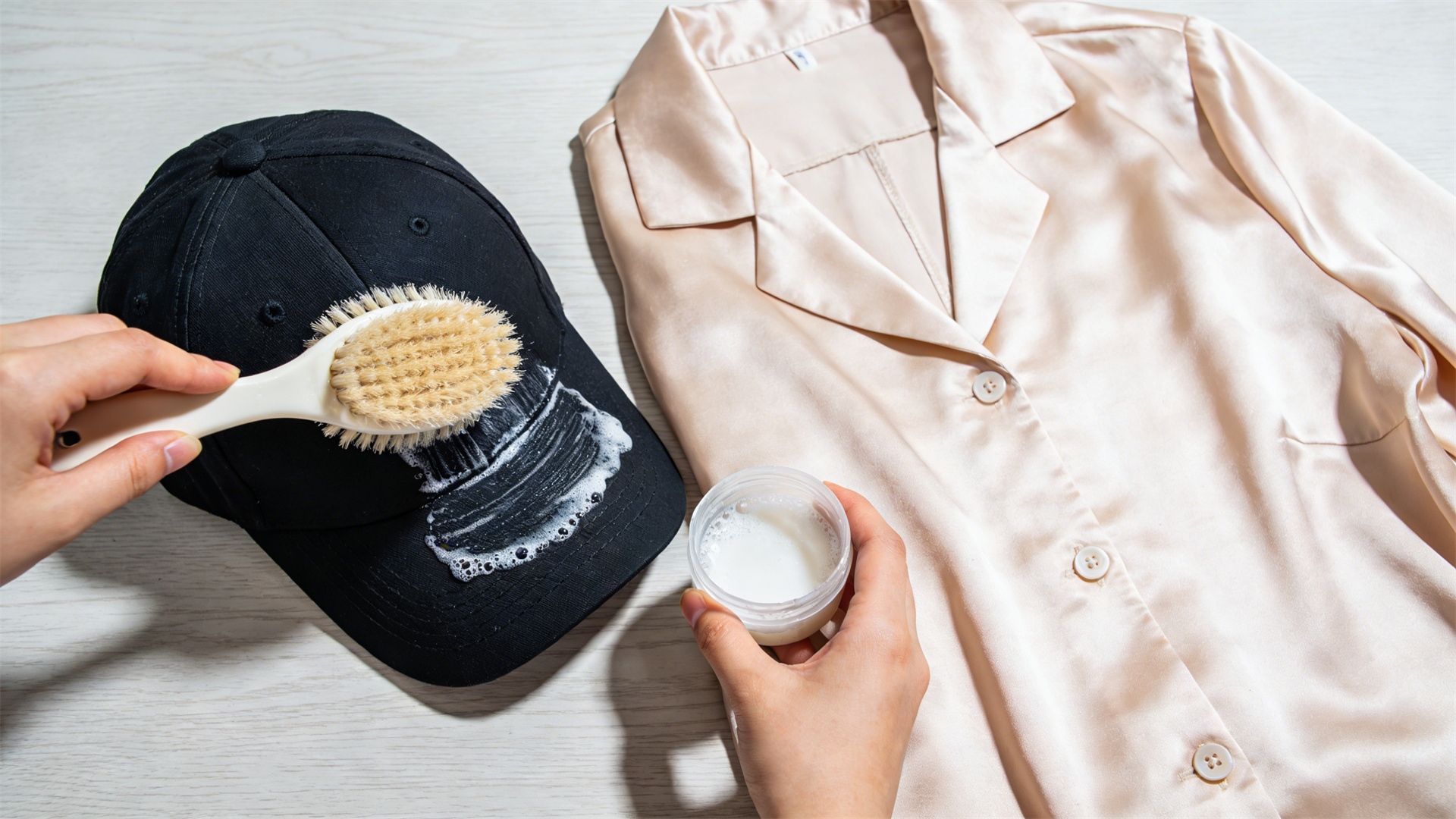
Some items demand special care. Delicate silks and wools should never be treated with strong oxidizers like hydrogen peroxide or harsh scrubbing. Instead, opt for a gentle approach. Use a solution of cool water and a few drops of mild, clear dish soap or a specialized wool wash. Blot the stain gently, rinse with cool water, and lay flat to dry. For hat stains—particularly the dark sweatband inside baseball caps—a combination is key. Use a soft-bristled brush (like a toothbrush) dipped in a solution of cool water, a drop of dish soap, and a splash of white vinegar. Gently scrub the stained band, rinse, and allow the hat to air dry completely, preferably over a bowl to maintain its shape.
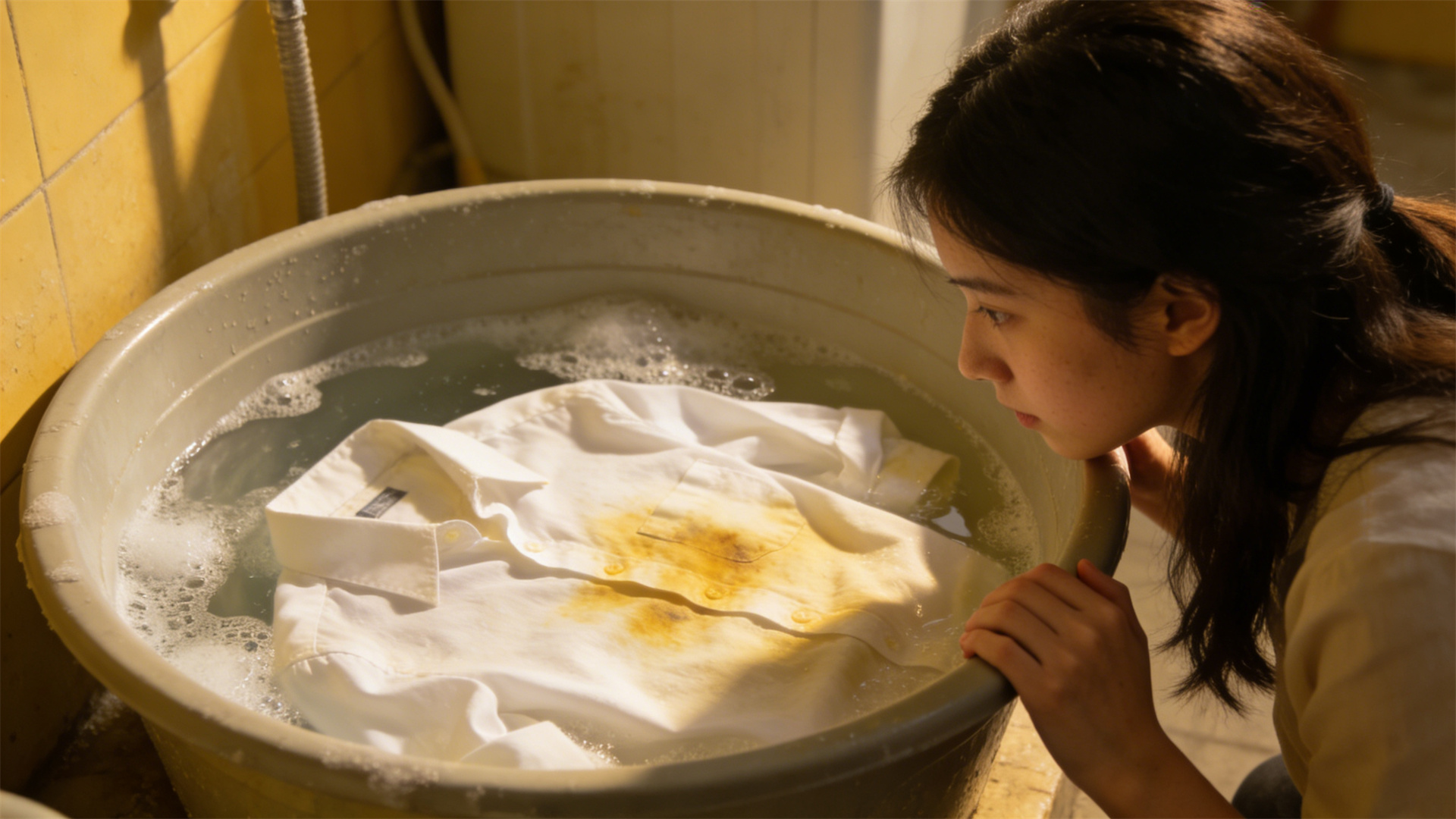
The most persistent yellow stains, especially on white cotton, sometimes need the strongest weapon: chlorine bleach. However, this is a last resort and must be used with caution. First, ensure the fabric is bleach-safe. Dilute the bleach according to bottle instructions in a large sink or basin of cool water. Submerge only the stained garment and monitor it closely, checking every 5-10 minutes. Prolonged soaking can weaken fibers. Once the stain has lifted, immediately remove the garment, rinse it thoroughly with cold water, and then run it through a full wash cycle with detergent to remove all bleach residue. Never pour bleach directly onto fabric.
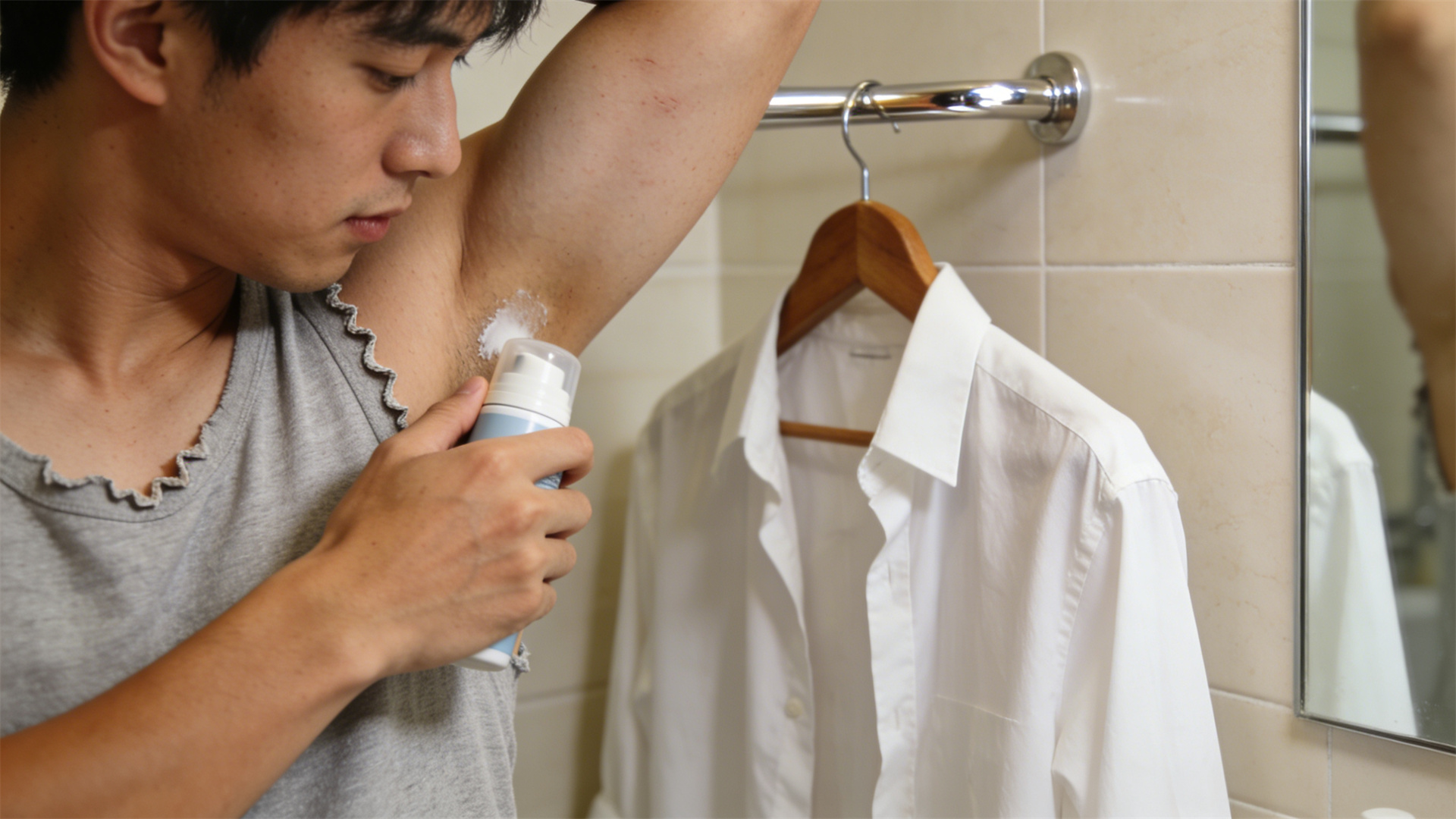
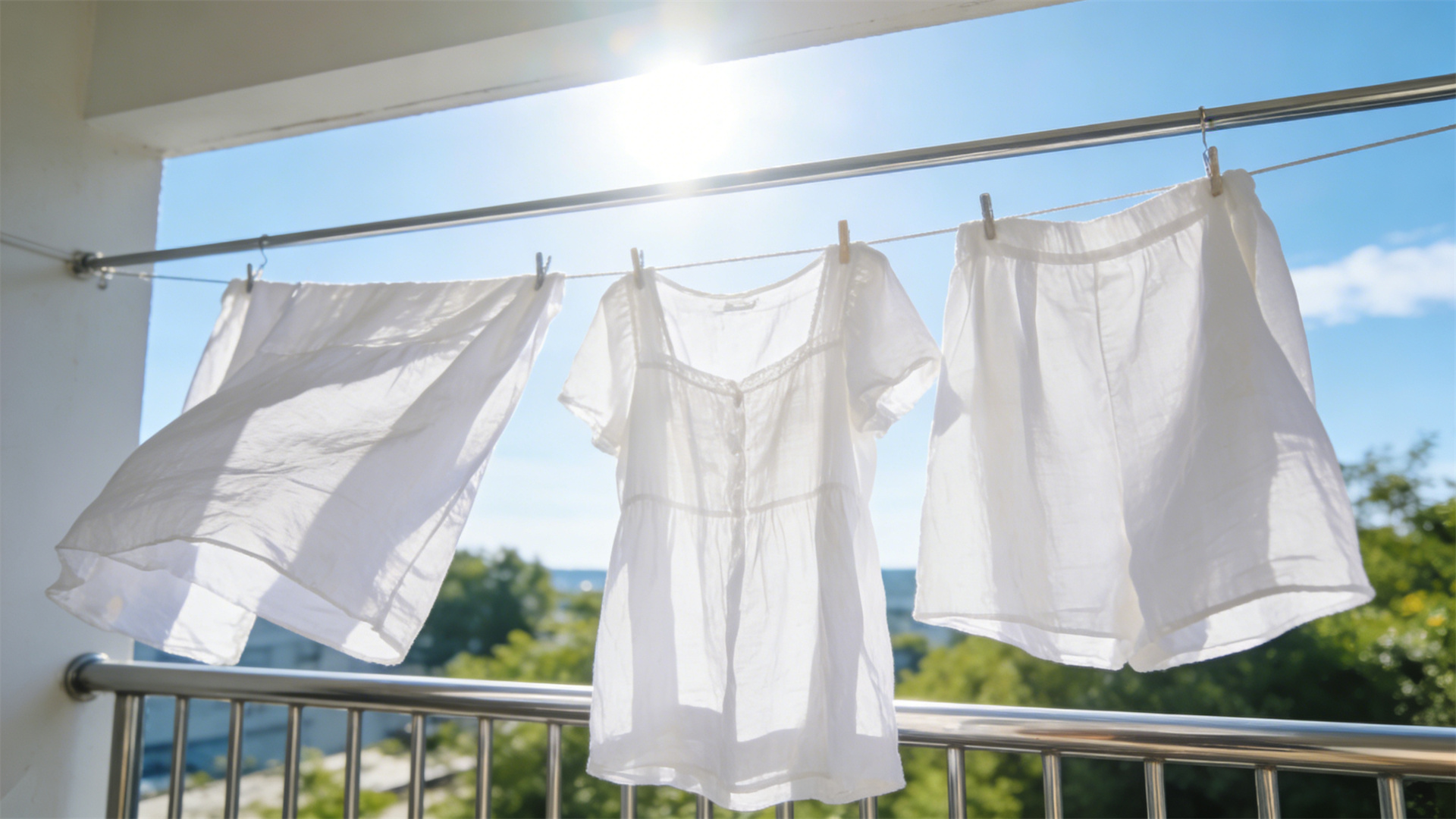
Ultimately, the best strategy is prevention. Apply antiperspirant or deodorant well before dressing, allowing it to dry completely. Consider switching to a deodorant without aluminum, though it may not prevent wetness. For valuable white shirts, use undershirts as a protective barrier. Wash workout and summer clothes promptly after wearing; letting sweaty garments fester in a hamper gives stains time to set. Turn white shirts inside out before washing to help the agitator reach the stained areas more effectively. And whenever possible, air-dry whites in the sun, as sunlight has a natural, gentle bleaching effect that can help maintain brilliance.
Sweat stains and yellowing may feel like an inevitable part of summer, but they don't have to be permanent. Armed with the right knowledge—from the science of the stain to targeted treatments for different fabrics—you can reclaim your clothes. It requires a shift from reactive washing to proactive care and treatment. By integrating these techniques into your laundry routine, you can ensure that the only souvenirs you keep from your summer adventures are the good memories, not the yellowed reminders on your favorite attire.