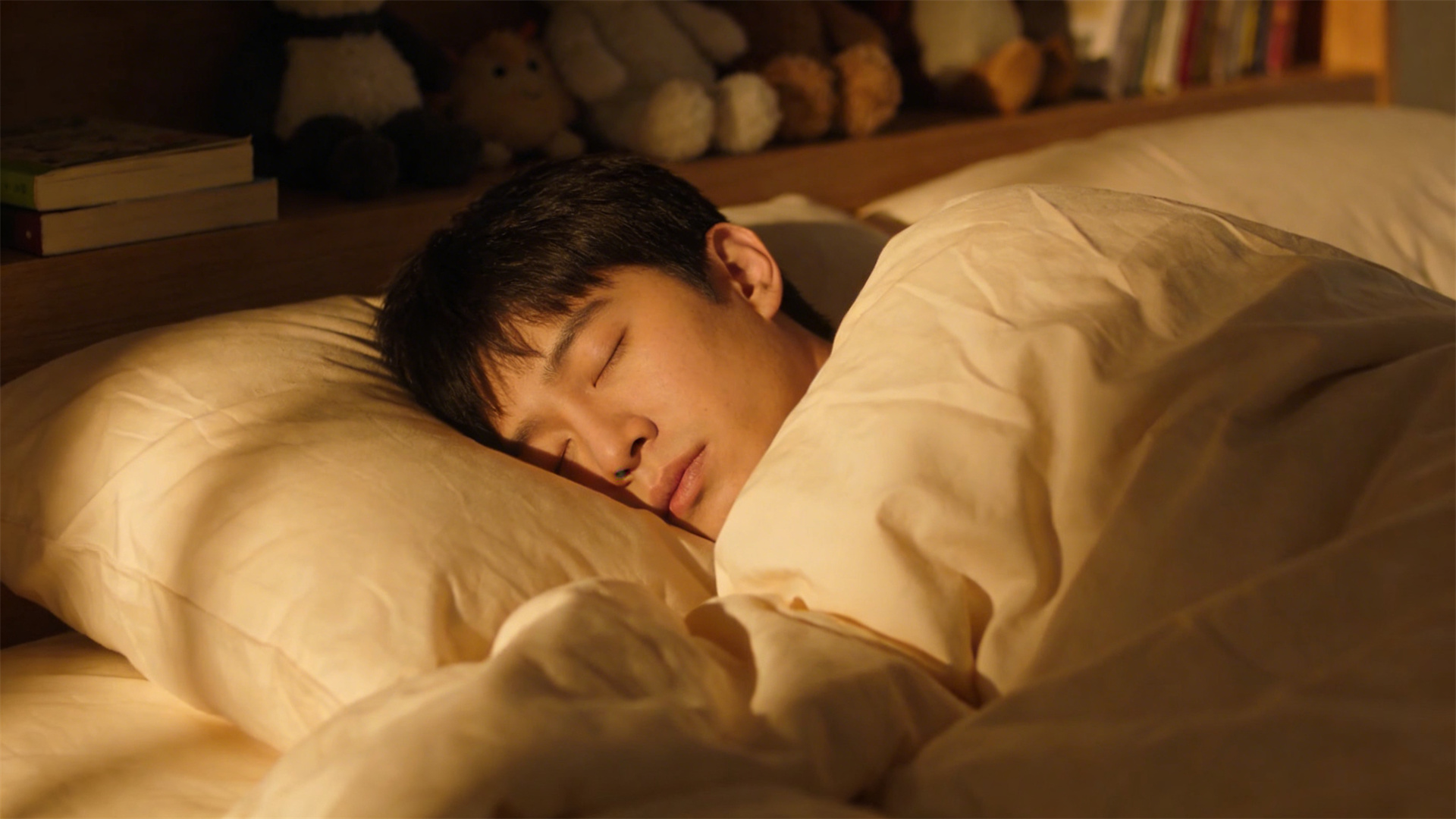
In our relentless pursuit of productivity and health, we often overlook the most potent, freely available medicine we possess: sleep. It is not merely a passive state of rest but an active, complex physiological process essential for cellular repair, memory consolidation, immune function, and emotional regulation. Yet, for many, high-quality, restorative sleep remains elusive. The key to unlocking its profound healing power often lies not in the sleep itself, but in the deliberate, wind-down period that precedes it. A pre-bed ritual is the bridge we build between the chaos of the day and the sanctuary of the night. By consciously designing this ritual, we stop treating sleep as an afterthought and start wielding it as a targeted tool for deep restoration. This is not about rigid rules, but about crafting a personalized sequence of calming cues that signal to your brain and body that it is time to shift from survival mode into repair mode.
papa
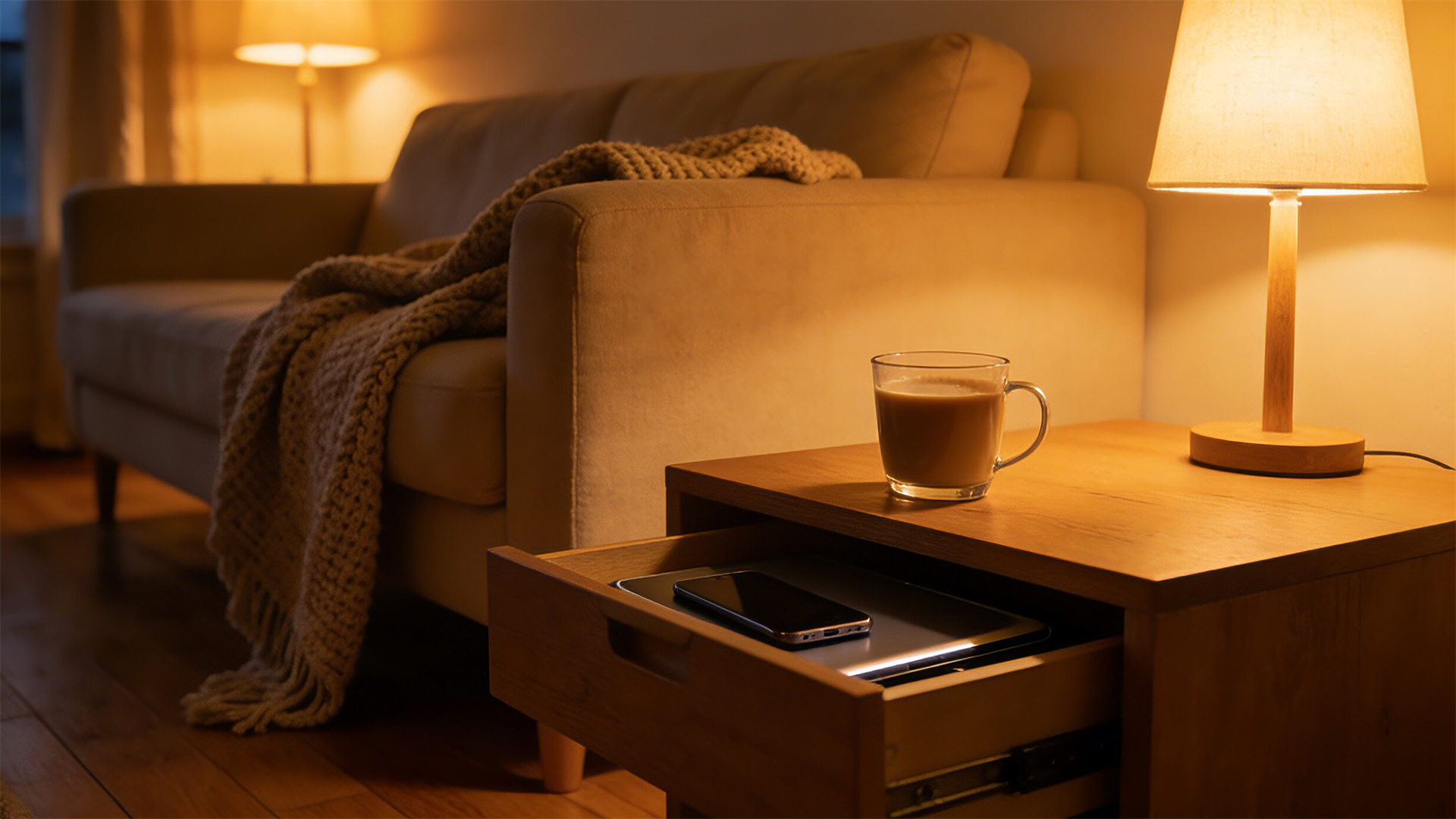
The foundation of any effective sleep ritual is the gradual management of light exposure. Our circadian rhythm, the internal master clock that governs our sleep-wake cycle, is exquisitely sensitive to light, particularly the blue wavelengths emitted by smartphones, tablets, and LED lights. These signals suppress the production of melatonin, the hormone that promotes sleepiness. Therefore, the first pillar of your ritual must involve declaring a "digital sunset." Aim to power down all screens at least 60-90 minutes before your target bedtime. This act is less about deprivation and more about reclamation—reclaiming your evening for slower, analog activities. To augment this, consider installing warm, dimmable lights in your bedroom and living areas for the evening. You can also utilize blue-light filtering apps or glasses if complete disconnection is impossible. This deliberate dimming of your environment mimics the natural progression of dusk, providing your biology with the unambiguous cue that night is falling.

Following the reduction of sensory input from light, the next logical step is to address the cacophony of the mind. The transition to sleep is impossible if your brain is still processing the day's stresses, anxieties, and to-do lists. Here, the ritual shifts inward, focusing on cognitive closure and mental quietude. This can take many forms, but the principle is consistent: a practice that allows you to download your thoughts from your mind. For some, this is the classic act of journaling. Spending 10-15 minutes writing down worries, unfinished tasks for the next day, or simply moments of gratitude can prevent these thoughts from spiraling during the night. For others, a guided meditation or a simple mindfulness practice focusing on the breath can anchor a racing mind. The goal is not to achieve a state of blankness, but to observe your thoughts without engagement, allowing them to pass like clouds, thereby lowering cortisol levels and activating the parasympathetic nervous system responsible for "rest and digest."

With the mind settling, we can now attend to the physical vessel, using gentle, deliberate practices to release muscular tension and lower the core body temperature—a critical physiological trigger for sleep onset. A steep rise in body temperature followed by a drop is what signals sleep readiness. A strategically timed warm bath or shower, taken about 60-90 minutes before bed, leverages this principle beautifully. As you leave the warm water, your body’s core temperature drops rapidly, mimicking the natural nocturnal dip. This can be followed by light, non-stimulating stretching or gentle yoga poses, such as legs-up-the-wall or child’s pose, to soothe the nervous system and alleviate physical stiffness accumulated from the day. The focus should be on release, not exertion; this is not the time for vigorous exercise. Incorporating a few minutes of slow, diaphragmatic breathing during this time can further compound the relaxation response, syncing your heart rate and preparing the body for stillness.

What we consume in the hours before bed acts as either a sedative or a stimulant to our system, directly interfering with or supporting our ritual. Caffeine and nicotine are notorious stimulants with half-lives that can extend well into the night, while heavy, rich, or spicy meals can cause discomfort and indigestion, keeping you awake. Alcohol, while initially sedating, severely fragments sleep architecture and suppresses crucial REM sleep. Your evening nutrition ritual should focus on lightness and sleep-supportive nutrients. A small snack combining complex carbohydrates and a source of tryptophan (like a banana with a small spoonful of almond butter, or a few whole-grain crackers with cheese) can facilitate the transport of tryptophan to the brain, where it converts to serotonin and then melatonin. Herbal teas, such as chamomile, valerian root, or passionflower, offer a warm, comforting, and caffeine-free way to hydrate and tap into their mild relaxing properties. The act of sipping a warm drink itself is a potent ritual of slowing down.
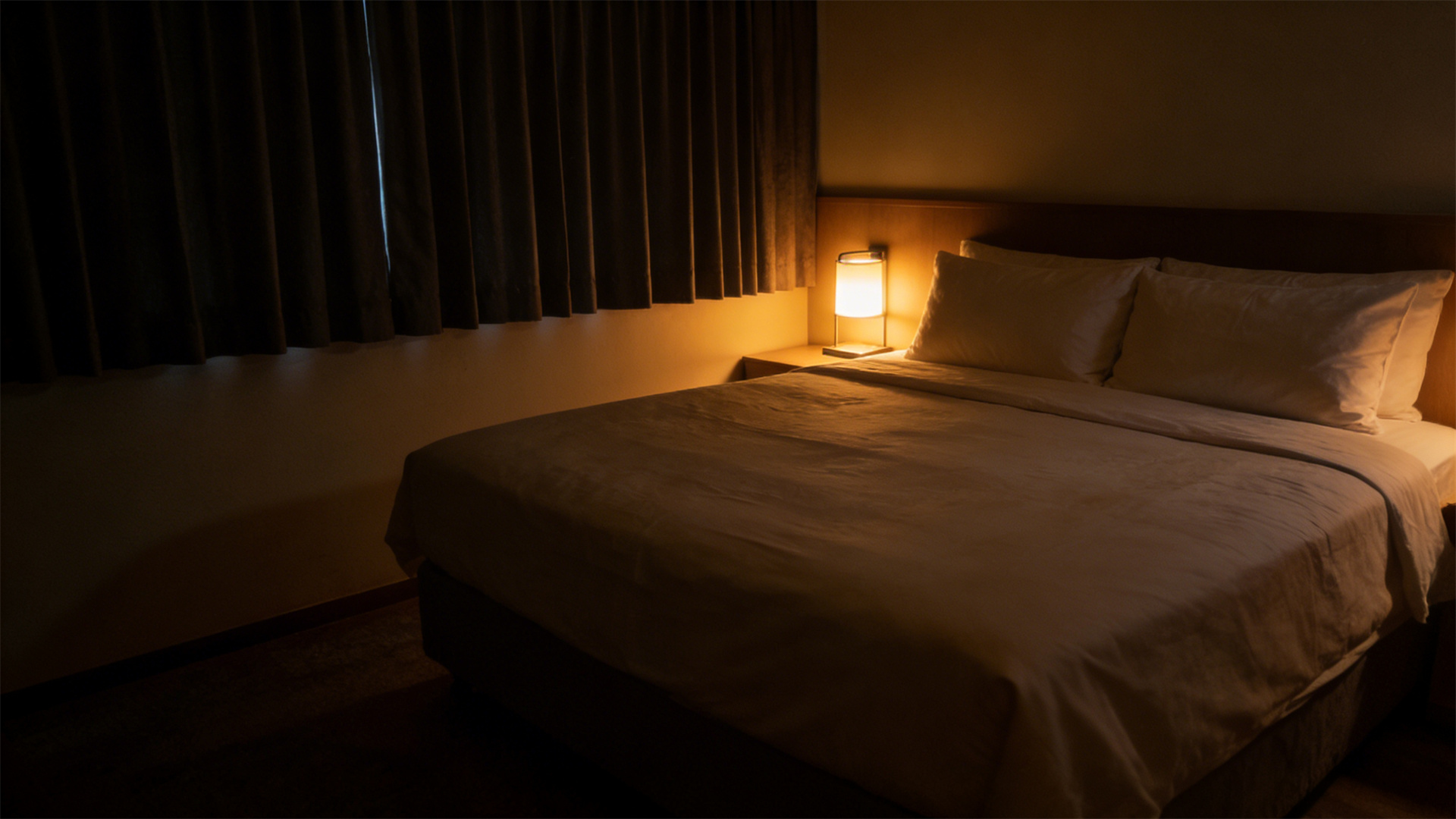
Finally, your ritual must curate the ultimate sleep sanctuary: your bedroom. This space should be engineered for one purpose only—sleep and intimacy. Its environmental conditions are non-negotiable factors in sleep quality. Optimal temperature is cooler than most people assume, typically between 60-67°F (15.5-19.5°C). Invest in blackout curtains or a quality sleep mask to achieve total darkness, which is crucial for melatonin secretion. Noise control is equally vital; if silence is impossible, consider a white noise machine or a fan to mask disruptive sounds. Your mattress, pillows, and bedding should provide orthopedic support and comfort, inviting you in. Furthermore, strengthen the mental association between your bed and sleep by reserving it strictly for sleep. Avoid working, watching thrilling movies, or engaging in stressful conversations in bed. When you finally lie down after your ritual, your body and mind should recognize this environment as the exclusive zone for surrender and restoration.

Designing your perfect pre-bed ritual is an act of self-respect and a strategic investment in your overall health. It transforms sleep from a default biological function into a deliberate, healing practice—true medicine. There is no universal formula; the most effective ritual is the one you will consistently practice. It may begin with simply turning off your phone 30 minutes earlier and reading a physical book, then gradually incorporating a skincare routine, a gratitude list, or five minutes of stretching. Listen to your body’s responses. The proof will be in the quality of your sleep and the vitality of your days. By faithfully building this bridge each night, you grant yourself access to the profound, non-negotiable restoration that only deep, uninterrupted sleep can provide. Tonight, begin. Craft your ritual, signal your intent, and let sleep do its ancient, curative work.