As the seasons turn, so too must our wardrobes. The annual ritual of swapping out bulky winter knits for lightweight summer linens, or vice versa, is more than just a chore; it's an opportunity to care for your clothing investment, reclaim precious closet space, and start the new season with a refreshed and organized mindset. However, simply shoving clothes into boxes and forgetting about them for months can lead to disasters—moths, mildew, wrinkles, and unpleasant surprises. Implementing a thoughtful, systematic approach to storing off-season clothes is the key to preserving their quality and making your life easier. This guide will walk you through a comprehensive, step-by-step system designed to protect your garments and streamline your seasonal transitions.

The foundation of an effective seasonal switch begins long before you reach for a storage container. It starts with a thorough assessment and decisive editing of your current wardrobe. As you empty your closet and drawers of off-season items, treat each piece as a deliberate choice. This is the perfect moment to critically evaluate what you truly wear and love. Ask yourself: Did I wear this at all last season? Does it fit me well and make me feel good? Is it in good repair, or is it stained, pilled, or damaged beyond reasonable repair? Be ruthless. Clothing that is no longer wanted or wearable should be sorted into piles for donation, resale, or textile recycling. This crucial first step not only reduces the volume of items you need to store but also ensures that the clothes going into storage are worth the effort and space they will occupy.

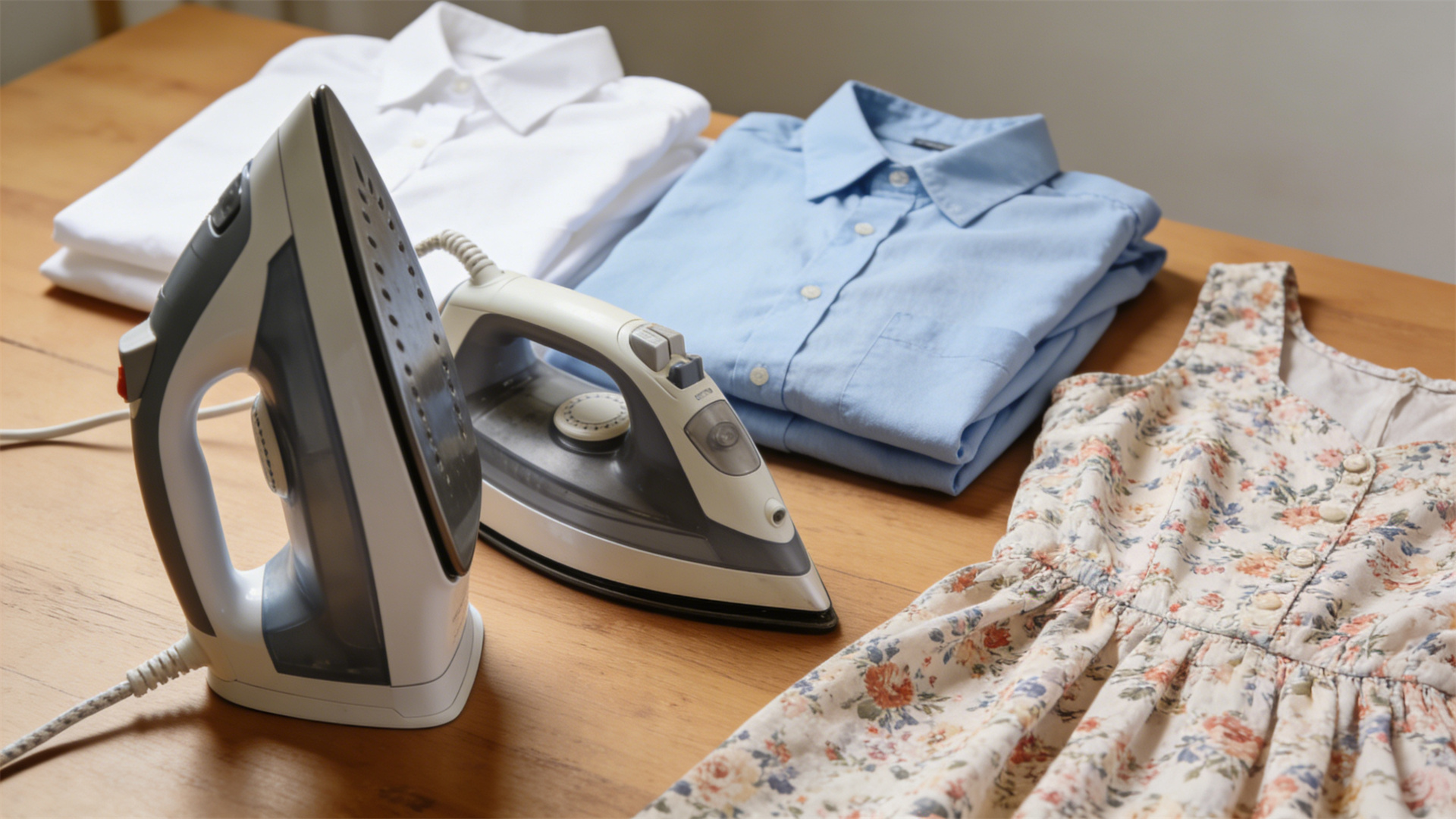
Once you have curated the collection destined for storage, the single most important step is ensuring every item is impeccably clean. Storing dirty or even slightly worn clothes is an open invitation to pests and permanent damage. Body oils, sweat, and invisible food residues attract insects like moths and silverfish, who will feast on natural fibers. These residues can also oxidize over time, leading to yellowing stains that may be impossible to remove. Carefully follow the care labels on each garment. Wash, dry clean, or steam items as required. For knitwear like sweaters, ensure they are completely free of moisture before packing, as dampness is the primary cause of mildew. This process guarantees that your clothes are in a dormant, preserved state, ready to emerge fresh and ready-to-wear when their season returns.
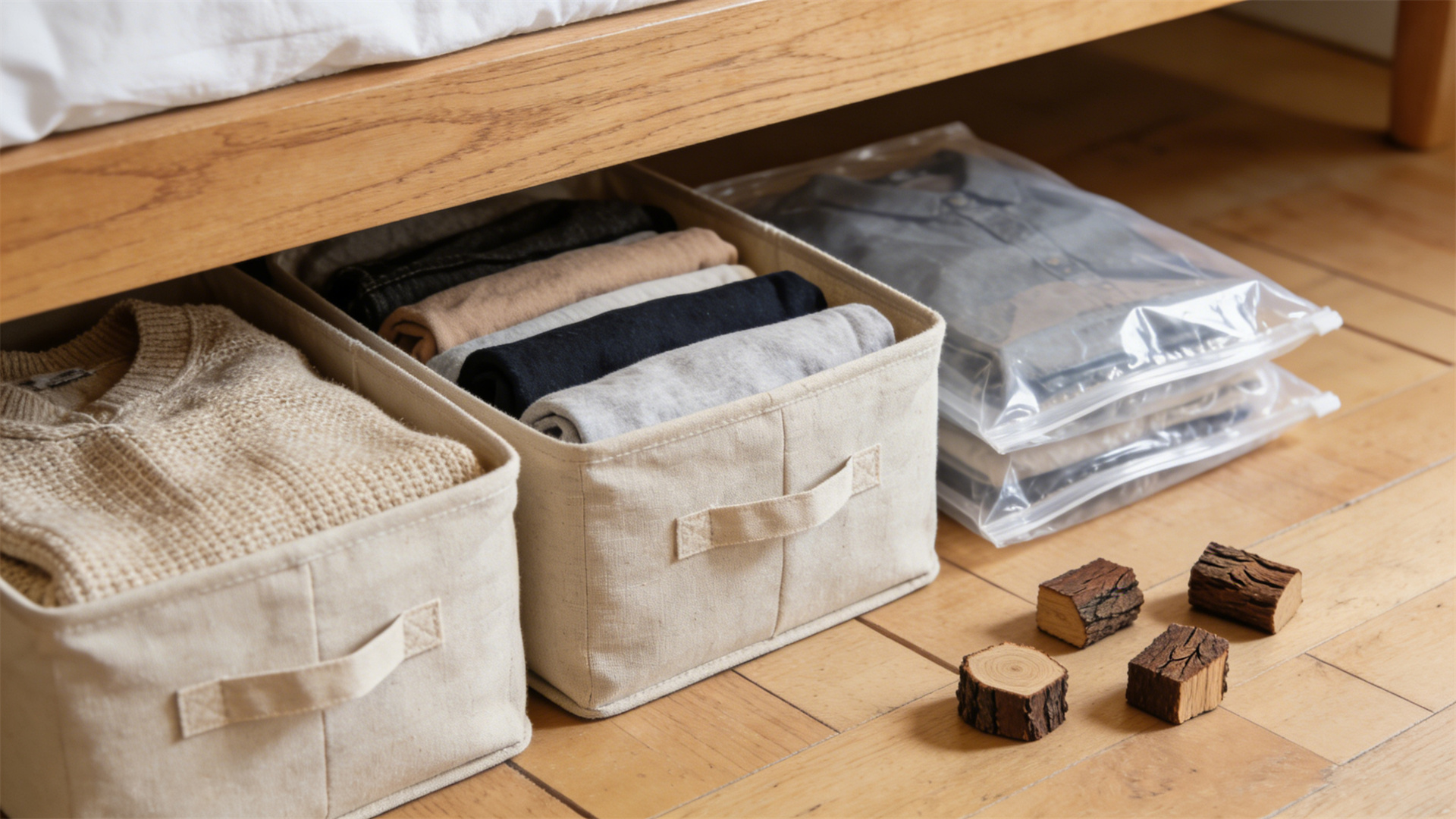
Choosing the right storage environment and vessels is paramount to your system's success. The ideal storage location is cool, dark, and dry—think under the bed, on a high closet shelf, or in a dedicated, climate-controlled storage space. Avoid attics and basements if they are prone to extreme temperature fluctuations or humidity. For containers, prioritize breathability and protection. Fabric-covered boxes or canvas storage bags allow for air circulation, preventing mustiness, and are ideal for many garments. For maximum space savings and protection against moisture and pests, vacuum-sealed bags can be excellent for bulky items like down jackets and quilts, but avoid using them for delicate fabrics like leather or structured pieces like blazers, as the prolonged compression can damage fibers and shapes. For heirloom items or fine woolens, consider adding a layer of protection with acid-free tissue paper and cedar blocks or rings, which are a natural, pleasant-smelling deterrent to moths, unlike toxic mothballs.

A systematic storage strategy is wasted if you cannot find anything. Implementing a clear labeling and inventory system transforms your storage from a chaotic black hole into an accessible archive. Clearly label every box or bag with its general contents and, if possible, more specific details. Examples include "Winter Sweaters - Cashmere & Wool," "Formal Winter Trousers & Skirts," or "Summer Beachwear & Cover-ups." For an even more sophisticated system, consider taking a photo of the contents and taping it to the front of the container. You might also maintain a simple digital list on your phone or computer. This organization pays dividends when you're searching for one specific item mid-off-season or during the next switch, saving you from dumping out multiple boxes in frustration.

Your responsibility doesn't end once the boxes are sealed and stacked. To ensure your clothes remain in pristine condition, schedule periodic check-ups, ideally once during the off-season. This is especially important in areas with high humidity. During a check, quickly inspect a sample container for any signs of moisture, pests, or unexpected odors. This proactive measure allows you to address small issues—like adding a desiccant pack if the air feels damp—before they become major problems. Furthermore, your needs and style evolve. During these seasonal switches, take a moment to reassess the system itself. Are certain containers not working? Do you need a different storage solution for a new category of clothing? Refining your process each time makes it more efficient and tailored to your lifestyle.

Mastering the seasonal closet switch is an act of care—for your possessions, your space, and your own peace of mind. By following this systematic approach of careful curation, meticulous cleaning, appropriate storage, detailed organization, and ongoing maintenance, you transform a mundane task into a powerful organizational ritual. You’ll extend the life of your favorite garments, protect your financial investment in your wardrobe, and greet each new season with a closet that feels intentional, manageable, and full of possibilities. Embrace the system, and let your off-season clothes rest easy, awaiting their time in the sun (or snow) once more.