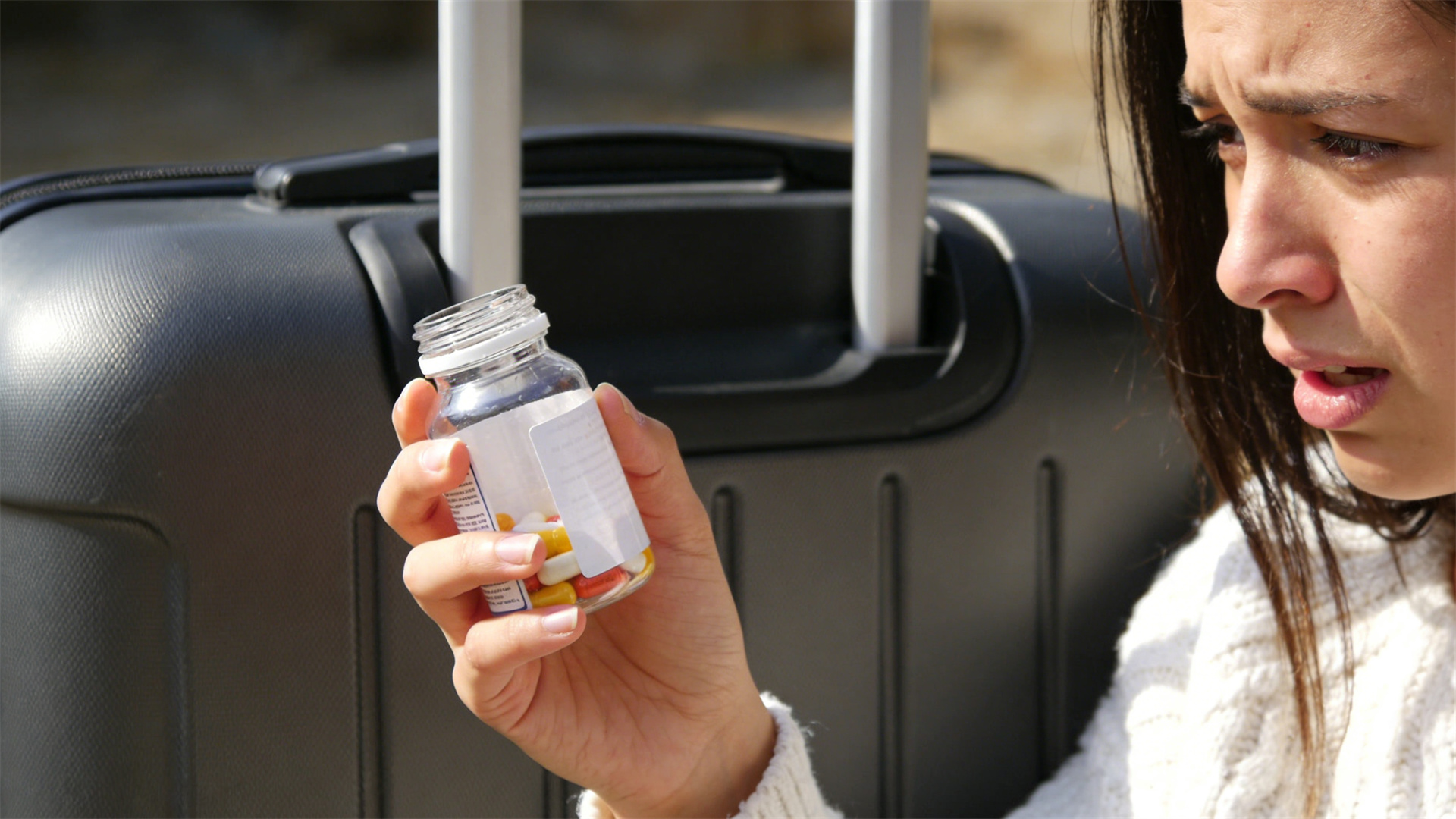
Traveling is an exhilarating experience, but for those who rely on daily prescription medications, it can also be a source of significant anxiety. The fear of lost pills, confiscated supplies, or a medical emergency in an unfamiliar place is real. However, with careful planning and knowledge of the rules, you can ensure your health remains stable and your journey uninterrupted. Safely traveling with prescriptions isn't just about packing a pill bottle; it's a comprehensive strategy that begins long before you reach the airport or hit the road.

The foundation of safe medication travel is laid during the planning phase, ideally weeks before your departure. Your first stop should be a consultation with your prescribing doctor or pharmacist. Discuss your travel itinerary in detail, including destinations, duration, and any potential health risks associated with your activities. This is the time to request a refill if your current supply will not last the entire trip, and it’s wise to ask for a small surplus to account for unexpected delays like flight cancellations or natural disasters. Crucially, obtain a formal letter from your physician on official letterhead. This letter should list all your prescribed medications by their generic and brand names, your diagnosis (without overly personal details), the prescribed dosage, and your doctor’s contact information. For controlled substances, this letter is particularly vital. Simultaneously, ensure all your medications are in their original, pharmacy-labeled containers. While pill organizers are convenient for daily use at home, they are not sufficient for travel as they lack the official labeling that customs and security officials need to verify the legitimacy of the drugs.
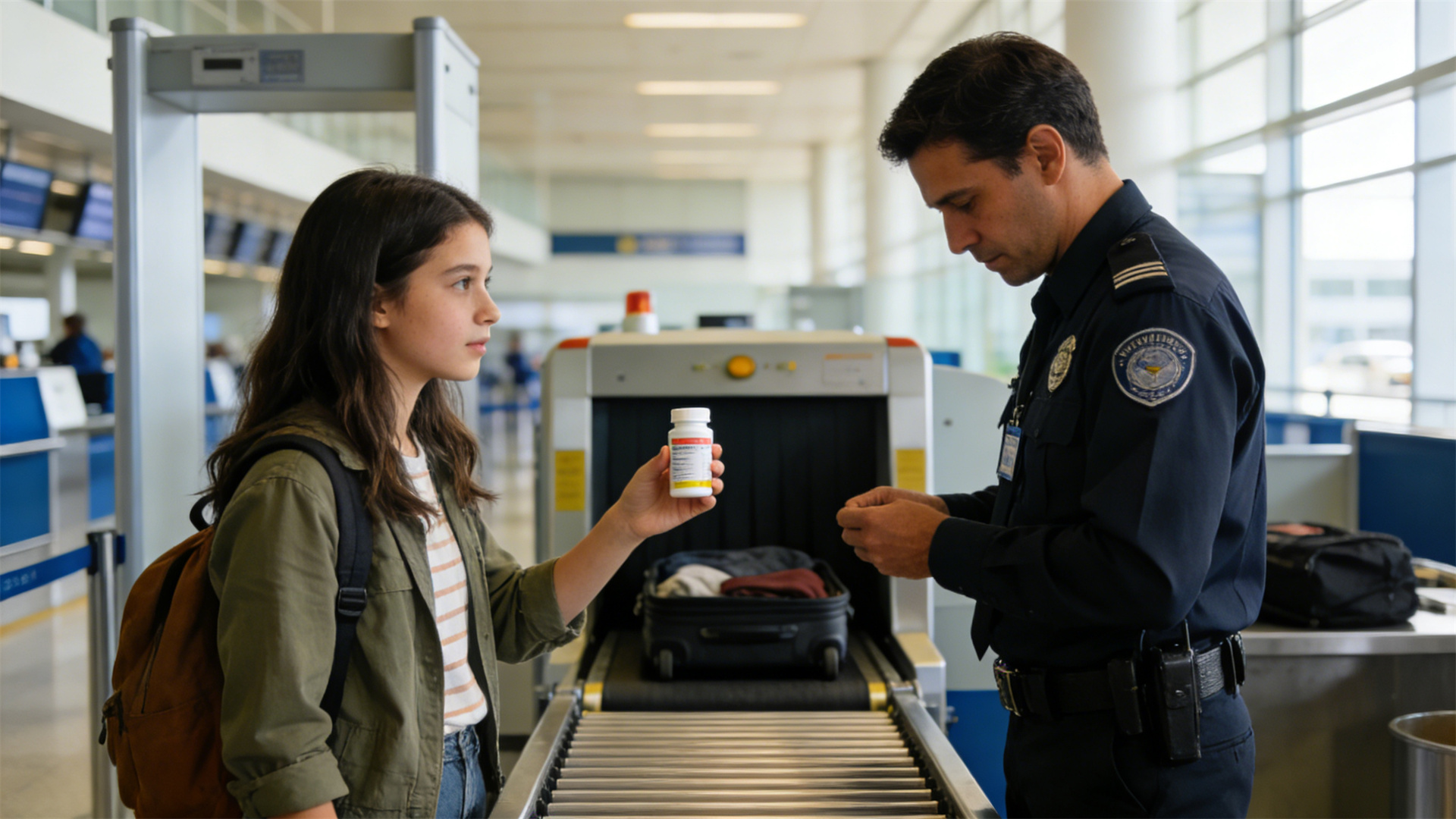
Navigating security checkpoints, especially at airports, is a major concern for travelers with medications. The key here is preparation and communication. Always pack your medications in your carry-on luggage. Checked bags can be lost, delayed, or exposed to extreme temperatures in cargo holds, which can degrade some medicines. For domestic travel within countries like the United States, the Transportation Security Administration (TSA) allows medications in both pill and liquid form exceeding the standard 3.4-ounce (100ml) liquid limit. You are required to declare these items to the security officer at the start of the screening process. Separate them from your other liquids and gels. While not always required, having your doctor’s letter handy can expedite the process. For injectable medications like insulin or epinephrine auto-injectors, inform the officer and follow their instructions. Ice packs or freezer packs needed to keep medications cool are also permitted through security when accompanied by the medication. Remember, rules can vary by country, so researching the specific aviation security authority guidelines for your destination is essential.

Once you’ve passed through security, the focus shifts to safeguarding your medications throughout your journey. Temperature control is a critical but often overlooked aspect. Many medications, such as certain insulins, biologics, and antibiotics, require refrigeration. Simply stowing them in your carry-on is not enough if they are sensitive to heat. Use insulated cooler bags with reusable gel packs. When staying in hotels, use the room’s refrigerator, but first confirm it is in working order and set to an appropriate temperature—some minibars are not cold enough for proper medication storage. Never leave medications in a parked car, where temperatures can soar to dangerous levels. Furthermore, keep your medications with you at all times. Do not store them in a hotel safe unless it is climate-controlled and you are concerned about theft; it’s generally safer to keep them in your personal day bag during excursions.

International travel introduces a complex layer of regulations that cannot be ignored. Medications that are perfectly legal and commonplace in your home country may be strictly controlled, banned, or considered narcotics in another. This is particularly true for stimulants (e.g., for ADHD), sleep aids, anxiety medications, and even some strong painkillers. Failing to comply with local laws can result in severe penalties, including detention and deportation. Before you book your ticket, thoroughly research the embassy or official government website of your destination country. Look for specific information on bringing personal medications. Some countries require a permit or import license for certain drugs, which must be applied for weeks in advance. Japan and the United Arab Emirates, for example, have notoriously strict rules regarding many over-the-counter and prescription drugs common elsewhere. In addition to your doctor’s letter, having a translated version of the letter into the local language of your destination can be immensely helpful for local pharmacists or authorities if needed.

Despite the best-laid plans, emergencies can happen. Preparing for the worst-case scenarios ensures you are not left vulnerable. Your first line of defense is knowing what to do if your medication is lost, stolen, or runs out. Carry a digital and physical copy of your prescriptions, including the generic drug names, as brand names vary globally. Contact your travel insurance provider immediately; a good policy may cover the cost of a local consultation and prescription replacement. In a non-emergency situation, your home country’s embassy or consulate might be able to provide a list of local English-speaking doctors or reputable clinics. For a true medical emergency, know the local emergency number (it’s not 911 everywhere) and seek immediate help. It is also prudent to wear a medical alert bracelet or necklace if you have a serious condition, and to share your health and medication details with your travel companions.

Traveling with prescriptions demands an extra level of foresight, but it should never be a barrier to exploring the world. By starting early, understanding the regulations of your transit points and destination, packing smartly, and having a contingency plan, you can protect your health with confidence. The peace of mind that comes from this preparation allows you to fully immerse yourself in the joys of travel, knowing that your essential medical needs are securely managed. Remember, your health is your most valuable travel companion—plan for it with the same care and excitement as you do for your itinerary.