Let's be honest: shopping for a new mattress can feel overwhelming. You're bombarded with aggressive online ads for "revolutionary" bed-in-a-box brands, faced with a sea of confusing industry jargon in showrooms, and confronted by prices that range from suspiciously cheap to astronomically high. It's easy to get lost in the marketing noise and forget that you're simply looking for a comfortable place to sleep. This guide cuts through the hype, focusing on a practical, research-backed approach to finding a mattress that truly suits your body, sleep style, and budget. Forget the fluff; let's talk about what actually matters for a restful night.
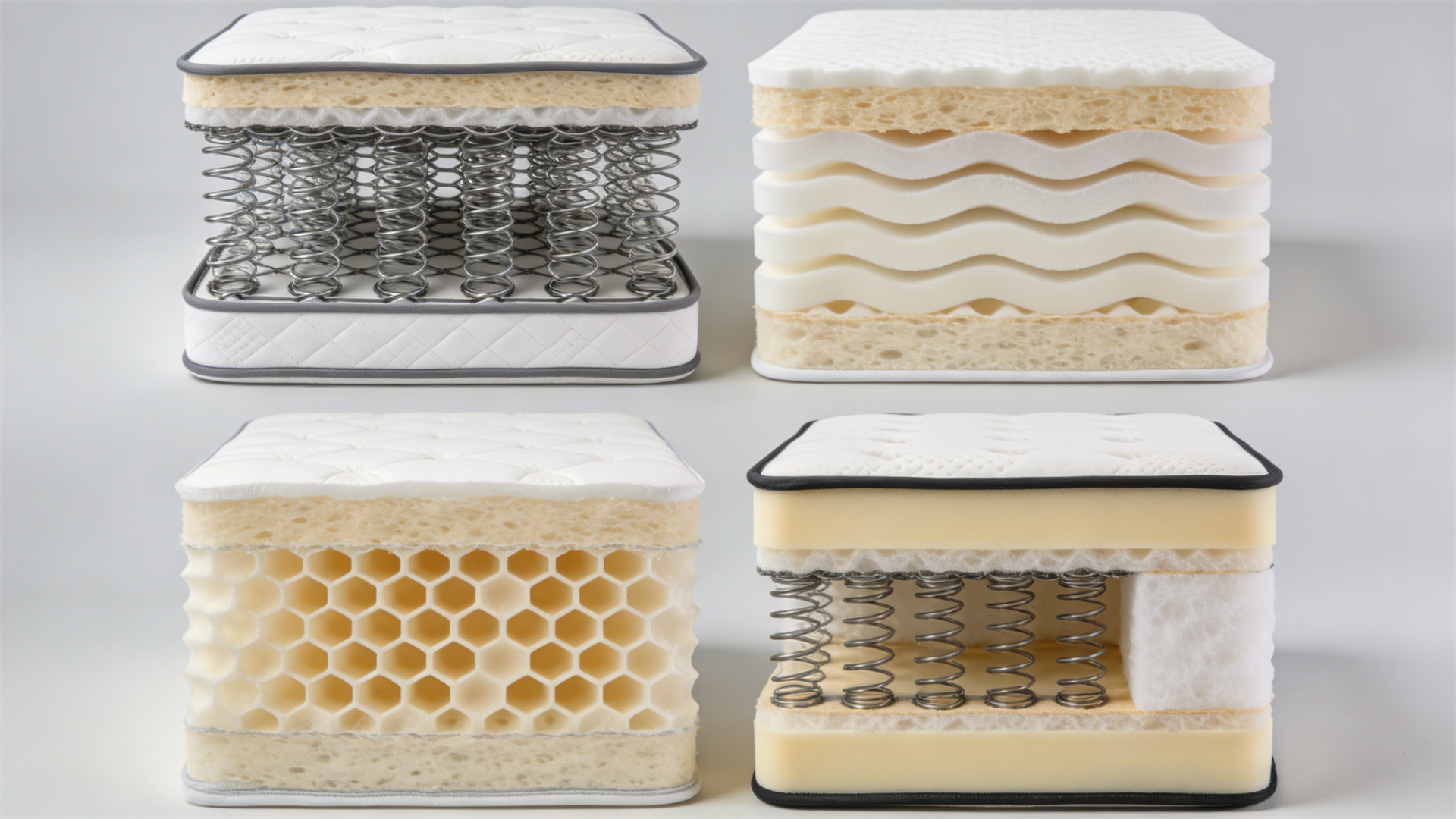
Your journey begins with understanding the fundamental landscape. Mattresses are generally built around a few core support systems: innerspring, all-foam (including memory foam and latex), and hybrid, which combines coils with foam or latex layers. Innerspring mattresses, with their traditional coil systems, offer a classic, bouncy feel and strong edge support, often at a lower price point. All-foam mattresses excel at motion isolation and contouring pressure relief, making them ideal for couples or side sleepers with achy joints. Latex foam, either natural or synthetic, provides a responsive, buoyant feel that is cooler and more breathable than traditional memory foam. Hybrids aim to offer the "best of both worlds": the targeted support and cooling airflow of coils with the pressure relief and motion isolation of a foam comfort layer. Don't get swayed by a single material's marketing; the interaction of these layers creates the overall feel.

Now, turn the focus inward. The most critical step in this process is an honest assessment of your personal needs, a step most marketing campaigns gloss over. Your primary sleeping position—side, back, or stomach—is the biggest determinant of the support and cushioning you require. Side sleepers typically need a softer surface to cushion the shoulders and hips, while back and stomach sleepers usually need a firmer surface to keep the spine in neutral alignment. Your body weight and shape also play a huge role; heavier individuals often need a thicker, more supportive mattress to prevent excessive sinkage, while lighter individuals might find some firm mattresses uncomfortably hard. Also, consider specific issues like overheating (prioritize breathable materials like coils, latex, or gel-infused foams), chronic pain (look for pressure-relieving materials that contour without sagging), or sharing the bed with a restless partner (prioritize motion isolation).

Once you have a theoretical shortlist, the real test begins: the in-store trial or the at-home sleep trial. If you can visit a showroom, go with a plan. Wear comfortable clothing, and plan to spend at least 10-15 minutes on each mattress you're seriously considering. Don't just sit on the edge; lie down in your usual sleep position, with your regular pillow. If you share the bed, test it together. Pay attention to how your spine feels—it should be relatively straight, not bowed or sagging. Check for pressure points on your shoulders, hips, and lower back. For online brands, meticulously research their trial policy. A genuine risk-free trial should be at least 90-100 nights, include free returns and pickup, and not involve hidden restocking fees. Remember, your body needs weeks to adjust to a new sleep surface, so don't judge entirely on the first night.
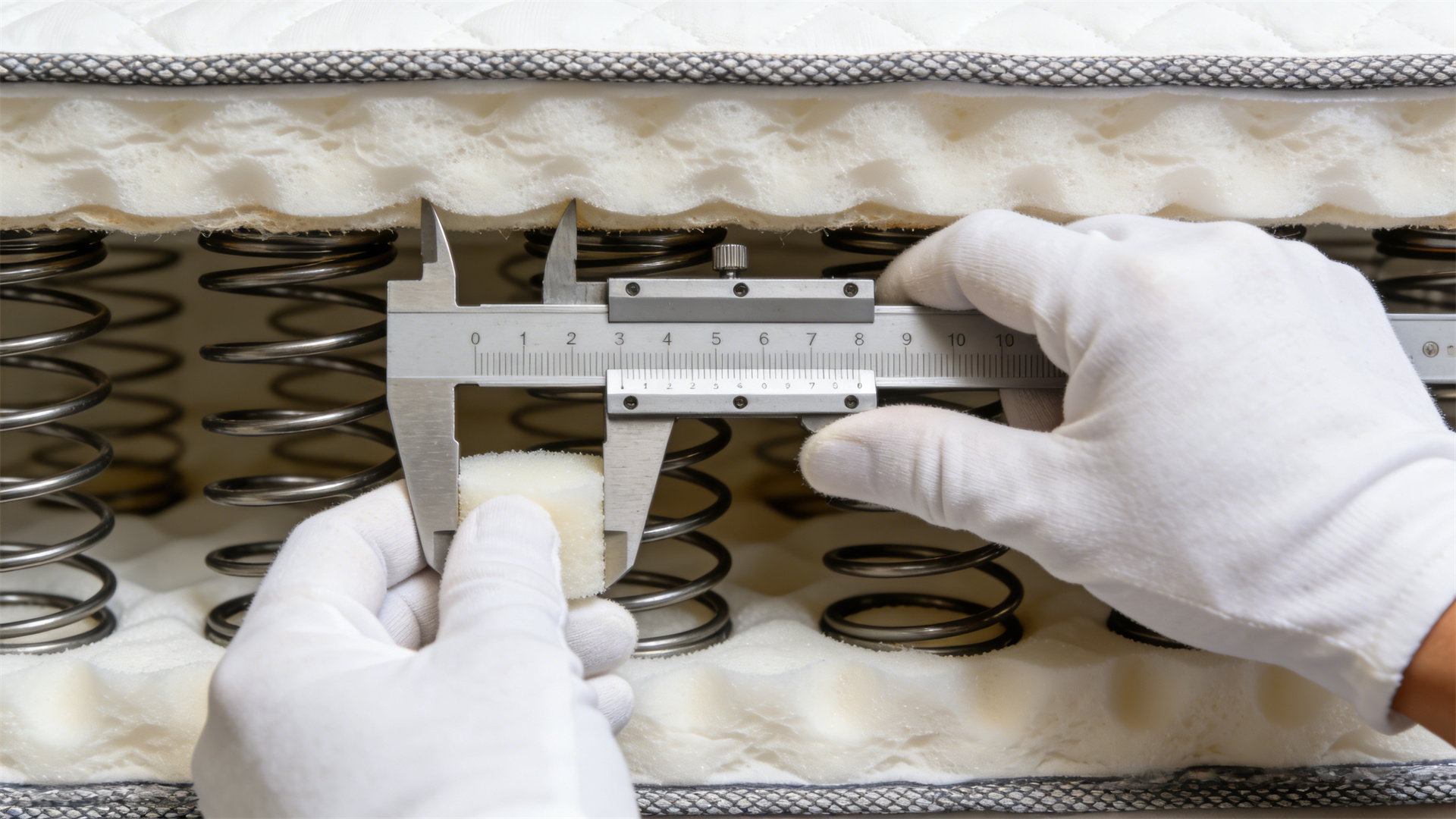
This is where knowledge becomes power: understanding construction and materials beyond the sales tag. Look for details like coil count and gauge (thicker, fewer coils can be firmer; thinner, more coils can be more conforming), foam densities (higher-density foams are more durable and supportive), and layer thicknesses. A mattress with a thick, plush comfort layer over a weak support core will fail quickly. Be skeptical of proprietary names for materials unless they are clearly explained. A "cooling cover" might just be a phase-change fabric, while "ergonomic support zones" are often just different firmness levels in the foam layers. Quality trumps a long list of fancy features. A simple, well-constructed mattress from a reputable manufacturer will almost always outperform a cheap mattress packed with "innovative" gimmicks.
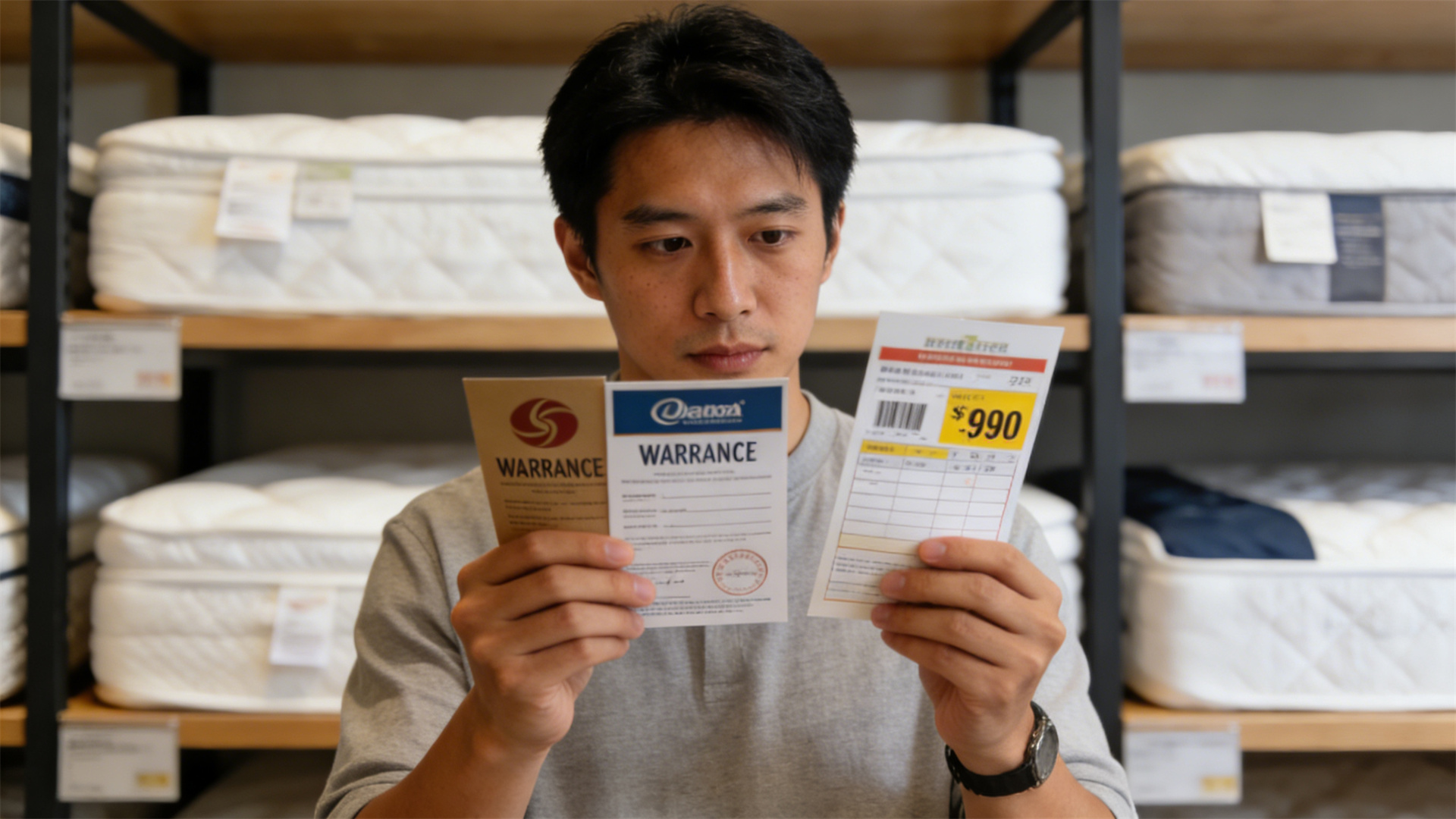
Finally, navigate the practicalities of price, warranties, and where to buy. Set a realistic budget beforehand. While you often get what you pay for, there are excellent value options across all price ranges. The warranty is a key indicator of a company's confidence in its product. Look for a minimum 10-year non-prorated warranty that covers sagging or body impressions over a certain depth (typically 1-1.5 inches). Understand the difference between a full warranty and a prorated one, where you pay a percentage of the cost as the mattress ages. Whether you buy from a traditional retailer, a direct-to-consumer online brand, or a hybrid model (online research, offline purchase), ensure you have clear information about delivery, setup, and the return process in writing.
Finding the perfect mattress isn't about chasing the latest trend or the most advertised brand. It's a personal investment in your health and well-being, grounded in self-knowledge and smart research. By focusing on your body's needs, learning to decode construction details, and taking advantage of proper trial periods, you can step off the exhausting merry-go-round of mattress marketing. Move beyond the hype, trust your own comfort above all else, and make a decision that promises not just a new bed, but genuinely better sleep for years to come. Your perfect sleep surface is out there—it just requires a clear-eyed, practical search.