The idea of a long-haul flight can evoke a mix of excitement and dread. While the destination promises adventure, the journey itself—cramped in an economy seat for eight, twelve, or even sixteen hours—looms as a formidable challenge. It’s a unique form of endurance travel where comfort isn't a given; it's a prize you must actively win through preparation and strategy. Conquering this marathon in the sky isn't about luxury; it's about intelligent, practical choices that transform a potentially grueling ordeal into a manageable, even somewhat pleasant, experience. Forget just surviving; with the right approach, you can arrive at your gateway feeling relatively human and ready to explore.
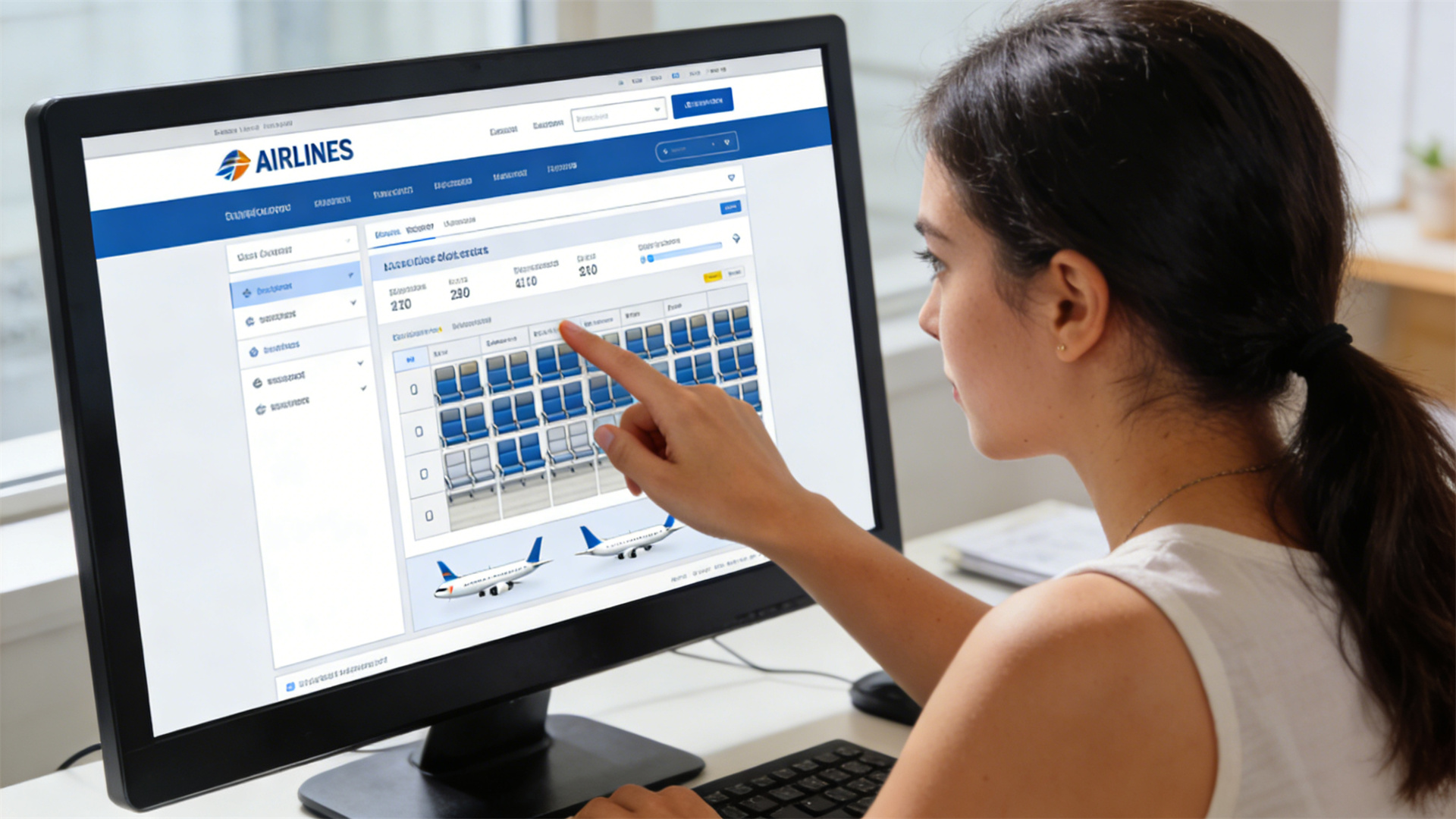
Your comfort campaign begins long before you board the aircraft, with the critical step of seat selection. This is your single most important decision. Use airline apps or websites to study the seat map as soon as booking opens. Aim for an aisle seat if you anticipate frequent trips to the lavatory or value the freedom to stretch your legs without climbing over sleeping neighbors. A window seat is ideal for creating a personal cocoon, offering a wall to lean against for sleep and control over the shade. The dreaded middle seat is a last resort, but if stuck, strategize your boarding to secure overhead space. Consider the exit rows for legendary legroom, but remember these seats often have immovable armrests and may be colder. Be mindful of seats near lavatories and galleys, as constant foot traffic, light, and noise can disrupt rest. A small investment in selecting the perfect seat pays massive dividends in comfort hours later.
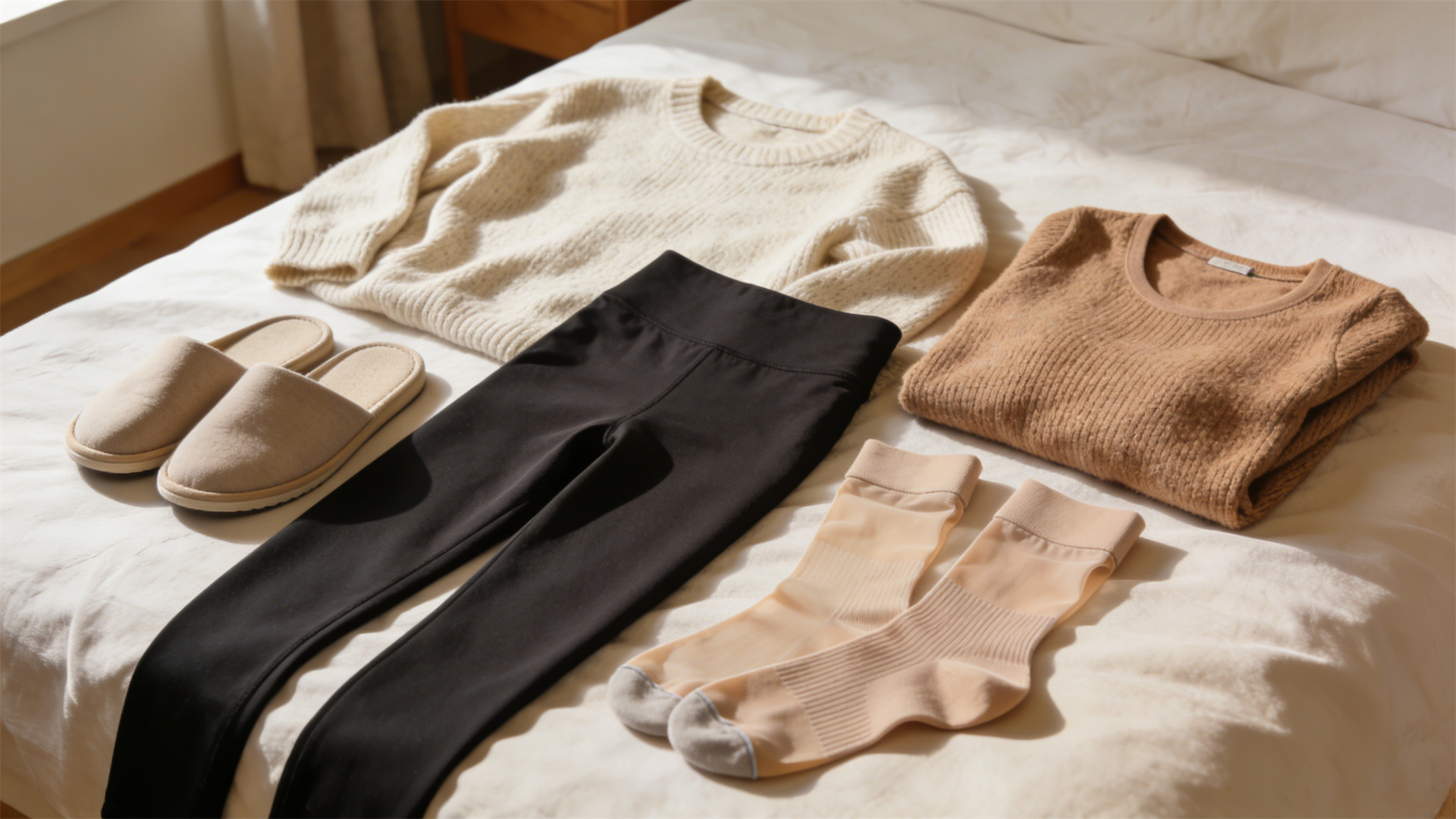
What you wear on a long flight is essentially a wearable blanket and pajama set, and choosing wisely is non-negotiable. Tight jeans, restrictive belts, and stiff fabrics are the enemies of circulation and relaxation. Embrace the philosophy of loose, breathable layers. Start with a soft, moisture-wicking base layer like merino wool or technical fabric. Add a comfortable pair of stretchy pants or leggings and a cozy long-sleeve top. A warm, packable fleece or hoodie is essential as cabin temperatures can fluctuate wildly. Compression socks are not just for the elderly; they are a secret weapon for everyone, promoting blood flow and significantly reducing the risk of swelling and deep vein thrombosis on extended sits. Finally, wear sturdy, easy-to-slip-on shoes for security and quick removal during the flight to let your feet breathe and expand.
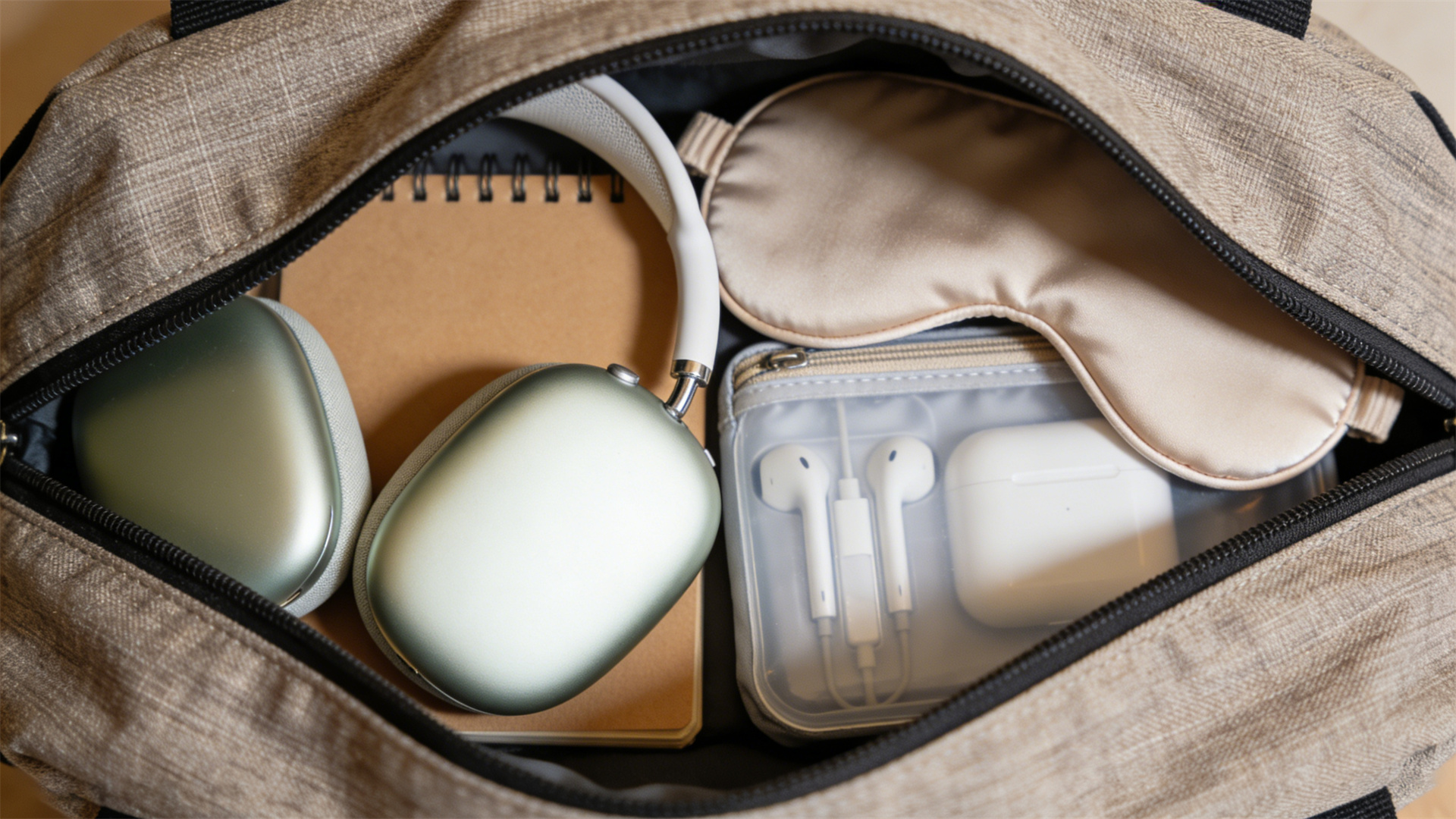
Your carry-on bag is your survival kit, and packing it thoughtfully is the cornerstone of in-flight comfort. Think of it as a personal comfort station. Noise-cancelling headphones are worth their weight in gold, creating an oasis of calm by drowning out engine drone and cabin chatter. A high-quality eye mask that blocks all light is crucial for signaling to your body that it’s time to sleep, regardless of the time zone outside. Bring a large scarf or pashmina that can double as a blanket, pillow, or extra layer. For personal hygiene, pack a mini-kit with a toothbrush and toothpaste, moisturizer, lip balm, facial mist, and hand sanitizer to combat the desert-like cabin air. Don’t forget a reusable water bottle to fill after security; staying hydrated is your primary defense against jet lag and fatigue.
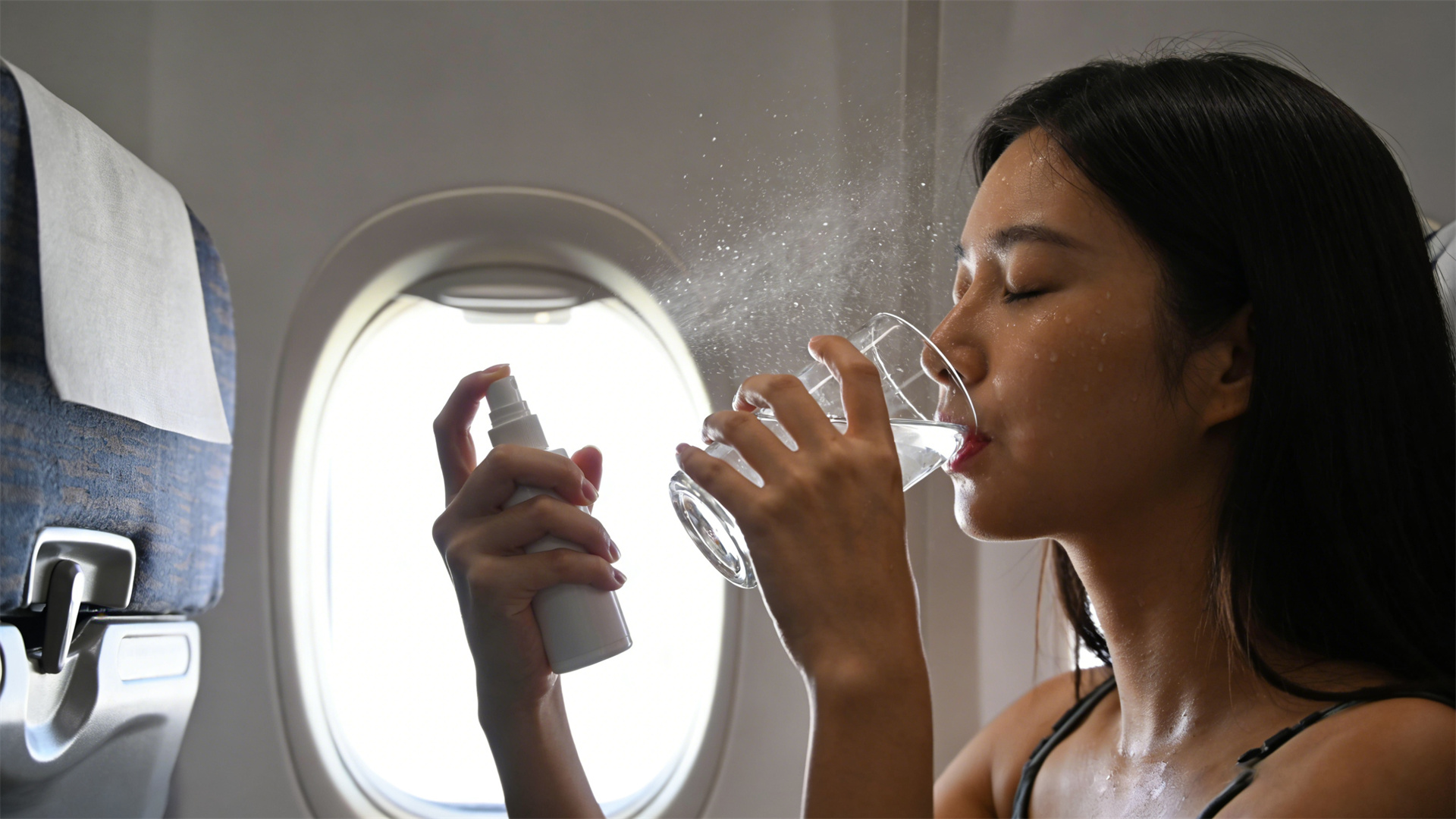
The controlled environment of an aircraft cabin is notoriously dehydrating, with humidity levels often lower than most deserts. Actively fighting this is paramount. Drink water consistently throughout the flight, not just when you feel thirsty. Avoid or strictly limit alcohol and caffeine, as both are diuretics that will dehydrate you further and disrupt sleep patterns. Complement your internal hydration with external care. Regularly apply a rich hand cream and facial moisturizer. A hydrating nasal spray can prevent that uncomfortable dried-out feeling in your sinuses. Using the facial mist periodically feels incredibly refreshing and revives your skin. Your body will thank you upon arrival with more energy and less of that characteristic "flight face" puffiness and dryness.
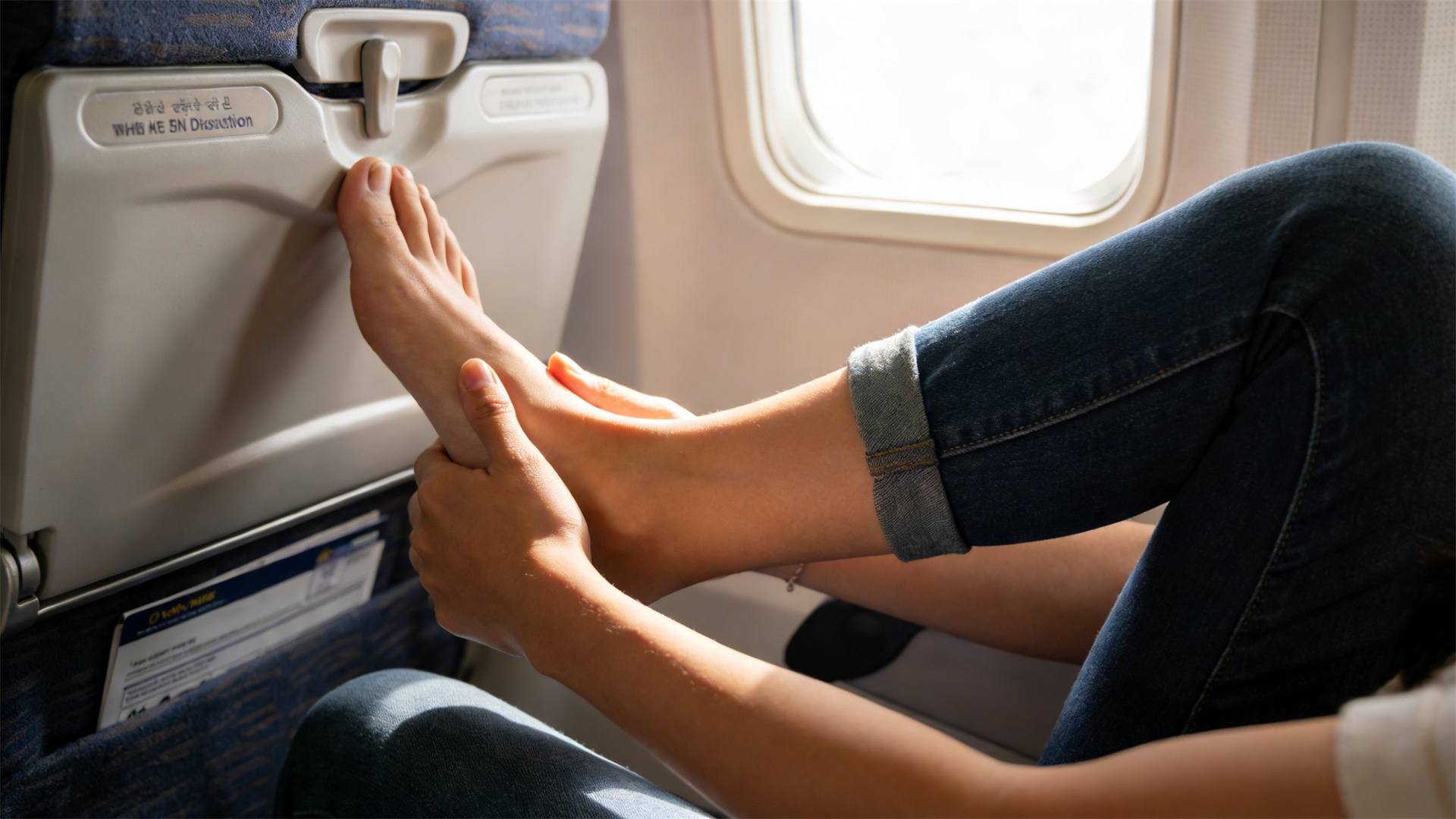
Remaining stationary for the duration of a long-haul flight is terrible for your body. To maintain circulation, prevent stiffness, and lower your DVT risk, you must become an advocate for gentle, consistent movement. Set a quiet reminder to get up and walk the aisle every 90 minutes to two hours. While seated, perform simple, discreet exercises. Ankle circles, heel and toe lifts, and gently pressing your knees together and releasing can all stimulate blood flow. Stretch your arms overhead, gently twist your torso, and roll your shoulders to combat upper-body tension. Many airlines provide exercise guides in their in-flight magazines; don’t be shy to follow them. This isn’t about a workout; it’s about basic maintenance for your body during an unnatural period of inactivity.
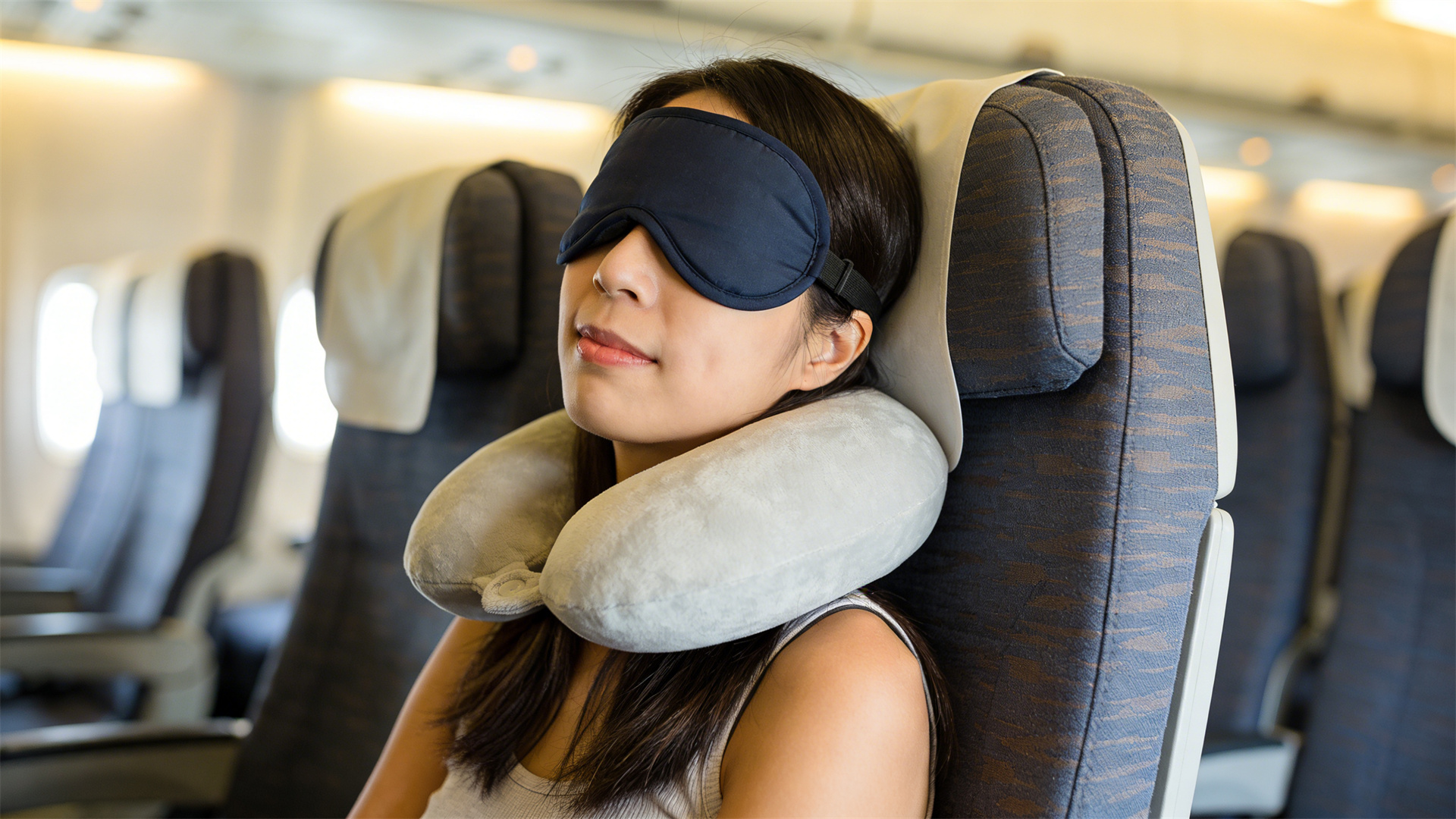
Sleep is the holy grail of long-haul travel, helping you pass time and combat jet lag. To encourage it, you must engineer the right conditions. Use your eye mask and noise-cancelling headphones to create a sensory-deprivation chamber. Neck pillows come in various designs—inflatable, memory foam, wrap-around—find one that works for your sleeping style. If you struggle to sleep upright, consider a foot hammock that attaches to your tray table to elevate your legs and change your posture. Time your sleep, if possible, to align with the destination’s time zone. For some, a mild sleep aid like melatonin can help reset the internal clock, but consult a doctor before using anything new. Remember, even a few hours of quality rest is more valuable than eight hours of fitful dozing.
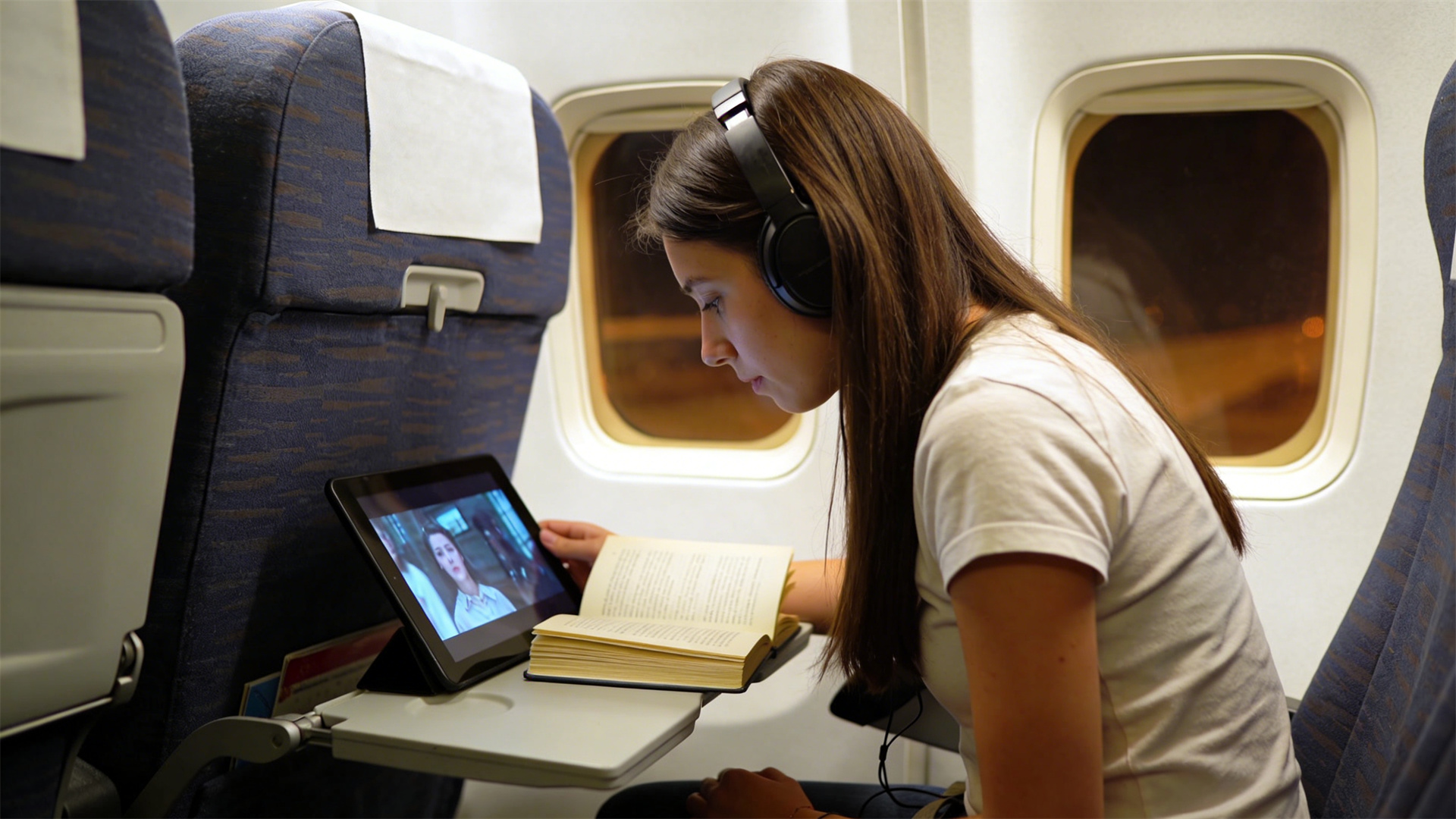
Your interaction with the in-flight environment can significantly impact your comfort. The seat-back screen is a treasure trove of entertainment, but staring at it for hours can strain your eyes and mind. Curate a mix of activities. Download movies, podcasts, audiobooks, and music to your personal device as a backup. Bring a physical book or an e-reader without a backlit screen for a relaxing alternative. A notebook for journaling or simple puzzles can be a great mental diversion. When you feel restless, take a slow walk to the galley area (when safe to do so) just to break the visual monotony. Managing your engagement with the limited environment is key to mental well-being on a long flight.
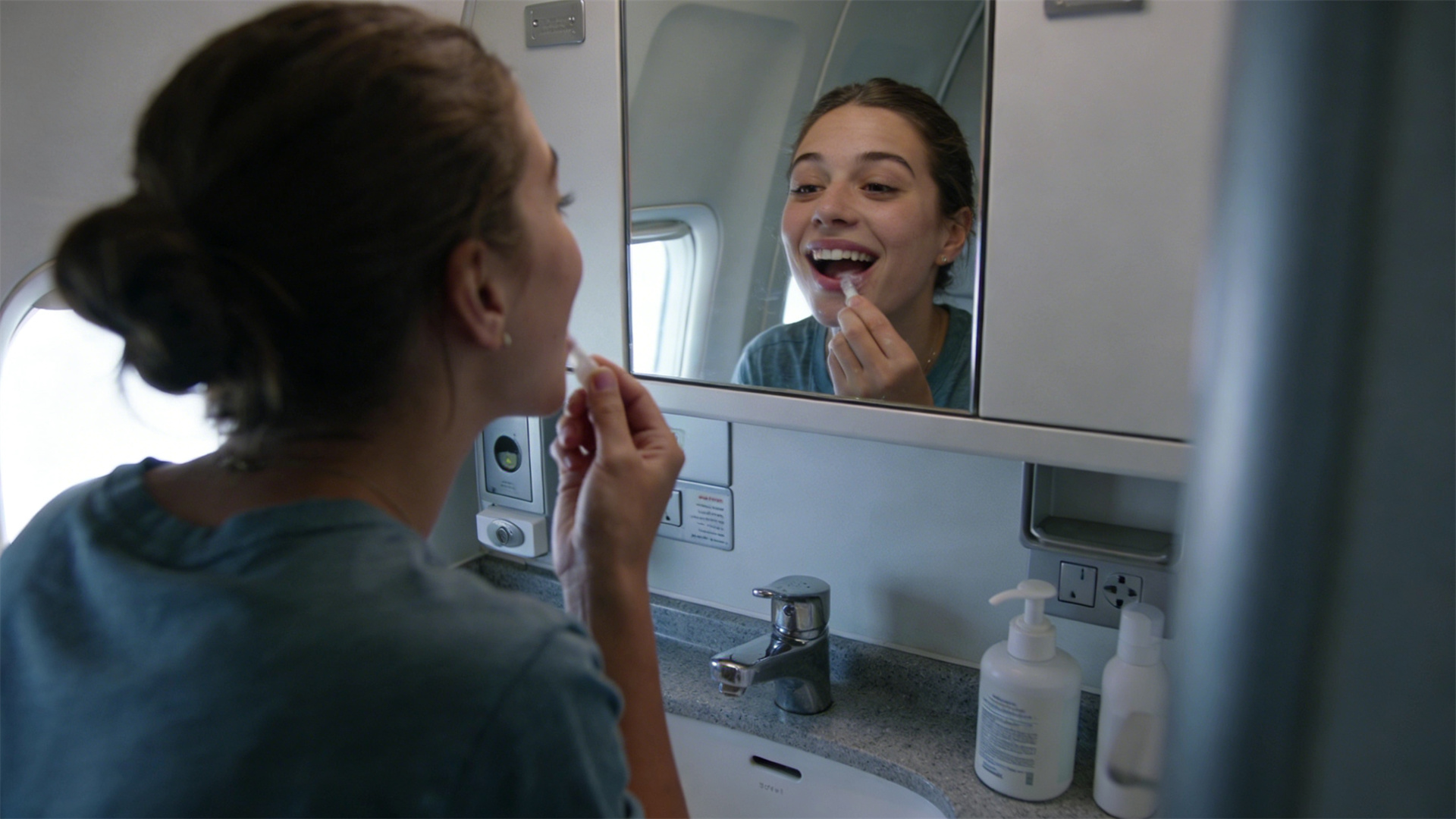
The journey isn't over when the wheels touch down. Your post-flight routine can solidify your comfort victory. As the plane begins its descent, make a final trip to the lavatory to freshen up. Brush your teeth, wash your face, apply a fresh layer of moisturizer, and change into a clean shirt if you have one packed in your carry-on. This simple ritual has a profound psychological effect, making you feel renewed and ready to tackle immigration, baggage claim, and your first steps in a new time zone. Stay hydrated until you reach your final accommodation, and if you arrive during the day, try to get some natural sunlight to help regulate your circadian rhythm.

Mastering the long-haul economy flight is an exercise in personal care and logistical planning. It’s about acknowledging the realities of the environment and proactively crafting your own bubble of comfort within it. There is no single magic solution, but rather a combination of smart gear, mindful habits, and a proactive attitude. By taking control of your seat, your clothing, your hydration, and your movement, you reclaim the experience from one of passive endurance to active management. The goal isn’t to replicate first-class luxury, but to arrive at your destination feeling rested, hydrated, and ready to immerse yourself in the wonders that awaited you at the other end of that long, but now conquered, journey through the sky.