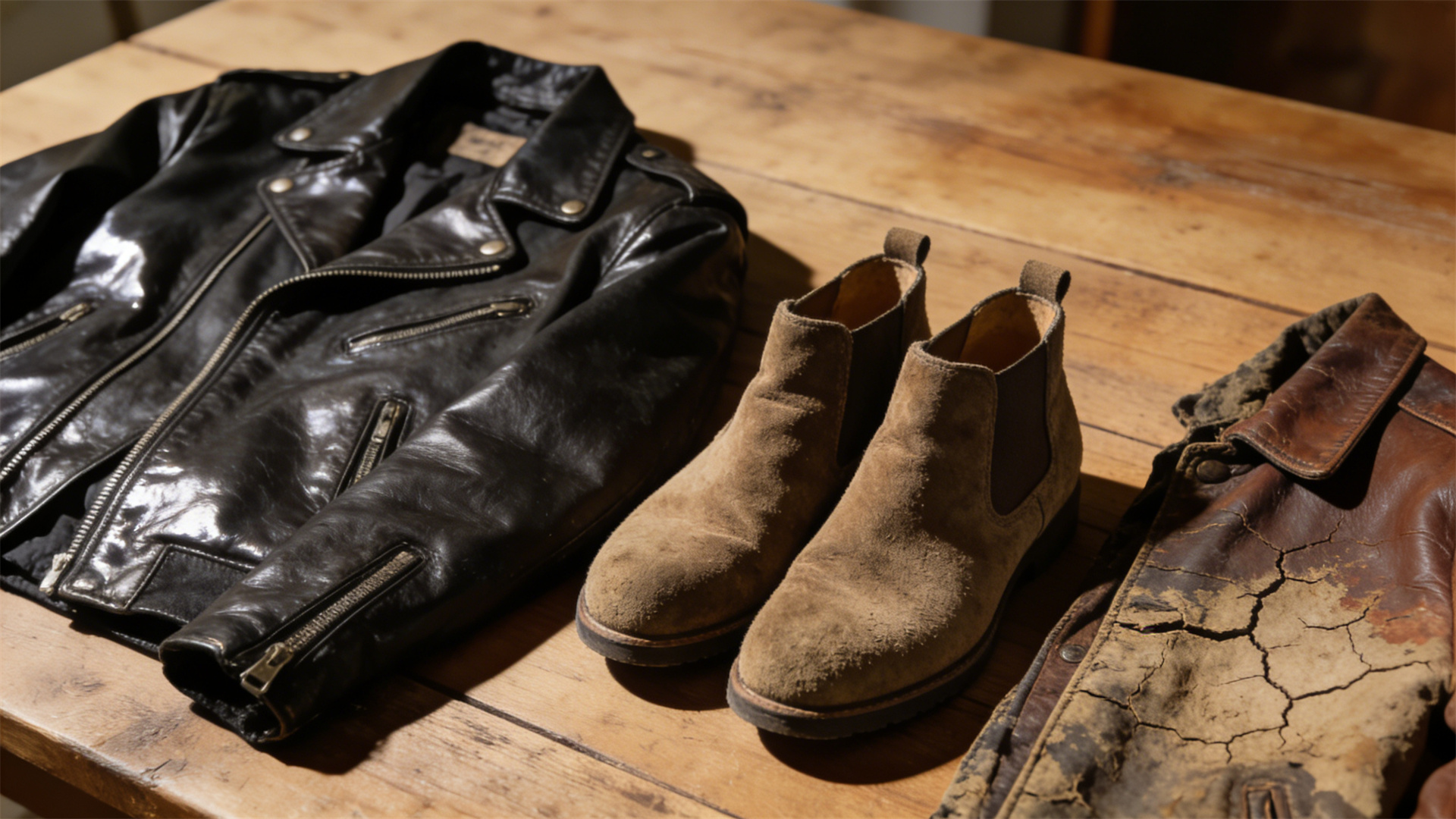
Leather and suede are timeless materials, imbuing boots, jackets, handbags, and furniture with a unique character that improves with age. However, this luxury and durability come with a responsibility for proper care. Unlike synthetic materials, leather is a natural, porous hide, and suede is its napped, velvety counterpart. Both are susceptible to drying, cracking, staining, and water damage if neglected. Mastering the triad of cleaning, conditioning, and waterproofing isn't just about maintaining appearances; it's about preserving the material's integrity and extending the life of your prized possessions for decades. This guide moves beyond generic advice to deliver a focused survival manual for your leather and suede items.
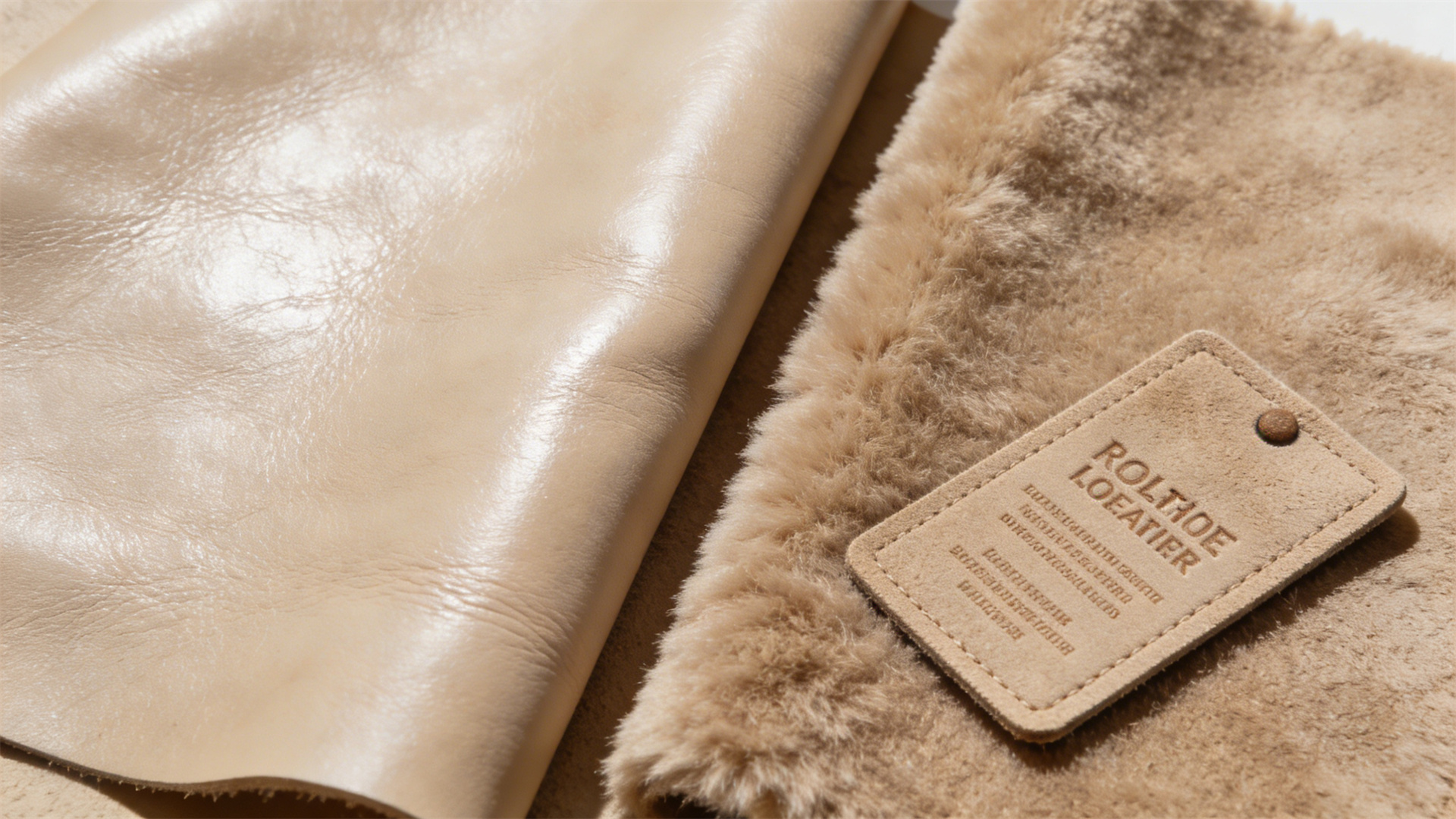
Understanding the fundamental nature of your material is the critical first step before any product touches its surface. Leather is animal hide that has been tanned. Full-grain and top-grain leathers have a smooth, protective finish on top. Suede, however, is created from the inner split of the hide and is buffed to create its soft nap. This key difference dictates everything that follows. The smooth surface of finished leather can handle certain creams and conditioners that would permanently stain and matte suede. Conversely, suede requires specialized brushes and erasers designed to work with its delicate texture. Always check the manufacturer's tag first, but if in doubt, test any product in a small, inconspicuous area. Misidentifying your material is the most common and costly mistake in leather care.
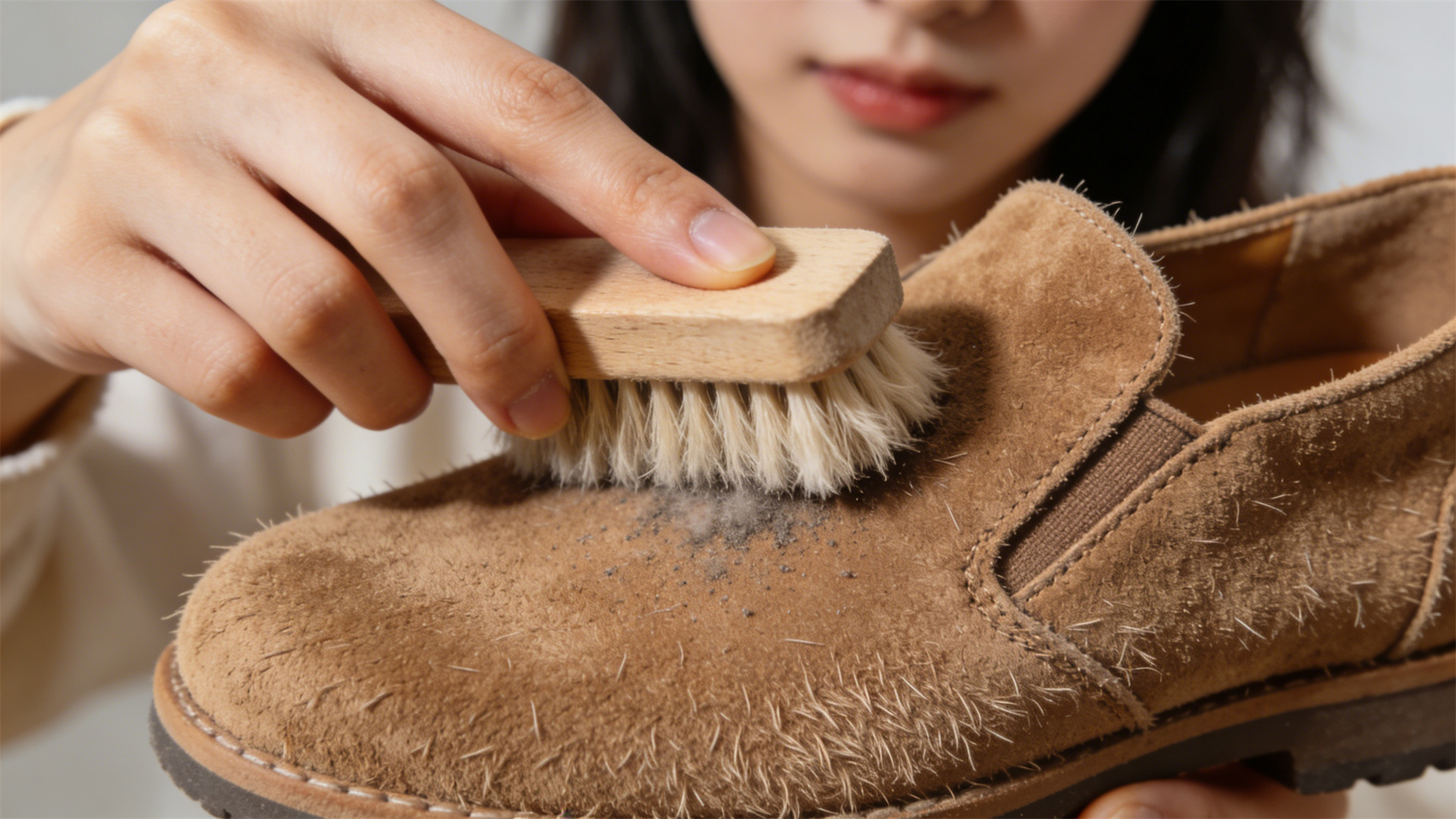
Regular, gentle cleaning is the cornerstone of preservation. For finished leather, this means removing surface dust and dirt with a soft, dry microfiber cloth after each use. For weekly or monthly deeper cleaning, use a cleaner specifically formulated for leather. Apply a small amount to a clean cloth, never directly onto the leather, and work in gentle, circular motions. Wipe away any residue with a separate damp cloth and let it air dry completely away from heat sources. Suede demands a drier approach. Use a suede brush with brass or nylon bristles to brush the nap in one direction to lift dirt and restore the texture. For scuffs or light stains, a suede eraser (a special gum-like block) can be gently rubbed on the affected area before brushing again. The goal is to remove contaminants before they become ingrained and break down the material's fibers.
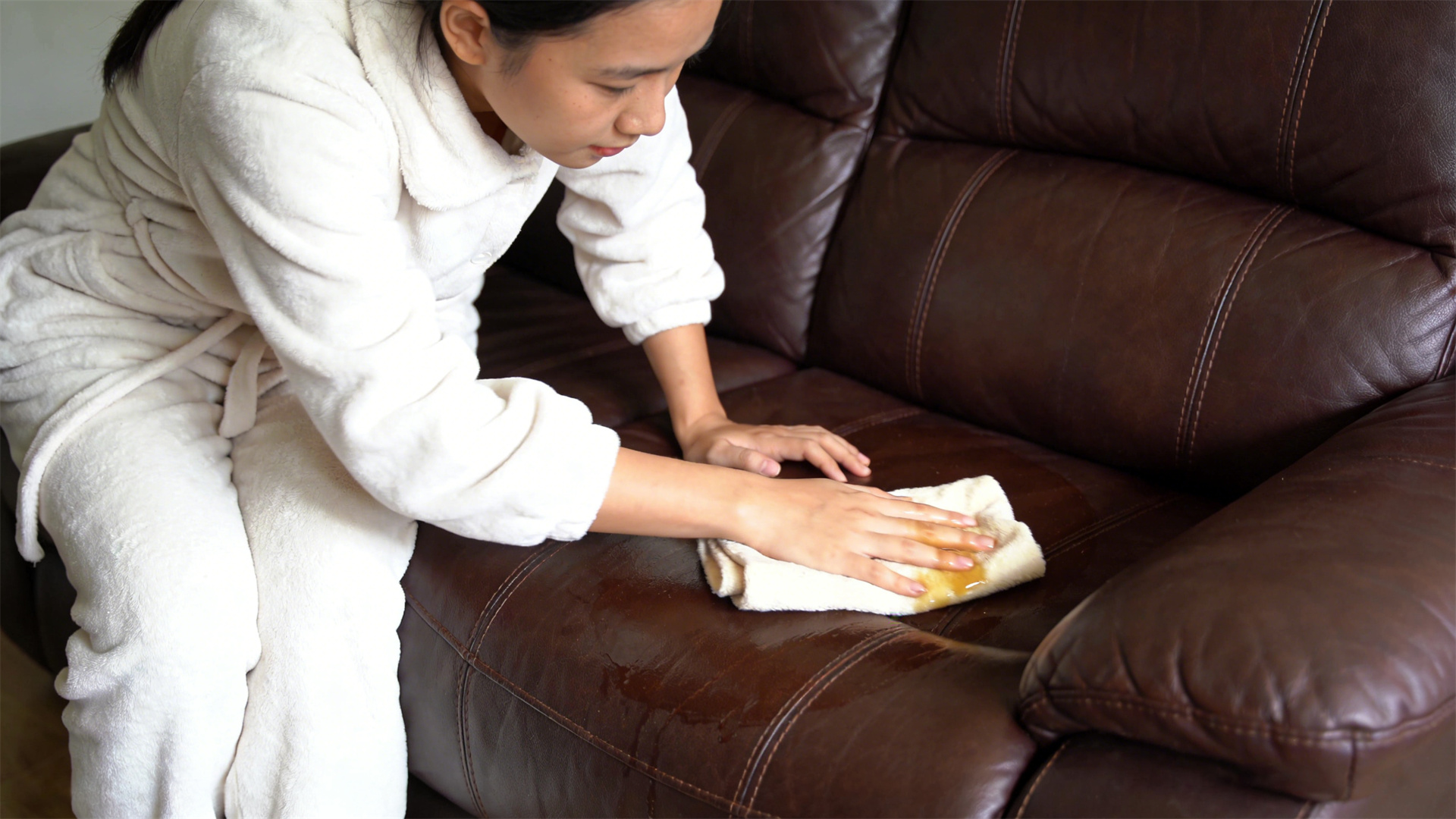
Despite the best cleaning, leather loses its natural oils over time due to exposure to sun, air, and use. This leads to dryness, stiffness, and ultimately, cracks. Conditioning is the process of replenishing these oils. It is essential for all smooth leathers but is never used on suede. After a thorough cleaning and once the leather is fully dry, apply a small amount of a quality leather conditioner or cream to a soft cloth. Work it into the leather using circular motions, focusing on dry or high-flex areas like creases and seams. Allow the conditioner to absorb fully, often for several hours or overnight, then buff lightly with a clean cloth. The leather should look nourished, not greasy. The frequency depends on use and climate; items in dry environments or used frequently may need conditioning every 3-6 months, while others might only need it once a year.
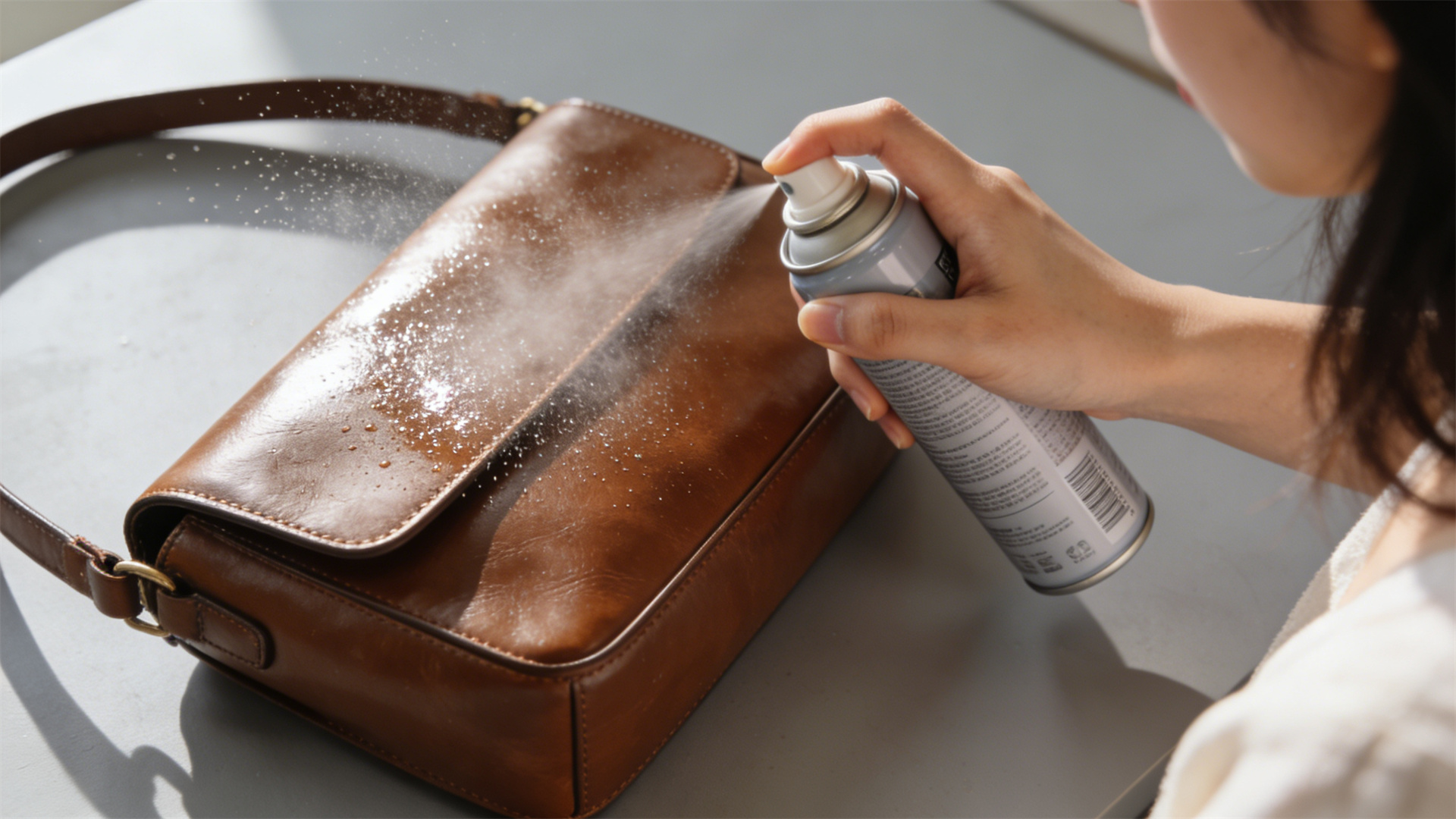
Water is one of the greatest threats to both leather and suede. On leather, water can cause permanent stains, rings, and can wash out natural oils. On suede, water typically leaves a dark spot and can flatten the nap irreversibly. Waterproofing creates a protective barrier. For smooth leather, use a spray or cream waterproofing product designed for it. Ensure the leather is clean and dry, apply the protector evenly in a well-ventilated area, and let it dry completely. For suede and nubuck, you must use a waterproofing spray specifically labeled for these delicate materials. These sprays are usually silicone-based and allow the material to breathe while causing water to bead up on the surface. Hold the can at a distance and apply two or three light, even coats, letting it dry between applications. It is crucial to reapply waterproofing treatments periodically, especially after cleaning or heavy exposure to the elements.
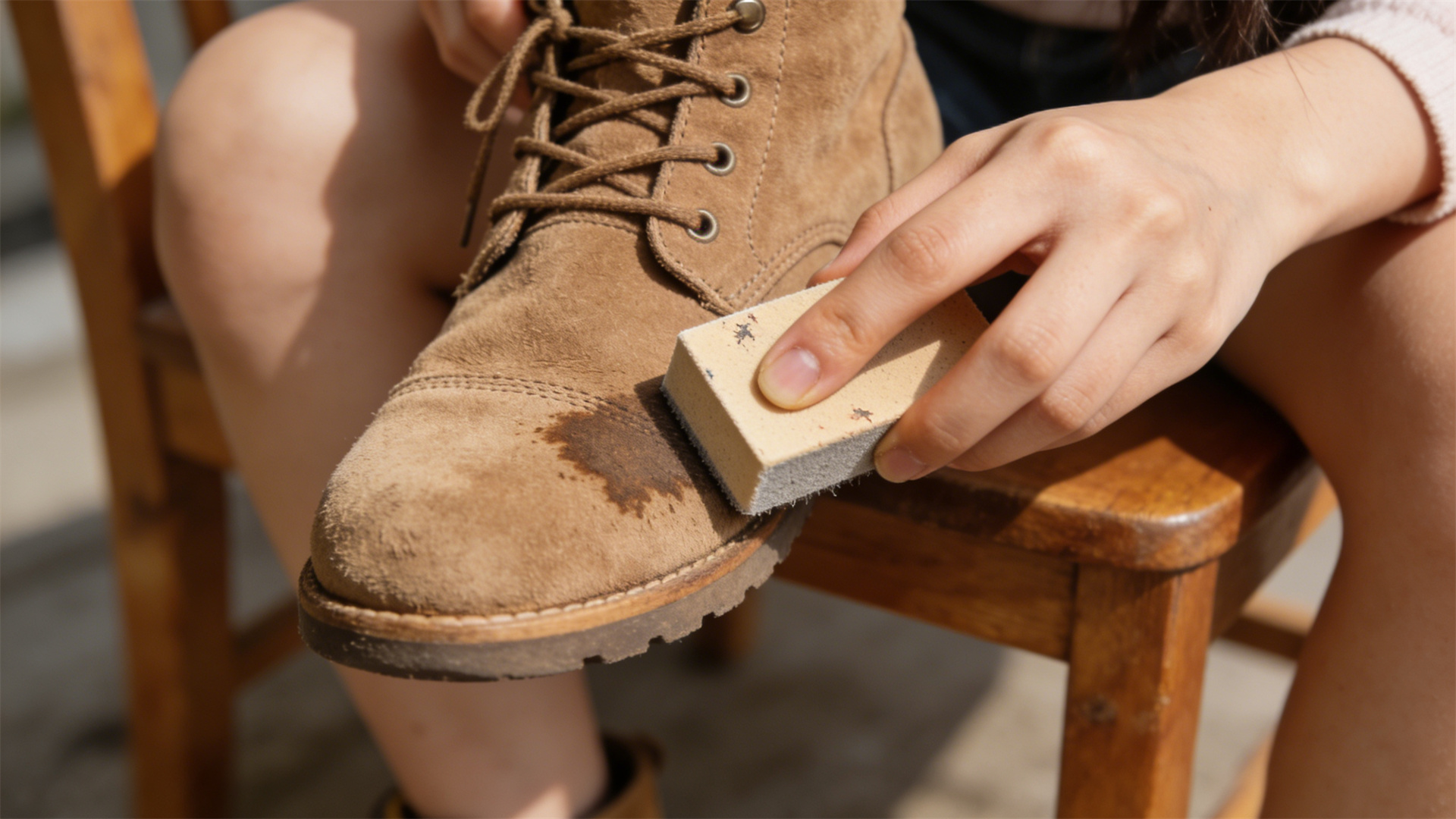
Accidents happen, so targeted stain treatment is a vital skill. For finished leather, always blot liquid spills immediately—never rub—with an absorbent cloth. For oil-based stains, a dedicated leather degreaser may be necessary. Salt stains from winter weather should be neutralized with a solution of equal parts white vinegar and water, dabbed on, then wiped clean with a damp water cloth. Suede stain removal requires more finesse. For water spots, often simply letting the item dry completely and then vigorously brushing the area can resurrect the nap. For grease stains, a specialized suede stain remover or a small amount of cornstarch or baking soda left to absorb the oil overnight before brushing can work. Patience and gentle techniques are paramount; aggressive rubbing will only worsen the situation.
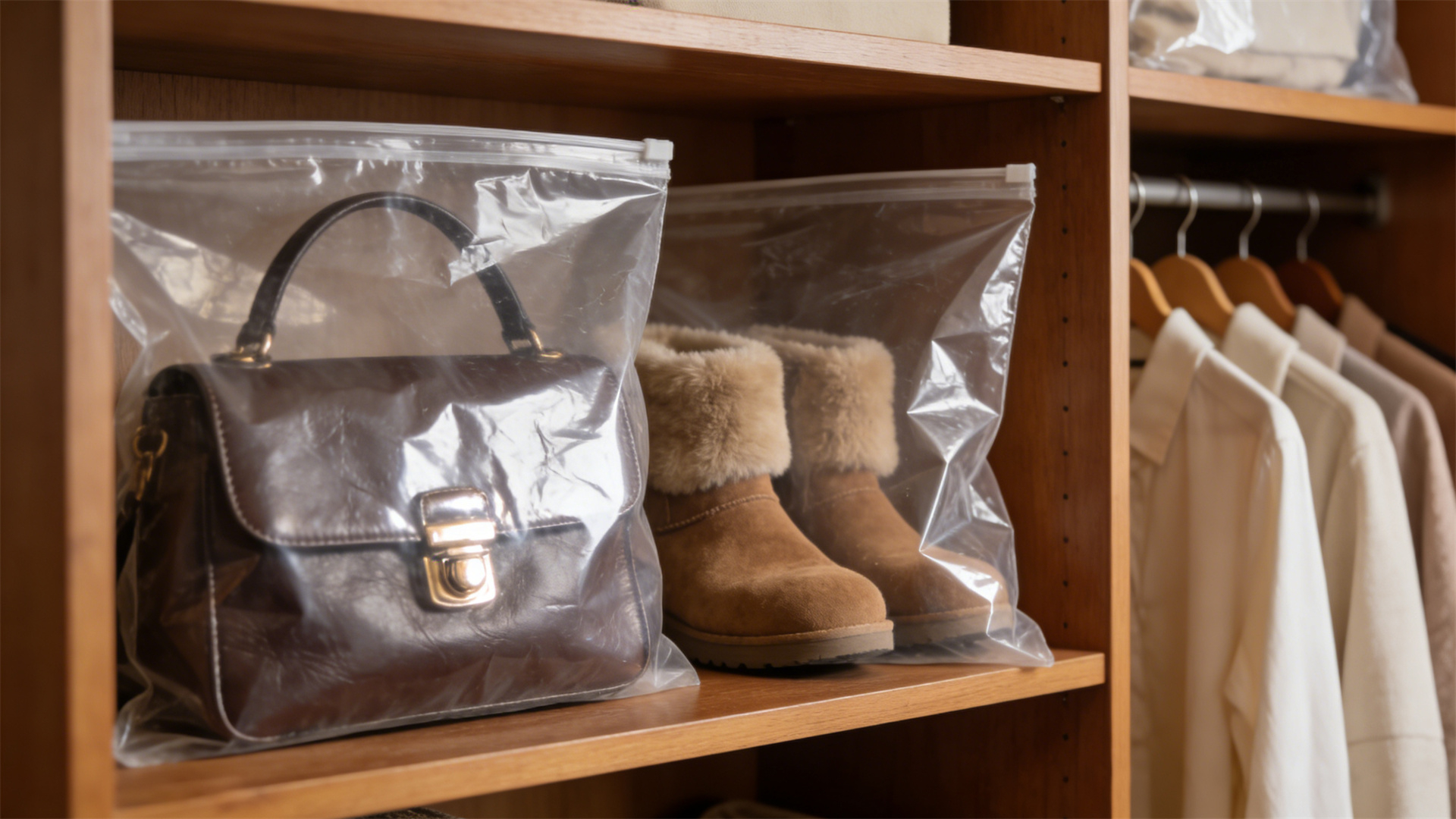
Long-term survival hinges on proper storage and ongoing maintenance. Never store leather or suede in plastic bags, as this traps moisture and leads to mildew. Instead, use breathable fabric bags or pillowcases. Stuff bags and shoes with acid-free tissue paper to help them retain their shape. Keep them in a cool, dry place away from direct sunlight or heat vents, which cause fading and drying. For suede, regular brushing with a proper suede brush after every few wears will keep the nap lifted and prevent dirt from settling in. For leather, a quick wipe with a dry cloth and an annual conditioning session, even for items in storage, will keep the hide supple and prevent it from drying out and cracking.
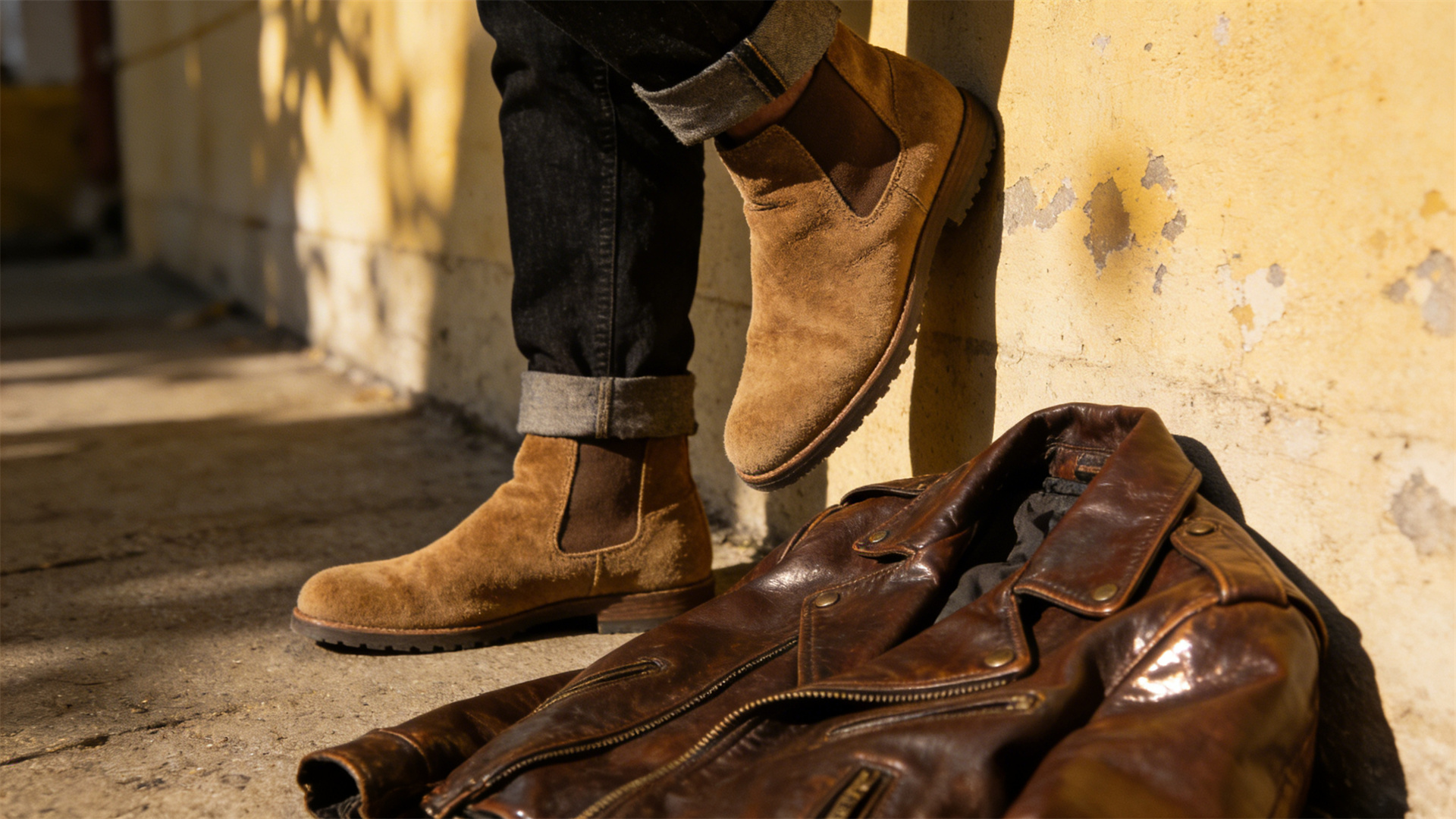
The art of caring for leather and suede is one of proactive prevention rather than reactive repair. By integrating a consistent routine of gentle cleaning, timely conditioning with the right products, and periodic waterproofing, you actively defend these materials against their common enemies. This dedicated care does more than just solve problems; it enhances the material's natural beauty, allowing it to develop a rich, personal patina that tells the story of its use. Your leather jacket or suede boots become more than just items; they transform into enduring companions, growing more comfortable and characterful with each passing year, thanks to the knowledge and effort invested in their survival.