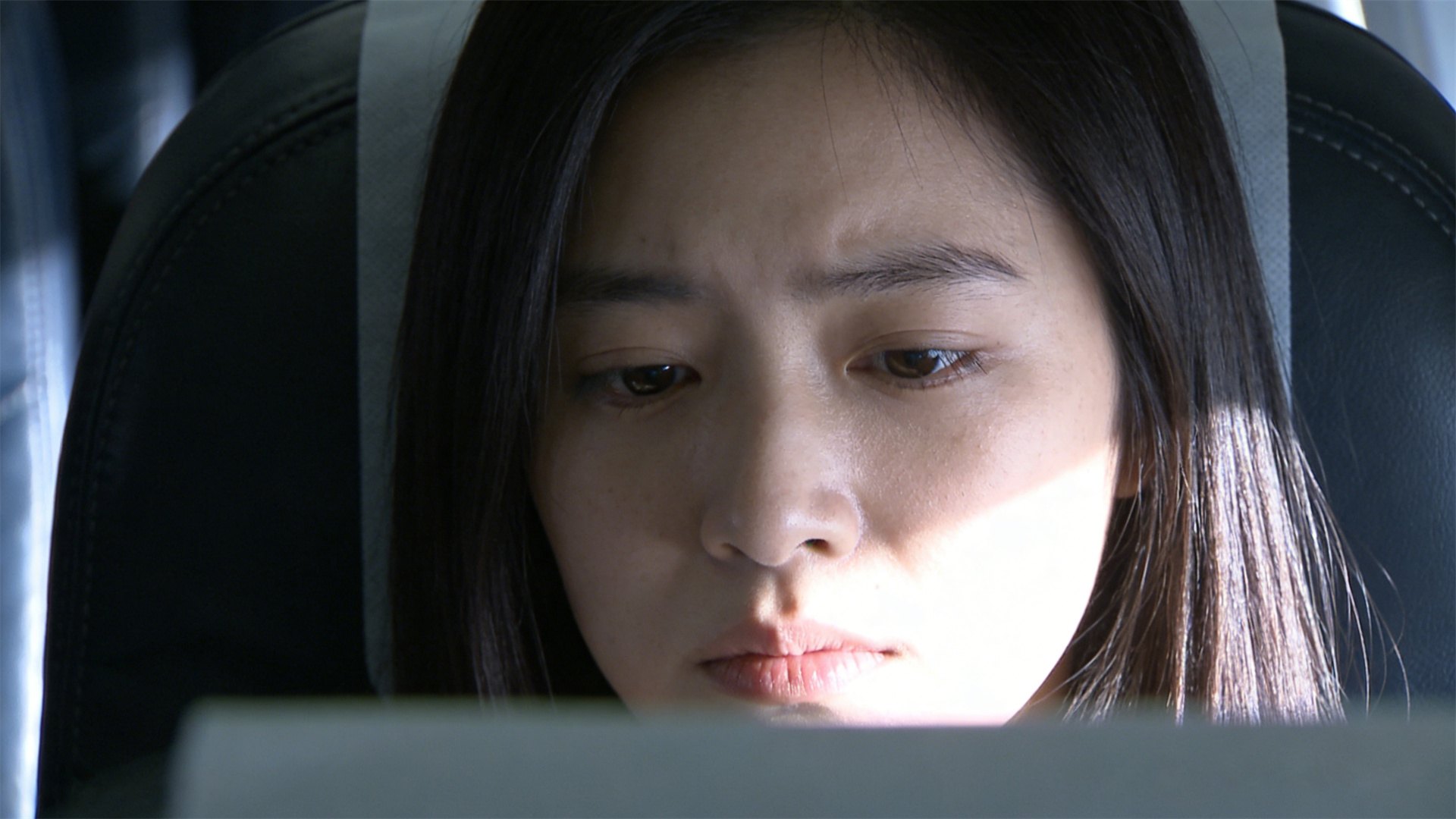
Crossing multiple time zones is a marvel of modern travel, yet it often comes with a stubborn and unwelcome companion: jet lag. This physiological condition, formally known as desynchronosis, occurs when your internal body clock (circadian rhythm) falls out of sync with the external light-dark cycle of your destination. The result can be a miserable mix of daytime fatigue, nighttime insomnia, digestive troubles, brain fog, and general malaise. While completely avoiding jet lag on long-haul trips may be impossible, you are far from powerless. With a strategic, proactive approach that starts before you board the plane, you can significantly minimize its severity and duration, resetting your body clock efficiently to reclaim your trip.
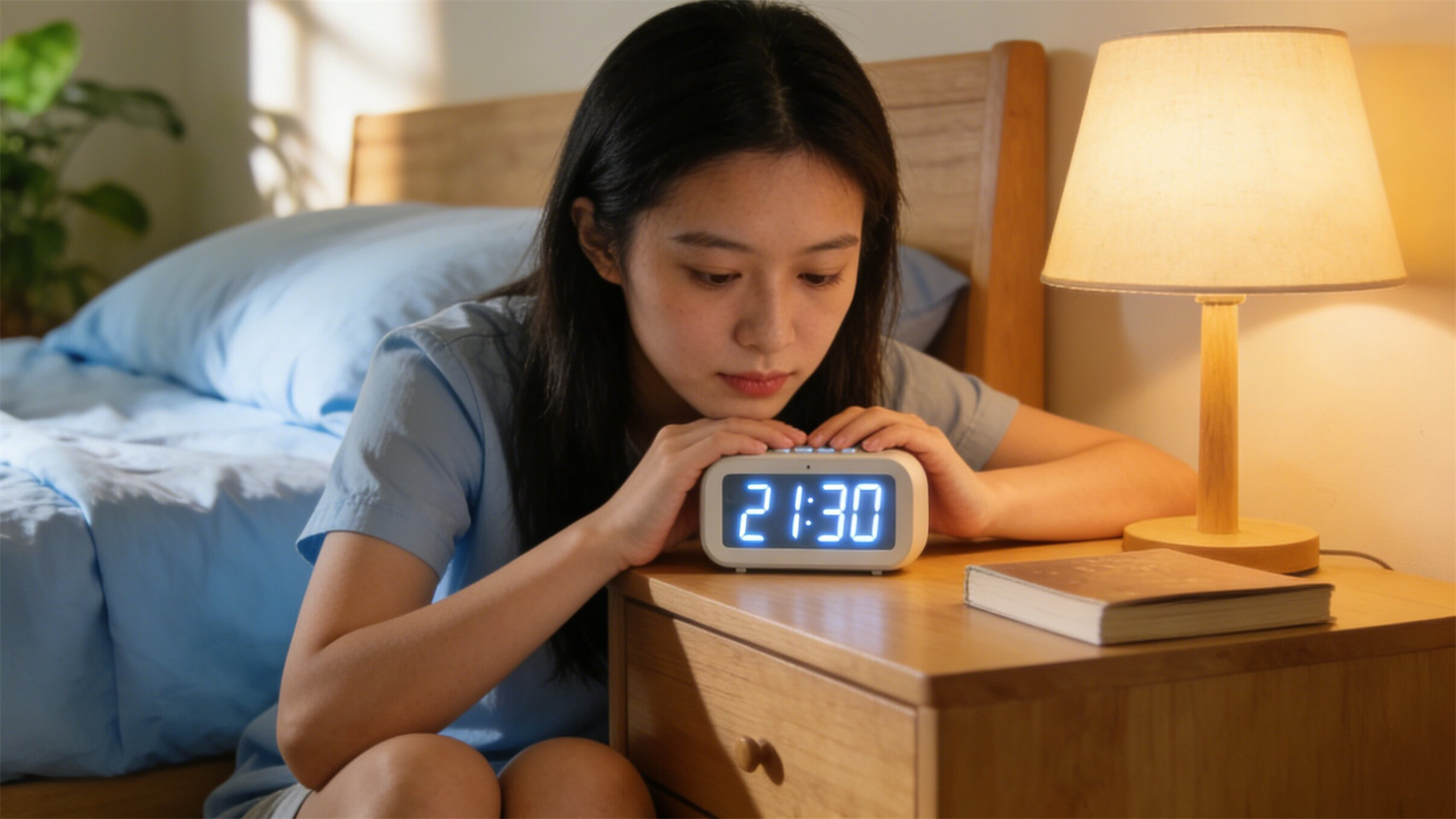
The foundation of any effective jet lag strategy is laid days, not hours, before your journey begins. A gradual shift in your schedule can prime your body for the change to come. If you are traveling east, which is typically more challenging as it requires advancing your clock (sleeping and waking earlier), start going to bed and waking up 15-30 minutes earlier each day for the three to four days prior to departure. Conversely, for westbound travel, which involves delaying your rhythm, push your bedtime and wake-up time slightly later in the days leading up to your flight. This pre-travel adjustment, however slight, lessens the shock to your system upon arrival. Simultaneously, prioritize excellent sleep hygiene in the week before your trip. Being well-rested provides a crucial buffer; starting a journey already sleep-deprived guarantees worse jet lag.

Your single most powerful tool for resetting your body clock is light exposure. Light is the primary cue that tells your brain’s master clock, the suprachiasmatic nucleus, whether it should be in "day" or "night" mode. By strategically seeking and avoiding light at specific times, you can forcefully nudge your circadian rhythm in the desired direction. The general rule is simple: to shift your clock earlier (for eastward travel), seek bright light in the morning and avoid it in the evening at your destination. To shift your clock later (for westward travel), seek bright light in the late afternoon and evening and avoid morning light. For precise timing, use online jet lag calculators that provide a personalized light exposure schedule based on your flight details. Upon arrival, spend time outdoors in natural daylight. If natural light isn't available or strong enough (e.g., winter travel), consider using a portable light therapy device.

Closely tied to light management is the timing of sleep and activity. While it’s tempting to nap immediately upon arrival if you’re exhausted, this can trap you in your old time zone. If you arrive during the daytime, no matter how tired you feel, fight the urge to sleep. Instead, engage in light physical activity like a walk outside. This combats fatigue, reinforces the new daytime cues, and helps with light exposure. If you must nap, keep it extremely short—under 20 minutes—and do it before 3 PM local time. Your first night’s sleep in the new time zone is critical. Stay awake until a reasonable local bedtime, even if that feels hours early or late by your internal clock. To ensure quality sleep, create an optimal environment: use blackout curtains or a sleep mask to block out light, earplugs or a white noise machine to dampen sound, and set the room to a cool temperature.

What you consume, and when, plays a surprisingly significant role in circadian adjustment. Dehydration from the dry cabin air exacerbates jet lag symptoms, so drink plenty of water before, during, and after your flight, limiting diuretics like alcohol and caffeine. In fact, it’s best to avoid alcohol altogether during the flight and for the first day or two at your destination, as it severely fragments sleep and dehydrates you. Some evidence supports a "fasting and feasting" strategy: fasting during the flight (or eating very lightly) can put your body’s peripheral clocks in a state of readiness, and then breaking your fast with a substantial meal at a normal local breakfast or dinner time can help synchronize them to the new schedule. Once at your destination, try to align your meal times with local customs as quickly as possible, even if you’re not very hungry, to provide consistent metabolic cues.

For many travelers, melatonin, a hormone naturally produced by the body in response to darkness, can be a helpful supplement. Taken correctly, it can signal to your brain that it is time to sleep, helping to advance or delay your sleep phase. For eastward travel, taking a small dose (0.5mg to 3mg) about 30-60 minutes before your *target* bedtime at your destination can help you fall asleep earlier. For westward travel, it is generally less critical but can be used upon waking in the early morning to help shift the clock later. It is crucial to consult with a healthcare provider before using melatonin, especially if you have health conditions or take other medications. Its effectiveness and regulation vary globally. Other supportive practices include staying moderately hydrated with electrolytes upon arrival, engaging in gentle exercise like stretching or yoga to relieve travel stiffness, and using relaxation techniques such as deep breathing or meditation to manage travel stress, which can compound jet lag.

While most jet lag resolves within a few days, certain trips—like multi-stop journeys or crossing more than eight time zones—pose a greater challenge. For these, a more meticulous, multi-day reset plan is essential. This involves strictly adhering to light exposure schedules, maintaining consistent sleep-wake times even on weekends at your destination, and perhaps even planning a quieter first 48 hours to allow for adjustment. For frequent flyers and crew, lifestyle habits become paramount. Consistency in sleep, diet, and exercise when home, along with mastering the art of strategic napping (such as the "NASA nap" of 26 minutes), can build resilience. It’s also wise to schedule important meetings or activities later in your first day, allowing your cognitive functions time to catch up.

Jet lag is an inevitable biological reality, but it no longer needs to dictate the terms of your travels. By understanding the principles of your circadian rhythm and actively manipulating its key influencers—light, sleep, and food—you transition from a passive sufferer to an active manager of your own well-being. Start your adjustments before departure, wield light as your primary tool, time your sleep and meals strategically, and consider supportive aids like melatonin with professional advice. Remember that consistency in the first few days at your destination is what truly locks in the new rhythm. With this comprehensive survival guide in hand, you can step off the plane with a plan, drastically reducing the shadow jet lag casts over your adventures and resetting your body clock to start making the most of every moment, in every new time zone.