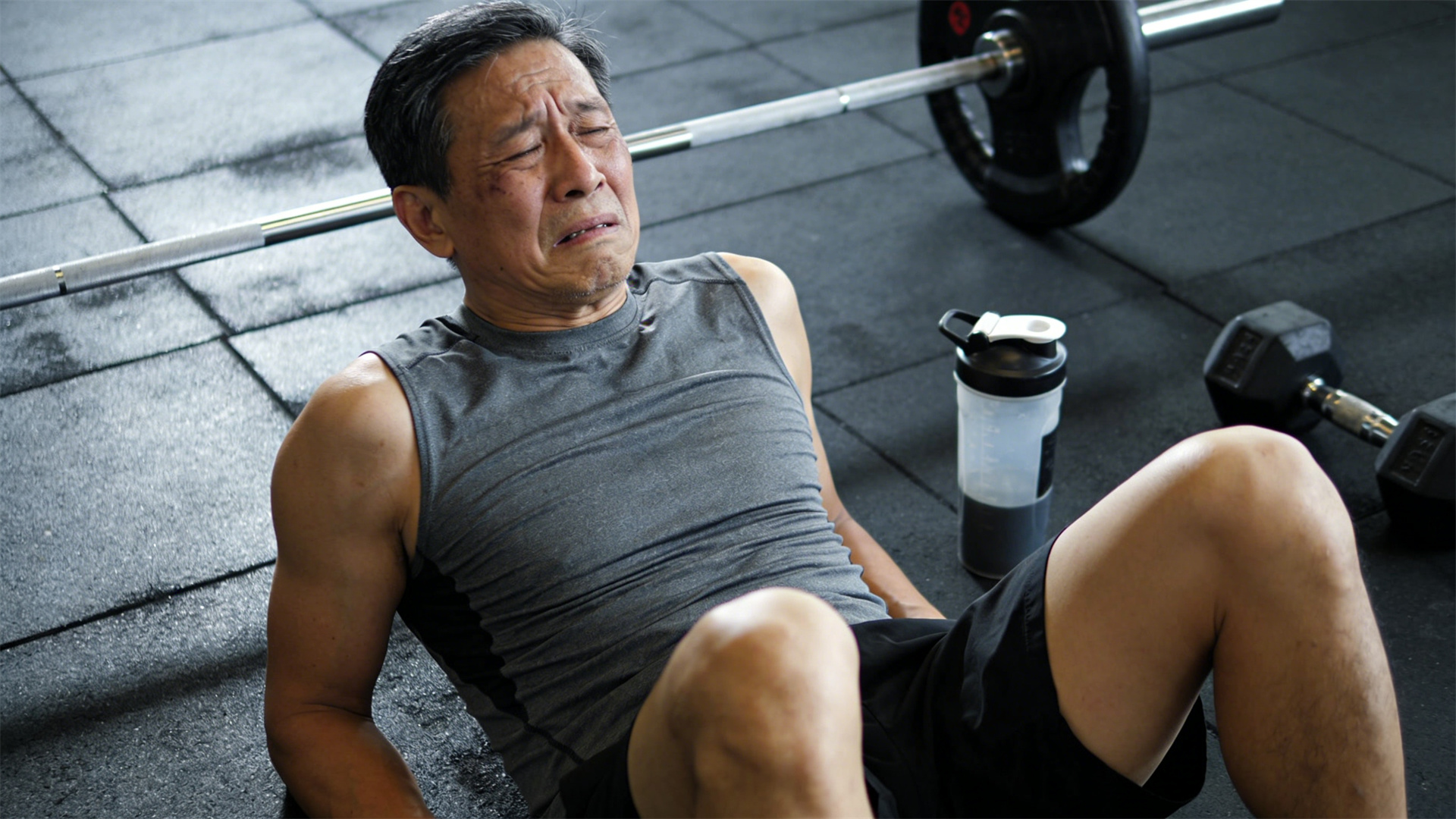
For decades, exercise has been heralded as a cornerstone of youthfulness and longevity. We hit the gym to build strength, boost cardiovascular health, and sculpt a physique that defies our chronological age. The message is clear: movement is medicine. But what if, under certain conditions, the very activity meant to preserve our vitality could inadvertently accelerate the aging process? This unsettling question moves beyond the normal wear and tear of joints and explores a cellular and systemic level where excessive or improperly managed physical stress can trigger biological mechanisms associated with accelerated aging. The key lies not in the act of exercise itself, but in the delicate balance between stress and recovery, intensity and sustainability.
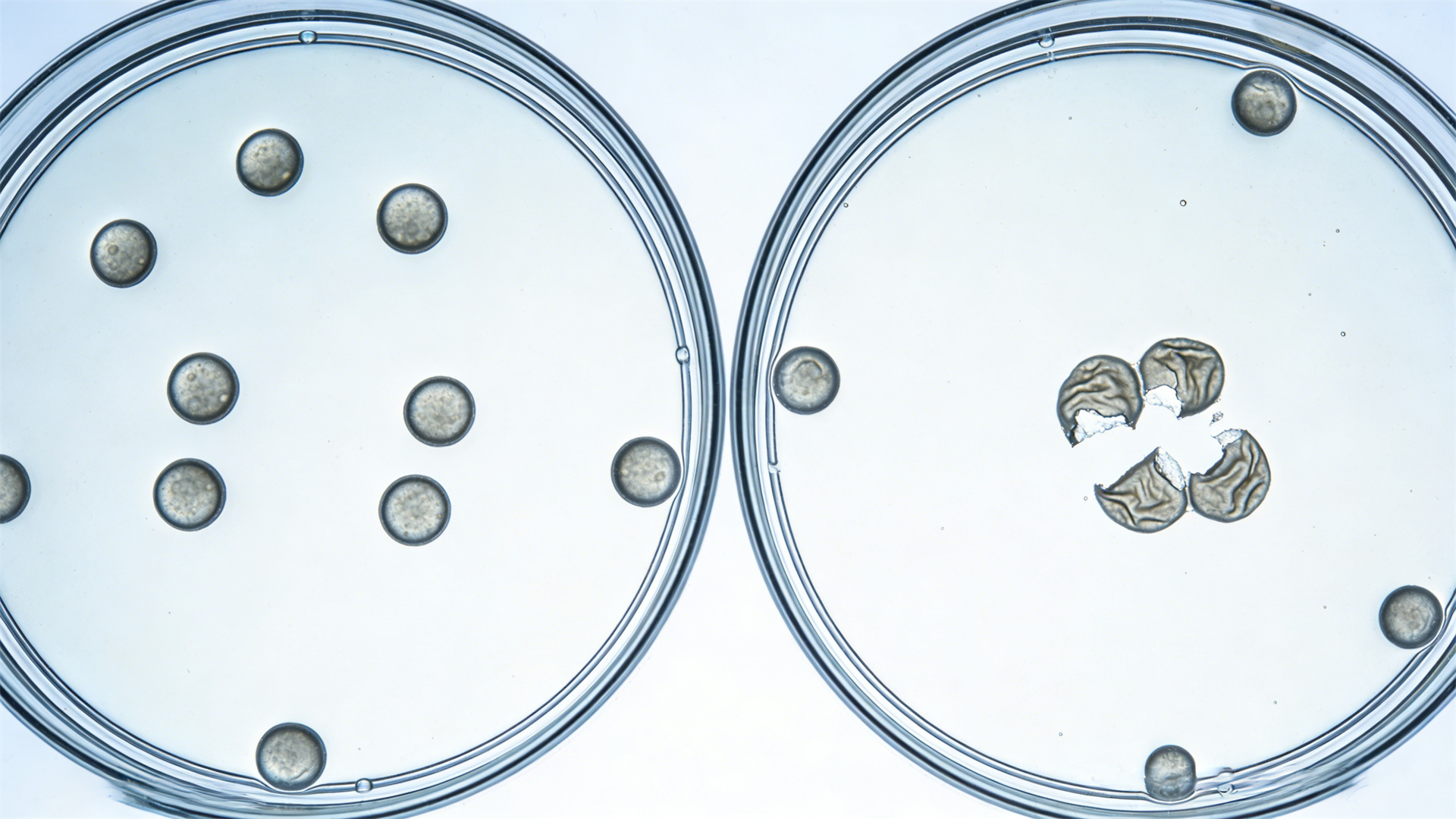
The central concept here is hormesis—the biological principle where a low dose of a stressor is beneficial, while a high dose is harmful. Exercise is a quintessential hormetic stressor. When you work out, you create controlled damage: muscle fibers develop micro-tears, your body experiences oxidative stress, and inflammation temporarily increases. Your body's adaptive response to this damage is what makes you stronger, faster, and more resilient. It upregulates antioxidant defenses, repairs tissues to be more robust, and improves metabolic efficiency. This adaptive cycle is the foundation of fitness and healthspan. However, when the stress from exercise becomes too frequent, too intense, or is compounded by other life stressors without adequate recovery, the balance tips. The beneficial, adaptive signal turns into a chronic, damaging assault.
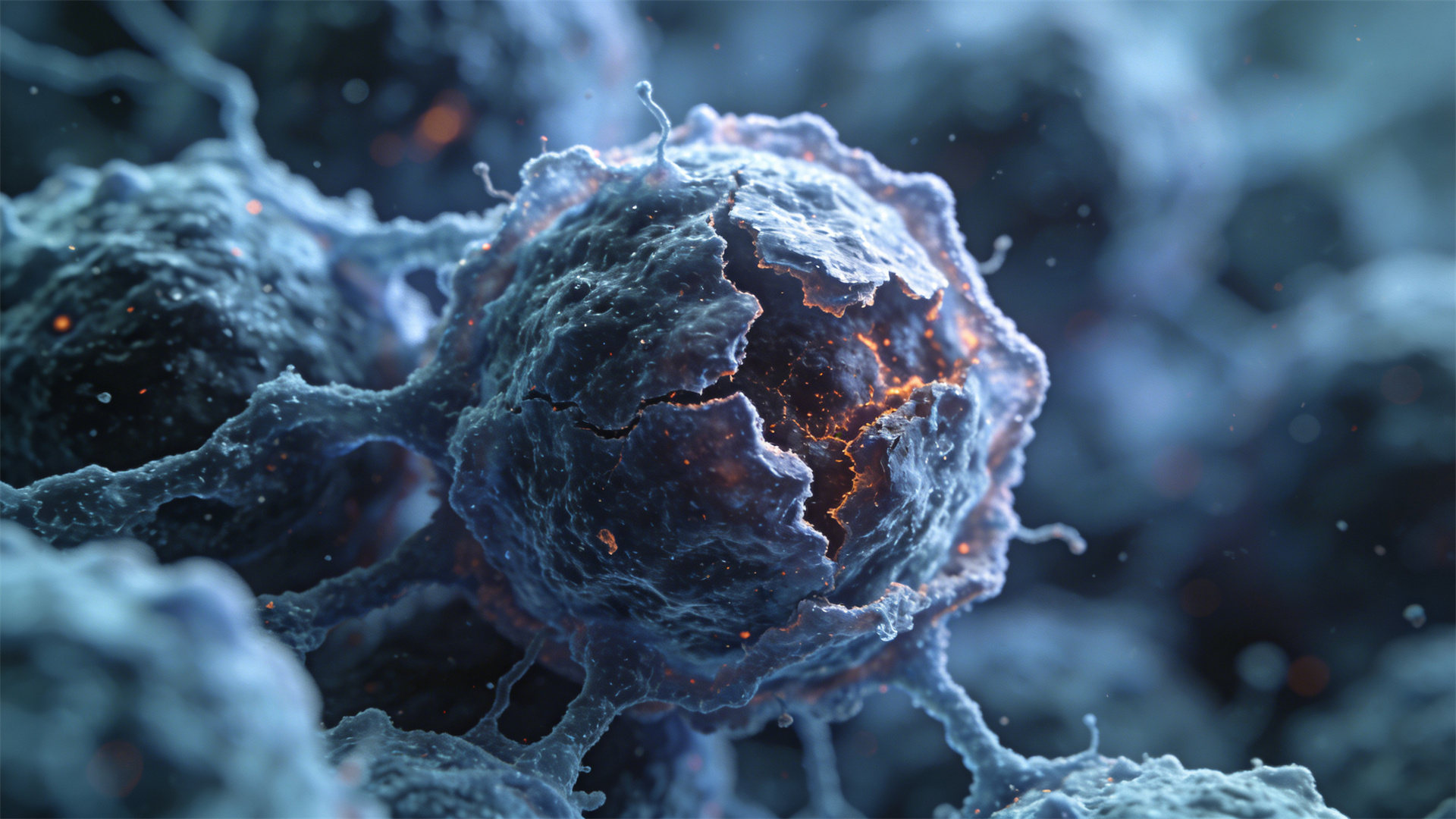
One of the most direct pathways through which chronic exercise overload may accelerate aging is via the excessive production of free radicals and prolonged systemic inflammation. While acute, exercise-induced oxidative stress is a necessary signal for adaptation, a state of persistent oxidative overload can damage cellular components, including DNA, proteins, and lipids. This molecular damage accumulates over time and is a primary driver of cellular aging. Simultaneously, when high-intensity or high-volume training is constant, the body can become stuck in a state of low-grade chronic inflammation. This isn't the acute, localized inflammation of muscle repair, but a body-wide, simmering fire. Chronic inflammation is intimately linked to nearly every age-related disease, from cardiovascular issues to neurodegeneration, and can degrade tissues and impair systemic function, mirroring and speeding up age-related decline.
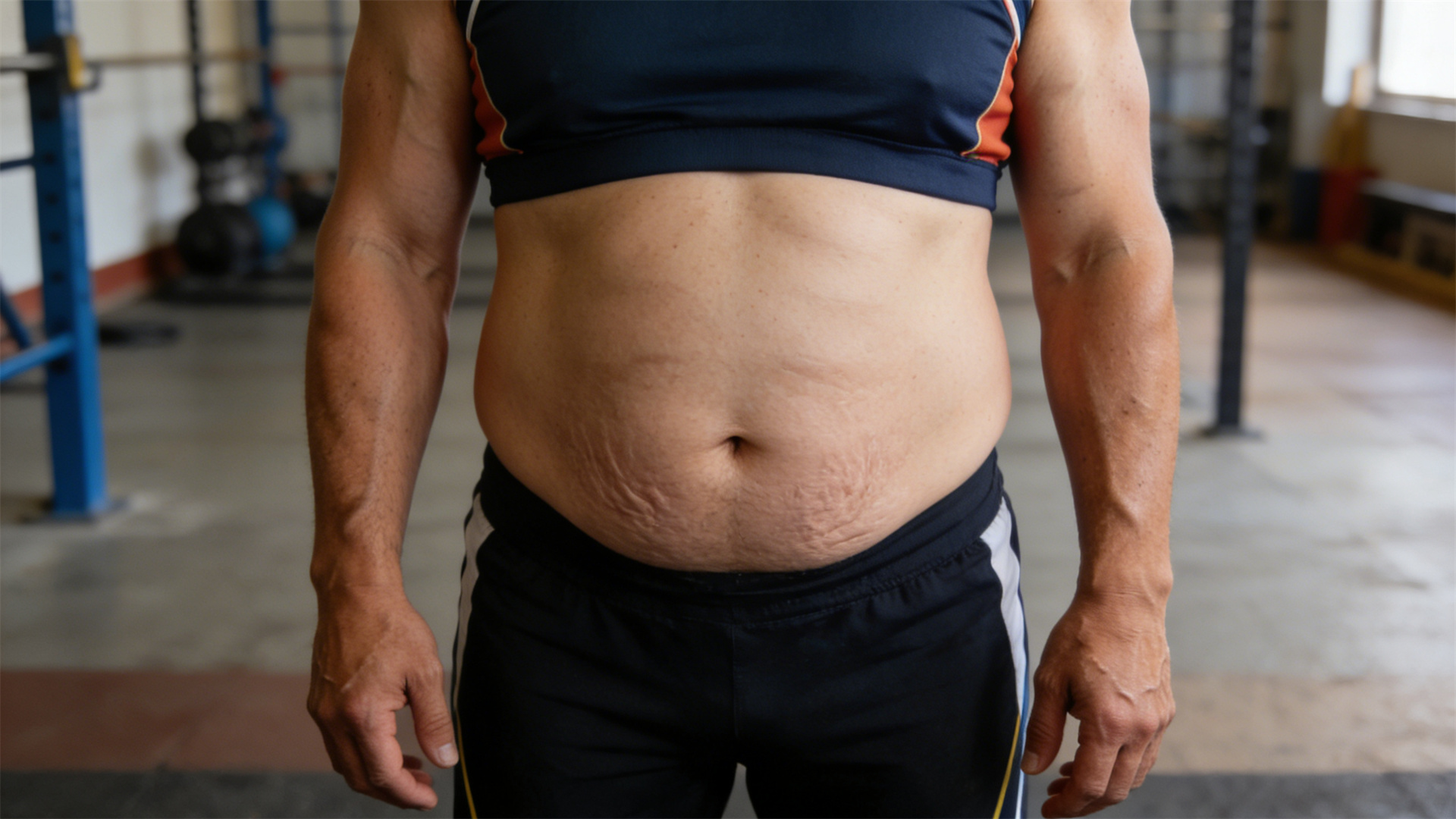
The hormonal cascade triggered by excessive training further complicates the picture. Intense exercise elevates cortisol, our primary stress hormone. In the short term, this mobilization of energy is essential. Problematically, a regimen that never allows the body to fully descend from this heightened state leads to chronically elevated cortisol levels. This hormonal environment is catabolic, meaning it breaks down tissue. It can lead to muscle wasting, increase abdominal fat storage (a known risk factor for metabolic disease), suppress immune function, and disrupt sleep—all hallmarks of accelerated aging. For both men and women, this chronic stress can also suppress sex hormones like testosterone and estrogen, which play crucial roles in maintaining muscle mass, bone density, skin health, and overall vitality.
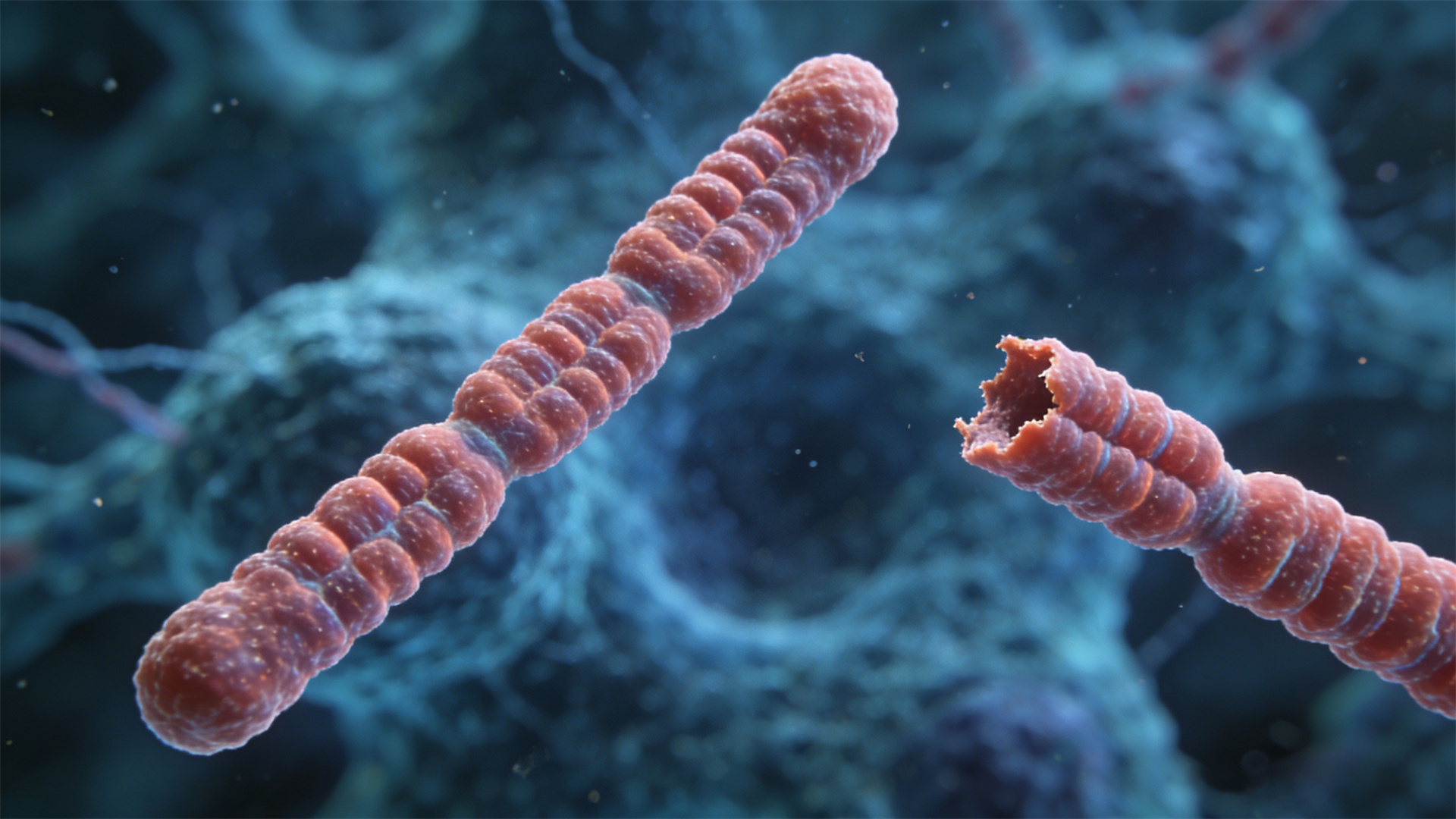
At the very tips of our chromosomes lie protective caps called telomeres. With each cell division, these telomeres naturally shorten, and when they become too short, the cell can no longer divide and becomes senescent or dies—a key marker of biological aging. Lifestyle factors profoundly influence the rate of this shortening. Research presents a fascinating paradox: moderate, consistent exercise is associated with longer telomeres, suggesting a protective, youth-preserving effect. However, studies on extreme endurance athletes sometimes show the opposite—accelerated telomere shortening. The proposed mechanism is that the compounded physical stress, inflammation, and oxidative damage from extreme volumes of training can overwhelm the body's protective mechanisms, leading to premature cellular aging. This starkly illustrates the difference between the life-extending dose of exercise and a potentially life-shortening one.
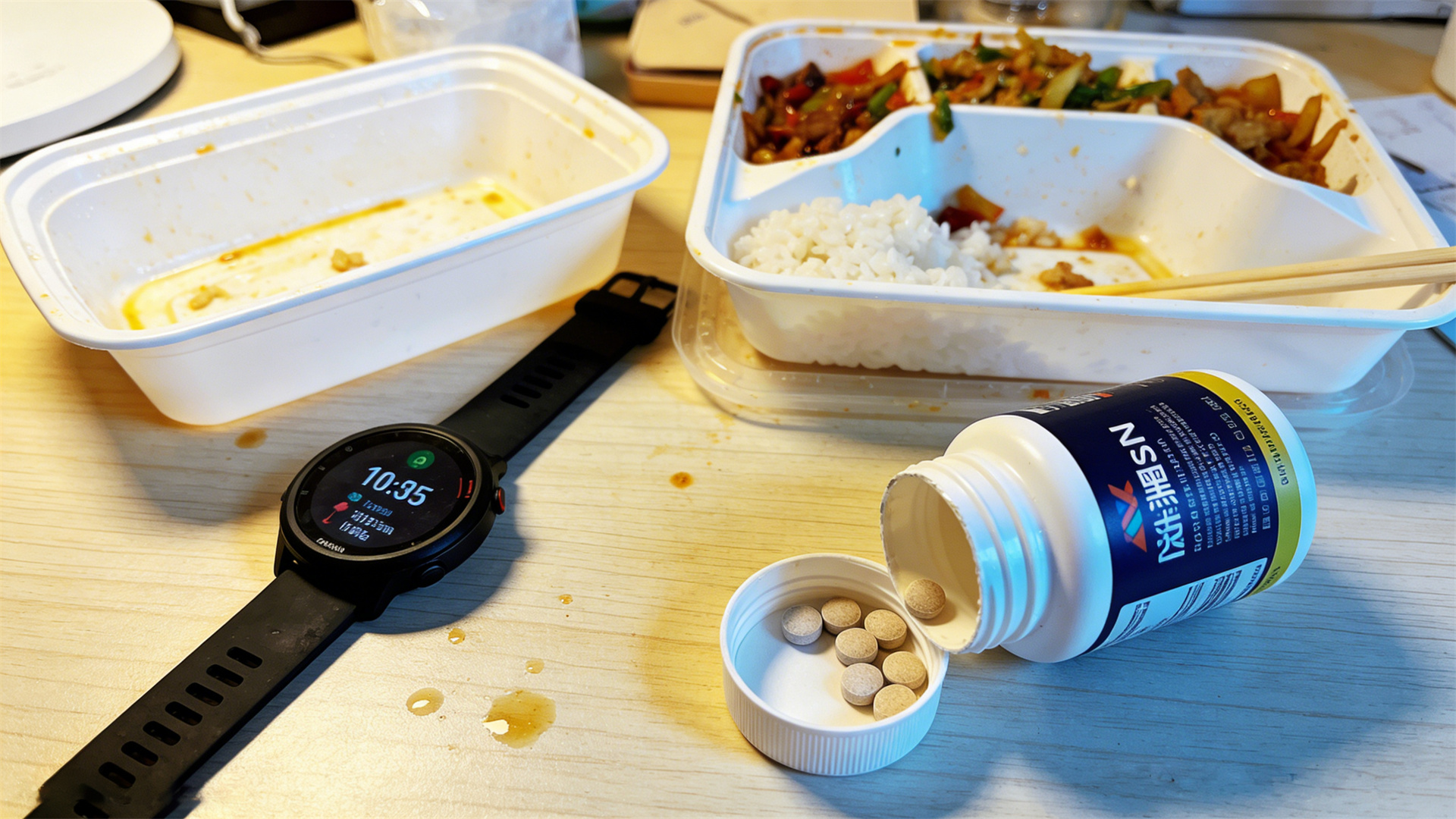
No discussion of exercise-induced aging is complete without addressing recovery—or the lack thereof. Recovery is not passive downtime; it is the active phase where adaptation occurs. It includes sleep, nutrition, hydration, and managed stress outside the gym. Skimping on sleep to train early, consistently eating in a severe caloric deficit, or training through emotional distress means you are adding stress on top of stress. The body has a finite capacity for adaptation. Without dedicated recovery periods, the system remains in a perpetual state of alarm. This not only halts progress but erodes the foundational pillars of health. The immune system becomes compromised, increasing susceptibility to illness; the nervous system remains over-frayed, leading to irritability and anxiety; and tissues never fully repair, setting the stage for overuse injuries and chronic pain.
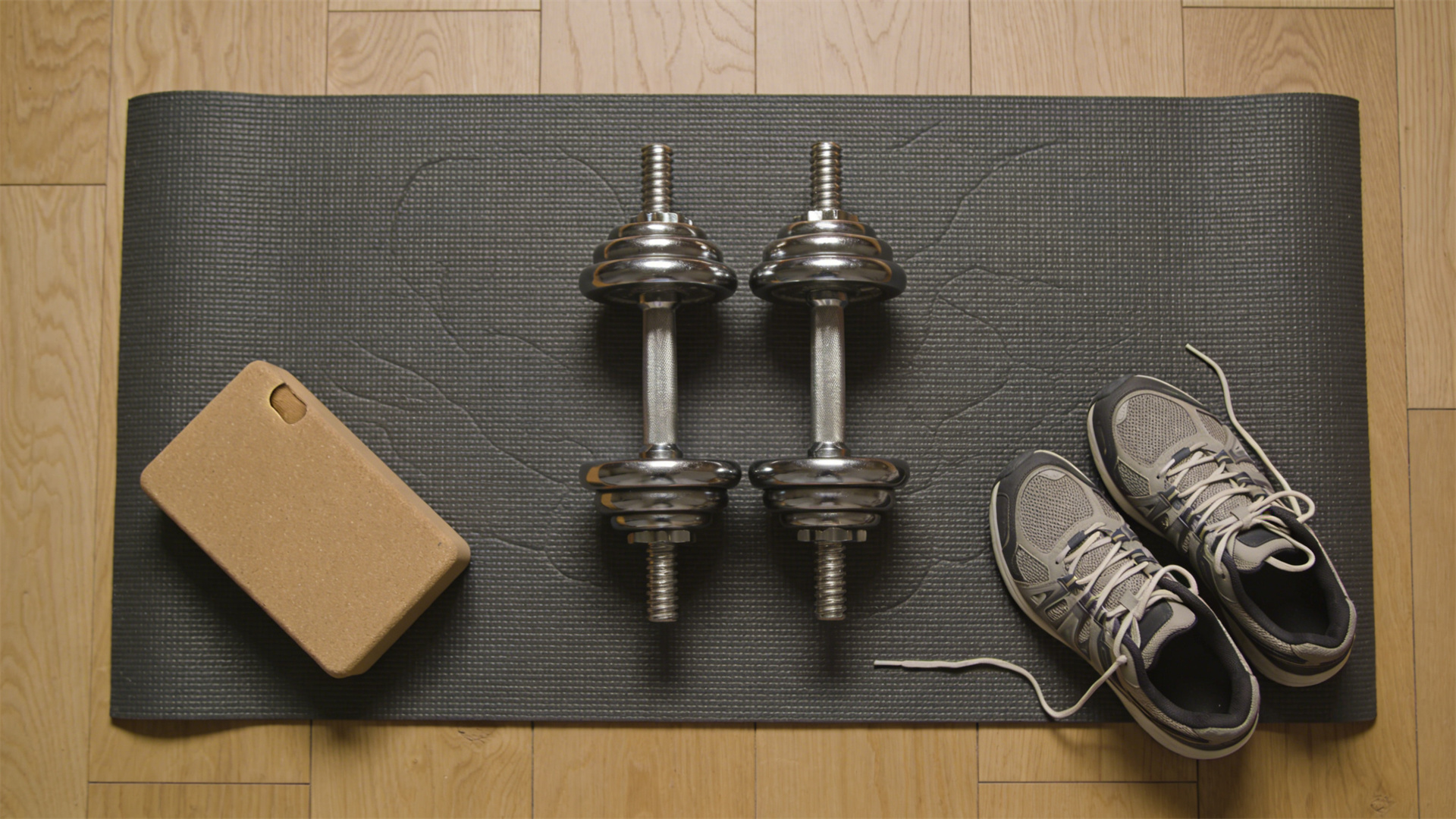
The type of exercise matters immensely. A well-rounded fitness regimen that balances different stresses is protective. Chronic, repetitive pounding from long-distance running without cross-training can lead to joint degeneration and systemic stress. Conversely, incorporating strength training builds muscle and bone density, which are critical for longevity. High-Intensity Interval Training (HIIT), while powerful, can be particularly taxing on the nervous and endocrine systems if performed too frequently. The missing piece for many dedicated athletes is low-intensity, steady-state movement and true rest. Activities like walking, gentle cycling, or yoga promote blood flow and mobility without significantly raising cortisol, aiding the recovery process and counteracting the potential aging effects of harder training sessions.
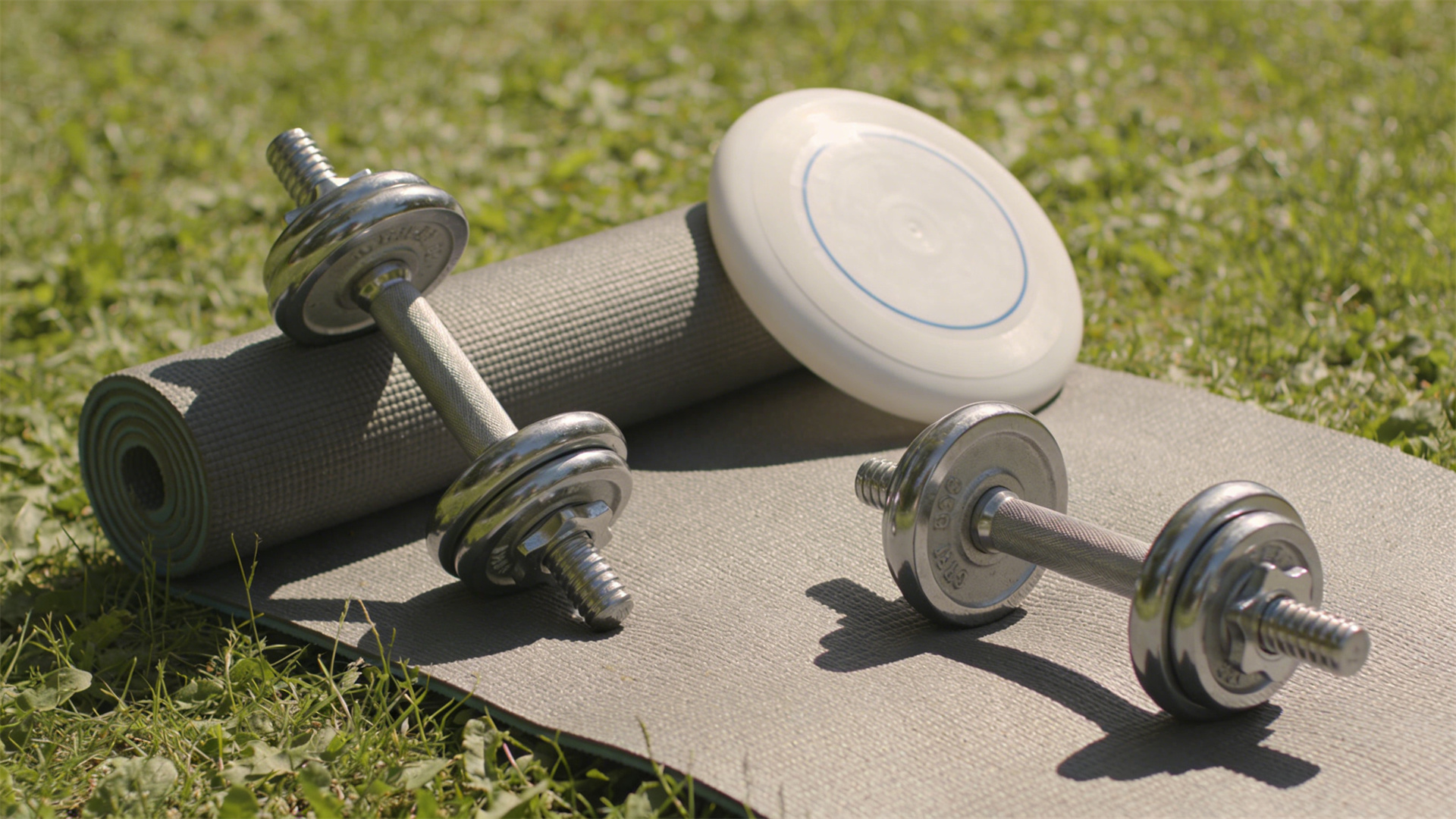
Recognizing the signs that your workout regimen might be working against you is crucial. These red flags extend beyond a simple plateau. They include persistent fatigue that coffee can't fix, a decline in performance despite consistent effort, a loss of libido, disrupted sleep patterns, frequent injuries or niggling pains that won't heal, a weakened immune system (getting every cold that goes around), and increased irritability or mood swings. Physically, you might notice a change in body composition—losing muscle and gaining fat, particularly around the midsection—despite rigorous training. These are not signs of weakness; they are your body's urgent signals that the stress-recovery balance has been lost.

The goal is to transform your exercise routine from a potential source of chronic stress into a sustainable, life-enhancing practice. This requires a paradigm shift from "more is always better" to "smarter is better." Periodize your training by incorporating lighter weeks and deload phases every few weeks to allow for supercompensation. Prioritize sleep as non-negotiable, aiming for 7-9 hours of quality rest per night. Support your training with nutrient-dense foods, ensuring adequate protein for repair and enough carbohydrates and fats to fuel your energy systems. Most importantly, learn to listen to your body. Distinguish between the healthy discomfort of a challenging workout and the deep ache of systemic exhaustion. Sometimes, the most anti-aging workout you can do is a leisurely walk in nature or a full day of rest.

So, is your workout making you age faster? The unequivocal answer is that it depends entirely on how you approach it. Exercise, in its proper dose and context, remains one of the most powerful anti-aging tools at our disposal. It strengthens the heart, clears the mind, builds resilient tissue, and enhances cellular health. The danger lies not in exercise itself, but in the modern ethos of relentless pursuit—pushing through pain, glorifying burnout, and neglecting the essential counterpart of recovery. By embracing balance, respecting your body's signals, and valuing restoration as much as exertion, you can ensure that your fitness journey truly adds years to your life and life to your years. The secret to eternal youth, it seems, isn't found in pushing harder forever, but in learning when to push and when to pause.