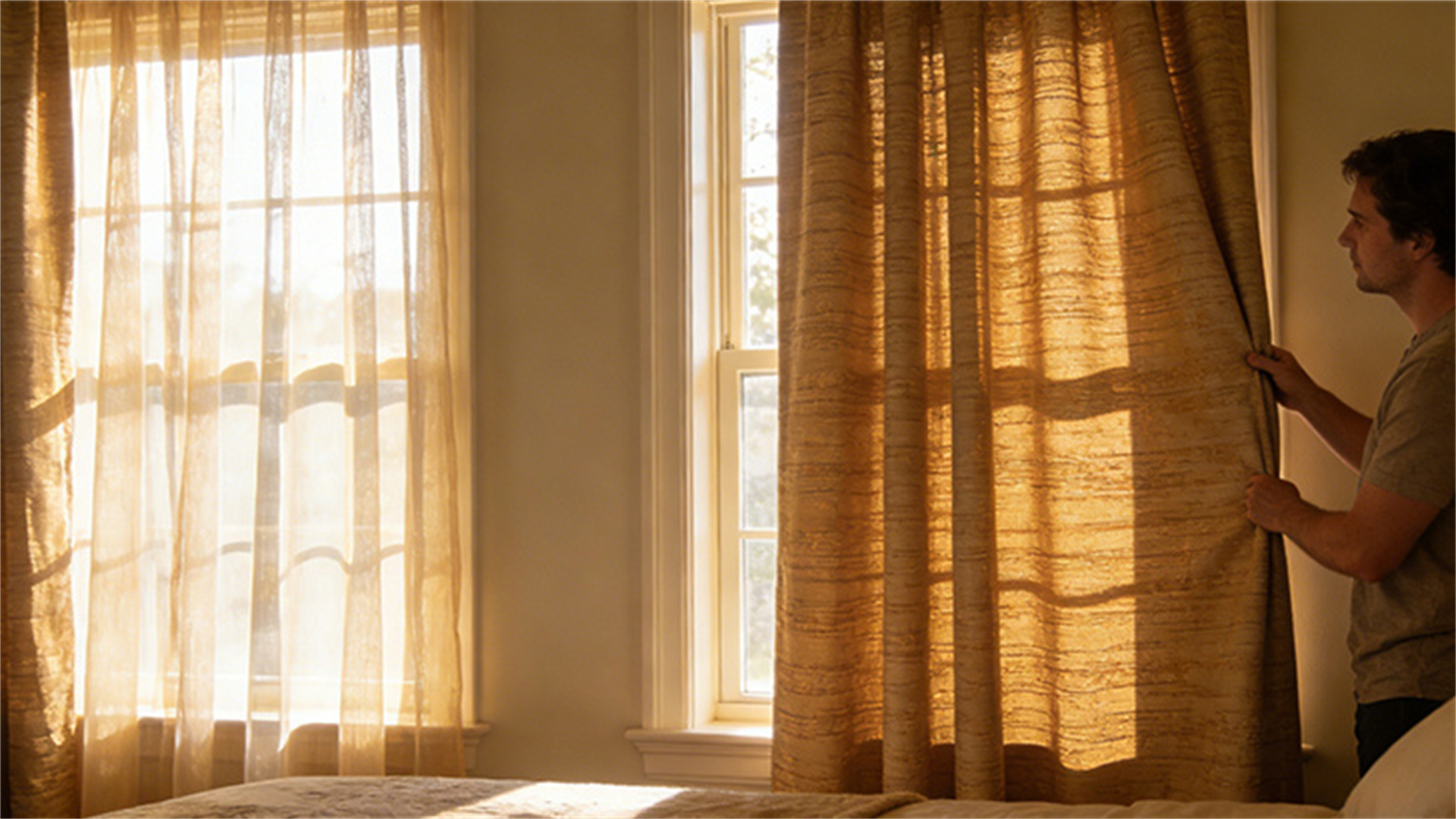
Choosing curtains is often reduced to a mere decorative afterthought, a final swath of fabric selected to match a color palette. However, this approach overlooks the profound functional impact window treatments have on our daily living environment. Curtains that actually work do far more than just look pretty; they are versatile tools for managing light, ensuring privacy, regulating temperature, controlling acoustics, and enhancing safety. To move beyond aesthetics and select curtains that perform, one must prioritize purpose, understand materials, and consider the specific needs of each room. This guide delves into the practical considerations that transform curtains from passive décor into active contributors to home comfort and efficiency.
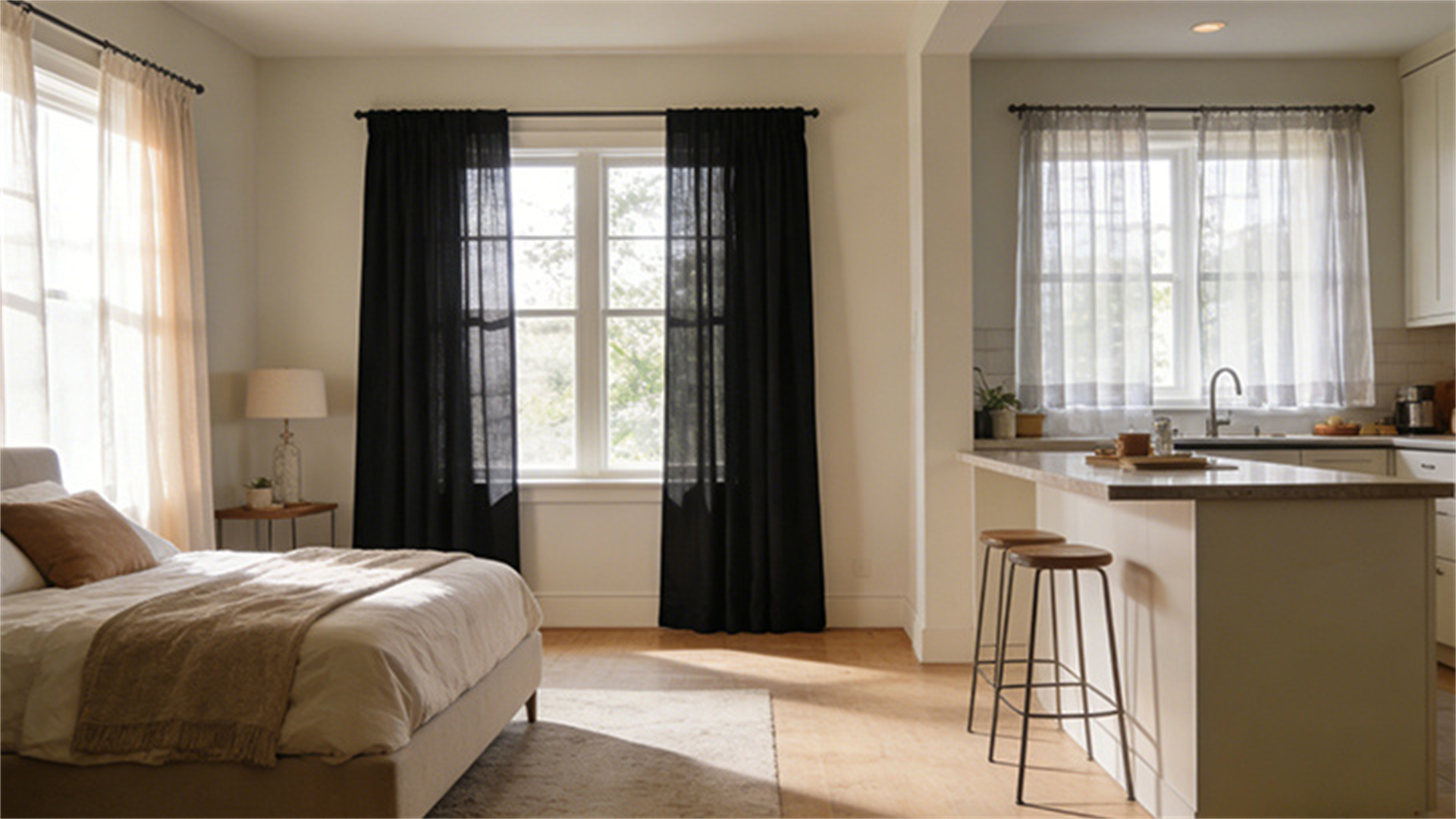
The journey to functional curtains begins with a critical, often skipped, step: defining the primary purpose for each window. Is the goal to plunge a home theater into total blackout darkness, to gently filter the harsh afternoon sun in a south-facing living room, or to provide privacy for a street-level bathroom without sacrificing all natural light? Perhaps the main concern is insulating against winter drafts or summer heat. Each objective points toward different fabric weights, weaves, and lining options. For instance, a bedroom prioritizing sleep requires a different solution than a kitchen needing sun protection. By starting with a clear functional mandate, you create a filter through which all subsequent choices—fabric, lining, length, and hanging style—must pass, ensuring the final selection truly addresses the core need.
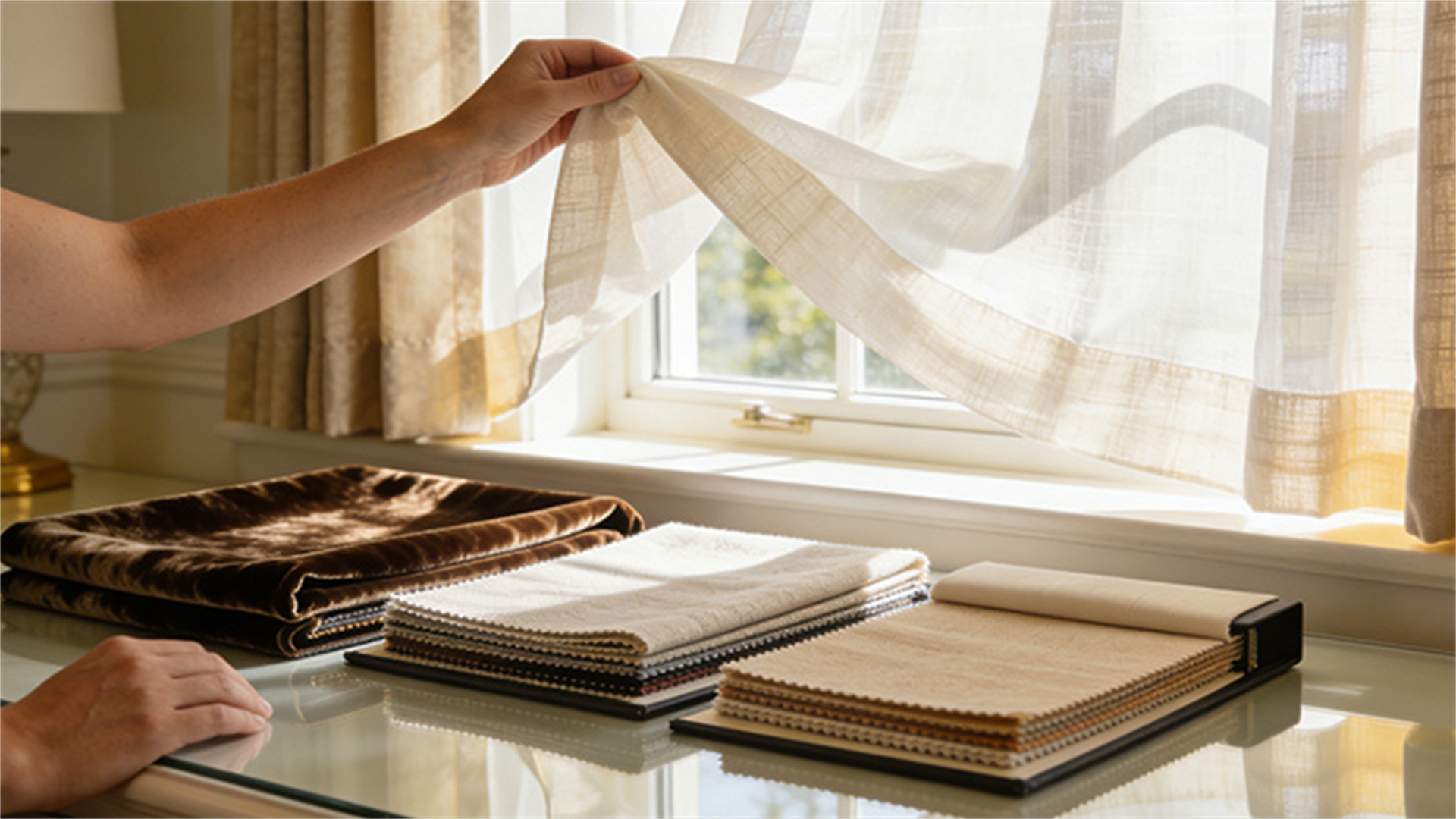
Once the purpose is clear, the selection of fabric and weave becomes a technical decision, not just a stylistic one. Fabric density, material, and construction directly dictate performance. For superior light blocking and insulation, look for thick, tightly woven fabrics like velvet, suede, or heavy cotton twill. A dense weave physically obstructs light and creates an insulating air barrier. For light filtration and privacy, lighter materials like linen, cotton voile, or sheer synthetics in a loose weave diffuse sunlight beautifully while obscuring direct views. The thread count and opacity are key; hold a fabric sample up to a window or light source to test it. Furthermore, consider the fabric’s functional properties: is it mold-resistant for humid bathrooms? Is it easily cleanable for high-traffic areas like dining rooms? The right fabric is the engine of functionality.
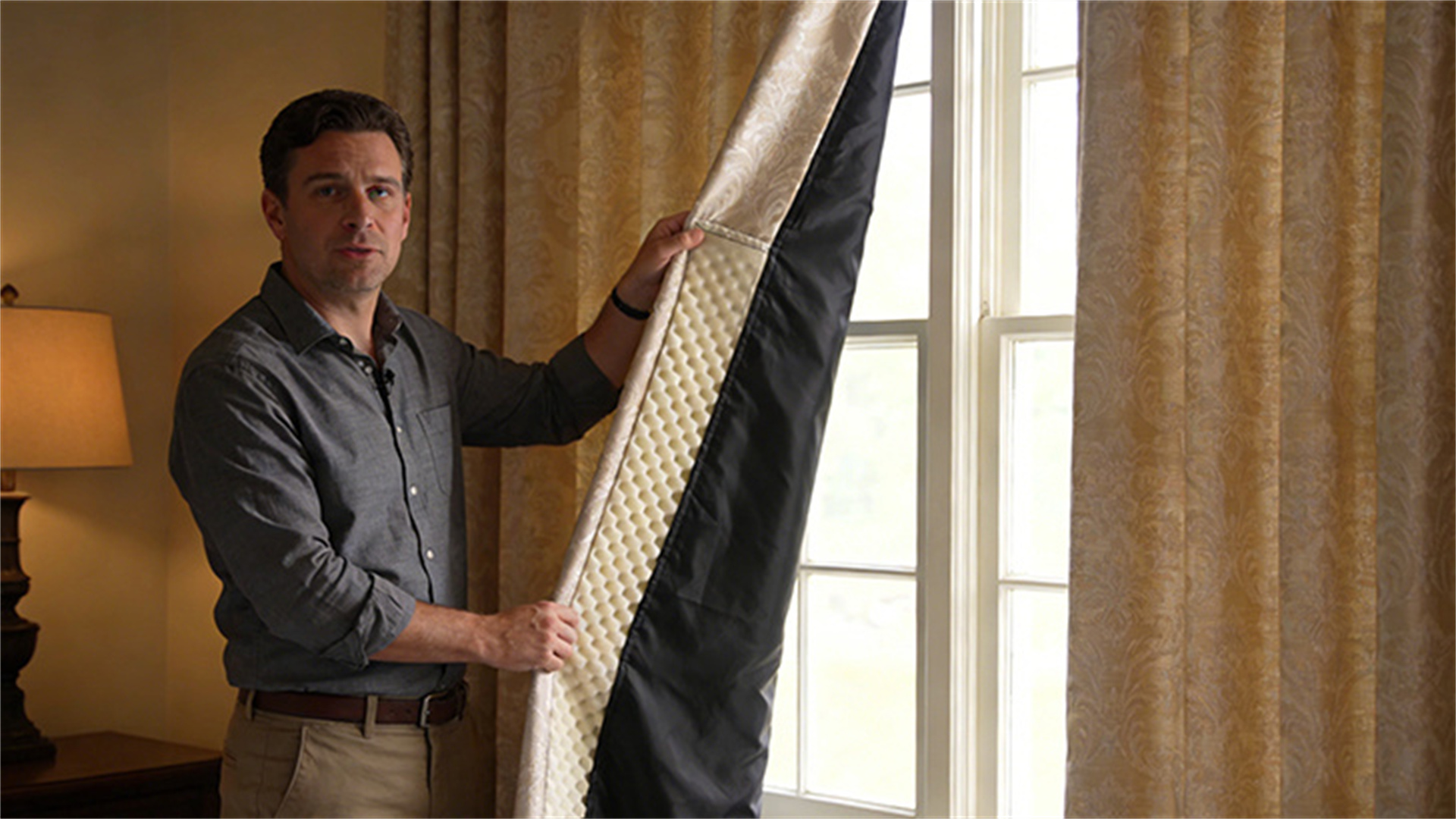
The secret weapon of a high-performance curtain is often hidden from view: the lining. An unlined curtain, regardless of fabric weight, offers minimal functional benefit. Linings specialize and enhance. A standard cotton or poly-cotton lining adds body, protects the face fabric from sun damage, and improves light blockage. For ultimate light control, a blackout lining—a coated, often rubberized layer—is essential, capable of creating near-total darkness. Thermal or insulated linings, which may have a foam or acrylic coating, are designed to reduce heat transfer, keeping rooms warmer in winter and cooler in summer. In humid climates, a mildew-resistant lining is crucial. For sheers, a separate layer of lining fabric can be added behind them to create a dual-function system: use the sheer alone for soft light, or draw the lined panel for full privacy and darkness. Investing in a proper lining tailored to your need exponentially increases a curtain’s utility.
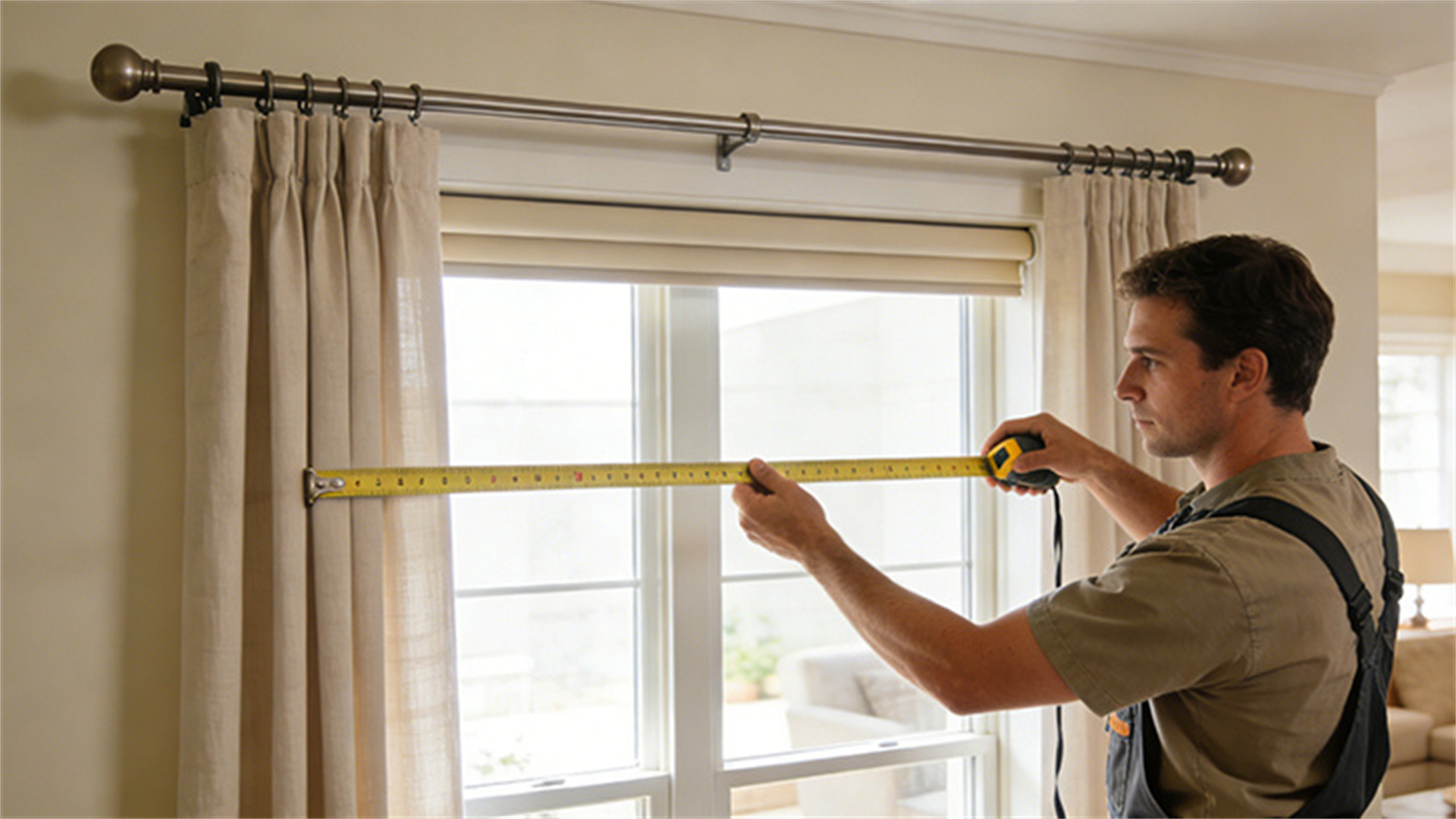
Precision in measurement and installation is non-negotiable for functional success. The "float and puddle" debate is aesthetic, but for function, coverage is king. To block light effectively, prevent drafts, and ensure privacy, curtains must extend well beyond the window frame. The rod should be mounted 4 to 6 inches above the top of the window casing and extend 3 to 6 inches on each side. This allows the curtain stackback to clear the glass completely when open, maximizing natural light. For length, the functional choice is typically a slight "break" just above the floor (½ inch) or a clean "float" ½ inch above it. This prevents excessive dust collection, wear, and is safer. Avoid dramatic puddles in functional spaces. Fullness also matters; panels should have a combined width of 1.5 to 3 times the width of the window for proper stacking and a luxurious, effective gather when closed.
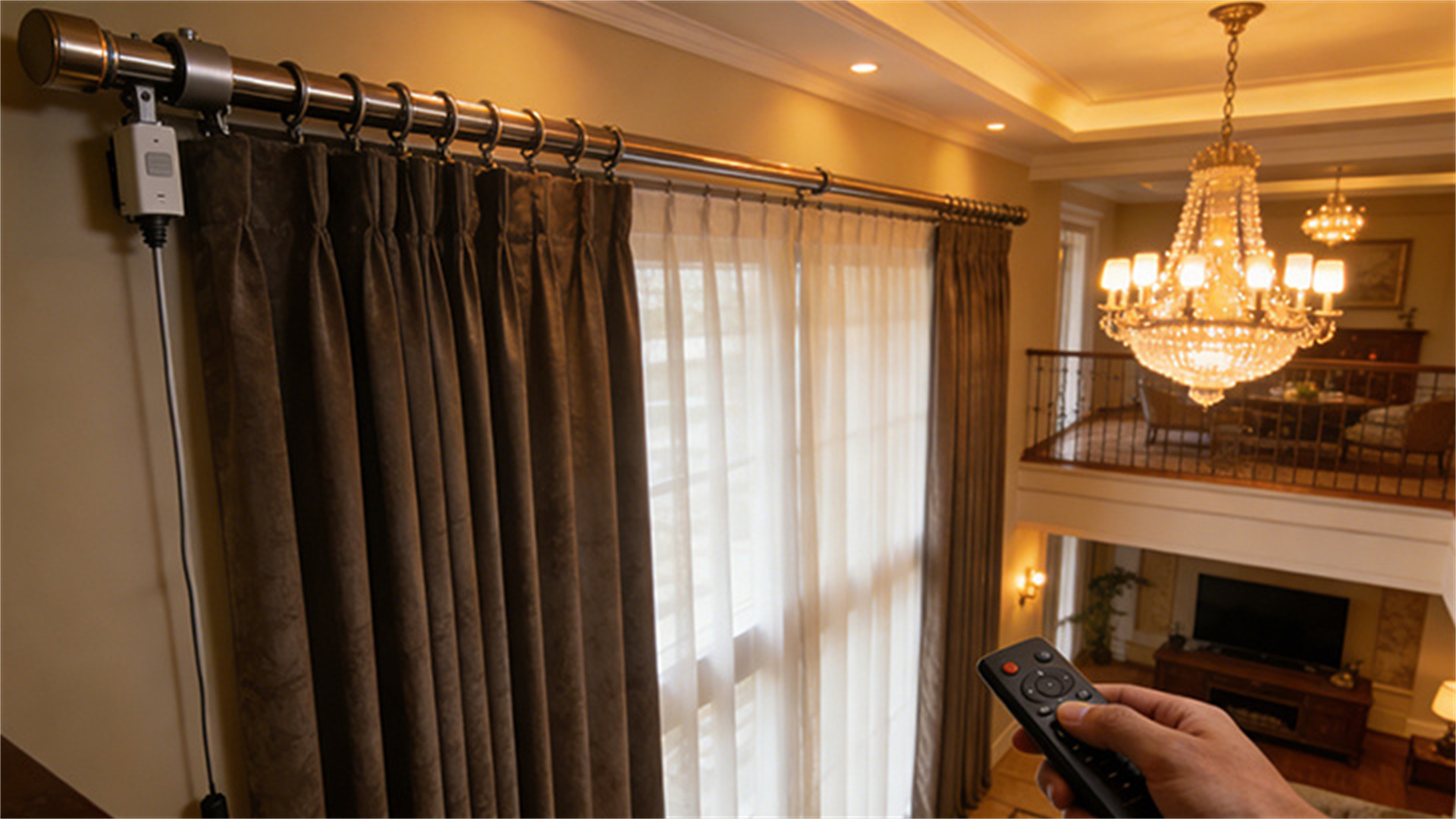
The hardware you choose—the rod and the mechanism for opening and closing—is the interface between you and the curtain’s function. A flimsy rod will sag under the weight of heavy lined drapes, causing them to hang poorly and operate clumsily. Choose a sturdy, solid rod with brackets placed at appropriate intervals. For functionality, the traverse rod, which allows curtains to be opened and closed with a cord, wand, or motorized system, is superior to simple stationary rods. It ensures you can easily and fully close the curtains every time without having to manually adjust each panel. Motorization, while an investment, represents the pinnacle of functional convenience and is invaluable for hard-to-reach windows or for integrating with smart home systems for automated schedules based on time or sun position.
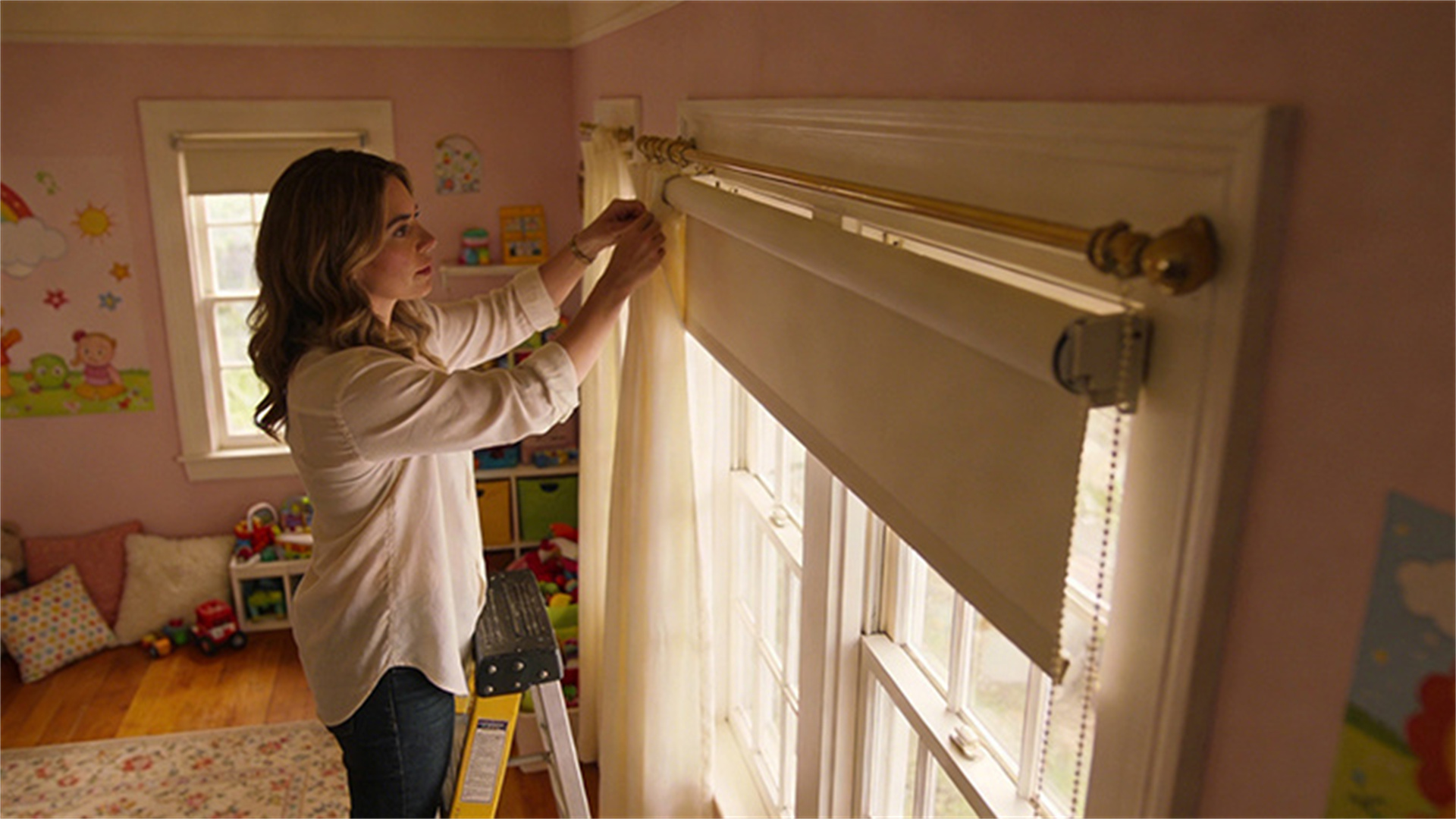
Finally, functionality must be reconciled with the practicalities of maintenance and safety. Curtains are dust magnets and will require cleaning. Consider how you will manage this: are the fabrics machine-washable, or will they require professional cleaning? This affects long-term cost and hassle. More critically, address safety, especially in homes with children or in bedrooms. Avoid long, loose cords on traverse rods; instead, opt for cordless wands or motorized systems to eliminate strangulation hazards. Ensure all installations are securely anchored into wall studs or using appropriate heavy-duty anchors, as a falling curtain rod can cause significant injury. Functionality is nullified if the solution is dangerous or unsustainable to maintain.

In conclusion, selecting curtains that actually work is a deliberate process that marries intention with technical detail. It requires moving beyond color swatches to consider the tangible impact on your space: the quality of light, the degree of privacy, the thermal comfort, and the ease of daily operation. By defining your purpose, choosing fabric and lining with performance in mind, installing with precision, selecting robust hardware, and prioritizing safety and maintenance, you elevate your window treatments from mere decoration to integral, functional components of a well-considered home. The result is not just a window dressing, but a tailored environmental control system that enhances your comfort, privacy, and peace of mind every single day.