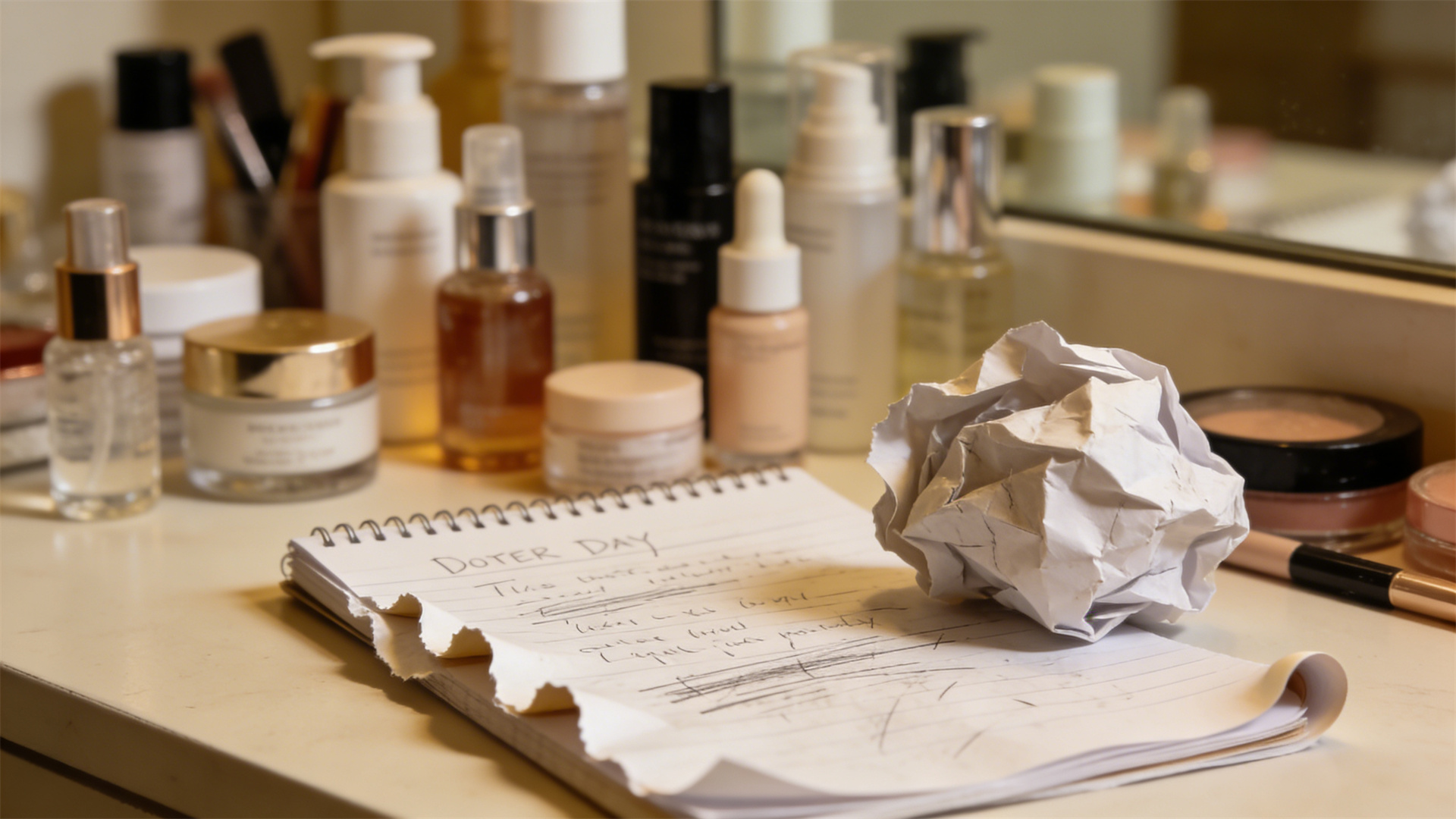
The quest for clear, radiant skin often leads us down a path lined with an array of topical solutions, from potent retinoids to sophisticated acids. While these can be remarkably effective, a fundamental factor frequently disrupts even the most meticulously crafted skincare routine: stress. The connection between our emotional state and our skin’s health is not merely anecdotal; it is a well-documented physiological dialogue. Chronic stress doesn't just live in our minds—it manifests visibly on our complexion, creating a cycle that can be challenging to break. Understanding precisely how this happens is the first step toward addressing skin concerns at their root, moving beyond surface-level fixes to embrace a more holistic, integrated approach to skin wellness.

When we experience stress, our bodies activate the hypothalamic-pituitary-adrenal (HPA) axis, culminating in the release of hormones like cortisol and adrenaline. Cortisol, often termed the "stress hormone," serves a vital short-term purpose, such as reducing inflammation. However, when stress becomes chronic, persistently elevated cortisol levels wreak havoc on the skin. One of its primary actions is stimulating the sebaceous glands to produce more sebum. This excess oil, when mixed with dead skin cells, creates a perfect environment for the proliferation of *Cutibacterium acnes*, the bacteria implicated in inflammatory acne. This is why periods of high pressure—during exams, major work projects, or personal upheavals—often coincide with unexpected breakouts, even in individuals who typically do not struggle with acne.
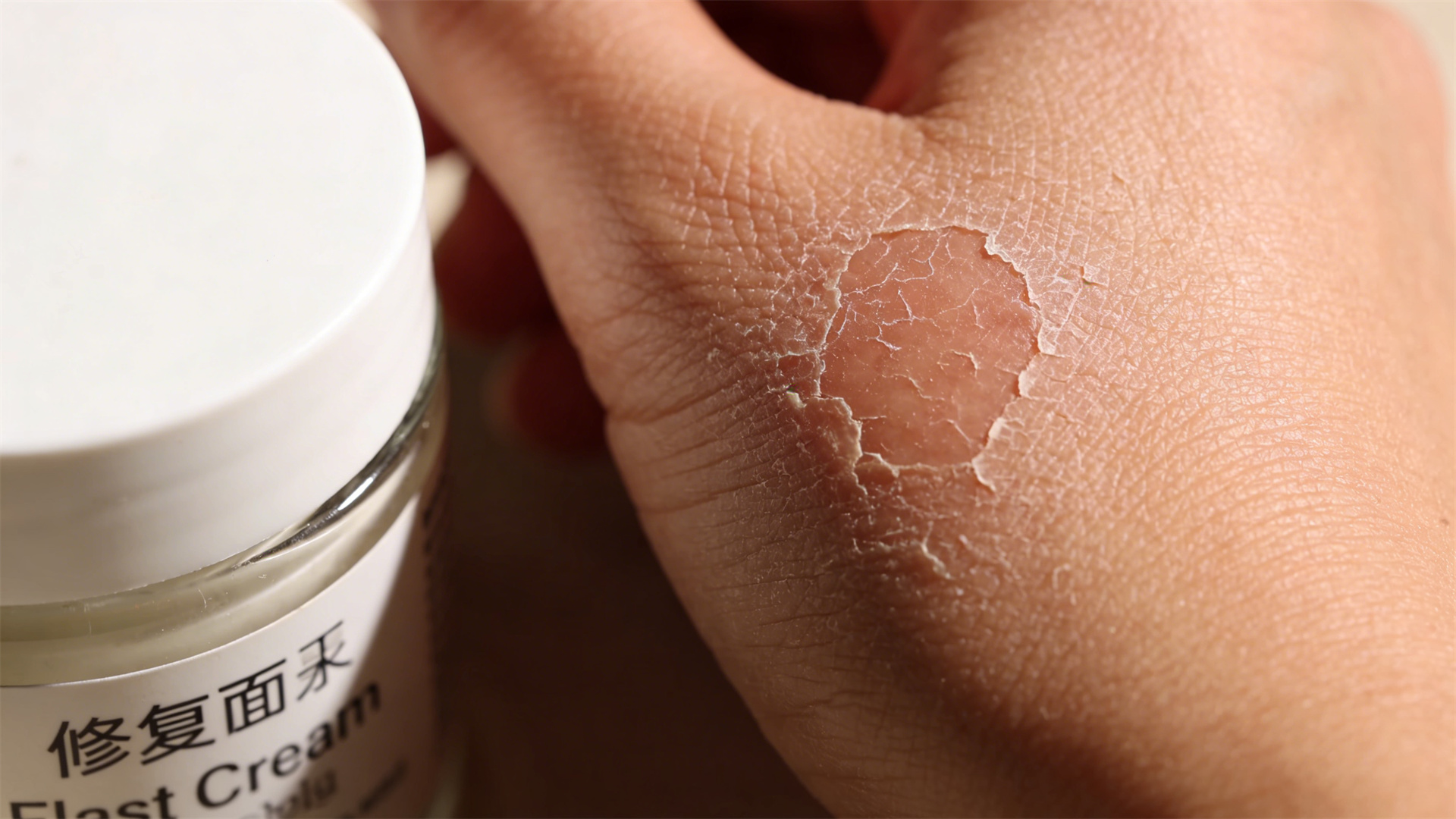
Beyond oil production, chronic cortisol directly undermines the skin’s structural integrity. It breaks down key proteins like collagen and elastin, which are essential for maintaining skin firmness, elasticity, and a smooth appearance. This process accelerates visible aging, leading to the premature formation of fine lines, wrinkles, and a loss of skin density. Simultaneously, cortisol compromises the skin’s barrier function. This vital outermost layer, composed of lipids and cells, is our first defense against environmental aggressors, allergens, and moisture loss. A weakened barrier becomes permeable, allowing irritants in and letting vital hydration out. The result is skin that is reactive, easily irritated, chronically dry, dehydrated, and prone to conditions like eczema and rosacea flare-ups.
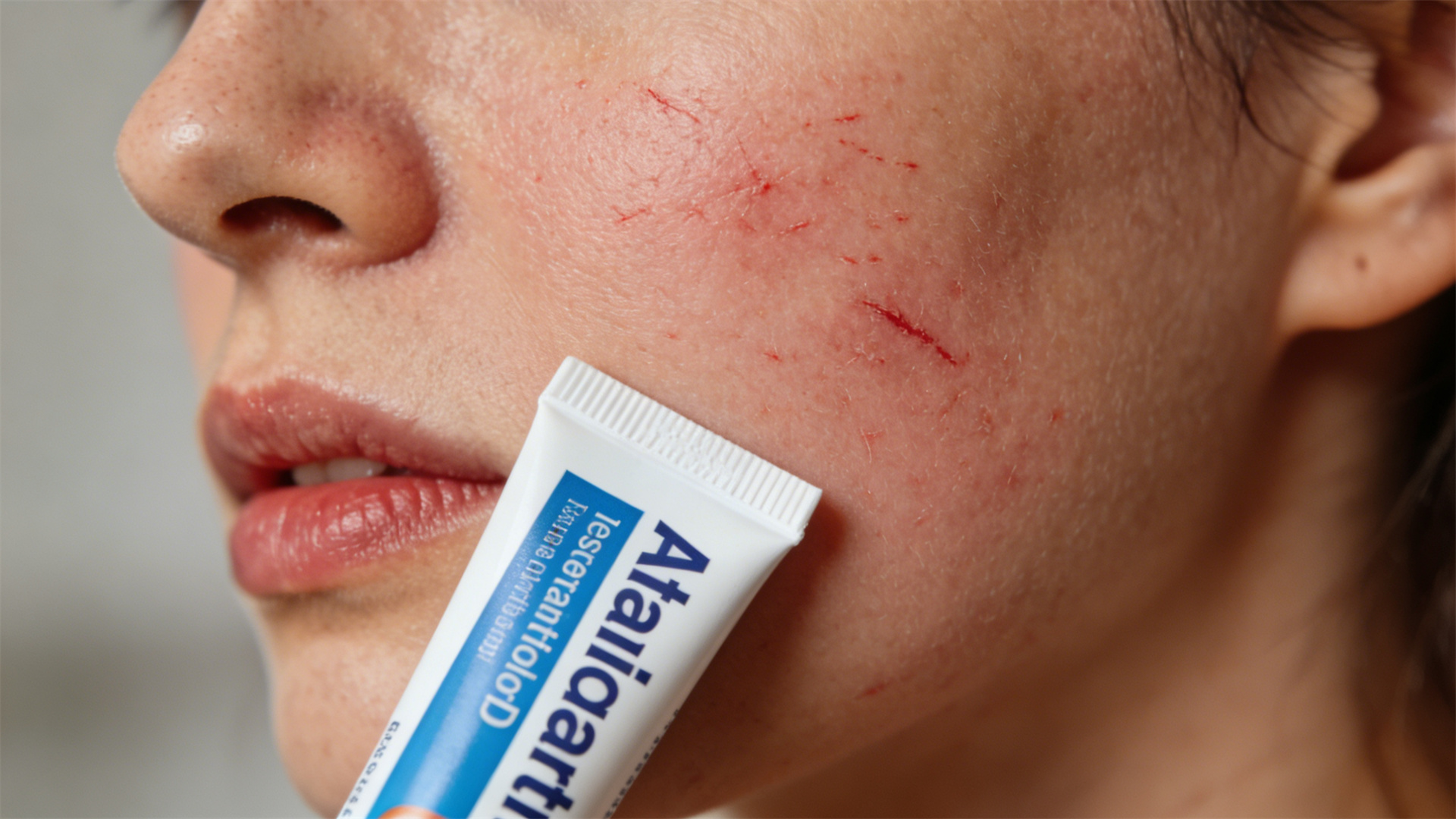
The inflammatory response is another critical pathway. Stress triggers the release of neuropeptides and incites a systemic state of low-grade inflammation. This internal fire can exacerbate virtually every inflammatory skin condition. Psoriasis plaques may thicken and spread, eczema patches can become more furious and itchy, and rosacea may present with intensified redness and visible blood vessels. Even wound healing slows down significantly under the influence of stress hormones, meaning post-acne marks linger longer, and the skin’s general ability to repair itself from daily micro-damage is diminished. The skin is left in a constant state of alert, unable to settle into a calm, balanced state.
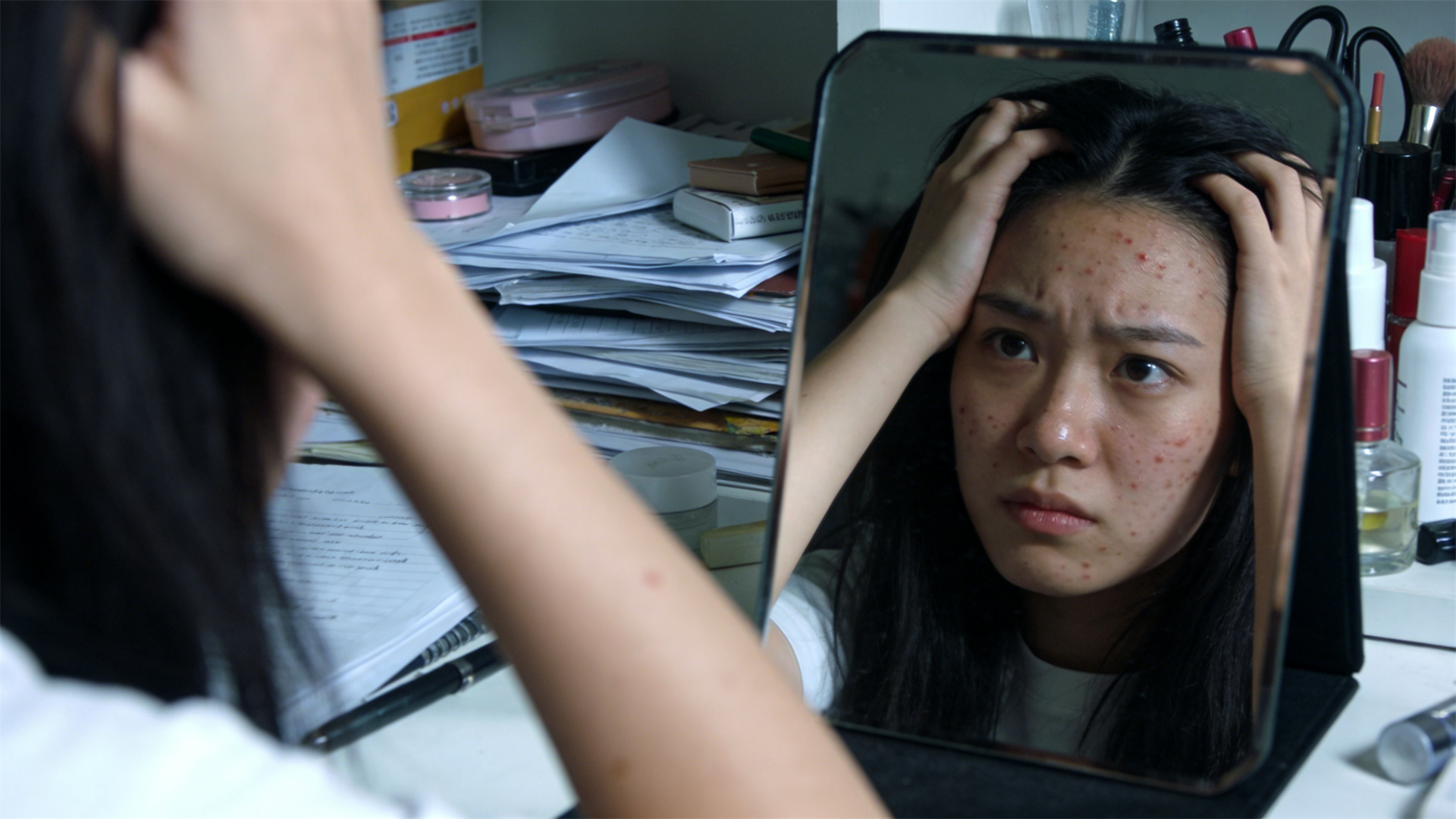
The relationship between stress and skin is profoundly bidirectional, creating a self-perpetuating cycle. The initial stress response causes a skin issue—perhaps a cluster of pimples or a patch of dermatitis. The appearance of this condition then becomes a source of further anxiety, embarrassment, and social stress. This new wave of psychological distress releases more cortisol, which in turn aggravates the original skin problem. Breaking this stress-skin cycle requires intervention at multiple levels, acknowledging that true skin health is inseparable from overall mental and physical well-being. A holistic approach does not discard effective topical treatments but layers them with practices that address the internal triggers.
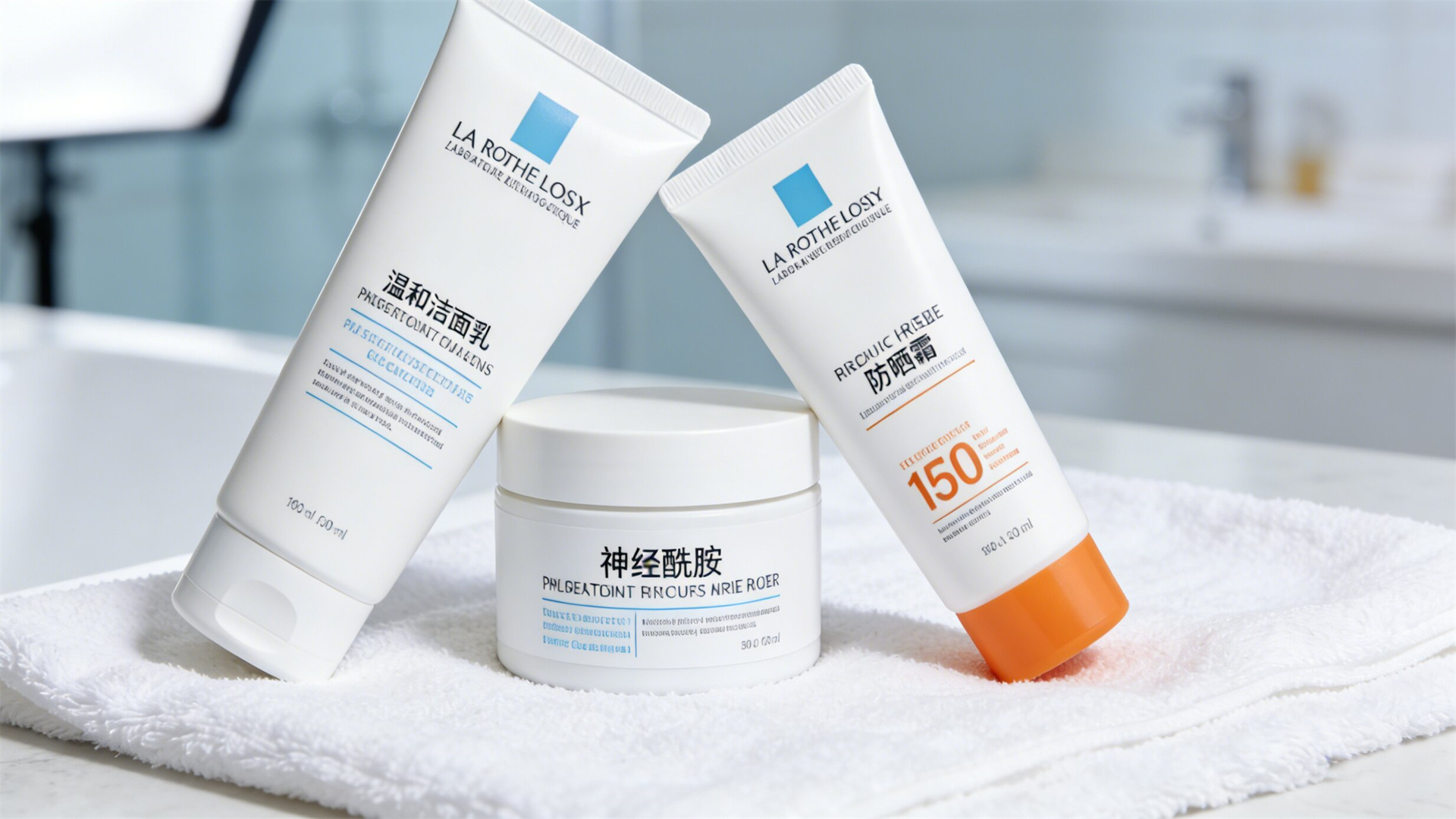
A foundational pillar of managing stress for your skin is the establishment of a consistent, gentle skincare routine. When the barrier is compromised, harsh, active-ingredient-focused regimens can do more harm than good. Prioritize a simple ritual using fragrance-free, non-comedogenic products that focus on repair and hydration. A mild cleanser, a barrier-supporting moisturizer containing ceramides or niacinamide, and a diligent broad-spectrum sunscreen form a non-negotiable base. This routine provides predictable comfort to the skin, which can itself be a calming ritual, signaling to your nervous system that it is time to rest and restore. Incorporating ingredients like centella asiatica or panthenol can further soothe inflammation and support healing.
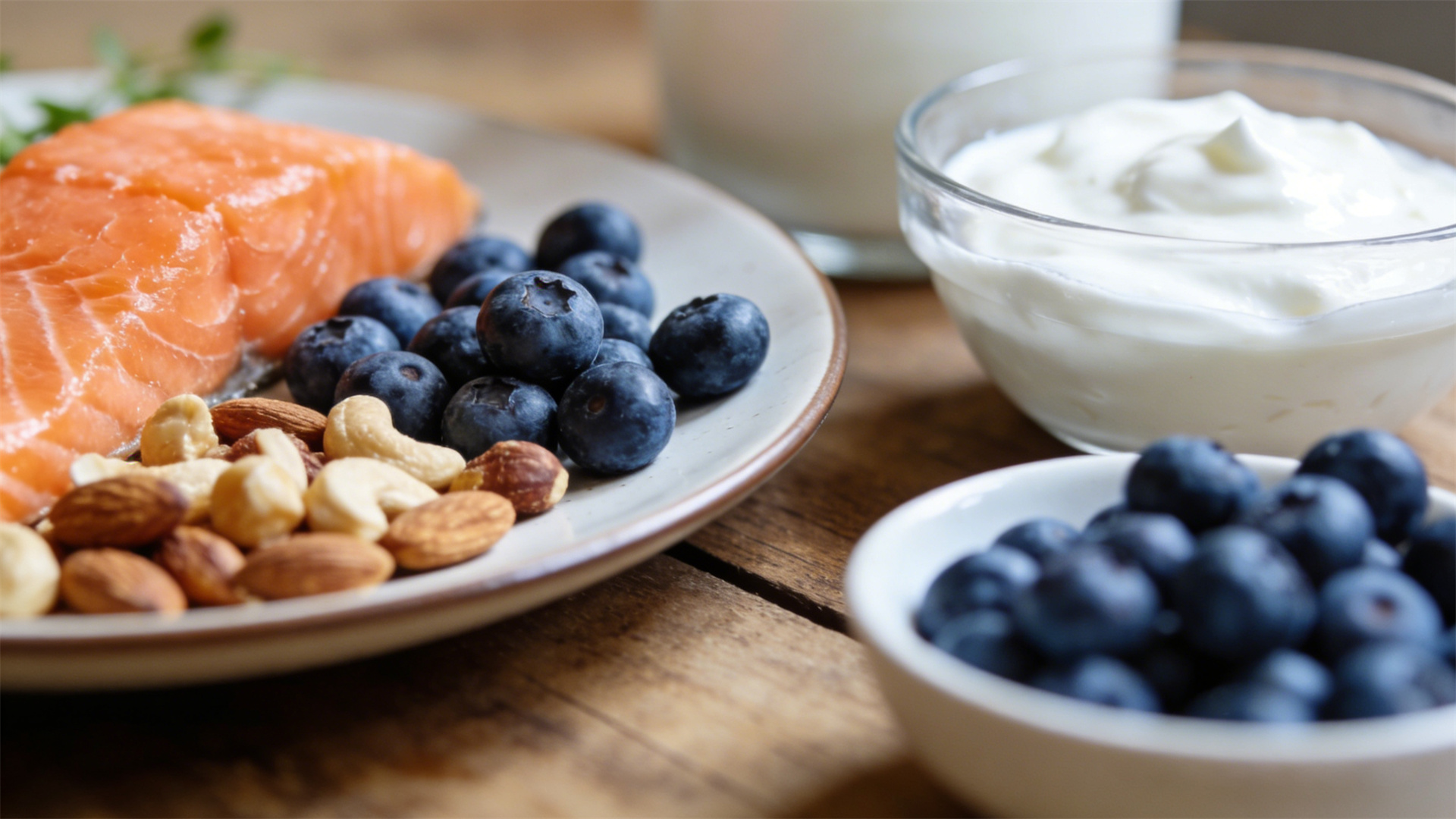
Nutritional psychiatry highlights the powerful gut-skin axis, where digestive health directly influences inflammation and skin appearance. An anti-inflammatory diet rich in antioxidants helps combat the systemic inflammation sparked by stress. Focus on incorporating colorful fruits and vegetables, fatty fish rich in omega-3s, nuts, seeds, and fermented foods like yogurt or kimchi to support a healthy gut microbiome. Conversely, it is wise to minimize or avoid high-glycemic foods, excessive dairy, and processed items, which can spike insulin levels and promote inflammation. Staying impeccably hydrated with water and herbal teas is equally crucial, as dehydration can make fine lines more apparent and impair the skin’s natural detoxification processes.

Mind-body practices are direct tools for downregulating the stress response and lowering cortisol. Mindfulness meditation, even for just ten minutes a day, trains the brain to observe stressful thoughts without immediate physiological reaction. Deep, diaphragmatic breathing activates the parasympathetic nervous system—the "rest and digest" counterpart to the stress-induced "fight or flight" mode. Techniques like box breathing or the 4-7-8 method can be used anywhere to induce instant calm. Gentle movement, such as yoga, tai chi, or walking in nature, reduces stress hormones while improving circulation, which delivers oxygen and nutrients to the skin. Consistent, moderate exercise is one of the most potent anti-aging and anti-stress strategies available.
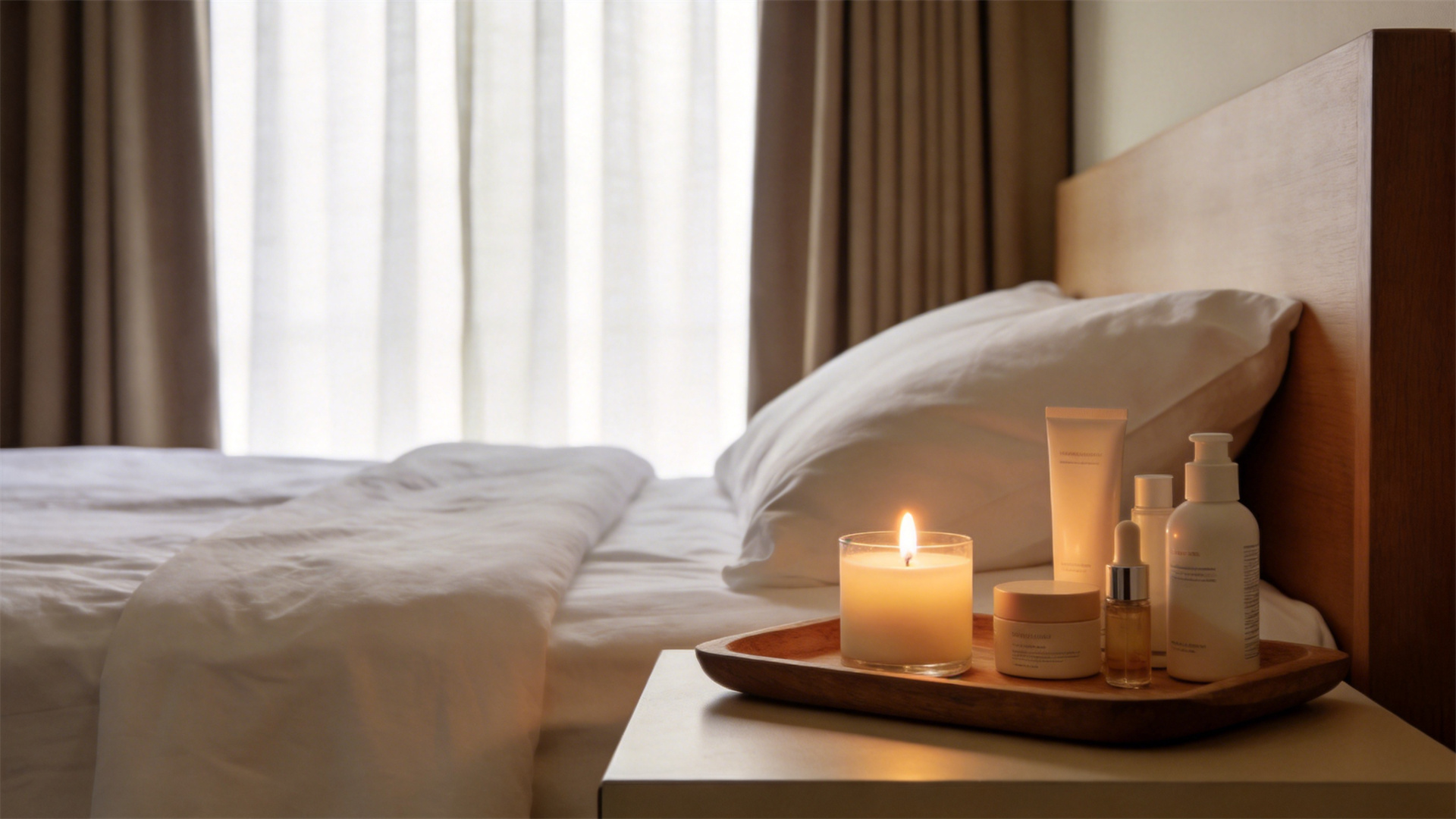
The profound impact of sleep on skin health cannot be overstated. It is during deep, restorative sleep that the body enters repair mode. Growth hormone is released, facilitating cellular repair and collagen synthesis. Blood flow to the skin increases, and the hydration balance is recalibrated. Chronic sleep deprivation leaves cortisol levels elevated, directly linking to increased breakouts, a dull complexion, and pronounced under-eye circles. Prioritizing 7-9 hours of quality sleep per night is non-negotiable for clear skin. Establishing a relaxing pre-sleep ritual—dimming lights, avoiding screens, reading, or taking a warm bath—can significantly improve sleep hygiene and signal to your body that it is time to unwind.

For persistent stress and skin conditions that feel unmanageable, seeking professional support is a sign of strength, not a last resort. A dermatologist can provide targeted medical treatments to control acute symptoms, breaking the initial cycle. Concurrently, working with a therapist or counselor can provide strategies for managing the underlying stressors through cognitive-behavioral therapy (CBT), which is particularly effective for anxiety. Other modalities like acupuncture, known to help rebalance the body's energy and reduce stress, or guided biofeedback, which teaches control over physiological responses, can be valuable components of a holistic plan. True healing often requires addressing the issue from both the outside-in and the inside-out.

Achieving and maintaining clear skin in the modern world is undeniably a multifaceted endeavor. It requires us to look beyond the bathroom cabinet and consider the totality of our lifestyle. By recognizing stress as a potent physiological trigger, we empower ourselves to intervene holistically. This means coupling effective skincare with mindful nutrition, dedicated stress-management practices, prioritized sleep, and professional guidance when needed. This integrated approach fosters resilience from within, calming the internal storm that so often manifests on our skin. The result is not merely the absence of blemishes but the presence of a healthy, balanced glow that reflects a state of overall well-being.