For years, the travel planning process came with a binary, seemingly simple choice: hotel or vacation rental? The rise of platforms like Airbnb, Vrbo, and others has transformed that decision into a nuanced evaluation. Declaring one universally "better" is a traveler's trap. The real answer lies in aligning your accommodation with the specific goals, composition, and rhythm of your trip. An ideal choice for a solo business traveler could spell disaster for a multi-generational family reunion. This honest comparison cuts through the marketing hype to examine how hotels and Airbnb-style rentals perform across core travel dimensions for different types of journeys.
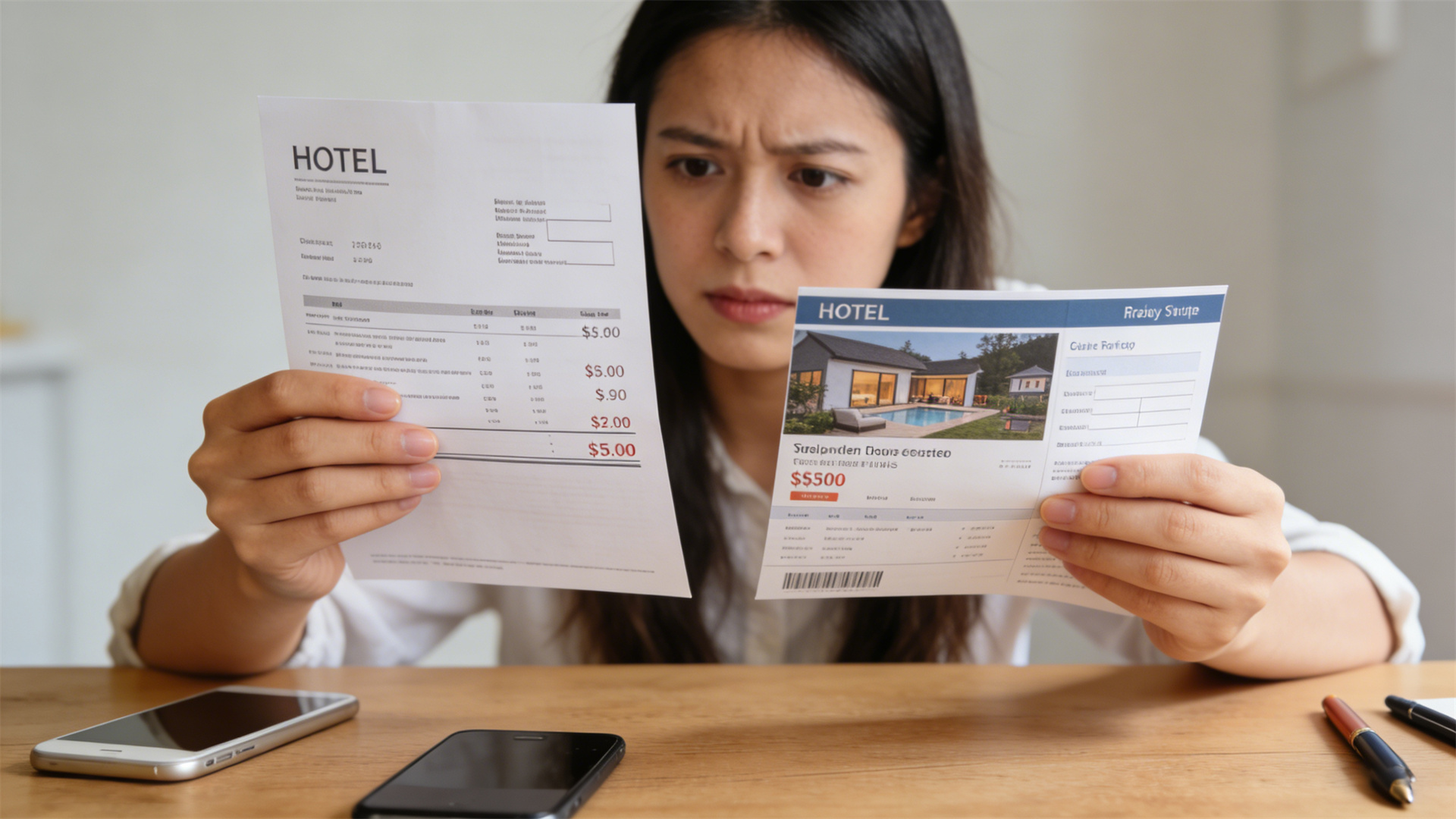
The financial comparison is rarely as straightforward as comparing a nightly rate. Hotels typically present an all-inclusive price for your room, with taxes and resort fees (where applicable) added later. The quote includes utilities, daily housekeeping, front desk service, and often amenities like a gym or pool. Airbnb listings, while sometimes offering lower base rates, can be deceptively complex. The final price stacks the nightly rate, a cleaning fee (which can be a significant flat charge regardless of stay length), a service fee for the platform, and sometimes local taxes. For a short two-night stay, a hefty cleaning fee can double the per-night cost. For longer stays of a week or more, that same cleaning fee becomes amortized, often making Airbnb the more economical choice. Hotels may offer loyalty points, free breakfast, or included airport transfers, adding tangible value. Airbnb’s value is in scale: the cost of a one-bedroom hotel suite might get you an entire two-bedroom apartment, creating immediate savings for groups.
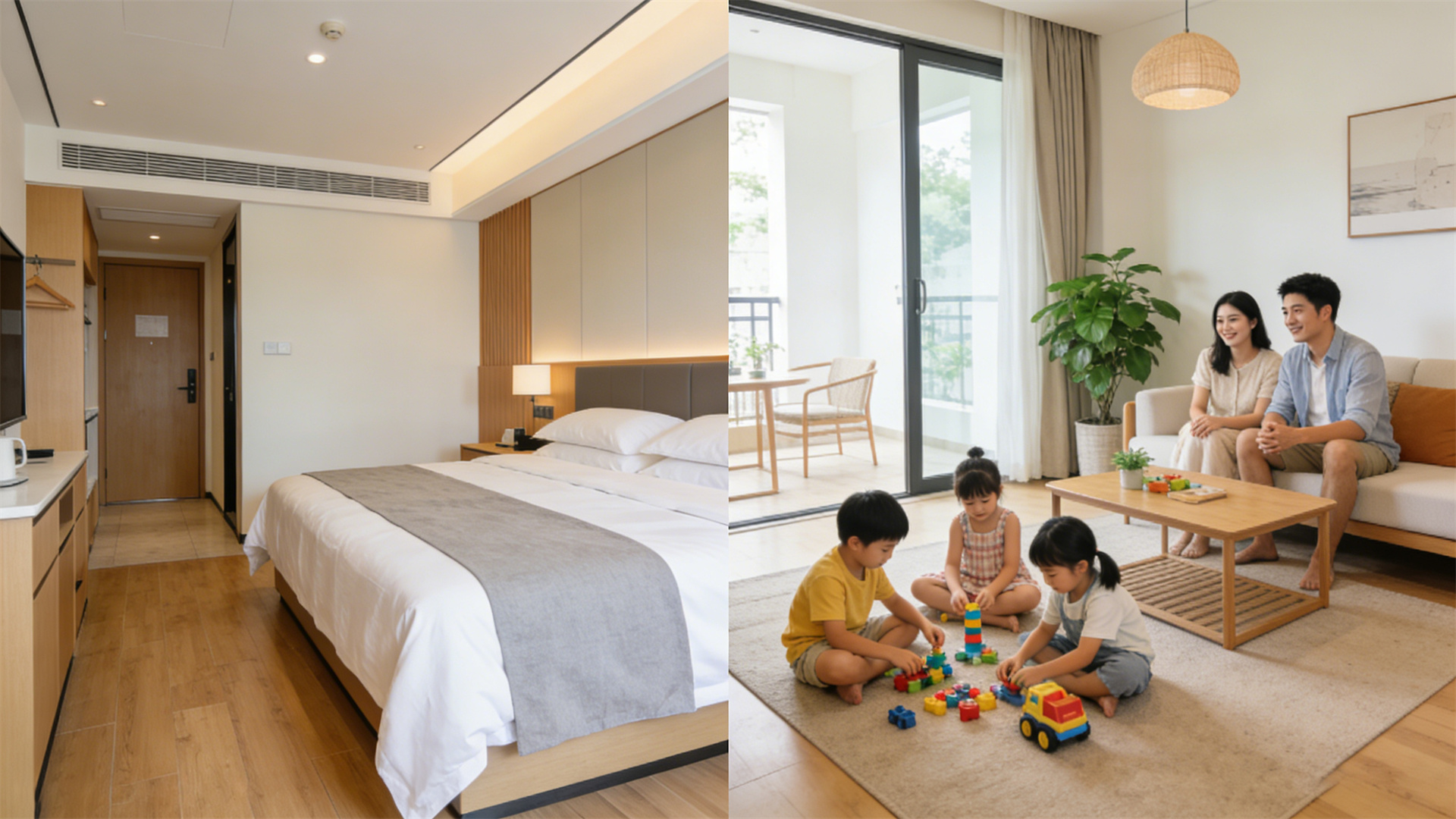
Space and privacy define a major fault line between the two options. Hotels package comfort into efficient, standardized units. You get a room, or a suite, with ensuite facilities. Socializing typically happens in public areas like the lobby bar or restaurant. Airbnb unlocks a different concept: living space. This means separate bedrooms, a full kitchen, a living room, and often private outdoor areas like a balcony or garden. For families with young children, this is transformative. Parents can put kids to bed in a separate room and still have a space to relax, or prepare meals and snacks on their own schedule. For groups of friends, it eliminates the "hotel room congregate" dynamic, offering common space to hang out without bothering neighboring guests. A hotel, conversely, offers the freedom from household chores. You return to a made bed and fresh towels without lifting a finger—a luxury for solo travelers or couples seeking a true escape from daily responsibilities.
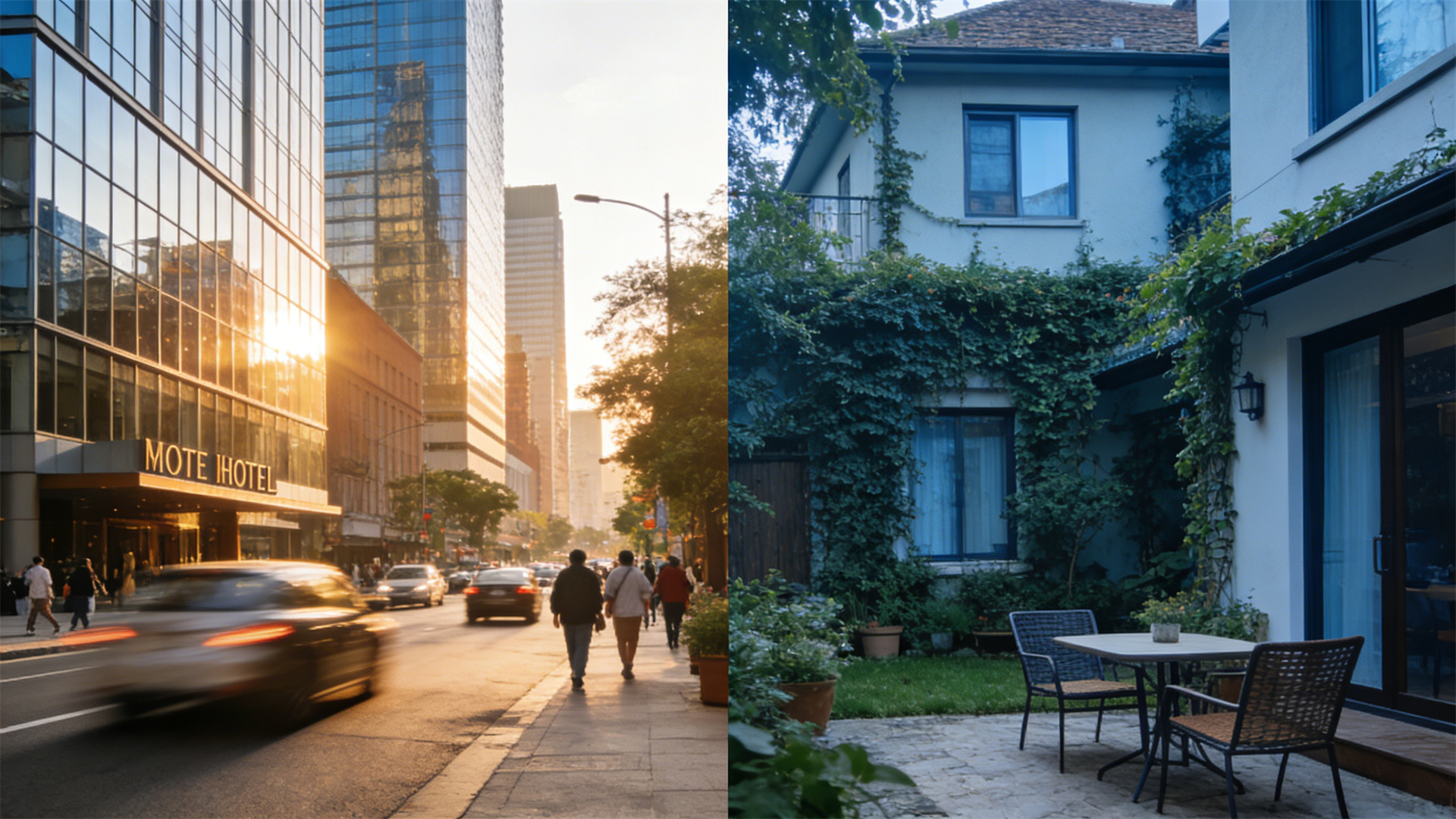
Location often follows distinct patterns. Hotels are concentrated in commercial districts, downtown cores, near airports, and around major tourist hubs. This is a tremendous advantage for business travelers or short city break tourists who prioritize being steps away from meetings, conferences, and key attractions. You’re in the heart of the action, often with excellent public transport links. Airbnb listings, by their nature, are dispersed throughout residential neighborhoods. This allows you to live like a local, shopping at nearby markets, discovering neighborhood cafes untouched by tourists, and experiencing the city's authentic rhythm. However, this "authentic" location might mean a 20-minute subway ride to the main sights. The convenience of a hotel's central address must be weighed against the potential for a more immersive, community-based experience that an Airbnb in a residential arrondissement, barrio, or suburb can provide.
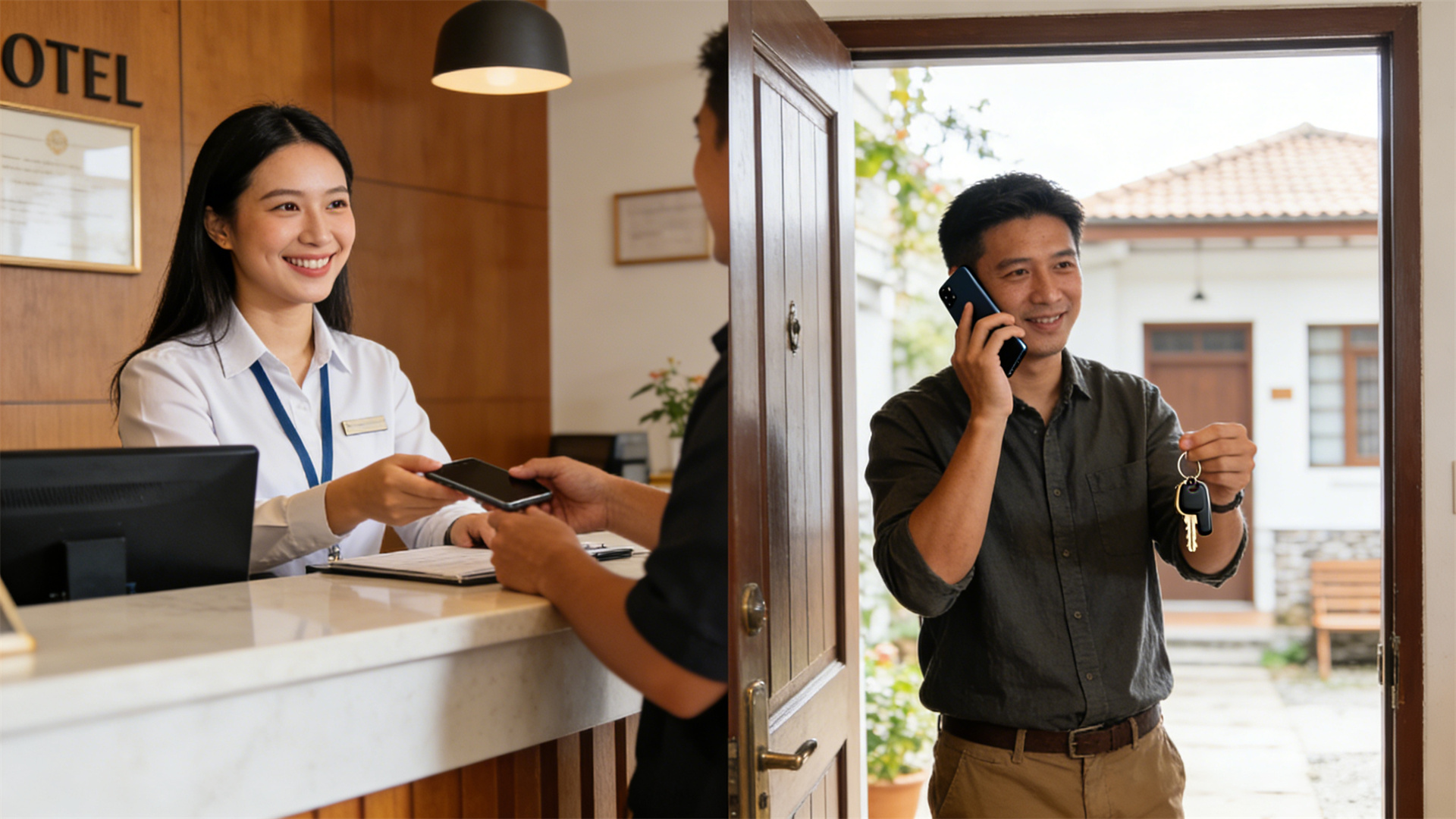
Consistency and convenience are where hotels have a built-in, professional edge. Checking into a major hotel chain brings a predictable level of quality, safety, and service. There’s a 24/7 front desk to receive parcels, give recommendations, or handle issues. Need more towels? A quick phone call delivers them. Services like daily cleaning, room service, concierge, and on-site maintenance are part of the package. Staying at an Airbnb is a transaction with an individual host. The experience hinges entirely on that host's professionalism and responsiveness. A great host provides a seamless stay, a curated guidebook, and quick answers. A poor or absent host can turn a minor issue (a lost key, a malfunctioning appliance) into a major ordeal with no immediate on-site support. The hotel offers turnkey, reliable convenience; the Airbnb offers a more independent, and sometimes adventurous, mode of stay.

The amenity battle is a clash of concepts. Hotel amenities are shared, curated, and service-oriented: a sparkling swimming pool, a fully-equipped business center, a valet, a spa, multiple restaurants, and bars. They are designed for convenience and leisure within the property's ecosystem. Airbnb amenities are what you find in a home. The king here is the full kitchen, allowing for cost-saving meals and dietary flexibility. In-unit laundry is a game-changer for long trips or families. You might find a backyard, a bookshelf of novels, board games, or a Netflix-enabled TV—amenities that foster a slower, more settled form of travel. However, you trade the service and polish of hotel amenities for the practicality and personal touch of a home.

The experience itself is fundamentally different. A hotel stay, especially at a resort or boutique property, is an experience in curated hospitality. It’s about being looked after, enjoying designed spaces, and often participating in organized activities. An Airbnb stay is an exercise in temporary residency. It’s about pretending to live in Paris, Tokyo, or Lisbon. You navigate the local supermarket, cook with regional ingredients, and commute like a local. This immersive quality is Airbnb's greatest magic for travelers seeking depth over luxury. It fosters a connection to a neighborhood rather than an institution.
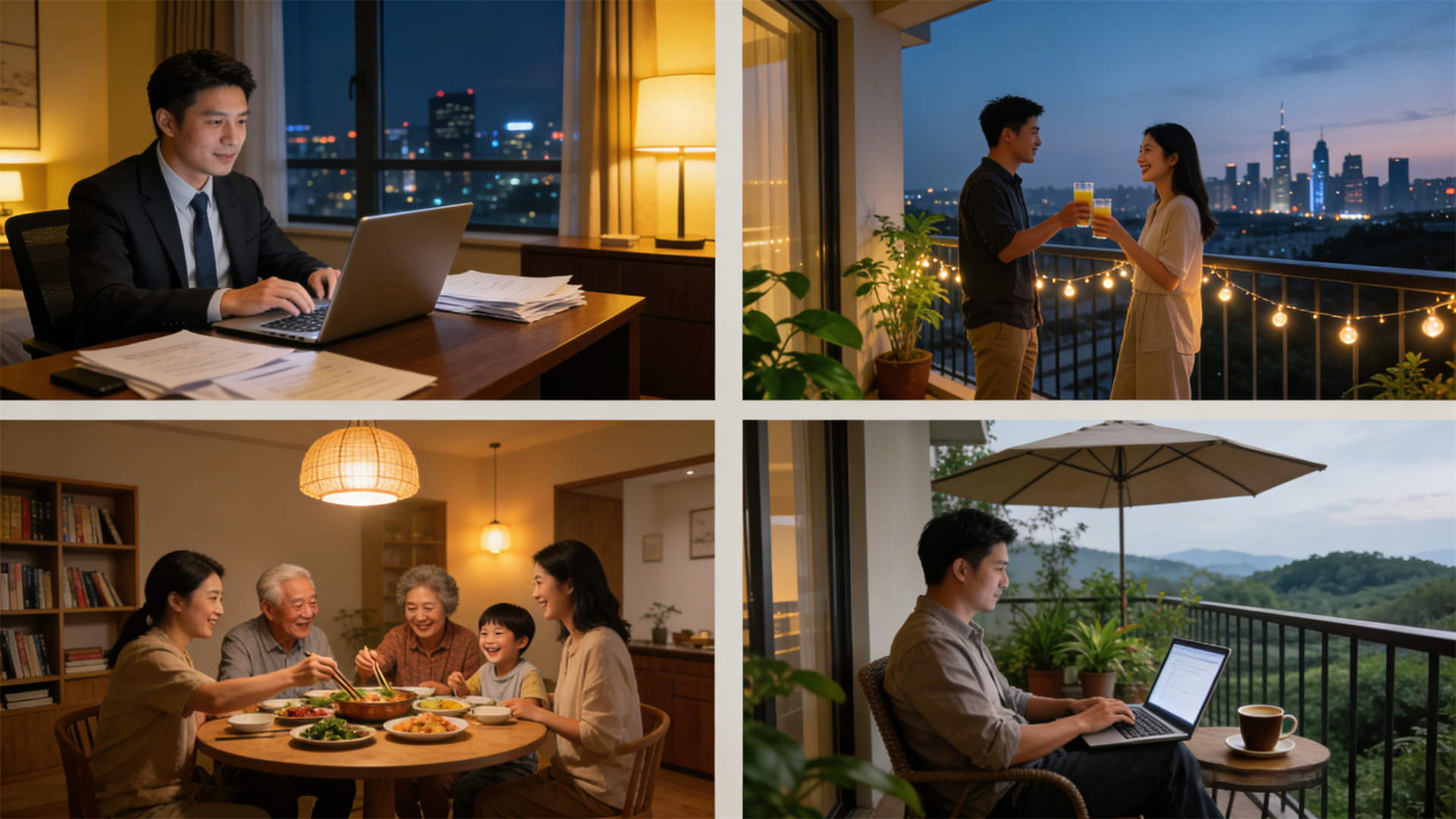
So, which wins for your trip type? For the solo traveler or business tripper, hotels are typically superior. The convenience, security, central location, reliable Wi-Fi, and amenities like a gym or lobby workspace are unmatched. For couples on a romantic getaway, boutique hotels or high-end resorts often provide the pampering, ambiance, and on-site dining that define a special escape. A luxurious Airbnb with a great view can work, but lacks the integrated services. For families or large groups, Airbnb is frequently the champion. The space, multiple bedrooms, kitchen, and common areas save sanity and money. The ability to maintain routines and have downtime is priceless. For long-term travelers or digital nomads (stays over two weeks), Airbnb’s home-like comforts, laundry, and potential for monthly discounts make it the only practical choice, though extended-stay hotels are a viable hybrid. For friends on a weekend city break, the choice splits. If the goal is non-stop sightseeing and going out, a centrally-located hotel’s simplicity wins. If the plan includes cooking together and relaxing in a shared space, an Airbnb enhances the social trip.

In the end, the hotel versus Airbnb debate isn't about finding a permanent favorite. It's about becoming a more intentional traveler. Before you book, audit your trip's priorities: Is it efficiency or immersion? Compact luxury or sprawling practicality? Being served or being independent? By matching your accommodation’s strengths to your travel itinerary’s personality, you ensure your chosen "home base" becomes a facilitator of your best trip, not a compromise you endure. The perfect stay isn't defined by a brand, but by how seamlessly it supports the story you want to live.