
In a world dominated by hashtags like #cleaneating and shelves bursting with powders and pills promising miraculous health benefits, the term "superfood" has become a nutritional mantra. We chase açai from the Amazon, quinoa from the Andes, and spirulina from distant labs, believing that salvation lies in a single, exotic ingredient. Yet, this frantic pursuit often leaves us disconnected—from our food, its origins, and the simple pleasure of eating. It’s time to shift the focus from the microscopic nutrient profile to the macroscopic story on our plates. Enter the "Slow Food" movement, a philosophy that offers a profoundly different, and perhaps more satisfying, recipe for well-being.

The Slow Food movement began as a quiet protest in the heart of Rome in 1986. When a McDonald's was slated to open near the historic Spanish Steps, Italian journalist and activist Carlo Petrini saw it as a symbol of a looming crisis: the global homogenization of taste and the erosion of local food traditions. In response, he founded an organization dedicated to preserving regional cuisines, protecting biodiversity, and promoting a lifestyle that rejects fast food in all its forms. Slow Food is not merely about eating at a leisurely pace; it is a holistic approach that connects the plate to the planet, advocating for food that is "good, clean, and fair." It challenges the very foundation of our modern, industrialized food system by asking us to consider where our food comes from, who grows it, and at what cost to our environment and society.
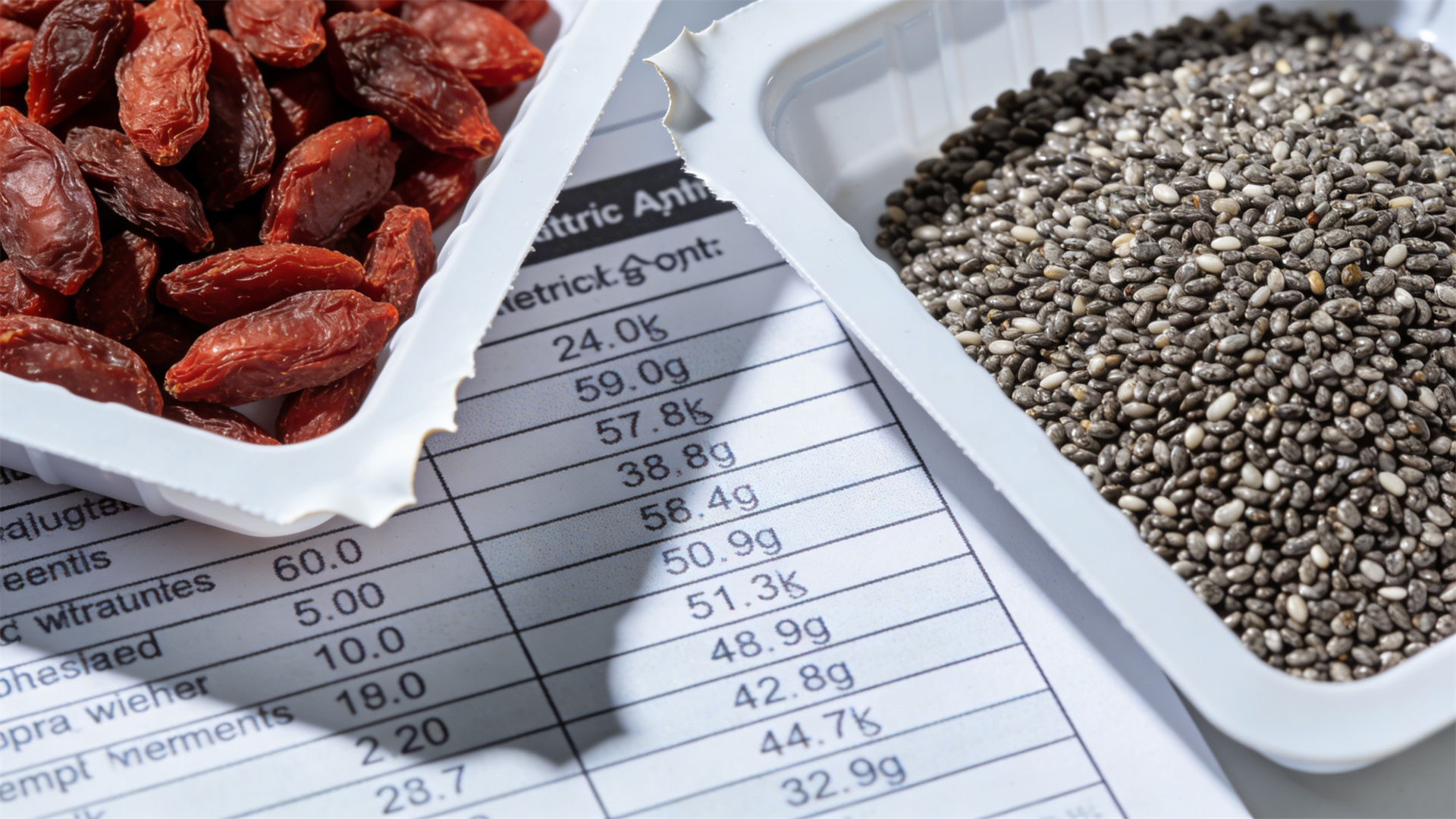
This stands in stark contrast to the "superfood" phenomenon. The superfood narrative is reductionist. It isolates specific compounds—antioxidants in goji berries, omega-3s in chia seeds—and magnifies their potential effects, often based on preliminary scientific studies. This fixation on isolated nutrients leads to what experts call "nutritionism," where the value of food is stripped down to a handful of bioactive components, ignoring the complex synergy within whole foods and the dietary context. Moreover, the superfood craze fuels a problematic industry. It can drive unsustainable demand, leading to overharvesting, price spikes that hurt local communities where these foods are staples, and a significant carbon footprint from global transport. Ultimately, it reduces eating to a clinical act of nutrient consumption, devoid of culture, seasonality, or joy.
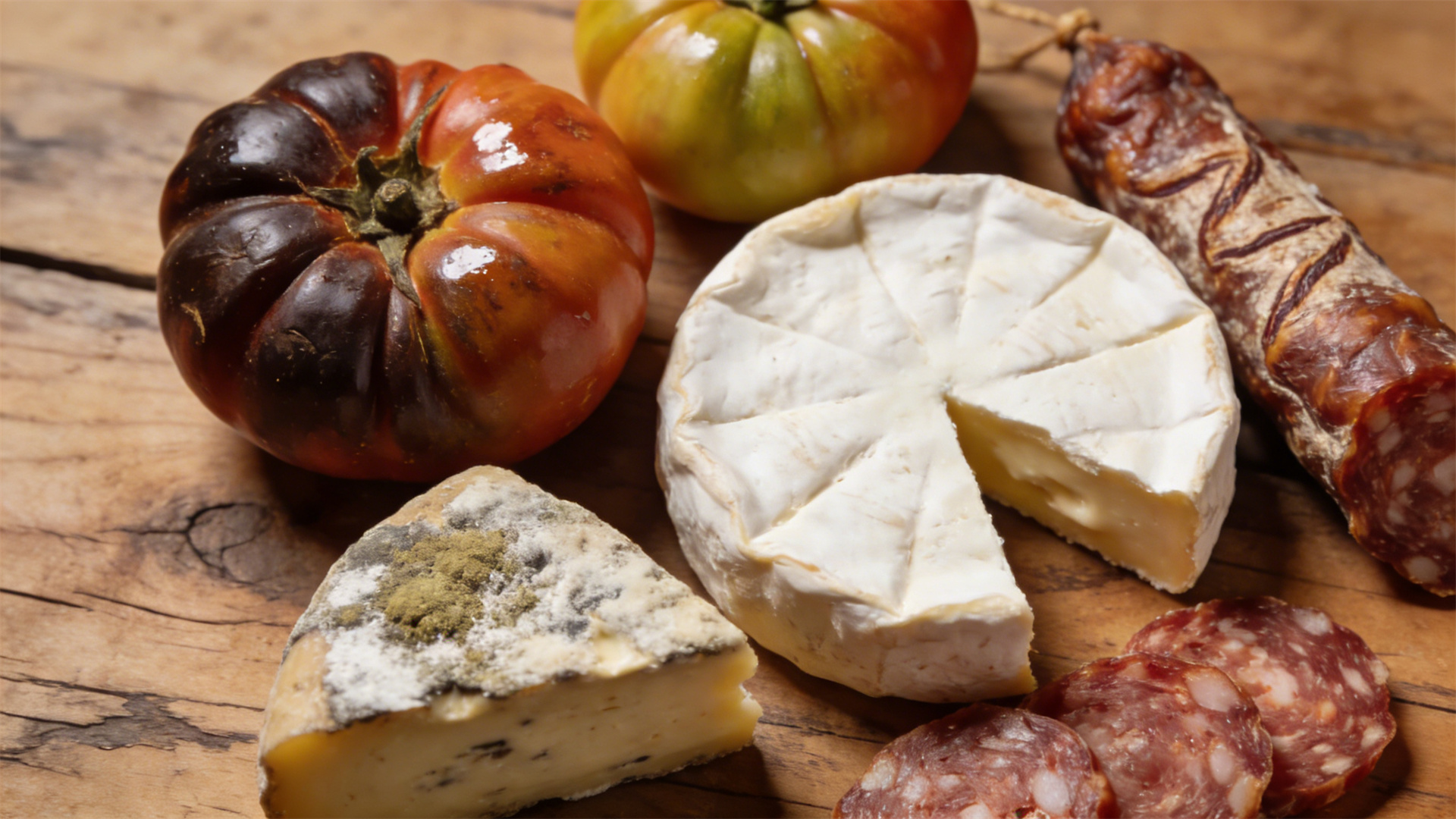
At its core, Slow Food champions biodiversity as the true superpower. Industrial agriculture relies on a shockingly narrow range of plant and animal species, making our food supply vulnerable and ecologically bland. Slow Food’s "Ark of Taste" is a living catalog of thousands of forgotten fruits, vegetable varieties, cheeses, and animal breeds facing extinction. By seeking out and consuming these heritage foods—a specific type of heirloom tomato, a rare breed of pig, a traditional artisan cheese—we vote with our forks for genetic diversity. This biodiversity is not a culinary luxury; it is essential for ecosystem resilience, adaptation to climate change, and preserving a vast repository of flavors and nutritional profiles that mono-cropping can never provide.
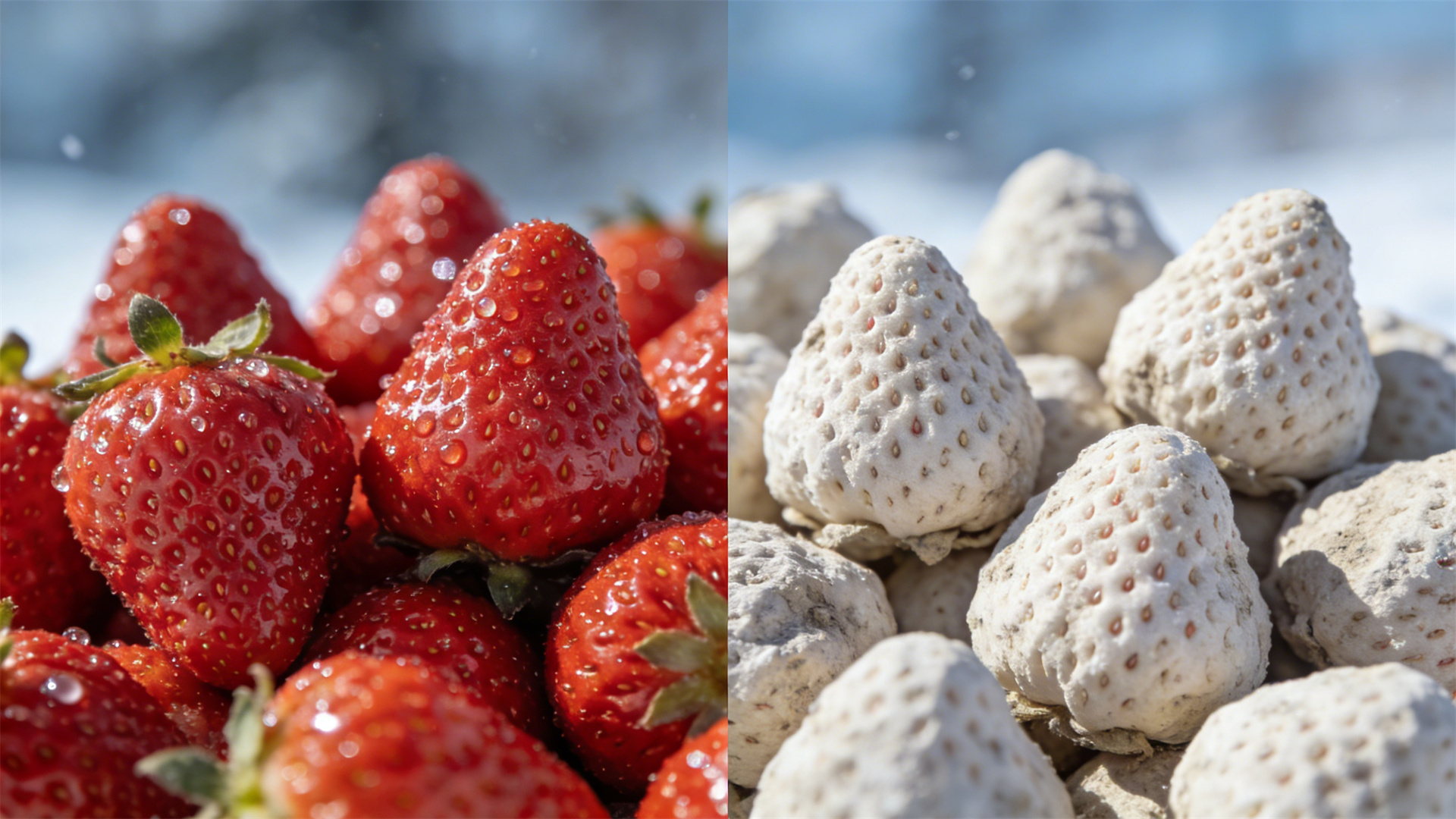
A fundamental pillar of Slow Food is the emphasis on local and seasonal eating. This principle reweaves the broken connection between consumers and their regional foodscape. When you eat what is grown nearby and in season, you are guaranteed freshness and peak flavor. A strawberry picked ripe from a local farm in June is a different universe of taste compared to its hard, pale counterpart shipped across continents in December. Seasonality naturally varies our diet, exposing us to a wider range of nutrients throughout the year. Economically, it supports local farmers and keeps money circulating within the community. Ecologically, it drastically cuts down on "food miles," the long-distance transportation that contributes significantly to greenhouse gas emissions and packaging waste.

Slow Food elevates the act of eating from mere fuel intake to a cultural and sensory experience—a concept encapsulated by the Italian word "conviviality." It argues that how we eat is as important as what we eat. This means taking time to prepare meals, setting a proper table, and sharing food with family and friends. It’s about engaging all the senses: appreciating the colors on the plate, the aromas from the kitchen, the varied textures, and the layered flavors. This mindful approach to meals encourages better digestion, fosters stronger social bonds, and cultivates gratitude. In a culture of desk lunches and dashboard dinners, reclaiming the meal as a sacred time for connection and pleasure is a radical act of self-care and community building.
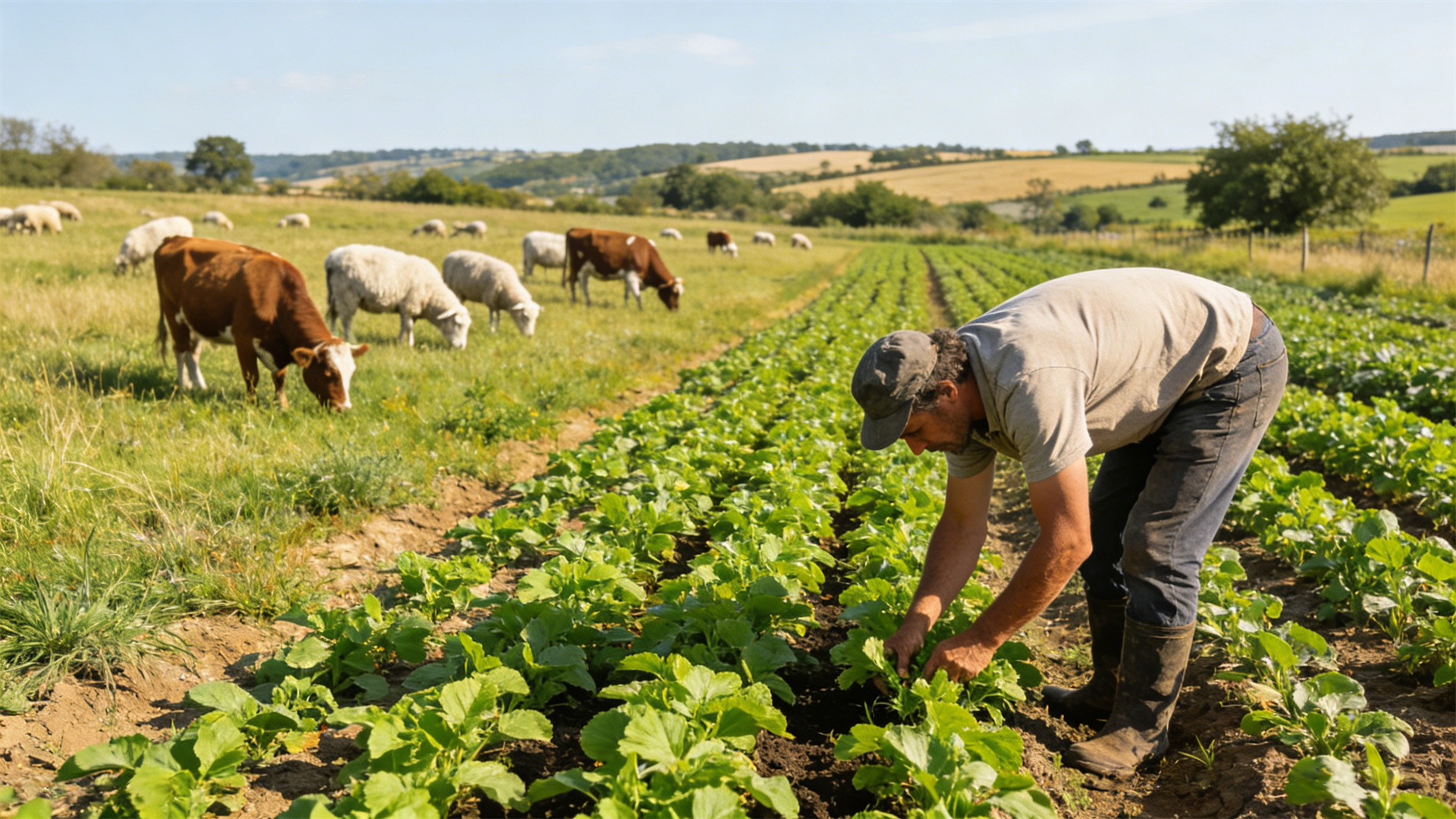
The movement is inextricably linked to sustainable and ethical agriculture. "Clean" food, in the Slow Food lexicon, means food produced with minimal harm to the environment, animal welfare, and human health. This inherently supports organic farming, regenerative agriculture, and humane animal husbandry practices. It asks us to consider the true cost of cheap food: the soil degradation, water pollution, loss of wildlife habitat, and the treatment of farm workers. By choosing food from producers who respect these principles, we support systems that replenish the earth rather than deplete it. We acknowledge that the health of the soil is directly linked to the nutrient density of our food and the long-term health of our planet.
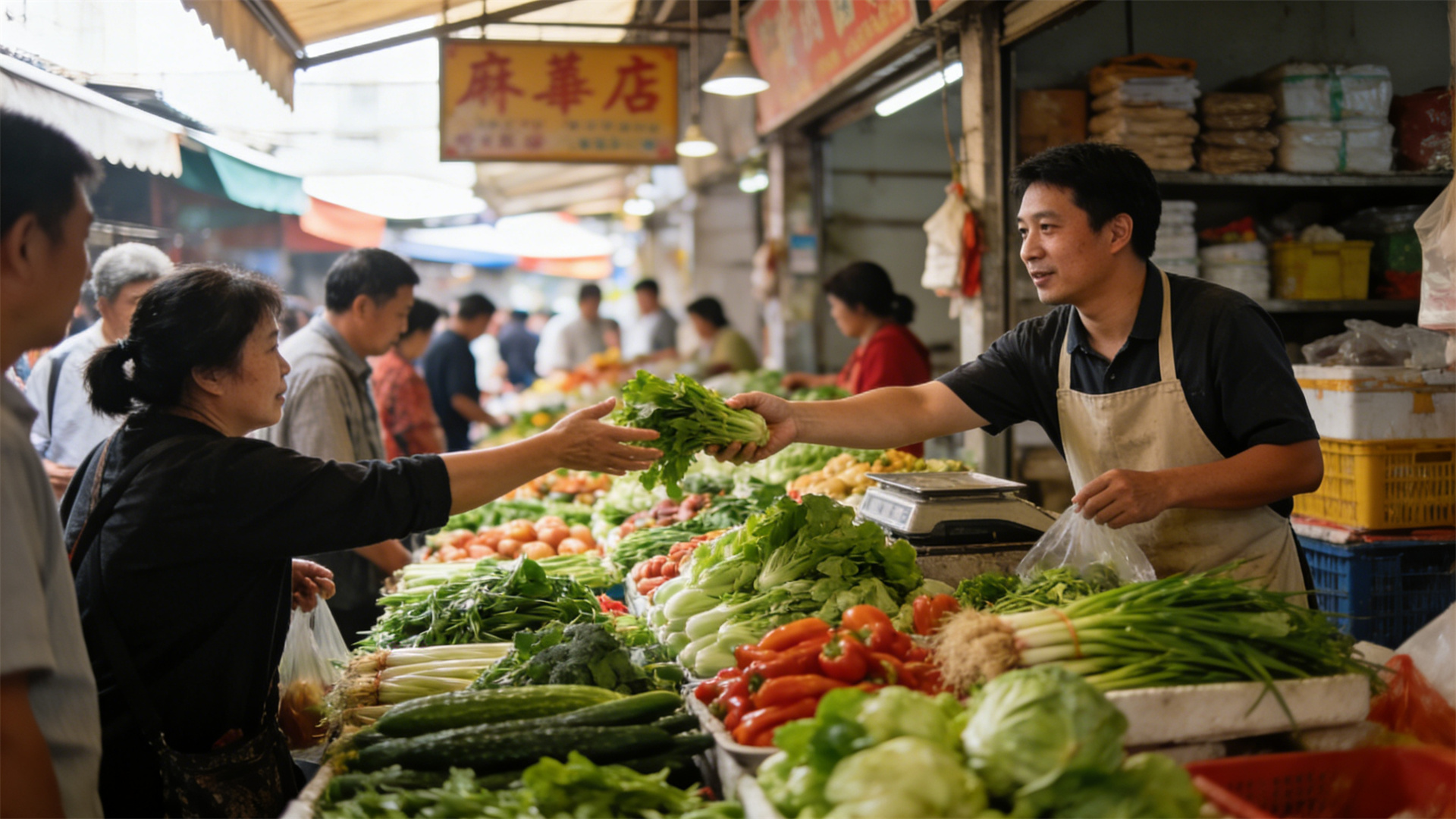
Finally, Slow Food is about accessibility and fairness. The "fair" component ensures that small-scale producers receive just compensation for their work, that food workers are treated with dignity, and that good food is a right, not a privilege. This manifests in supporting farmers' markets, Community Supported Agriculture (CSA) programs, and food co-ops. It also involves advocating for policies that level the playing field for small farmers against agricultural giants and working to address food deserts—urban or rural areas where access to affordable, nutritious food is limited. The goal is to build a food system that is equitable and inclusive, where everyone can partake in the benefits of good, clean food.
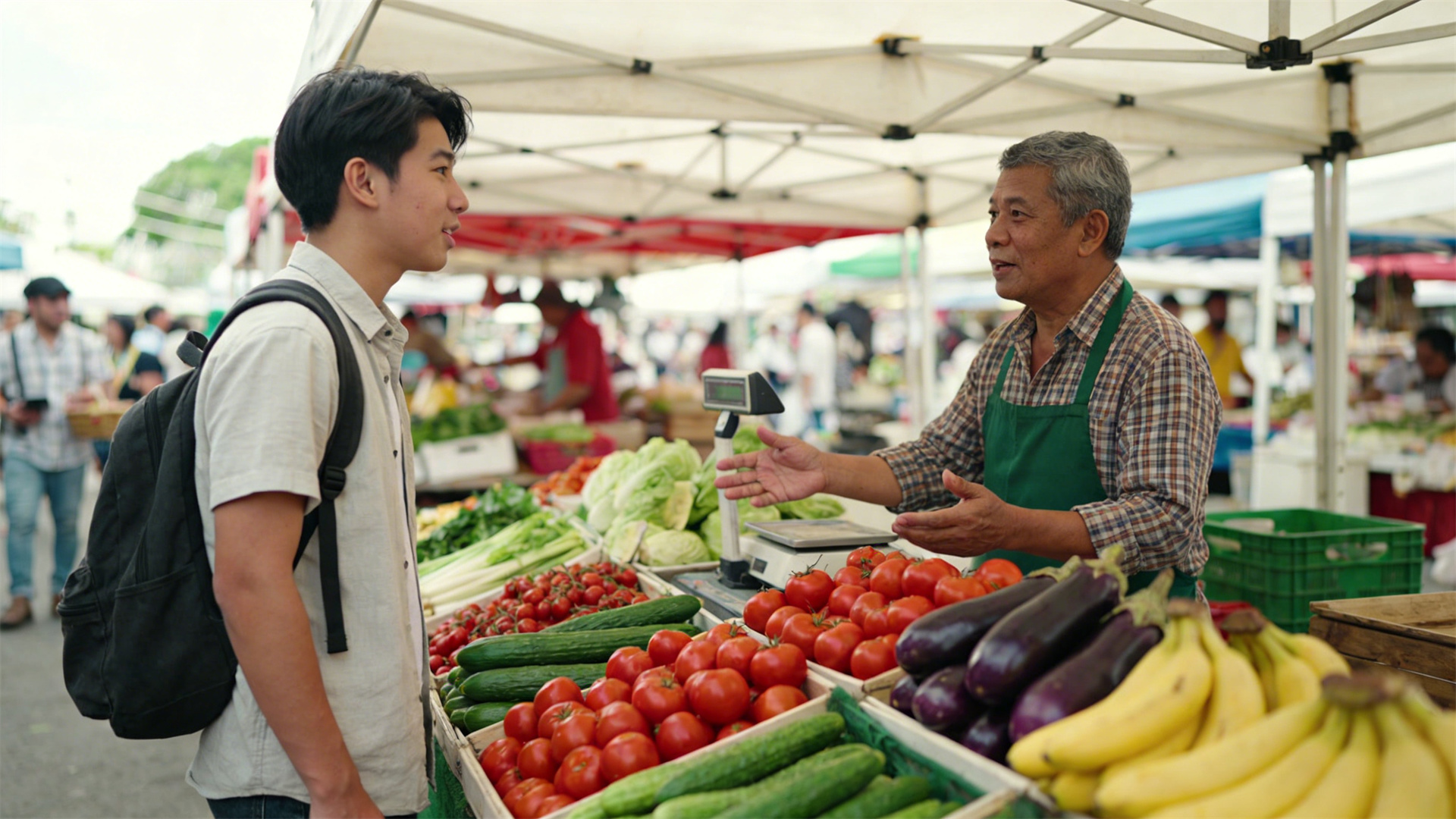
Embracing a Slow Food lifestyle doesn’t require a drastic, overnight overhaul. It begins with small, intentional choices. Start by visiting a local farmers' market and talking to the growers. Dedicate one meal a week to being a "slow meal," cooked from scratch and enjoyed without screens. Choose a piece of fruit or a vegetable you’ve never tried before, especially if it’s an heirloom variety. When shopping, ask questions about provenance. Reduce food waste by learning to use leftovers creatively and respecting the entirety of the ingredients. Most importantly, rediscover the pleasure of cooking and sharing food as a fundamental human ritual.

So, forget the isolated, trending superfoods promising a quick fix. Their allure is often a distraction from a deeper hunger—for connection, sustainability, and meaning. The Slow Food movement invites us on a different journey. It offers a richer, more nuanced definition of health that encompasses personal well-being, community vitality, and ecological balance. It’s not a restrictive diet but an expansive philosophy that nourishes body, culture, and earth simultaneously. In a fast-paced world, the most revolutionary act may be to simply slow down, savor what’s on your fork, and understand its story. That is the truly transformative power on your plate.