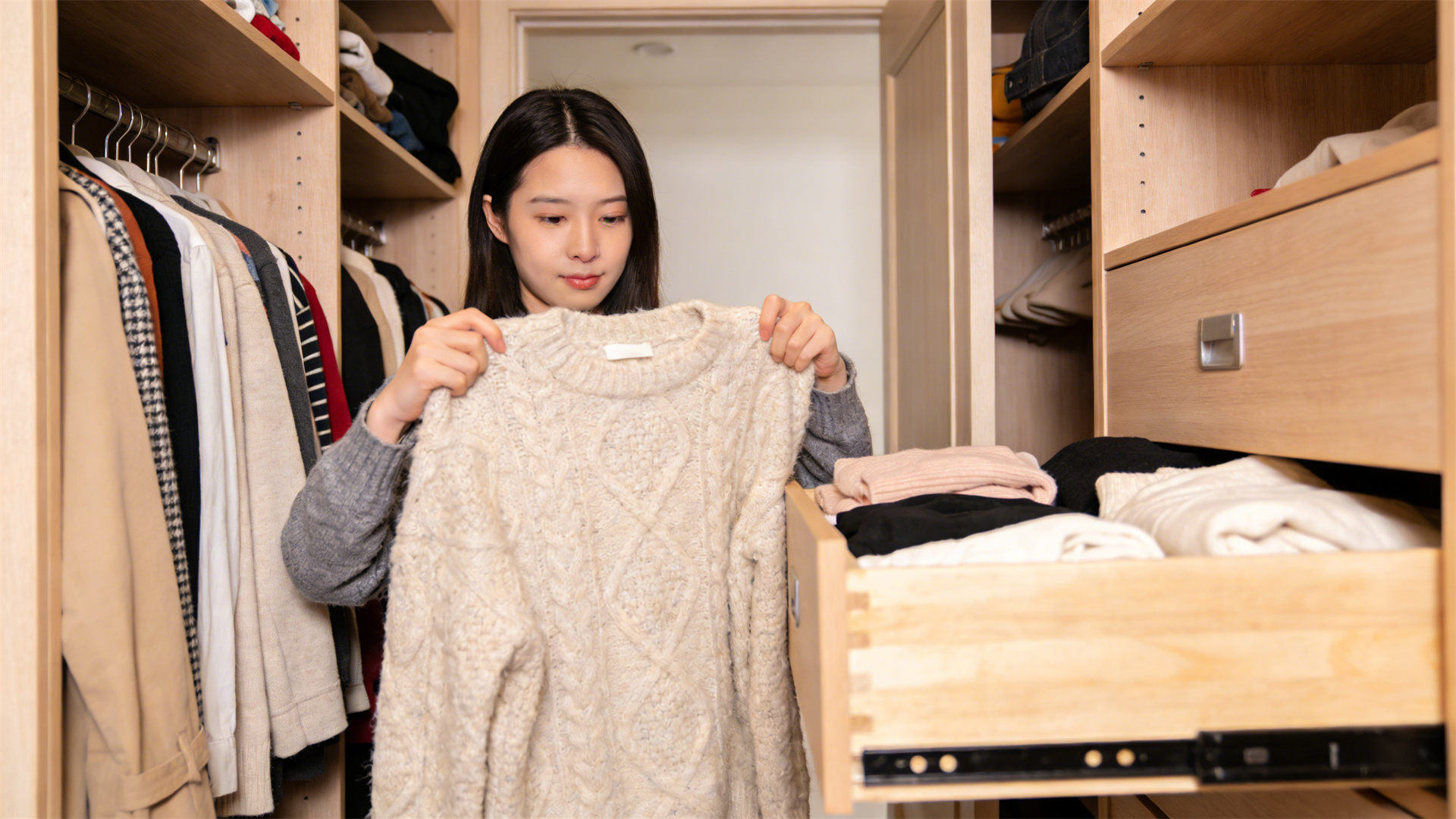
The eternal closet dilemma: to fold or to hang? This seemingly simple choice has profound implications for the longevity, appearance, and organization of your wardrobe. Making the wrong decision can lead to stretched shoulders, unwanted creases, and a chaotic storage system. There is no one-size-fits-all answer. The correct method depends entirely on the fabric, structure, and purpose of each individual garment. This guide will move beyond generic advice and provide a detailed, garment-by-garment breakdown to help you master the art of optimal clothing storage.
The Delicate Nature of Knits and Sweaters
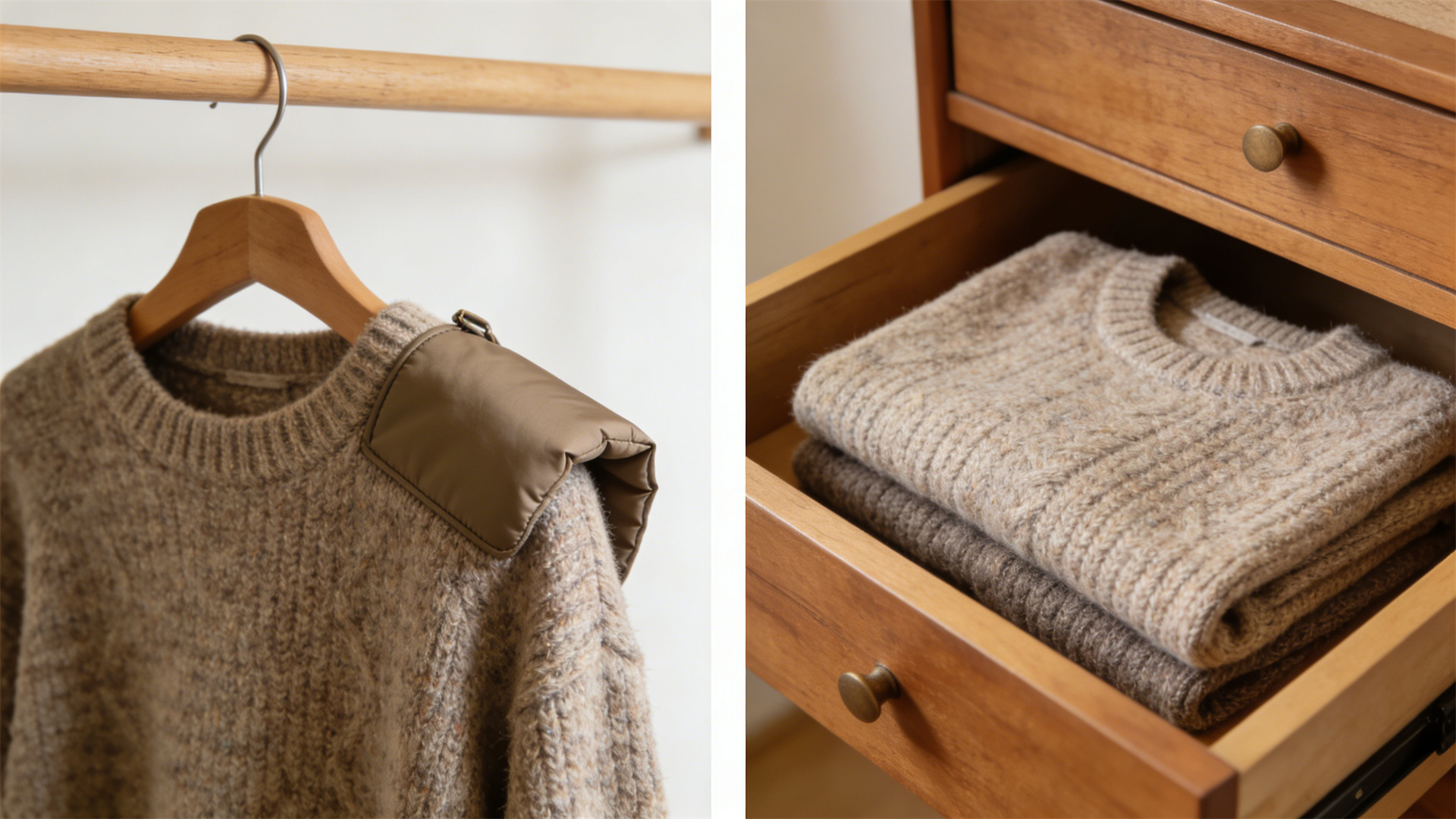
Knitwear, including sweaters, cardigans, and most casual sweatshirts, must always be folded. The reason is gravity. When hung on a hanger, especially a thin wire or plastic one, the weight of the garment pulls downward. This constant stress will inevitably stretch the shoulders, causing unsightly bumps or "hanger horns." Over time, the entire garment can lose its shape, becoming longer and misshapen. For heavier knits like wool or cashmere, this distortion is permanent. Folding respects the structure of the knit. The best practice is to fold sleeves in and then fold the garment into thirds or roll it neatly. Rolling can be particularly effective for saving space in drawers and minimizing crease lines in softer knits.
The Structured World of Woven Shirts and Blouses
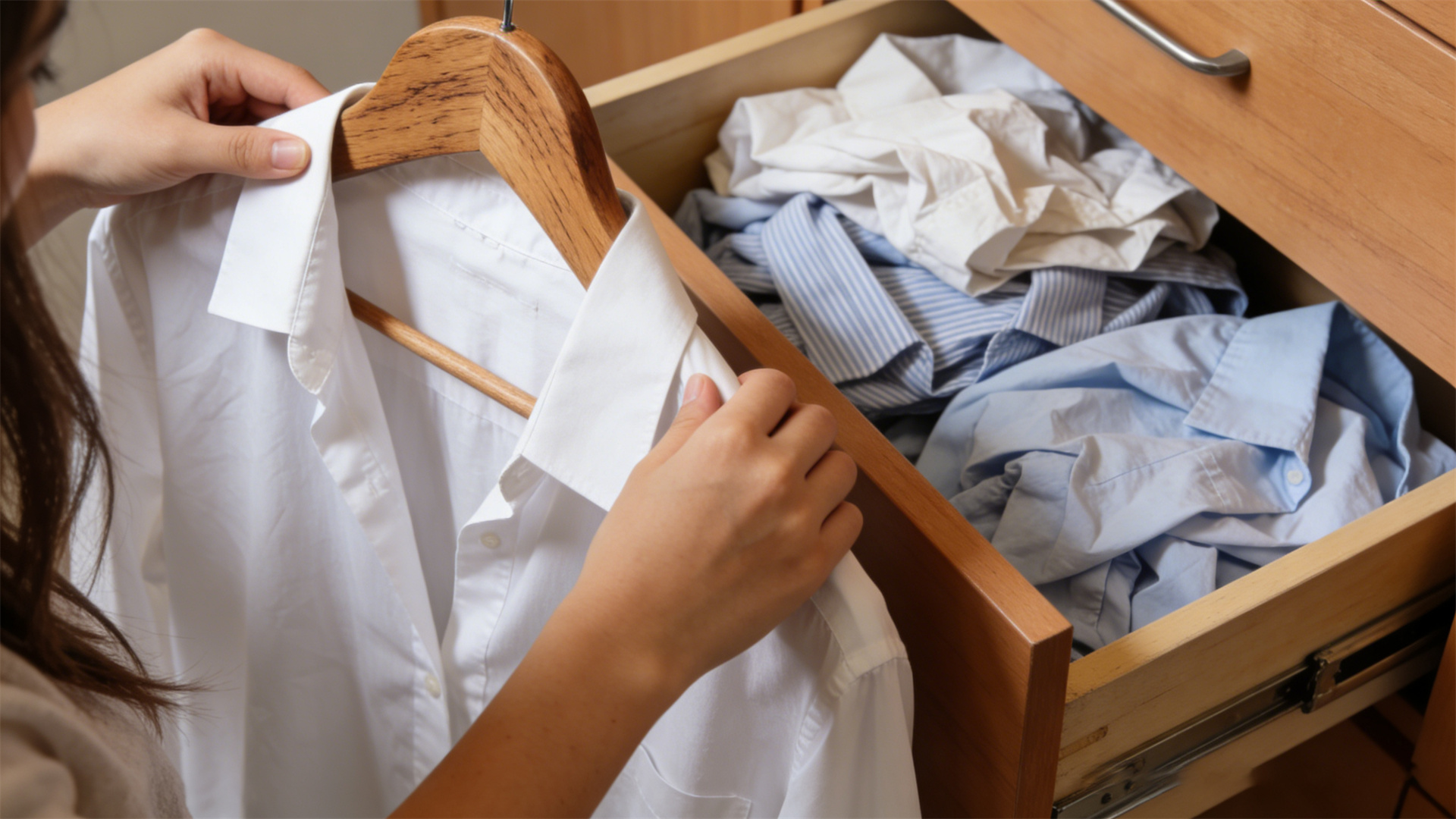
Dress shirts, blouses, button-downs, and any woven top with a defined structure are prime candidates for hanging. Hanging allows them to maintain their pressed appearance, air out, and avoids the deep, stubborn creases that can set in along fold lines. The key, however, is using the right hanger. Always opt for padded or contoured wooden hangers that mimic the natural slope of the shoulders. Thin wire hangers can create sharp points and do not provide adequate support. Button up the shirt partially (the top button and one in the middle) to help it hold its shape on the hanger. For fine fabrics like silk or linen, which crease exceptionally easily, hanging is almost non-negotiable if you want to minimize ironing.
The Special Case of Trousers and Jeans
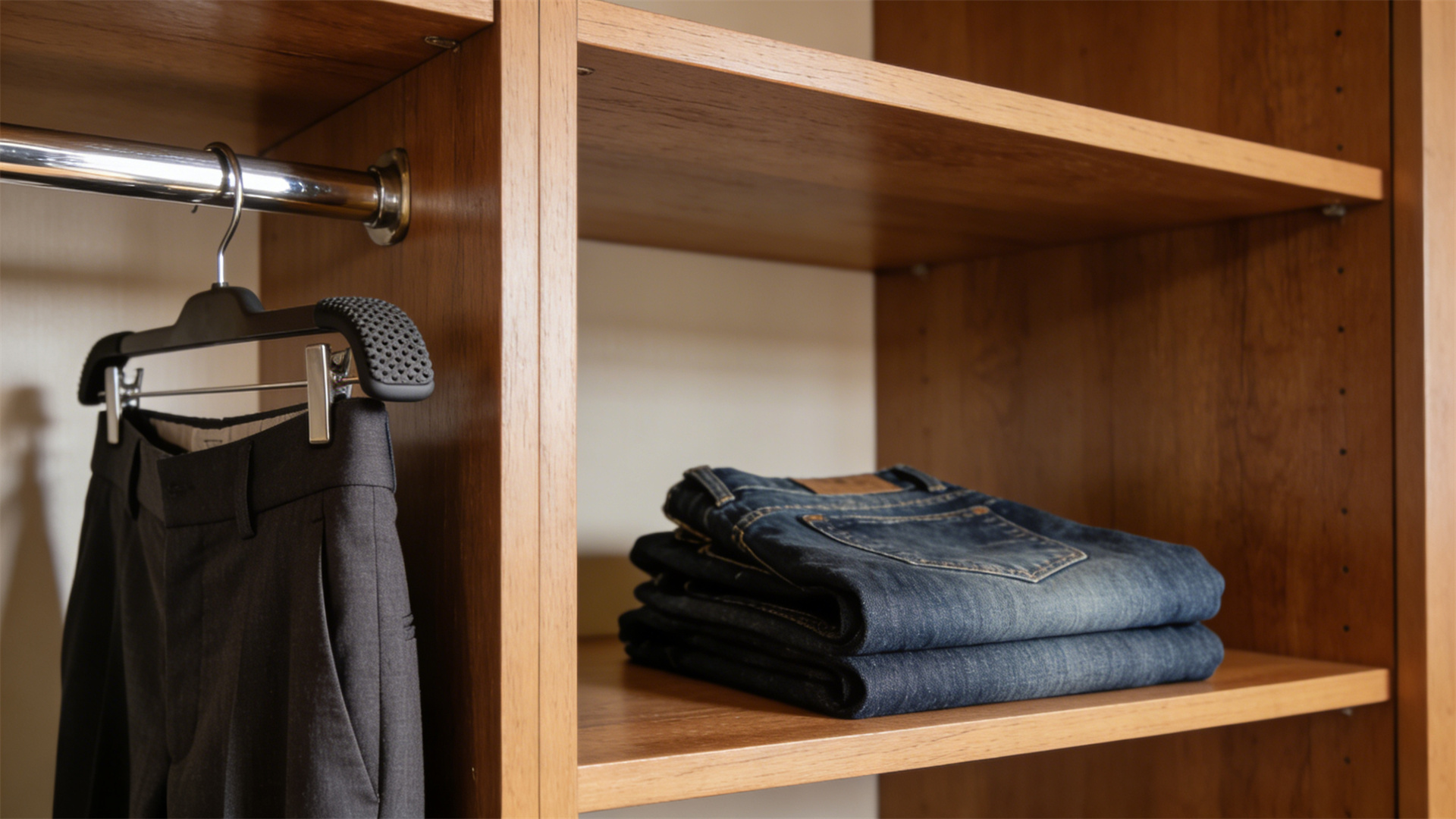
This category requires a split decision. Dress trousers, suit pants, and any tailored bottoms made from wool, tweed, or crease-prone fabrics should be hung. Use hangers with a sturdy, non-slip bar or clips. The best method is to drape them over the bar, aligning the crease (if any) neatly. Avoid clipping delicate fabrics directly, as the clips can leave marks; instead, fold the waistband over the bar. For jeans, chinos, and casual trousers made of sturdier cotton or denim, folding is perfectly acceptable and often more space-efficient. Heavy denim can be folded and stacked in a drawer. However, if you prefer to hang jeans, use a hanger with a wide, rounded bar to prevent a sharp crease at the fold point.
The Formalwear: Suits, Blazers, and Dresses
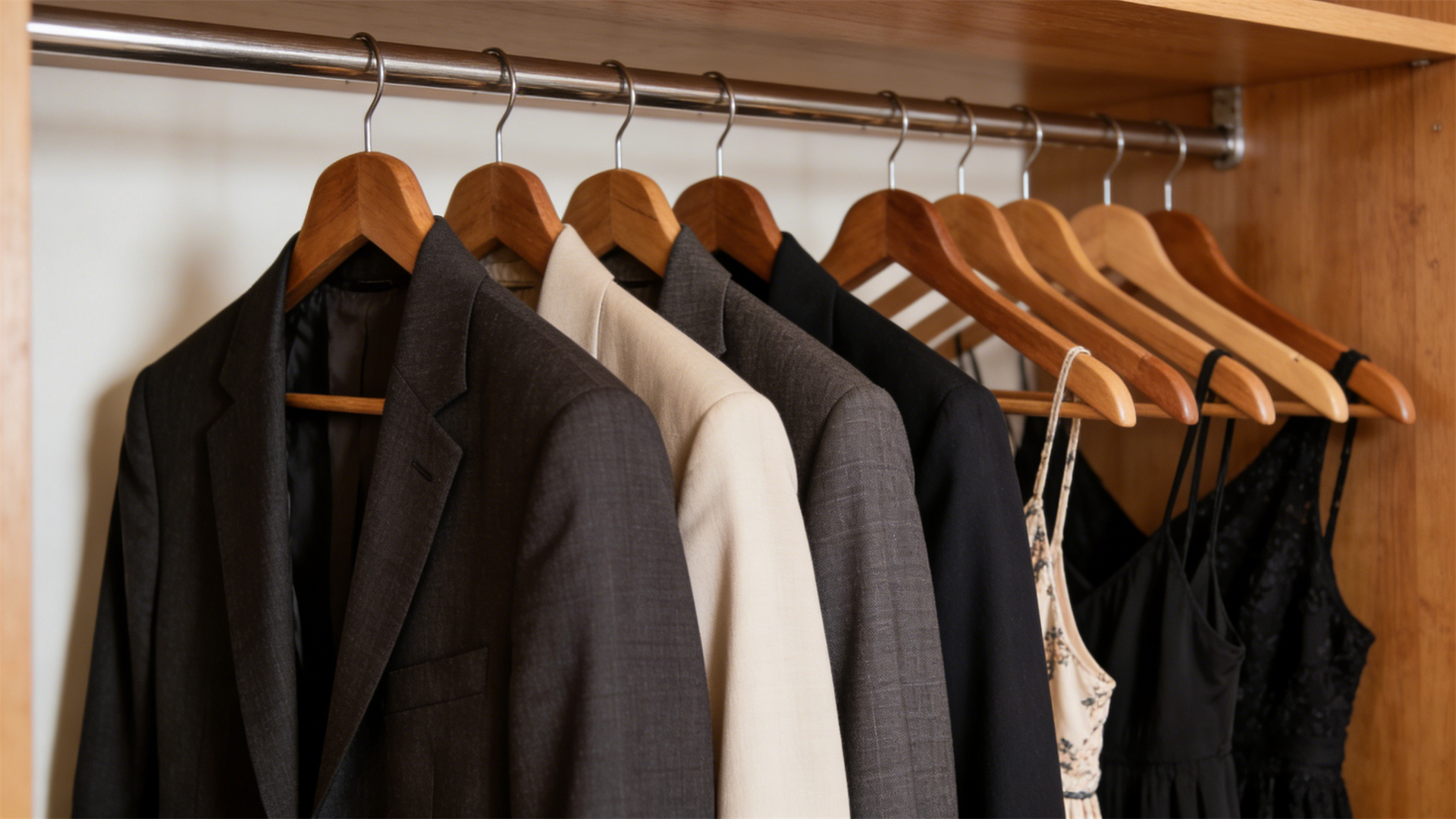
Formal and structured garments demand hanging to preserve their integrity. A suit jacket or blazer must be hung on a wide, contoured wooden hanger that supports the shoulders fully. This prevents the collar from curling and the shoulders from drooping. After wearing, allow the suit to air out on the hanger for a day before returning it to the closet, as this lets moisture evaporate. Dresses follow a similar rule. Structured sheaths, tailored sheaths, and any dress with defined shoulders or boning should be hung. Use padded hangers for delicate straps to prevent them from slipping or stretching. The goal is to let the garment hang naturally in its intended silhouette, avoiding pressure points that folding would create.
The Flexible Domain of T-Shirts, Polos, and Casual Tops
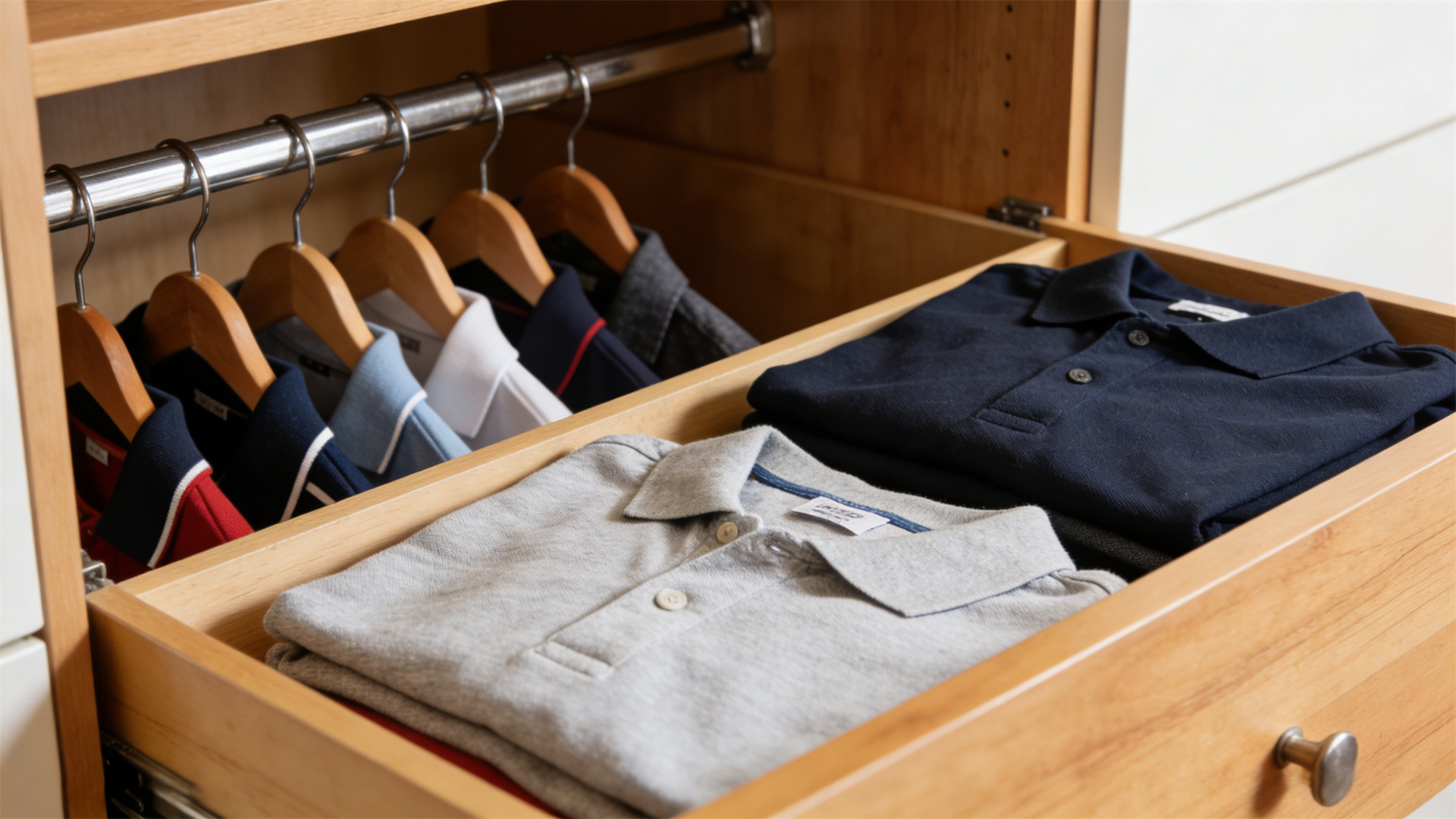
For everyday basics like t-shirts, polos, and long-sleeve casual knits, the choice between folding and hanging is often about space and personal preference. Folding is generally superior for organization and saving space, especially if you have a large collection. Stacked neatly in a drawer, folded tees are easy to see and access without disturbing others. Hanging a large number of t-shirts can overcrowd a closet and stretch the necklines over time, particularly if the hangers are too wide. However, hanging a few favorite graphic tees or polos you wear frequently is perfectly fine, provided the hanger fits properly. A good compromise is to fold and store seasonal items, while hanging a curated selection for daily wear.
The Delicate and Problematic Items
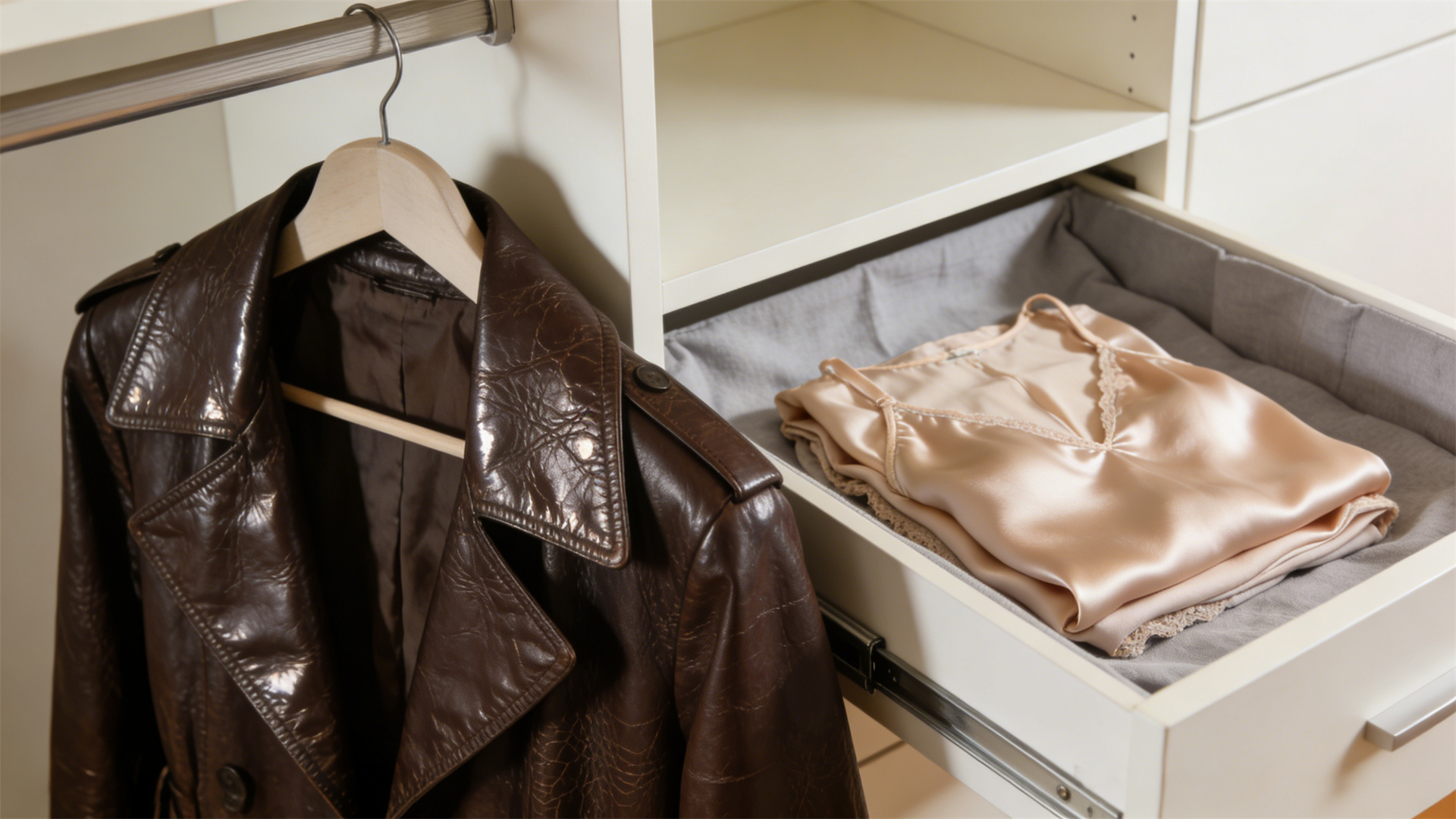
Certain garments require extra thought. Heavy items like winter coats and leather jackets should be hung on sturdy, padded hangers to maintain their shape, but ensure the closet isn't too tight. Delicate lingerie, silk camisoles, and lace items are always best folded gently in a drawer to prevent snagging and stretching. For bulky sweaters we've already deemed for folding, if drawer space is limited, they can be hung using clever methods like folding them over a hanger with the arms tucked through, but this is a space-saving compromise, not the ideal. Activewear made from technical fabrics (like workout leggings and shirts) is typically fine folded, as the materials are designed to be resilient.
Common Mistakes and Golden Rules
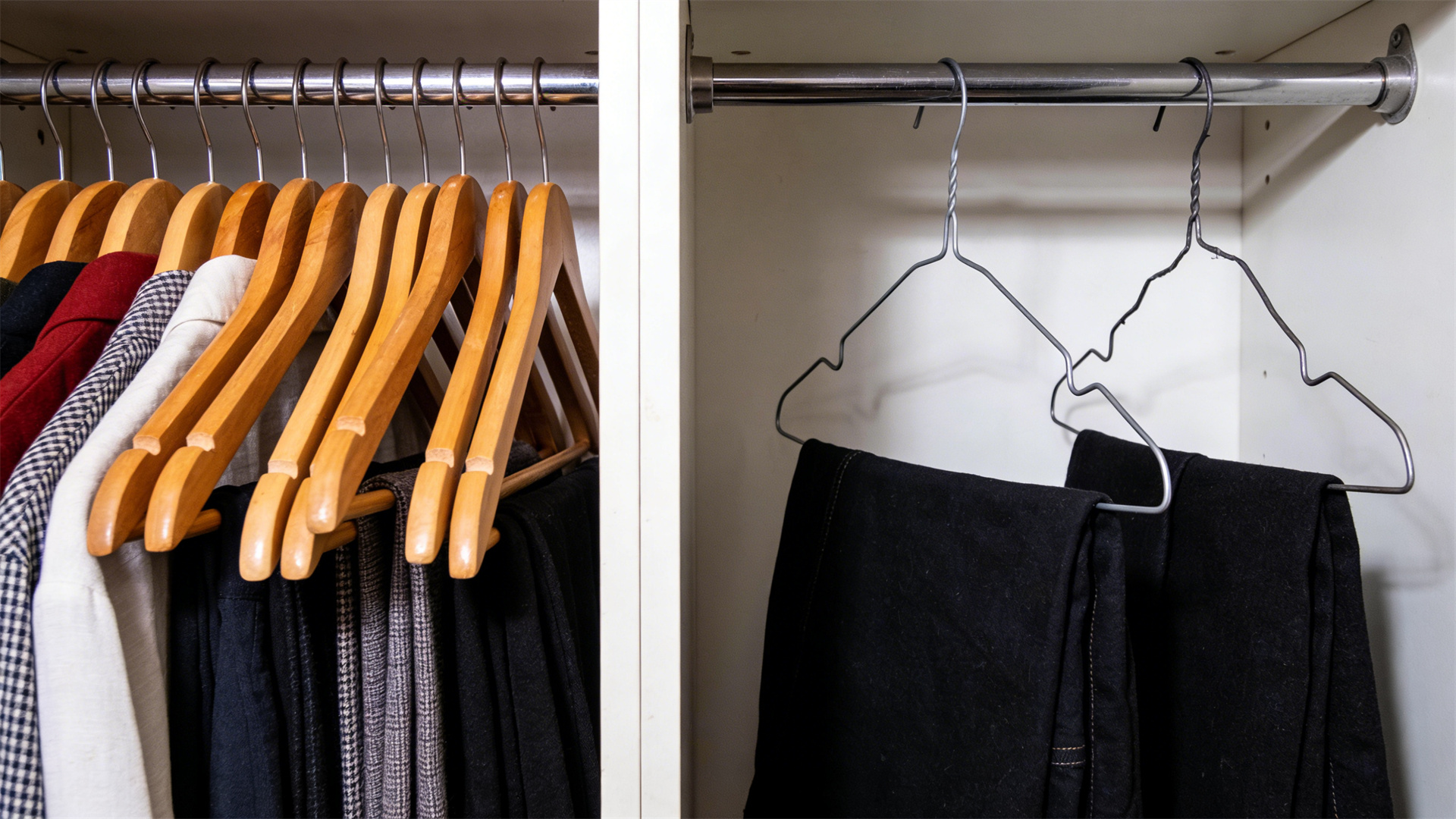
A few universal principles can guide your decisions. First, invest in quality hangers—uniform wooden or velvet-padded hangers transform a closet. Second, never hang wet or damp clothing, as this can stretch fabrics and promote mildew. Third, avoid wire hangers at all costs; they are the enemy of garment care. Fourth, for folded items, don't overstuff drawers, as the pressure can create deep, set-in wrinkles. Finally, let practicality reign. The best system is the one you will consistently maintain. A mix of folding and hanging, applied correctly to each garment type, will yield a closet that is both beautiful and functional, where every item is ready to wear and preserved for seasons to come.
Ultimately, mastering the fold-versus-hang conundrum is about understanding the language of your clothes. By treating each garment according to its fabric and form, you not only extend its life but also transform your daily routine. A thoughtfully organized closet saves time, reduces stress, and ensures you always present your best self. Let this guide be the first step toward a more harmonious and intentional relationship with your wardrobe.