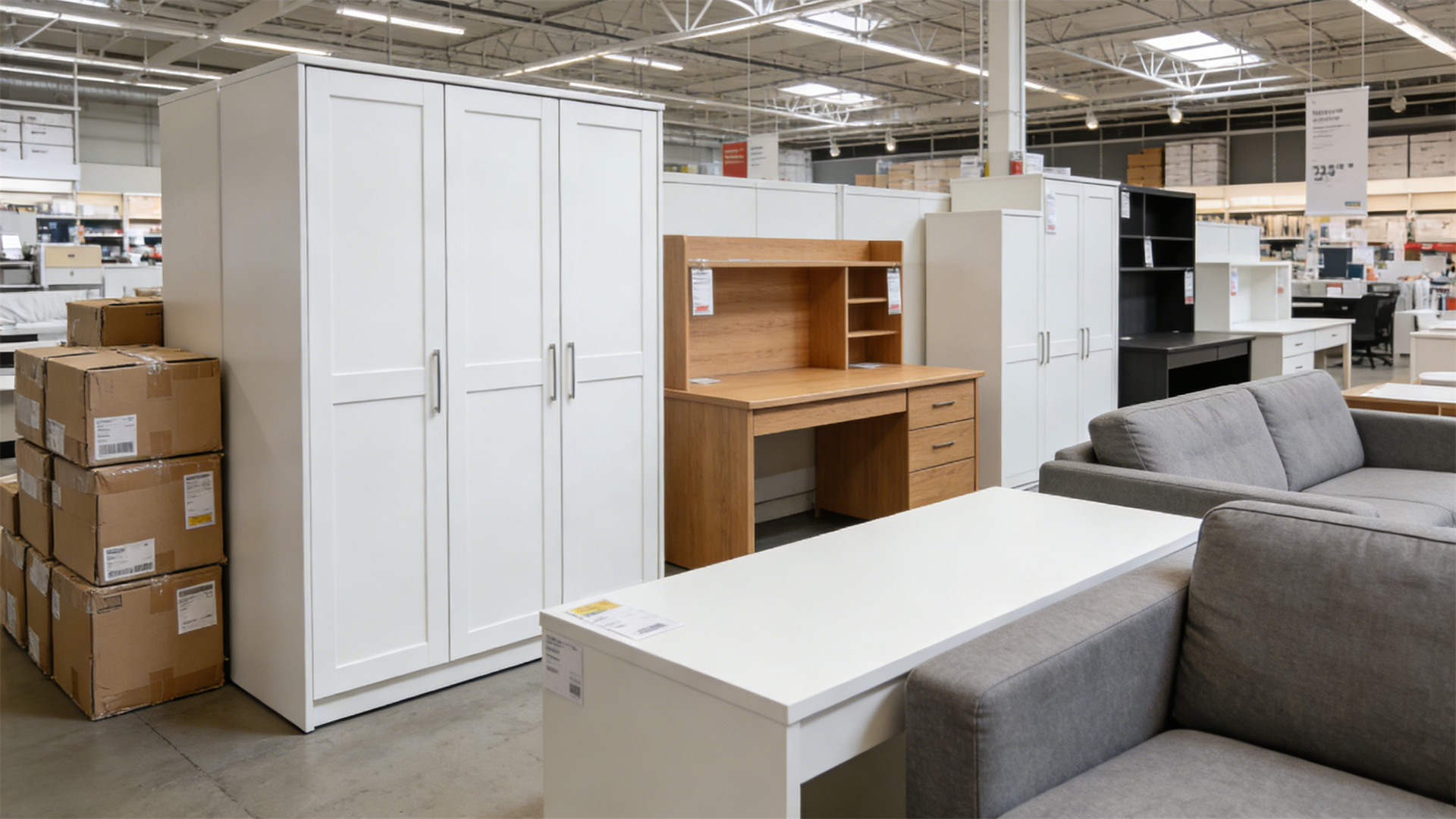
The siren song of flat-pack furniture is undeniable. Walk into any large retail store, and you're greeted by sprawling showrooms of stylish living rooms, cozy bedrooms, and efficient home offices—all tagged with surprisingly low prices. The promise is simple: significant savings in exchange for a bit of your time and effort. This model has revolutionized home furnishings, making design accessible. However, the true price tag of that "affordable" bookcase or desk often extends far beyond the digits on the receipt. The choice between flat-pack and pre-assembled furniture is not merely one of convenience versus cost; it's a complex calculation involving hidden investments of time, emotional energy, long-term durability, and even personal well-being.
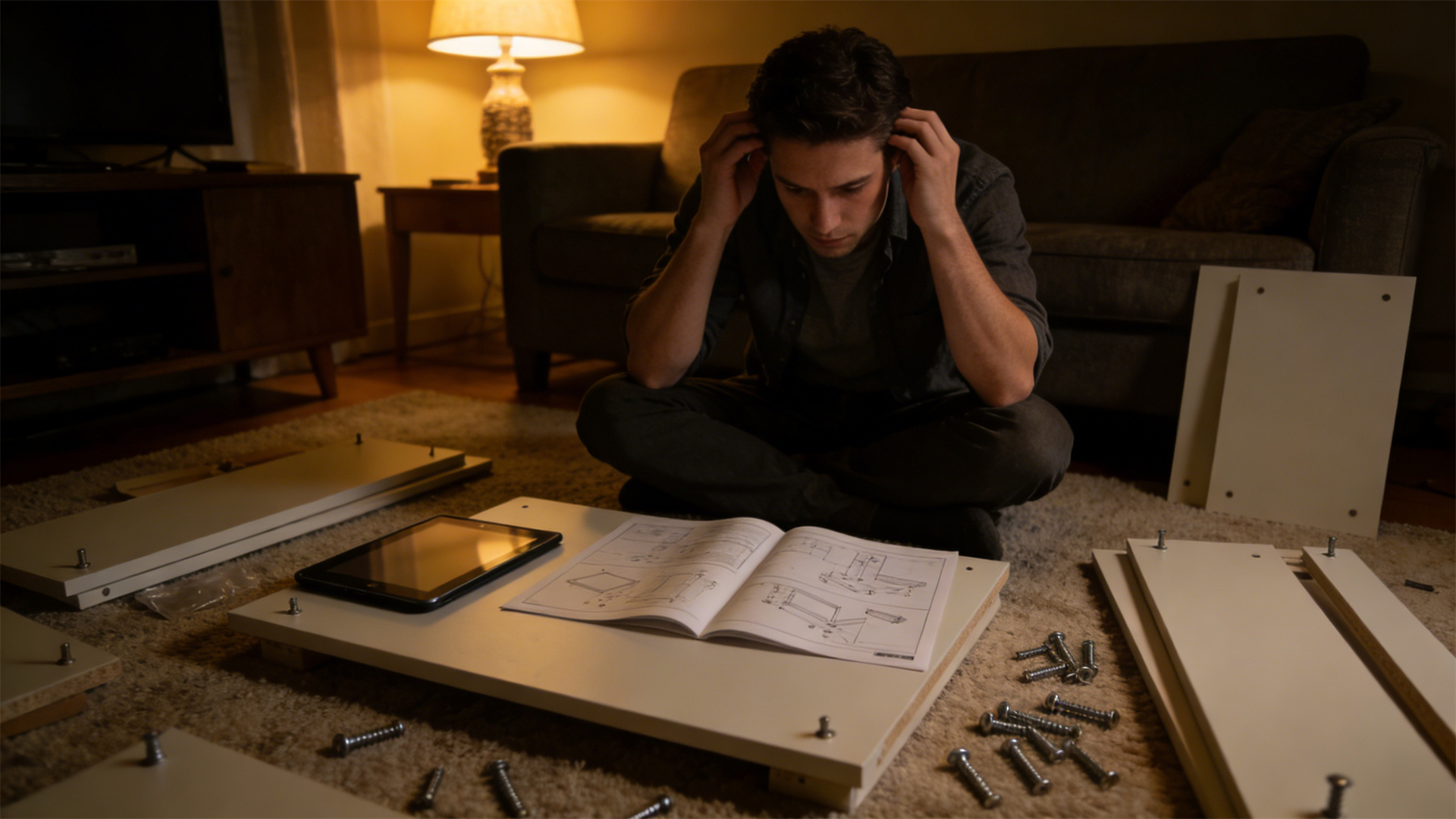
One of the most significant hidden costs of flat-pack furniture is the substantial investment of personal time and the potential for immense frustration. What is marketed as a "quick assembly" can easily unravel into a multi-hour, or even multi-day, ordeal. The process begins with deciphering cryptic, wordless instructions composed of abstract diagrams. Misinterpreting a single step can force a complete disassembly, a soul-crushing setback. Then comes the hunt for the correct screws, cam locks, and dowels among a sea of nearly identical components. The physical act of assembly often requires awkward positioning, applying precise pressure in unnatural ways, and the ever-present fear of stripping a screw or cracking a particleboard panel. This time—often spent during evenings or weekends—has a real value. It is time subtracted from relaxation, family, hobbies, or productive work. For many, the frustration and stress incurred transform a purchase meant to improve the home into a source of conflict and anxiety, a cost no receipt can quantify.

Beneath the stylish veneers and sleek photographs lies the fundamental issue of material quality and construction, which directly dictates lifespan. The low price point of most flat-pack furniture is achieved through the use of engineered woods like particleboard, MDF (Medium-Density Fiberboard), and laminate. These materials are susceptible to damage from moisture, prone to chipping at the edges, and cannot bear the same weight or withstand the same stresses as solid wood or quality plywood. The joints, frequently relying on tiny cam locks, plastic connectors, or simple screws into particleboard, are the weakest points. Over time, with regular use, these connections loosen, leading to wobbling, sagging shelves, and eventual failure. In contrast, pre-assembled furniture, especially from higher-tier brands, often utilizes traditional joinery techniques like dovetails, mortise-and-tenon, or metal-to-wood screws. These create a robust, lasting structure. The "affordable" flat-pack item that needs replacing in three to five years is, in reality, far more expensive than a pre-assembled piece that lasts for decades.
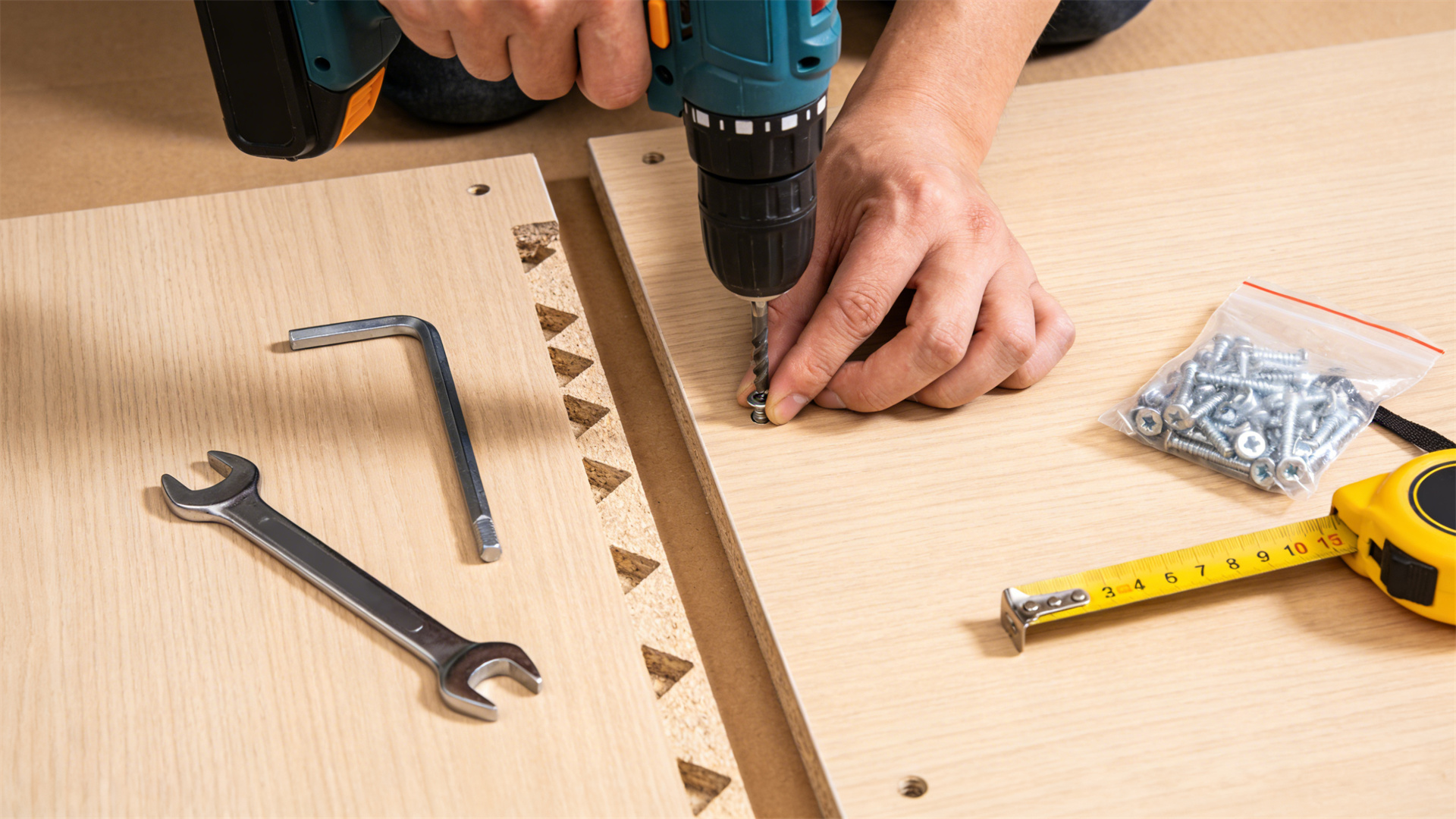
The assumption that you only need a basic screwdriver for flat-pack assembly is a common misconception. While some items may be truly tool-free, many require specific Allen wrenches (which are often included but flimsy), precise screwdrivers, or even rubber mallets. The provided tools are typically low-grade, making the process harder and increasing the risk of damaging the hardware or the furniture itself. To achieve a stable, professional-looking result, consumers often find themselves needing to invest in their own toolkit: a quality set of hex keys, an electric drill/driver with the correct bits, clamps to hold pieces steady, a level, and wood glue for reinforcement. These purchases, while useful for other projects, represent an upfront cost not factored into the furniture's sticker price. Furthermore, the assembly process itself carries a risk of personal injury—pinched fingers, back strain from maneuvering large panels, or cuts from poorly finished edges—adding a potential physical cost.
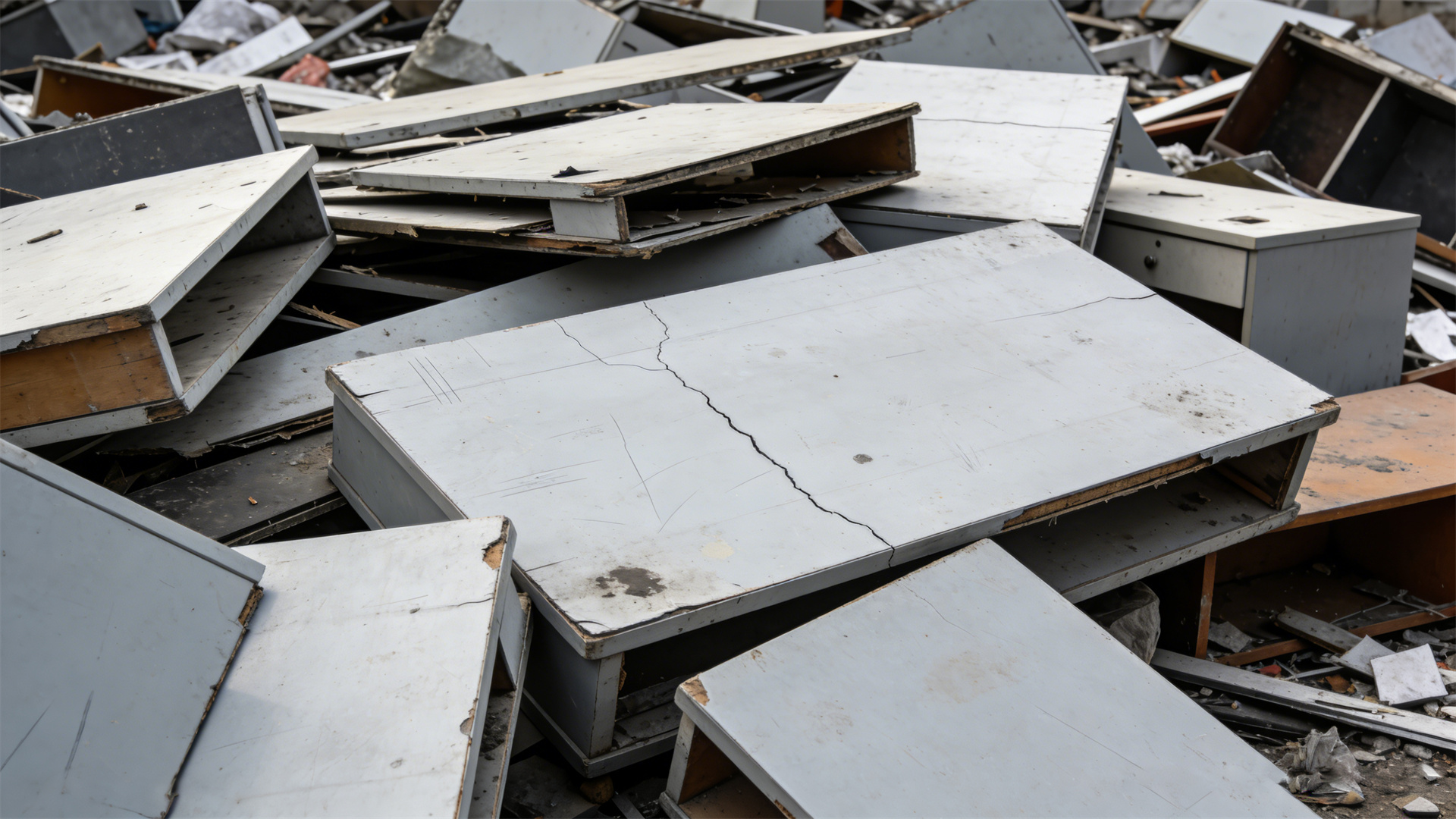
The environmental and health costs of disposable furniture are profound yet frequently overlooked. The business model of fast furniture relies on high turnover. When a cheaply made piece wears out or goes out of style, it is most likely destined for the landfill. The composite materials, glues, and laminates are not designed for easy disassembly or recycling, creating a massive waste problem. Furthermore, the materials themselves can off-gas volatile organic compounds (VOCs), such as formaldehyde, used in the adhesives binding particleboard and MDF. In a poorly ventilated room, this can contribute to indoor air pollution, triggering headaches, allergies, and respiratory issues over the long term. Pre-assembled furniture from reputable makers often uses solid wood, low-VOC finishes, and water-based glues, promoting better indoor air quality and a product that, due to its durability, has a much longer life cycle and a smaller ultimate environmental footprint.
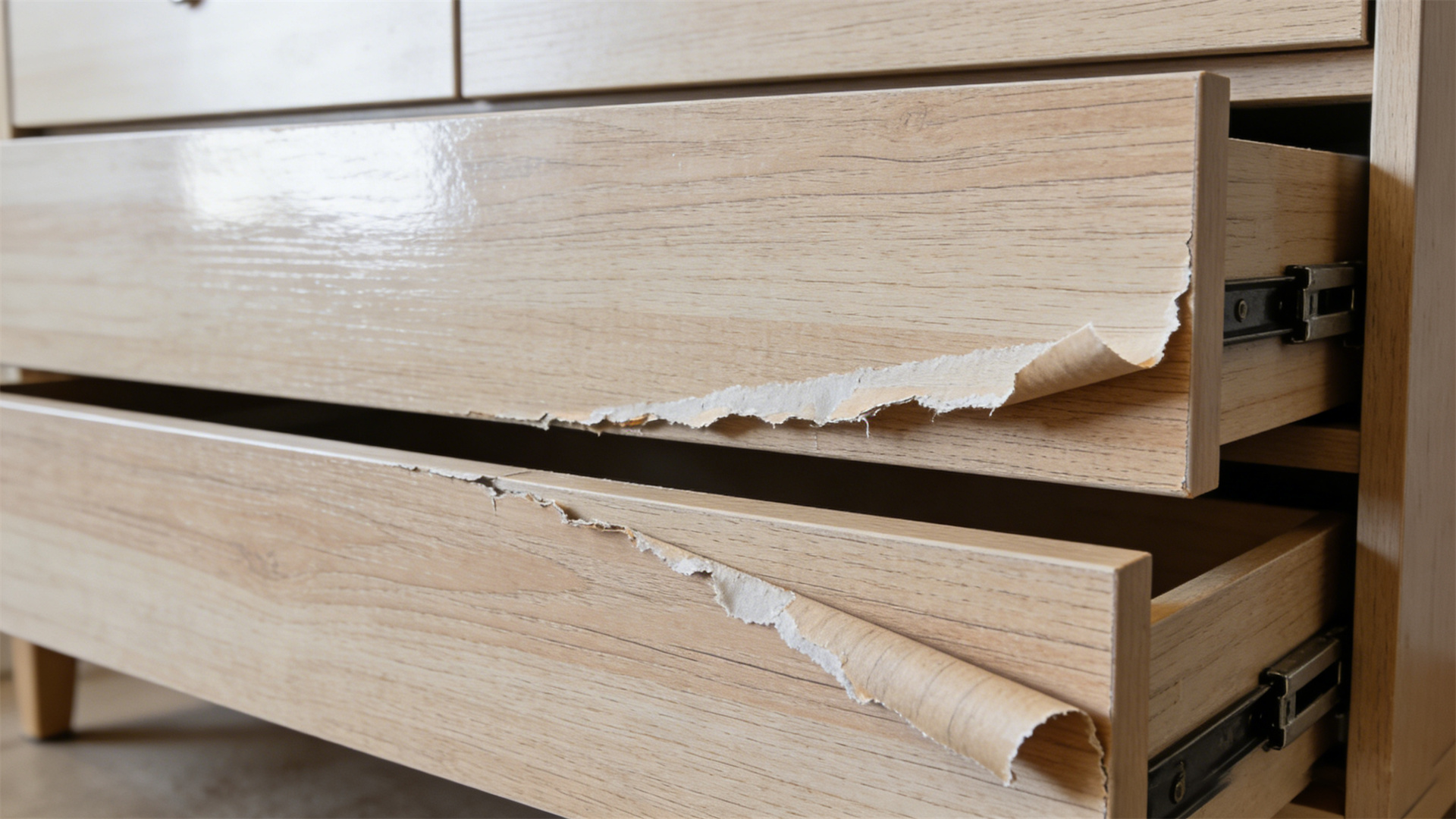
Beyond the immediate hassle, the hidden cost of compromised function and aesthetics can undermine the very purpose of the purchase. Flat-pack furniture often lacks the subtle refinements that make a piece truly functional. Drawers may slide roughly on plastic runners instead of gliding smoothly on metal tracks. Doors may never align perfectly. Shelves may have a slight but perceptible bow. The aesthetic is also fragile; the printed laminate or paper veneer that mimics wood grain can peel, scratch, or bubble, especially at the edges, revealing the composite material beneath. This makes repairs nearly impossible. A deep scratch on solid wood can be sanded and refinished; a similar gash on a laminated surface is a permanent eyesore. The item quickly loses its "new" look, constantly signaling its inexpensive nature and reminding the owner of its temporary status in their home.
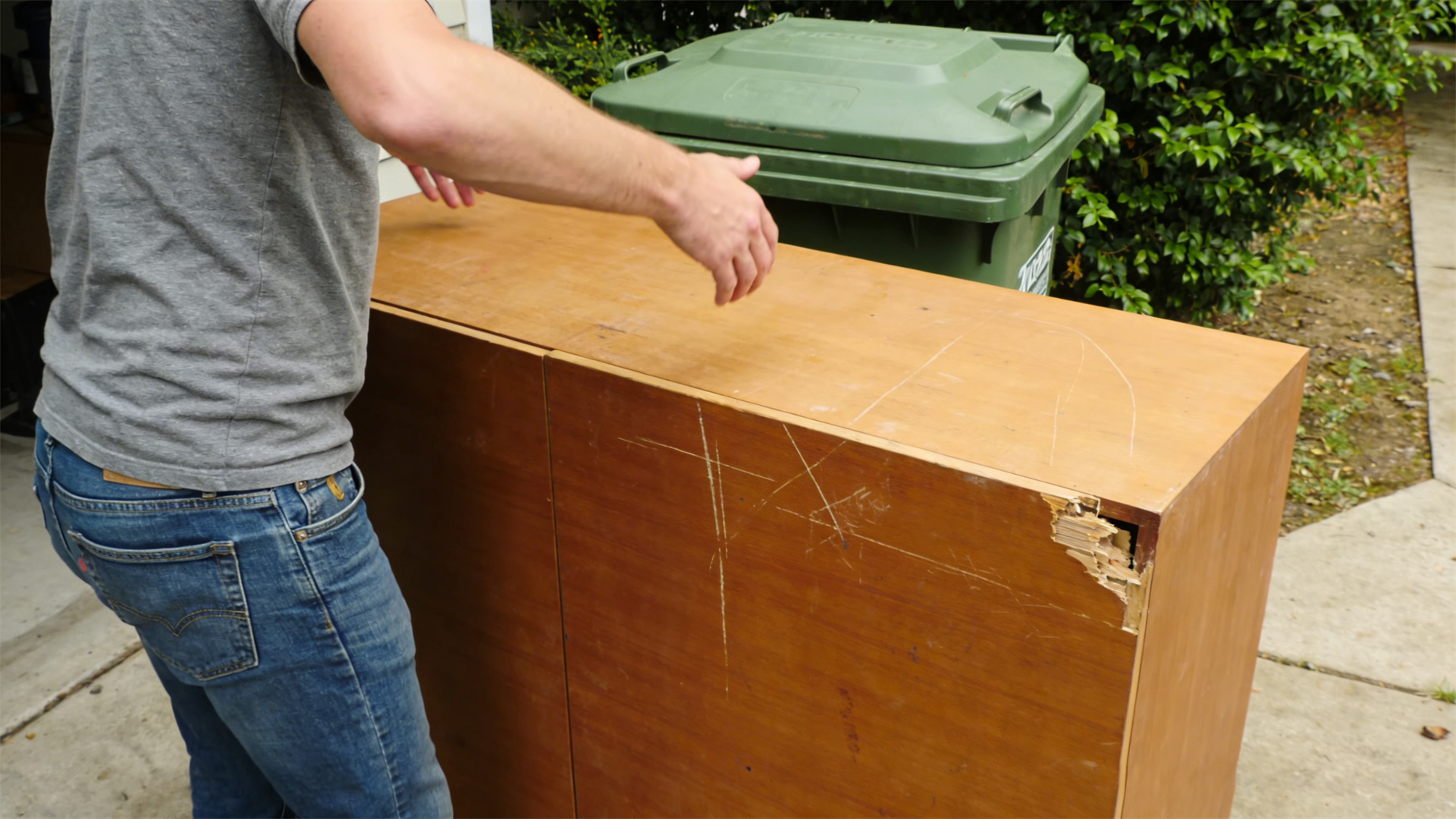
Finally, the allure of the low upfront price often leads to impulsive purchases and a cycle of consumption that is ultimately more expensive. The ease of buying a $70 TV stand makes it a spur-of-the-moment decision. When it breaks or no longer suits one's taste in two years, replacing it feels financially painless, perpetuating a throwaway mentality. This cycle prevents the development of a curated, intentional home environment filled with pieces that hold value, both monetary and sentimental. Investing in a pre-assembled, well-made piece requires more deliberate consideration and a higher initial outlay, but it encourages mindful consumption. This piece becomes a long-term fixture, its value appreciating through years of reliable service and its design chosen to endure beyond passing trends. The cost-per-use over twenty years makes the pre-assembled item the truly economical choice.

The debate between flat-pack and pre-assembled furniture is not about declaring one universally superior. For temporary housing, rental spaces, or children's rooms where needs change rapidly, flat-pack offers undeniable flexibility and low initial commitment. The true pitfall lies in mistaking low price for low cost. The hidden costs of flat-pack—the lost weekends, the tool purchases, the frustration, the short lifespan, and the environmental toll—are real and substantial. When making a choice, it is essential to conduct a total cost analysis: price, plus your time, plus expected lifespan, plus your peace of mind. Sometimes, the most affordable path forward is to save longer, invest once, and buy a piece of furniture that arrives ready, built to last, and designed to become a lasting part of your home, not just a temporary occupant.