The humble bookshelf has undergone a quiet revolution. No longer just a static repository for novels and encyclopedias, today's most sought-after storage units are dynamic pieces of furniture, tasked with organizing our lives in full view. They hold the story of a home—a curated mix of literature, cherished objects, daily essentials, and aesthetic experiments. Choosing the right one means looking beyond mere capacity for spines; it's about selecting a versatile backbone for your living space. The ideal unit must balance form with profound function, adapting to your needs while defining your style. Let's explore the key considerations for finding a storage unit that works as hard as it looks good.

The Marriage of Style and Substance
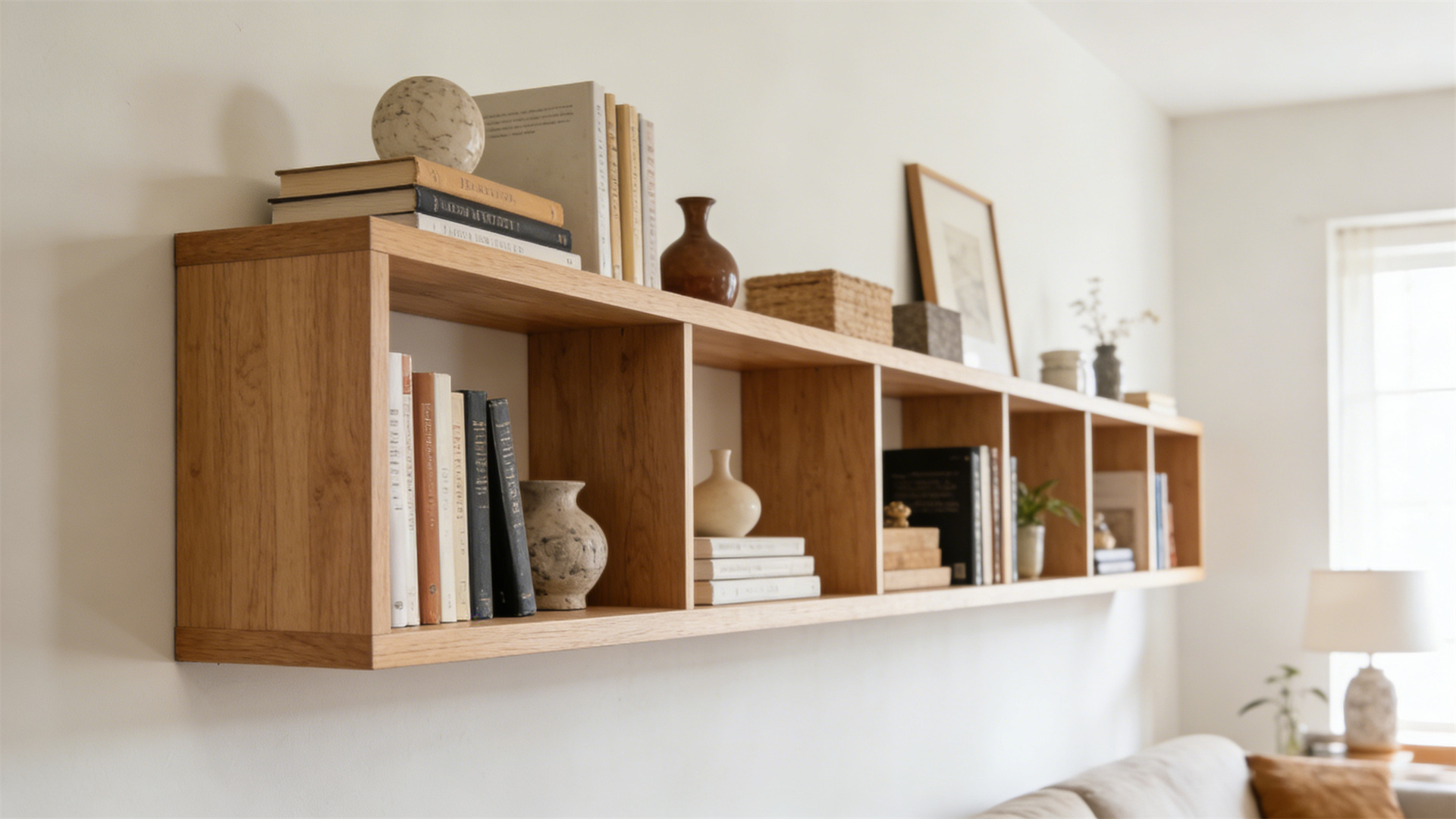
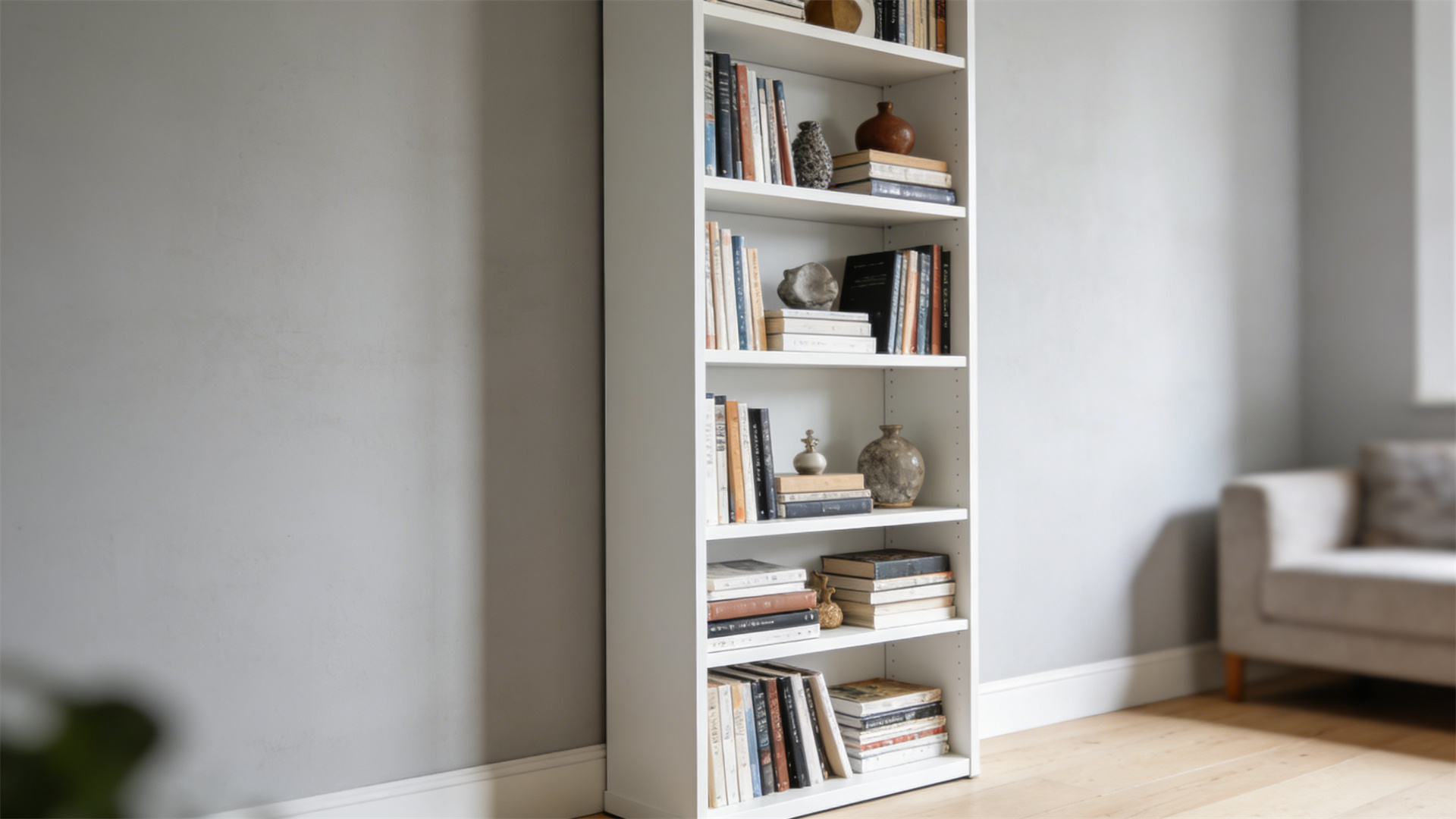
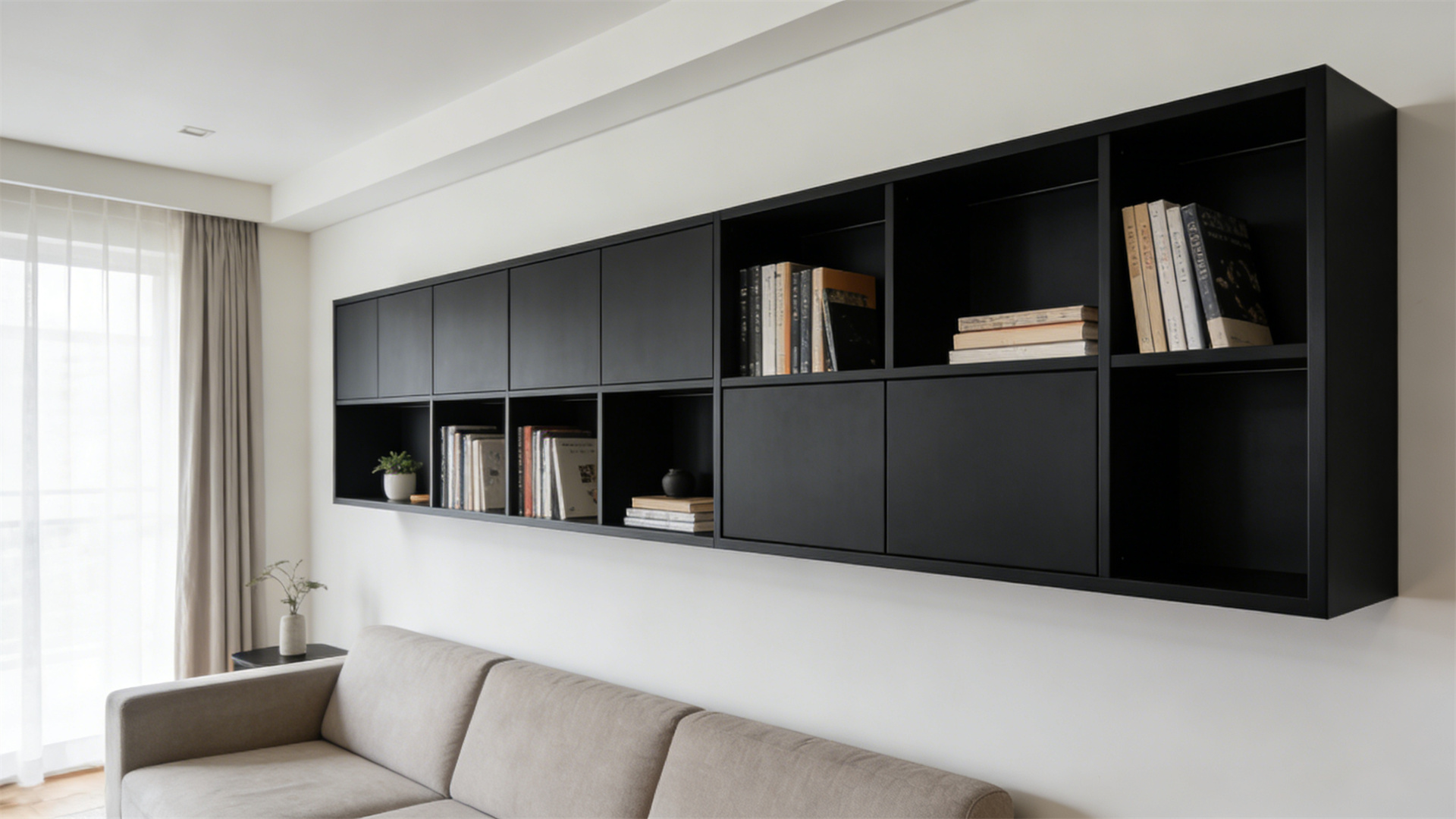
The first step is to reject the notion that utility and beauty are separate. A versatile bookshelf must first complement your interior landscape. Consider the overall vibe of your room. Is it minimalist and modern, rustic and warm, or industrially chic? A sleek, wall-mounted unit in matte black or pale oak with clean, uninterrupted lines serves a contemporary space, offering visual lightness. For a more traditional or cozy setting, a bookcase with subtle molding, richer wood tones, or classic bracket shelving provides grounded elegance. The color and finish are equally crucial; a neutral hue offers adaptability, allowing your displayed items to pop, while a bold, painted finish can anchor a room or act as a statement focal point itself. Remember, this piece is a significant architectural element in your room. Its style sets the stage for everything placed upon it.

Material Matters for Longevity and Character
What your storage unit is made of directly impacts its durability, weight capacity, and aesthetic essence. Solid hardwoods like oak, walnut, or maple are investment pieces, offering sturdiness and a timeless grain that develops character over years. They can handle heavy loads of books and often allow for more refined, lasting construction. Engineered woods like plywood or MDF (Medium-Density Fiberboard) are cost-effective, stable, and perfect for painted finishes, enabling a wide range of stylish, budget-friendly options. Metal frames, particularly powder-coated steel, lend an industrial, open feel and exceptional strength for spanning wider distances without sagging. For a truly unique look, explore units incorporating recycled materials, bamboo, or even high-quality, textured laminates. The material choice dictates not just look but also the unit's lifespan and the weight of your trust you can place in it.
The Power of Configurable Design
True versatility lies in adaptability. Look for designs that offer configuration options or inherent flexibility. Modular shelving systems are the ultimate champions here, allowing you to start with a few units and expand horizontally or vertically as your space and needs evolve. Shelves with adjustable heights are non-negotiable for a versatile unit; the ability to accommodate a tall art book, a stack of records, a small potted plant, or a basket of remote controls is invaluable. Some units cleverly mix open shelving with closed cabinets or drawers. This hybrid approach is key to sophisticated storage: open shelves for display and frequently used items, and concealed spaces to tuck away clutter, unattractive electronics, or practical necessities. This balance keeps the look curated rather than chaotic.
Maximizing Spatial Harmony
A versatile storage unit must be a master of its domain within your room’s geography. Consider the footprint and the vertical potential. For small rooms, a tall, narrow unit draws the eye upward, maximizing storage without consuming precious floor space. A low, wide credenza-style bookshelf can define a living area, serve as a media console, and offer surface area on top without blocking sightlines. Depth is a critical but often overlooked factor. Standard book depth is around 8-10 inches, but a deeper shelf (12-16 inches) provides incredible utility. It can house books *and* decorative objects in front, store bins or baskets, or hold larger items like board games or portfolios. Always measure your space and the items you intend to store, envisioning how the unit's proportions will live in the room, not just against a wall.

Crafting Visual Rhythm and Balance
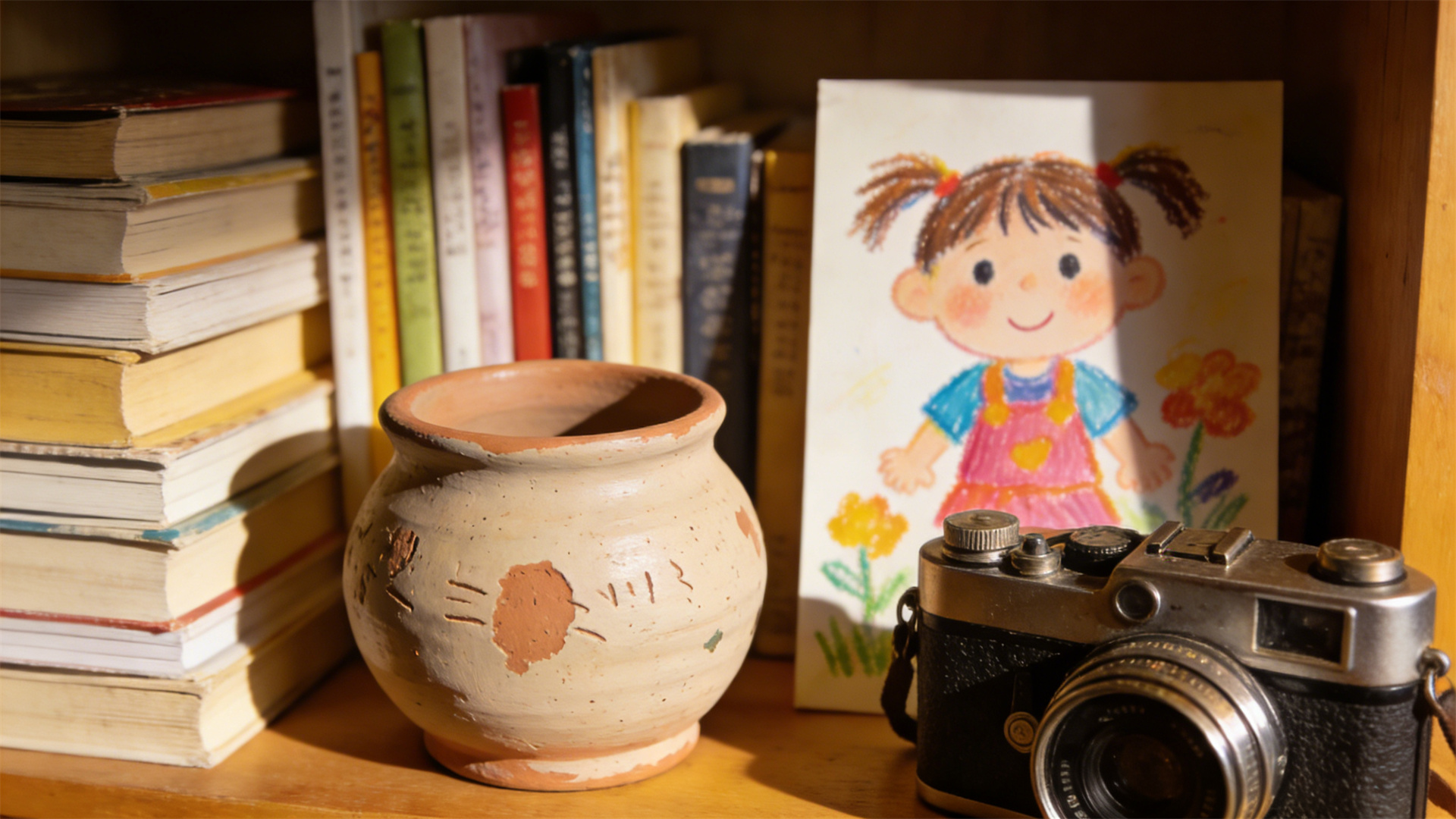
Once you have the structure, the art is in the styling—this is where "beyond books" comes fully to life. Think in terms of composition, color, and texture. Avoid the monotonous library look by interspersing books with objects. Use the rule of thirds: group items together in clusters of three, varying heights and shapes. Place some books stacked horizontally to break vertical lines and serve as pedestals for smaller objects. Incorporate natural elements like a trailing plant, a piece of driftwood, or a textured stone. Introduce personal artifacts—a ceramic vase from a trip, a family heirloom, a sculptural piece. Use cohesive containers like woven baskets, matching boxes, or linen bins to corral smaller items, adding texture while hiding mess. Lighting, such as a small, integrated LED strip or a strategically placed picture light above, can dramatize your displays, turning the shelf into a gallery wall.
The Final Layer: Personal Ecosystem
Ultimately, the most versatile storage unit is one that evolves with you. It should feel like a living, breathing part of your home’s ecosystem. It might hold your book collection one year and transform to showcase a growing collection of ceramic art or your child's most prized Lego creations the next. Its strength is in its ability to provide order and beauty simultaneously, to host both the mundane (router, printer) and the magnificent (sculpture, rare edition). It’s a tool for self-expression and practical living.
Therefore, look for the piece that speaks to both your aesthetic sense and your organizational logic. Seek out quality construction that promises to stand the test of time and trends. Prioritize flexible design that can answer questions you haven't even asked yet. A truly great bookshelf doesn't just store your things; it organizes your life and displays your story, proving that the best storage is that which inspires you to live—and arrange—beautifully.