
It started with a persistent, low-grade hum—a feeling of being perpetually wound up even after a slow day. My mind raced at bedtime, my focus was fragmented, and my mornings began with the groggy reach for a phone. I’d read the headlines about blue light and sleep, but it was the potential link to my constantly simmering stress that truly piqued my curiosity. Specifically, I wanted to know about cortisol, our primary stress hormone, famed for its disruptive power when its natural rhythm falters. Could the simple act of unplugging from digital devices earlier in the evening actually move the needle on a physiological level? To find out, I designed and committed to a 7-Day Digital Sunset Experiment. The rules were strict but simple: every electronic device with a screen—phone, laptop, tablet, television—was to be powered down and put away at least 90 minutes before my target bedtime. This period, which I dubbed my "Digital Sunset," would be filled with analog activities. I tracked my subjective experience daily and used at-home salivary cortisol test kits to measure my levels at four key points: upon waking, 30 minutes after waking, in the late afternoon, and right before bed. Here is what happened.
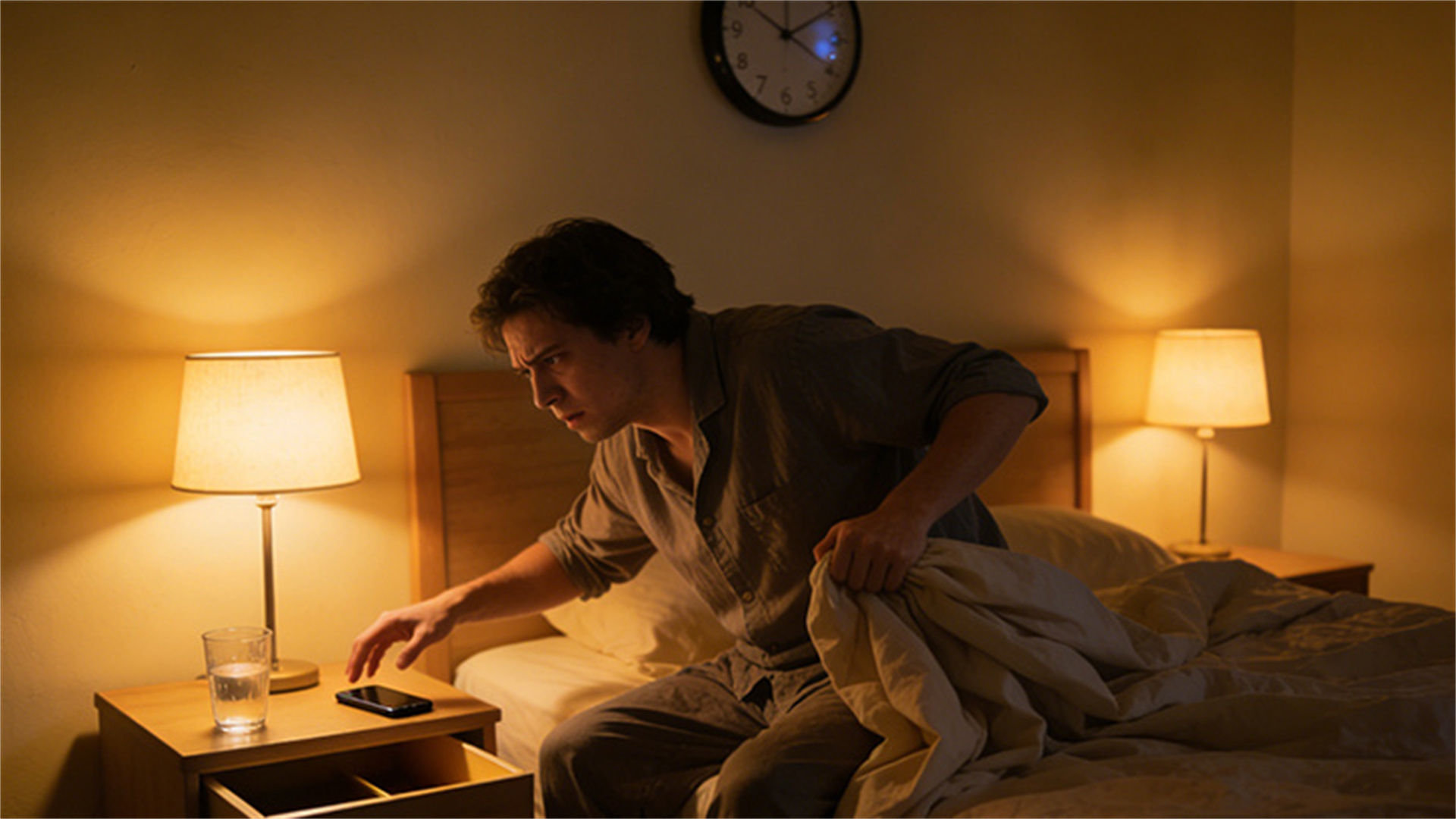
The first two nights were an exercise in sheer restlessness. My hands, operating on years of muscle memory, would unconsciously drift towards where my phone usually rested on the nightstand. The silence felt loud, and the empty space in my routine was glaring. I fidgeted, paced, and felt a nagging anxiety about what I might be missing—a classic symptom of the "fear of missing out" magnified by the sudden abstinence. I filled the time with reading physical books, but my concentration was poor; my mind felt like a browser with too many tabs open, slowly, very slowly, beginning to close. The urge to "just quickly check" something was a powerful itch. This initial phase was less about relaxation and more about confronting the depth of my digital dependency. It was uncomfortable, but it was also illuminating, proving that the habit was not just a minor convenience but a deeply ingrained neurological ritual.

By the middle of the experiment, around night four, a palpable shift began. The frantic edge of the first evenings softened. Without the stimulating scroll through social media or the hyper-absorbing glow of a television drama, my mind started to decelerate naturally. The activities that filled the Digital Sunset—reading novels, sketching, tidying up, having leisurely conversations, or simply sitting with a cup of herbal tea—lacked the frantic, interactive pulse of digital media. This created a buffer zone between the demands of the day and the vulnerability of sleep. Subjectively, I felt a noticeable decrease in that "bedtime brain buzz." Falling asleep ceased to be a struggle. I would read until my eyes grew heavy, put the book down, and find sleep arriving smoothly within minutes, rather than lying awake for half an hour while mental to-do lists and random internet fragments collided in my head. The quality of sleep changed, too; it felt deeper, less fractured.
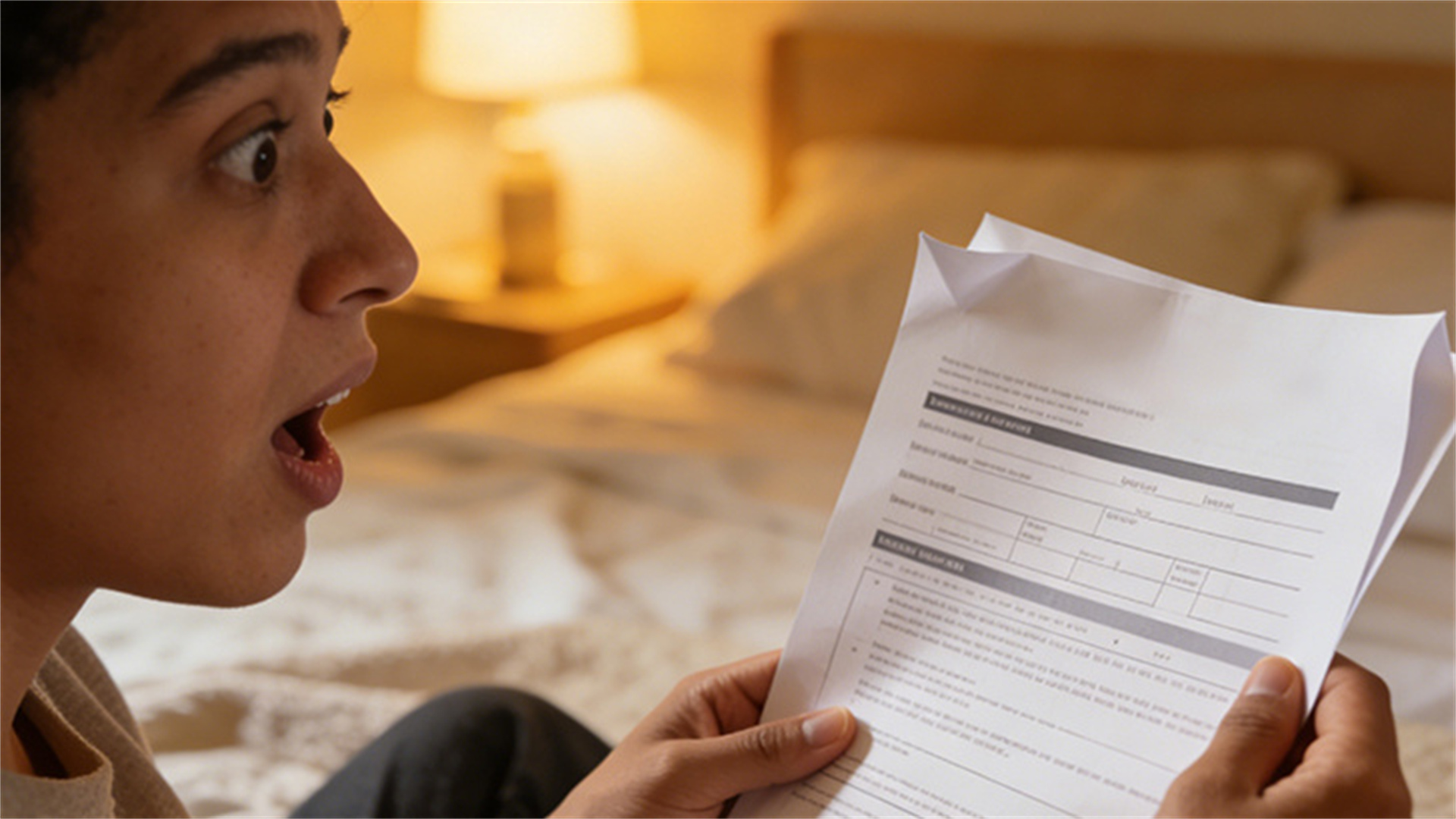
Now, for the core question: what happened to cortisol? The before-and-after test results revealed a significant, and frankly, startling normalization of my cortisol curve. Prior to the experiment, my pattern was dysregulated. My waking sample was moderately high, but the crucial 30-minute post-waking surge—the "cortisol awakening response" (CAR) that provides energy and alertness for the day—was blunted. It seemed my body was already in a state of mild, chronic stress upon waking. My evening sample, however, was elevated, indicating my system was still primed for action when it should have been winding down. After seven days of the Digital Sunset, the pattern changed. My waking cortisol was slightly lower, but the 30-minute post-waking surge was more pronounced and robust—a healthy, energetic spike. Most dramatically, my pre-bed cortisol level plummeted into the optimal low range. The physiological signature of stress at the exact time I was trying to rest had virtually vanished. The science behind this is clear: the blue light emitted by screens directly suppresses melatonin, the sleep hormone. This disruption delays sleep onset and, critically, can dysregulate the entire hypothalamic-pituitary-adrenal (HPA) axis, which governs cortisol release. By removing that light-based interference, I allowed my circadian biology to recalibrate.

The benefits extended far beyond the 90-minute window and the lab results. With improved sleep quality came enhanced daytime focus. The mental fog that typically required two cups of coffee to dissipate was lighter. I was more present during work tasks and less prone to distraction. Furthermore, the act of reclaiming that time became profoundly empowering. The Digital Sunset wasn't about deprivation; it was about conscious reclamation. It created space for reflection, for creativity that wasn't performance-based (for an audience online), and for a slower, more intentional pace of life. I began to notice sensory details I usually glossed over—the texture of paper, the play of evening light in the room, the nuances in a conversation. This mindfulness, born from disconnection, became a secondary antidote to stress in itself.

Reintegrating technology after the experiment was a careful process. I did not return to my old habits wholesale. The experiment had proven the cost too high. I now maintain a non-negotiable 60-minute digital sunset (90 minutes is ideal, but 60 is sustainable). I use features like "Night Shift" more diligently, but I’ve learned that the content is as stimulating as the light; reading stressful news or engaging in heated debates online is just as disruptive as any blue light. Therefore, the final hour is for calm, non-interactive activities. My phone charges in another room, transforming my bedroom into a true sanctuary for sleep.
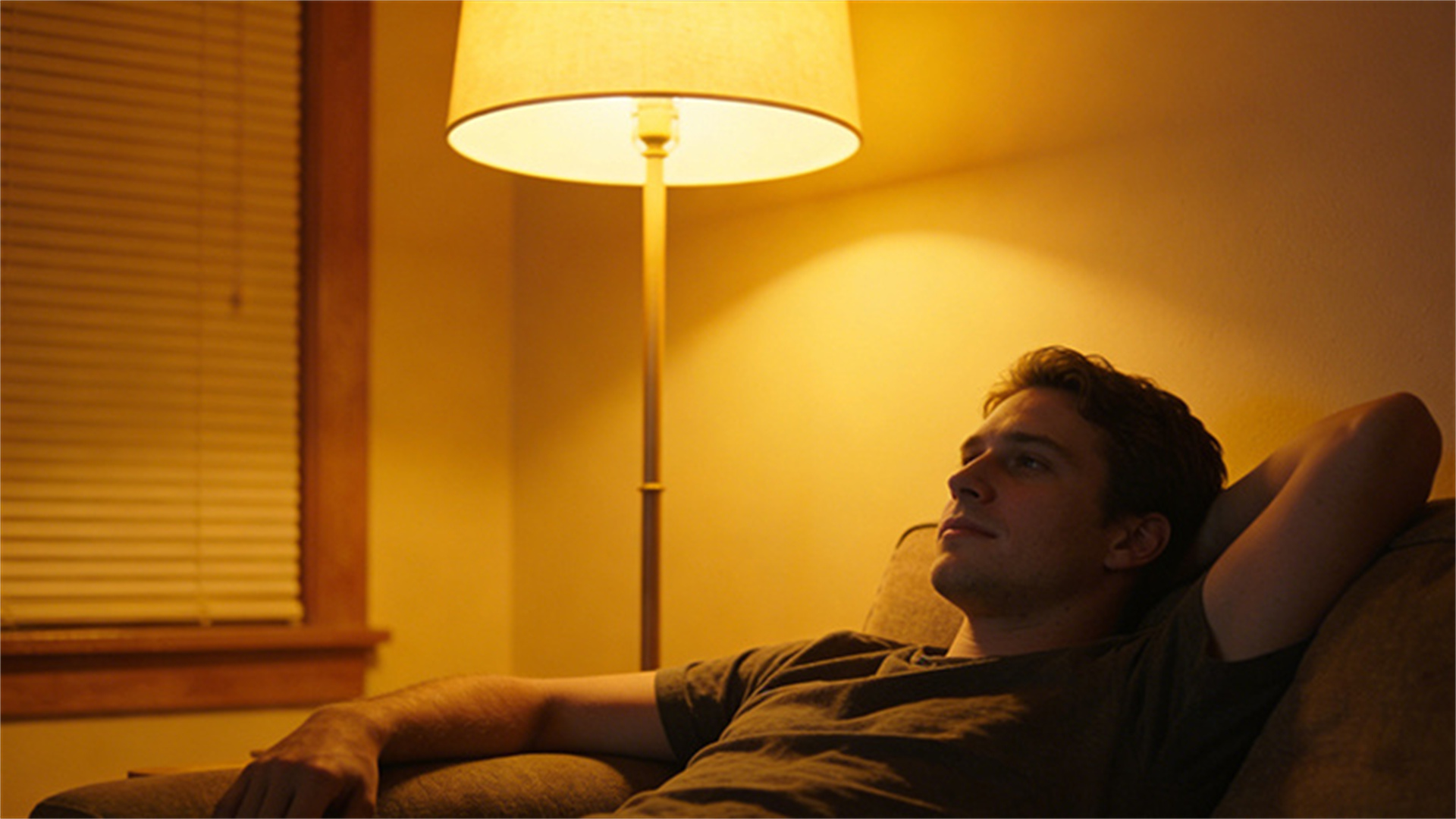
The 7-Day Digital Sunset Experiment delivered a clear, two-part verdict. First, on a subjective level, it dismantled the compulsive need for digital engagement at night, replacing anxiety with tranquility and dramatically improving sleep onset and quality. Second, and most compellingly, it produced objective, biochemical evidence of reduced stress. The normalization of my cortisol rhythm—specifically the strong morning surge and critically low evening levels—demonstrates that our evening digital habits are not merely social choices but powerful modulators of our central stress physiology. In a world that never logs off, deliberately orchestrating a daily Digital Sunset might be one of the simplest, most profound acts of self-care we can perform. It is a direct intervention, telling our primal biology that the day is done, the hunt is over, and it is now safe to truly, deeply rest.